
- Home
- Knowledge Center
- SPC or LVT Which Rigid Core or Vinyl Floor to Specify
SPC or LVT Which Rigid Core or Vinyl Floor to Specify
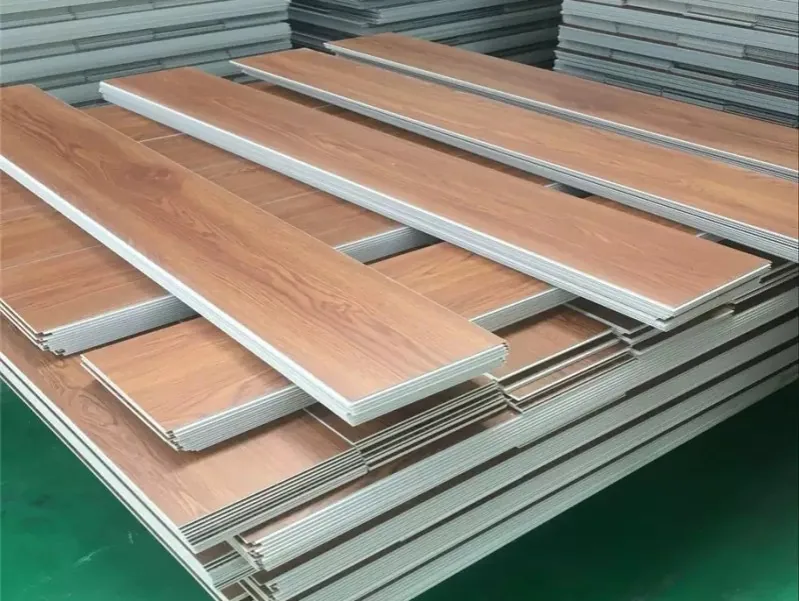
Same decor, different construction. Substrate flatness, installation method and wear layer decide, not the photograph.
What each one actually is
SPC is a stone plastic composite: PVC blended with natural stone powder, built up in six layers, a virgin PVC balance sheet, a fibreglass layer, a PVC middle layer with a unilin click, a decor film, a wear layer and a UV coating. LVT is a luxury vinyl tile of 100% virgin material with a print film and a wear layer, in 1.5 to 5mm thicknesses.
Rigidity against flexibility
SPC is rigid. That rigidity bridges small defects in a substrate, which is why it is the safer choice over an uneven screed or an existing tile floor. LVT is flexible and follows the substrate, so it needs a flat base but gives a softer, quieter walking surface.
Installation method
SPC floats on its click joint with a perimeter expansion gap and no adhesive, and individual boards can be lifted for rework. LVT is commonly glued down, which suits very large commercial floors and makes future board replacement more involved.
Wear layer is the number that matters
LVT publishes a wear layer from 0.07 to 0.7mm. That figure, not total thickness, is what wears through. Residential floors sit at the thin end; hotel corridors and retail floors belong at the thick end. SPC carries a wear layer up to 0.7mm under its UV coating.
Water and wet rooms
SPC's core does not absorb water, which is why it is specified for kitchens, bathrooms and basements. It also contains no plasticiser, unlike regular vinyl flooring, which matters where indoor environmental criteria apply.
Sizes and how they change a room
LVT planks come in 184x950mm, 152.4x914.4mm and 177.8x1219mm; SPC in 183mm and 230mm widths at 4.0 to 8.0mm. A wide plank reads calmer in a large room; a narrower plank suits small rooms and corridors.
Products Referenced In This Guide
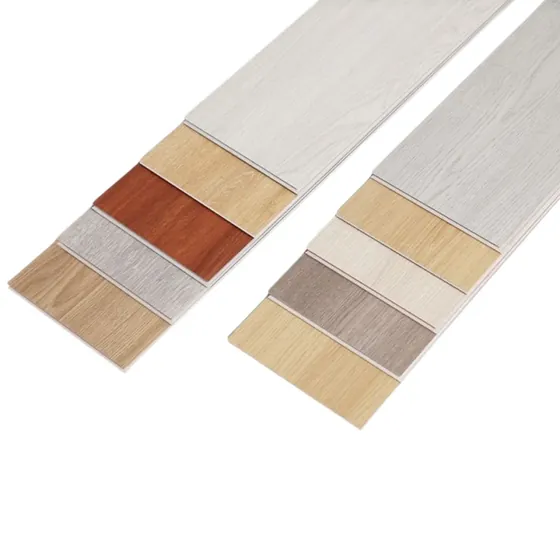
SPC Flooring
SPC flooring 4.0-8.0mm in 183mm and 230mm widths, six layer stone plastic composite with unilin click and UV coating. Waterproof rigid core flooring for export.
See the specification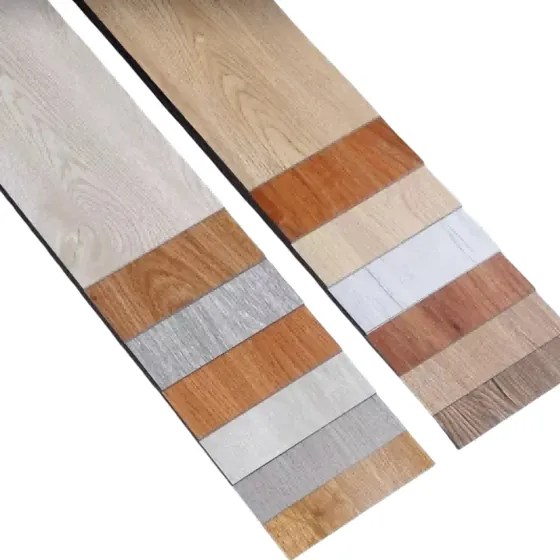
LVT Flooring
LVT flooring in 1.5-5mm with 0.07-0.7mm wear layer, 184x950mm and 177.8x1219mm planks, 100% virgin material. Wood and stone decors for hotel retail and residential.
See the specificationProduct Families Covered
Questions About This Guide
Which is better over an existing tile floor?
Which is quieter underfoot?
Can I mix both in one project?
Is thickness the same as durability?
Put This Into Practice
Send the room, the area and the finish you are working to and a recommendation with the matching published specification comes back.