
Denier Explained 210D 420D 600D and 840D in Bike Luggage
Four numbers cover almost all bicycle luggage fabric. Here is what each one is for and why a good bag uses more than one.
If you are writing a product listing or comparing two bags, denier is the single most useful number on the specification - and the one most often quoted without any explanation of what it means.
What denier actually measures
Denier is the mass in grams of 9000 metres of the yarn. It describes yarn thickness, not fabric strength directly, but in practice a higher denier nylon in the same weave is heavier, thicker and more abrasion resistant. 840D nylon is roughly four times the yarn weight of 210D.
210D is a liner, not a shell
In our catalogue 210D nylon appears as the inner liner in the sewn PU and EVA bags - the phone holder bag, the top tube bags, the triangle bag and the handlebar bag. A liner never sees abrasion, so putting heavy fabric there would add weight for nothing. That is the correct use of 210D.
420D is for protected inner faces
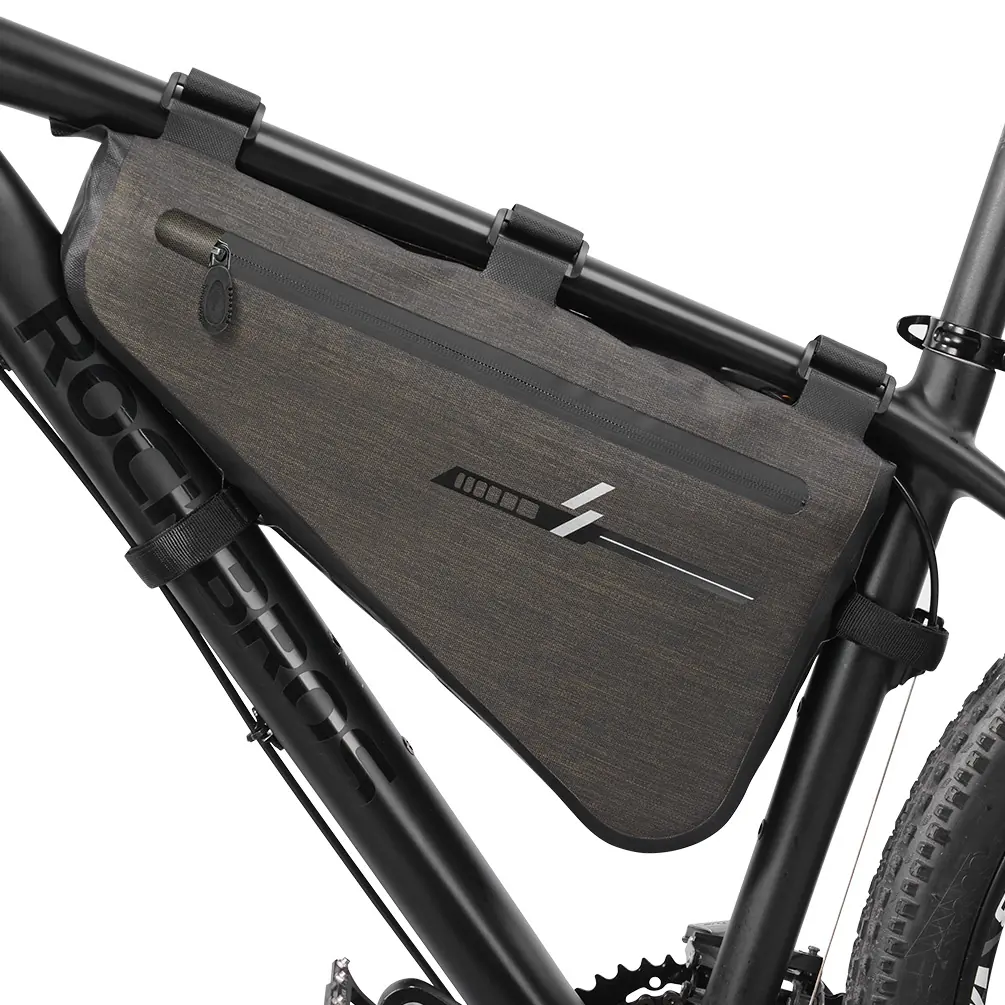
The Waterproof Triangle Bag uses 420D on its inside face. That surface sits against the frame and never contacts the ground or takes road spray, so it gets the lightest fabric in the bag. This is where you can tell a considered bag from a lazy one: a lazy bag uses one fabric everywhere.
600D is the general-purpose shell
600D is the outer fabric on the Waterproof Frame Cross Bag and on the outside face of the Waterproof Triangle Bag. It is the balance point - enough abrasion resistance for a bag strapped to a frame, light enough that a 40 cm frame bag still weighs 276 grams.
840D goes where the damage happens
The Bicycle Waterproof Tail Bag uses 840D throughout, because a bag under the saddle takes direct spray off the rear wheel, which carries grit and does far more damage than rain. The Waterproof Triangle Bag uses 840D only on the bottom panel, for the same reason. Denier placement follows wear, not price.
Denier alone does not make a bag waterproof
A 840D fabric with no membrane and sewn seams will soak through. In our welded range every panel is laminated to a TPU waterproof membrane and the seams are high frequency welded. Denier tells you about abrasion; the membrane and the seam construction tell you about water.
The Parts This Article Refers To
Waterproof Triangle Frame Bag with Graded Fabrics
600D outside 420D inside 840D on the bottom where it matters
View specification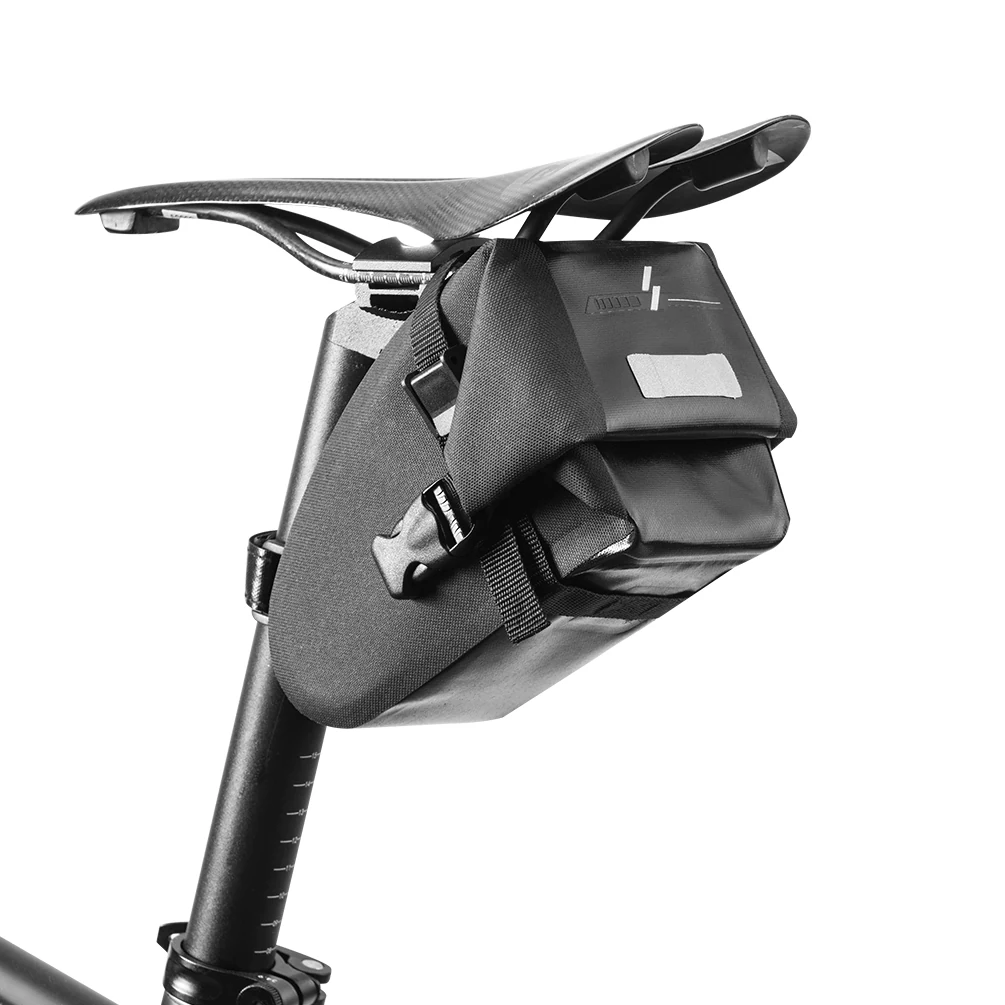
Bicycle Waterproof Tail Bag 840D Nylon with Welded Seams
High-frequency welded 840D nylon that is sealed rather than water resistant
View specification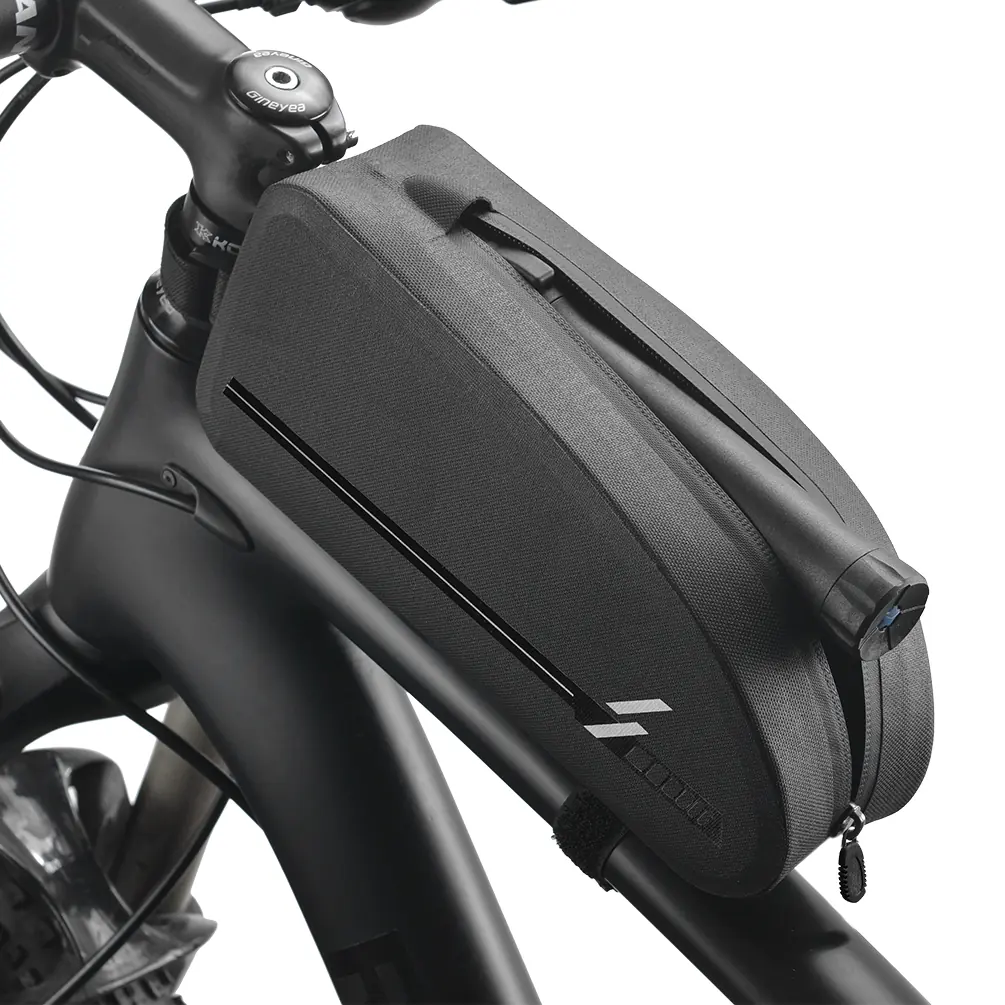
Waterproof Frame Cross Bag in Two Sizes
600D nylon welded shut in a 125 gram and a 90 gram size
View specification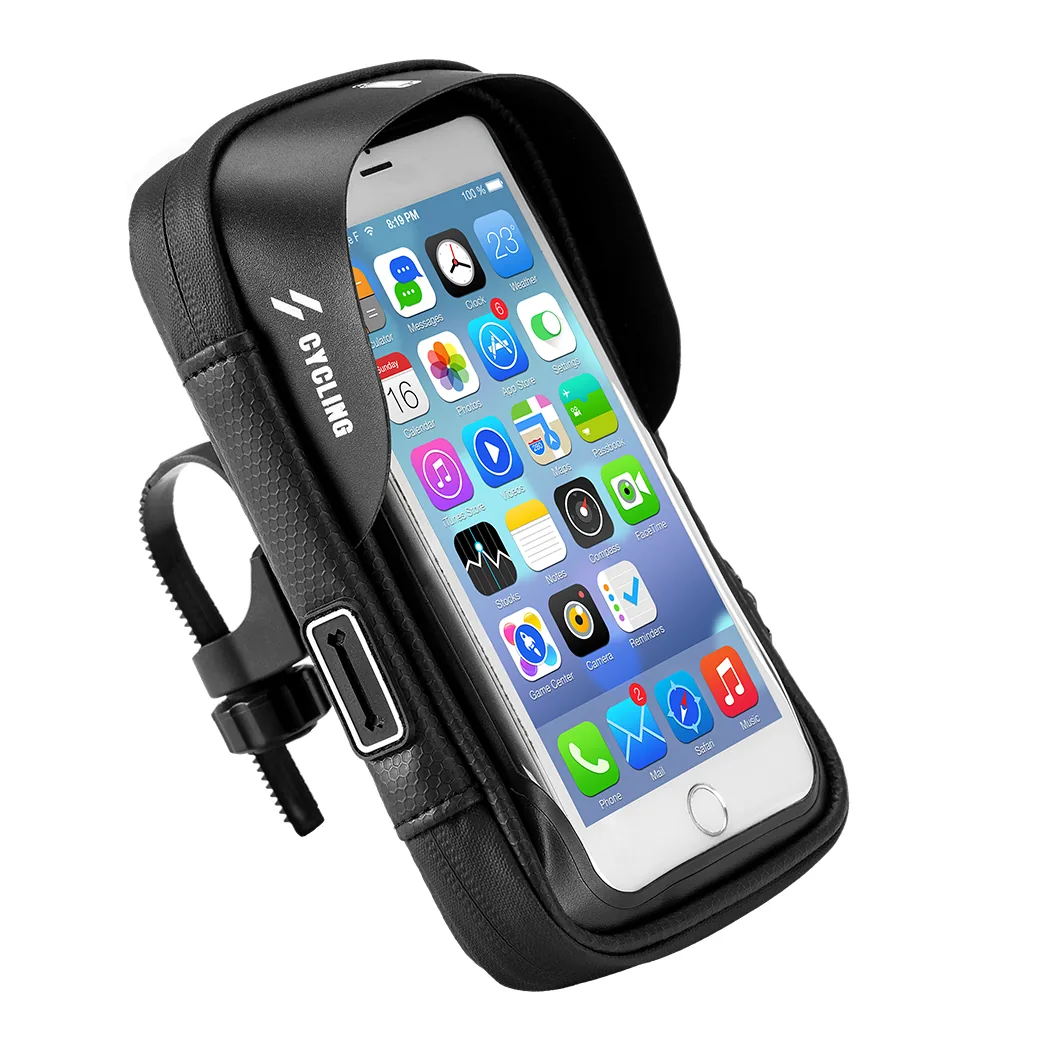
Bicycle Phone Holder Bag with Rotating Base and Headphone Port
A 360 degree base a sunshade and somewhere to put your passport
View specificationQuestions on This Topic
Is higher denier always better?
What is the highest denier in your range?
Does denier tell me if a bag is waterproof?
Other Guides
AL6061-T6 or AL7075 Which Alloy Belongs in Which Bike Part
Two aluminium alloys cover almost the whole machined bicycle component market. Here is why a star nut is...
Read the guideWhy a Sewn Bike Bag Is Not Waterproof and a Welded One Is
Every stitch in a seam is a hole. High frequency welding removes them. Here is how to tell the two...
Read the guideChoosing a Bike Headset External or Semi-Internal
The frame decides, not the rider. A 33 mm stack against a 9.5 mm stack, and what happens if you specify the...
Read the guideApply This to Your Own Specification
Send the drawing or the sample and we will tell you which of these choices actually applies to your part.