
AL6061-T6 or AL7075 Which Alloy Belongs in Which Bike Part
Two aluminium alloys cover almost the whole machined bicycle component market. Here is why a star nut is 7075 and a pedal body is 6061.
Look through any machined bicycle component catalogue and you will see the same two alloys over and over: 6061 and 7075. They are not interchangeable, and which one a part uses tells you something real about how it is meant to work.
What the numbers mean
6061 is an aluminium-magnesium-silicon alloy. 7075 is aluminium-zinc. The T6 suffix you see on 6061-T6 means the material has been solution heat treated and artificially aged, which is what takes it from soft to structural. 7075 is substantially stronger than 6061 at the same section, which is why it appears in parts that are small and highly loaded.
Where 6061-T6 is the right answer
6061-T6 machines cleanly, anodises evenly and welds, and it is tough rather than brittle. In our catalogue it is the alloy for the parts that are large, visible and take distributed loads: the pedal bodies at 80 by 80 by 17 mm and 100 by 95 by 17 mm, the headset cups on both the 110 gram external set and the 98 gram semi-internal set, the 16 gram seat clamp, the 70 gram brake levers and all four GPS computer mounts. Those mounts weigh between 12 and 35 grams and take an anodised black sand finish, which 6061 does particularly well.
Where 7075 earns its cost
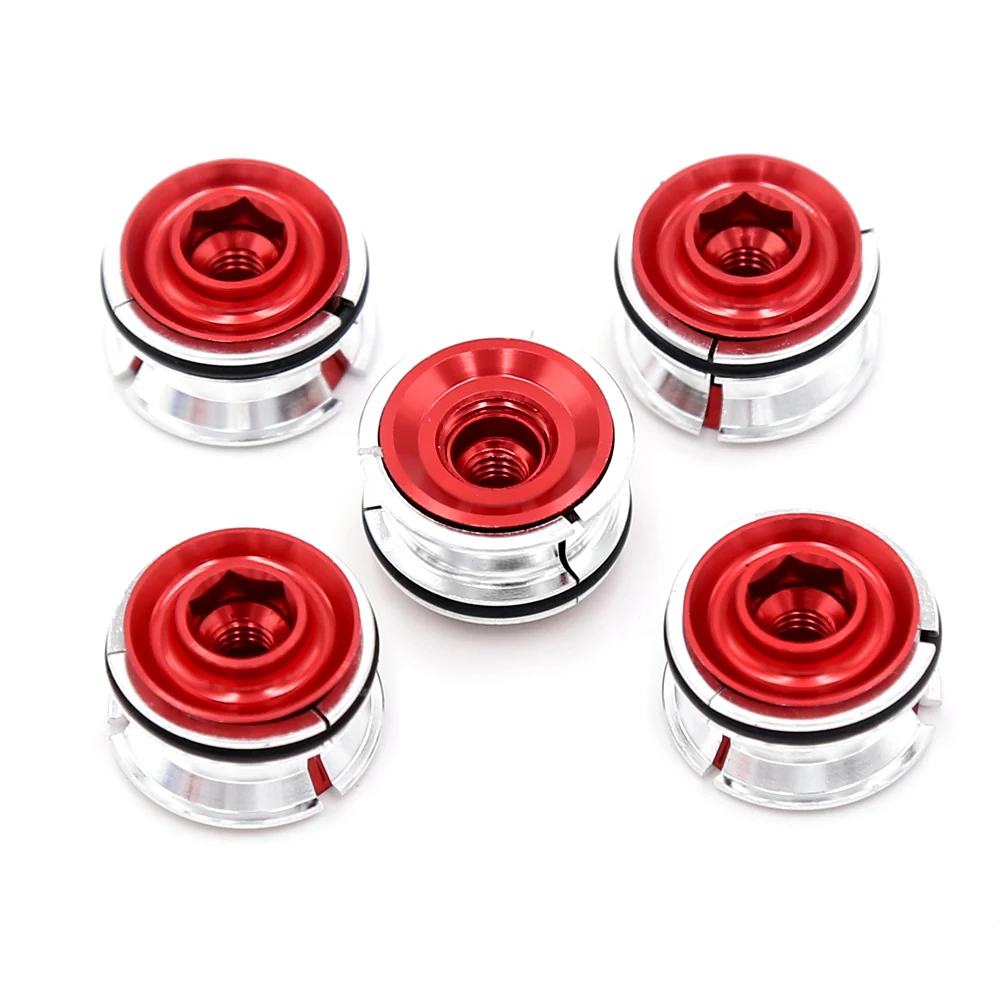
7075 goes into the parts where a small section has to carry a concentrated load. The 7 gram headset star nut is 7075 because its legs have to bite into a steerer wall and hold that bite through repeated preloading; a softer alloy deforms and the preload goes away. The 10 gram derailleur pulley is 7075 because an 11 tooth profile in a soft alloy would round off. The mountain bike hubs combine both, using 7075 where the spoke loads concentrate and 6061-T6 elsewhere.
The trade-off nobody mentions
7075 does not weld and it is less corrosion resistant than 6061. It is also more expensive and harder on tooling. A factory that uses 7075 everywhere is not being generous, it is being imprecise. A factory that uses 6061 everywhere is cutting cost. The sign of a considered catalogue is that both appear, in the right places.
How this affects an OEM specification
When you send a drawing, specify the alloy or tell us the load case and let us specify it. The commonest specification error we see is 7075 called out for a large cosmetic part, which adds cost and gives nothing back, or 6061 called out for a small highly stressed part, where it will deform in service.
The Parts This Article Refers To
Headset Star Nut AL7075 CNC Machined
The 7 gram part that decides whether a fork stays preloaded
View specification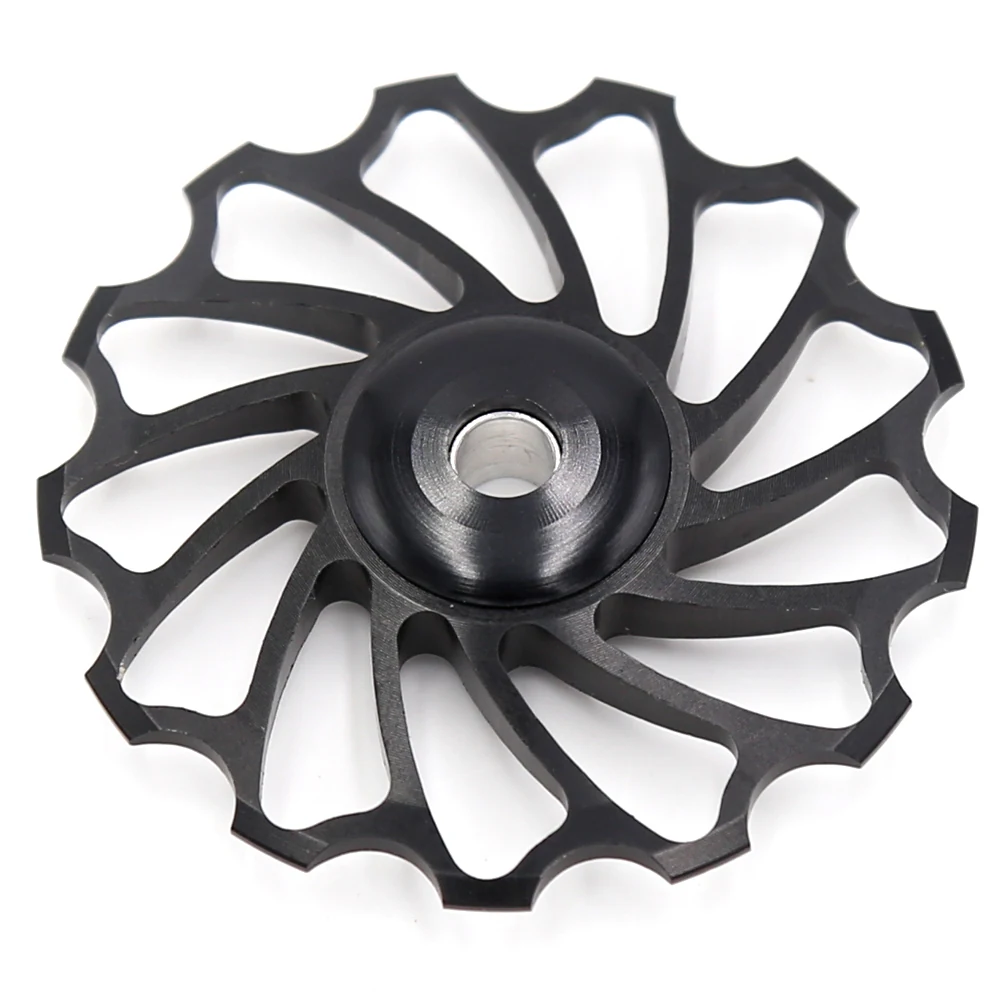
Rear Derailleur Pulley 11T AL7075 CNC Machined
10 grams of machined AL7075 on a sealed bearing
View specification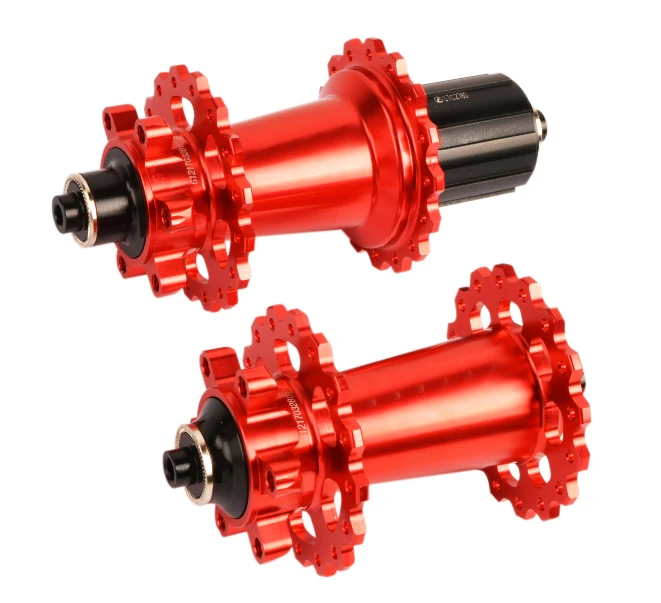
MTB Hub Set AL7075 and AL6061-T6 with 6 Pawls
Six pawls and sealed bearings in a 149 and 266 gram pair
View specification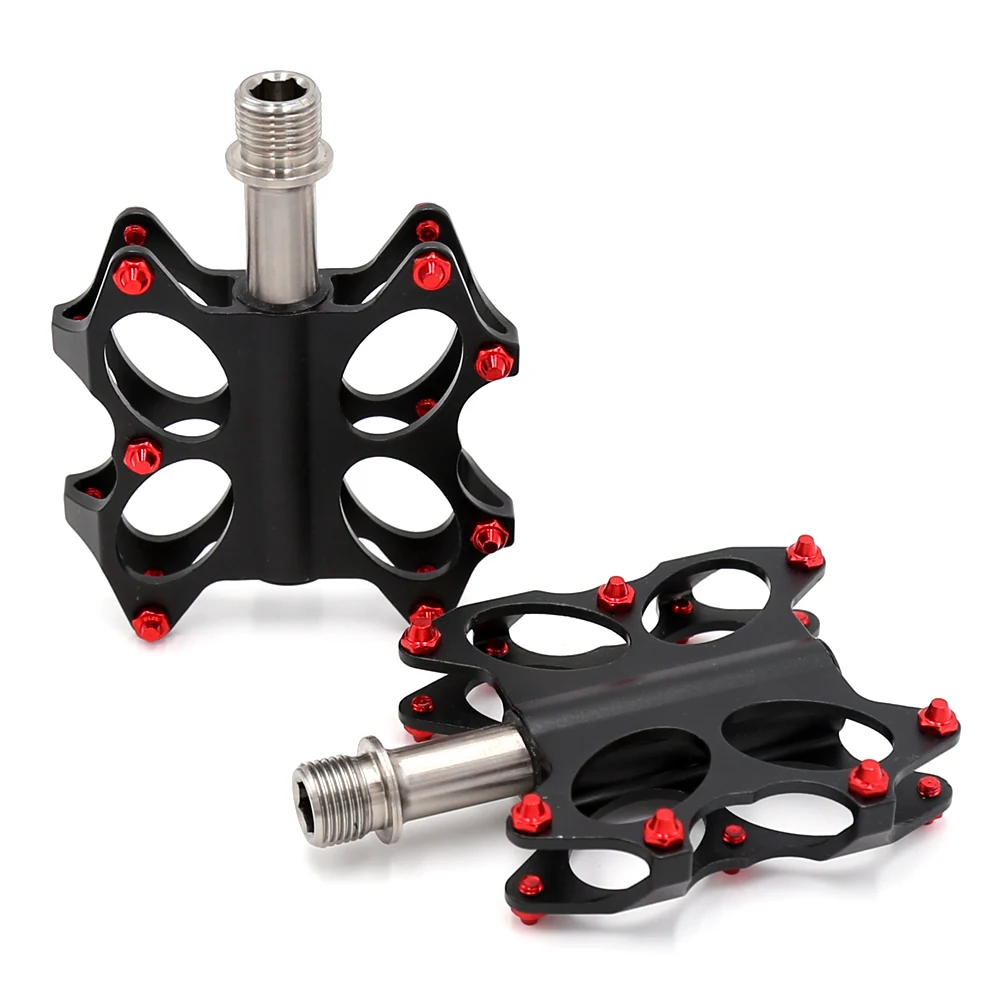
Titanium Axle Road Pedals 170 g per Pair
The lightest pedal in the range at 170 grams a pair
View specificationQuestions on This Topic
Is 7075 always better than 6061?
Can both alloys be anodised the same colour?
Which alloy do your pedals use?
Other Guides
Why a Sewn Bike Bag Is Not Waterproof and a Welded One Is
Every stitch in a seam is a hole. High frequency welding removes them. Here is how to tell the two...
Read the guideChoosing a Bike Headset External or Semi-Internal
The frame decides, not the rider. A 33 mm stack against a 9.5 mm stack, and what happens if you specify the...
Read the guideQuick Release Skewer Sizing 100 mm 130 mm and 135 mm Explained
Three numbers decide whether a skewer fits. Here is where they come from and how to measure yours.
Read the guideApply This to Your Own Specification
Send the drawing or the sample and we will tell you which of these choices actually applies to your part.