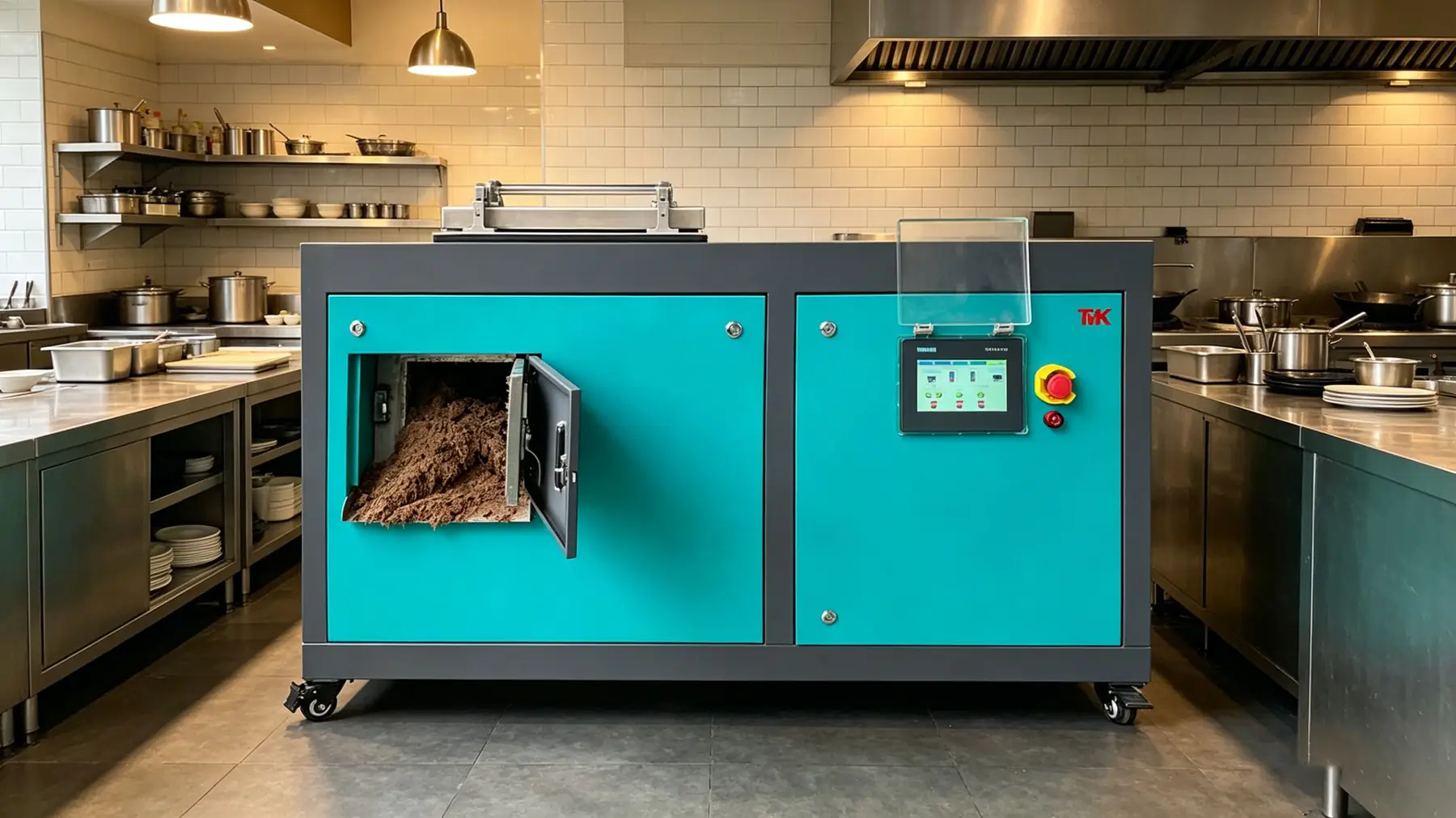
Restaurant Composting and the Shift Toward Zero Waste Foodservice
Globally nearly one third of all food produced is wasted, and restaurants contribute significantly. Over-ordering, spoilage and plate waste are persistent challenges in commercial kitchens.
Where Restaurant Food Waste Goes
Food waste from commercial kitchens often ends up in landfill, where it decomposes anaerobically and produces methane, a greenhouse gas up to 80 times more potent than carbon dioxide. That is the environmental case. The operational case is simpler: the kitchen pays to store it and pays again to have it collected.
Two Approaches
There are two main routes. On-site composting machines process food waste internally, often within 24 hours. Partnerships with local composting services collect organic waste and process it externally. Both divert waste from landfill. Only the first removes the collection leg and the storage period that goes with it.
Related machine: TMK-200 Composter — 200 kg Per Day Kitchen Waste Composter for Commercial Kitchens at 200 kg/day.
What Gets Composted
Food waste composting systems in a restaurant handle everything from vegetable peels and coffee grounds through to eggshells. These processes reduce organic waste volume by up to 90 percent, producing a reusable end product that enriches soil or supports local agriculture.
The Business Case
Initial investment in equipment can be significant, but restaurants often see long-term savings through reduced waste disposal fees and improved inventory management. Diners are increasingly conscious of sustainability, so composting and zero-waste practice resonates with eco-minded customers and supports brand reputation. Many cities are also introducing food waste regulations and offering incentives for composting.
Sizing a Restaurant Machine
Weigh a normal day of separated organics before choosing. Single-site restaurants typically land between the TMK-30 at 30 kg per day and the TMK-100 at 100 kg per day, while a hotel restaurant with banqueting usually needs the TMK-200 or larger.
Machines Mentioned in This Guide
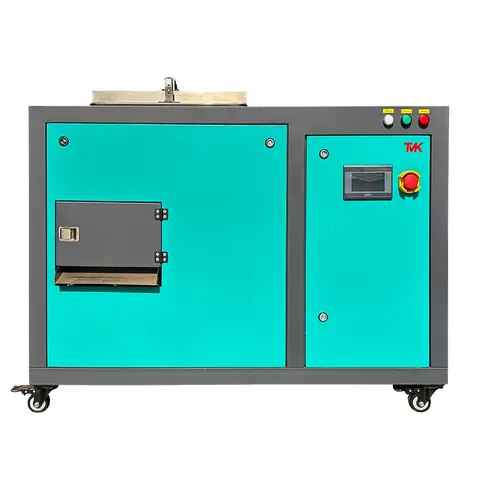
TMK-30 Composter
30 kg Per Day Commercial Food Composter for Small Kitchens
View specifications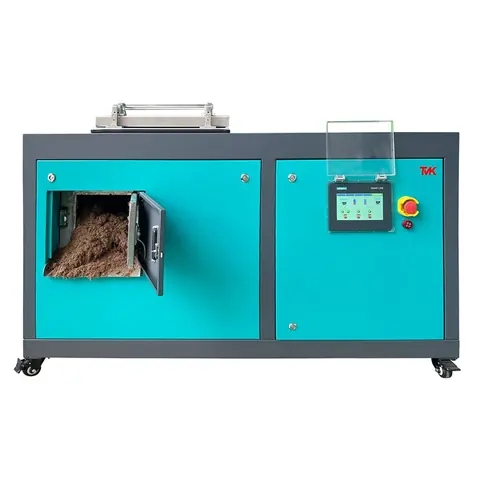
TMK-100 Composter
100 kg Per Day Electric Food Waste Composter
View specifications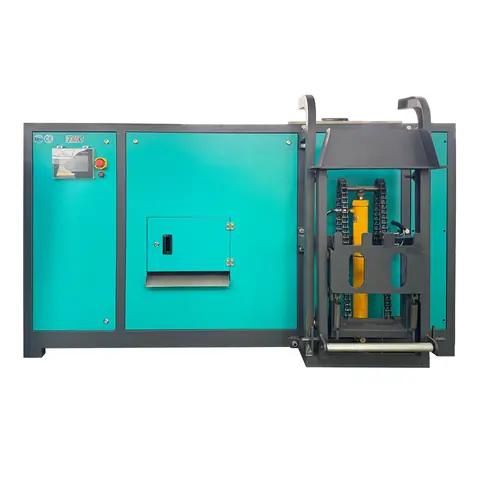
TMK-200 Composter
200 kg Per Day Kitchen Waste Composter for Commercial Kitchens
View specificationsRelated Industries and Solutions
Questions From This Guide
Is on-site composting better than a collection partnership
On-site processing removes the collection leg and the storage period. A collection partnership still diverts waste from landfill but keeps both.
How much volume reduction can a restaurant expect
Up to 90 percent, leaving a reusable end product.
What size machine does a single restaurant need
Usually between 30 kg and 100 kg per day. Weigh a normal day of separated organics to be sure.
Have a Specific Site in Mind
Send your daily organic waste weight and your power supply. We will come back with the model, the footprint and the lead time.