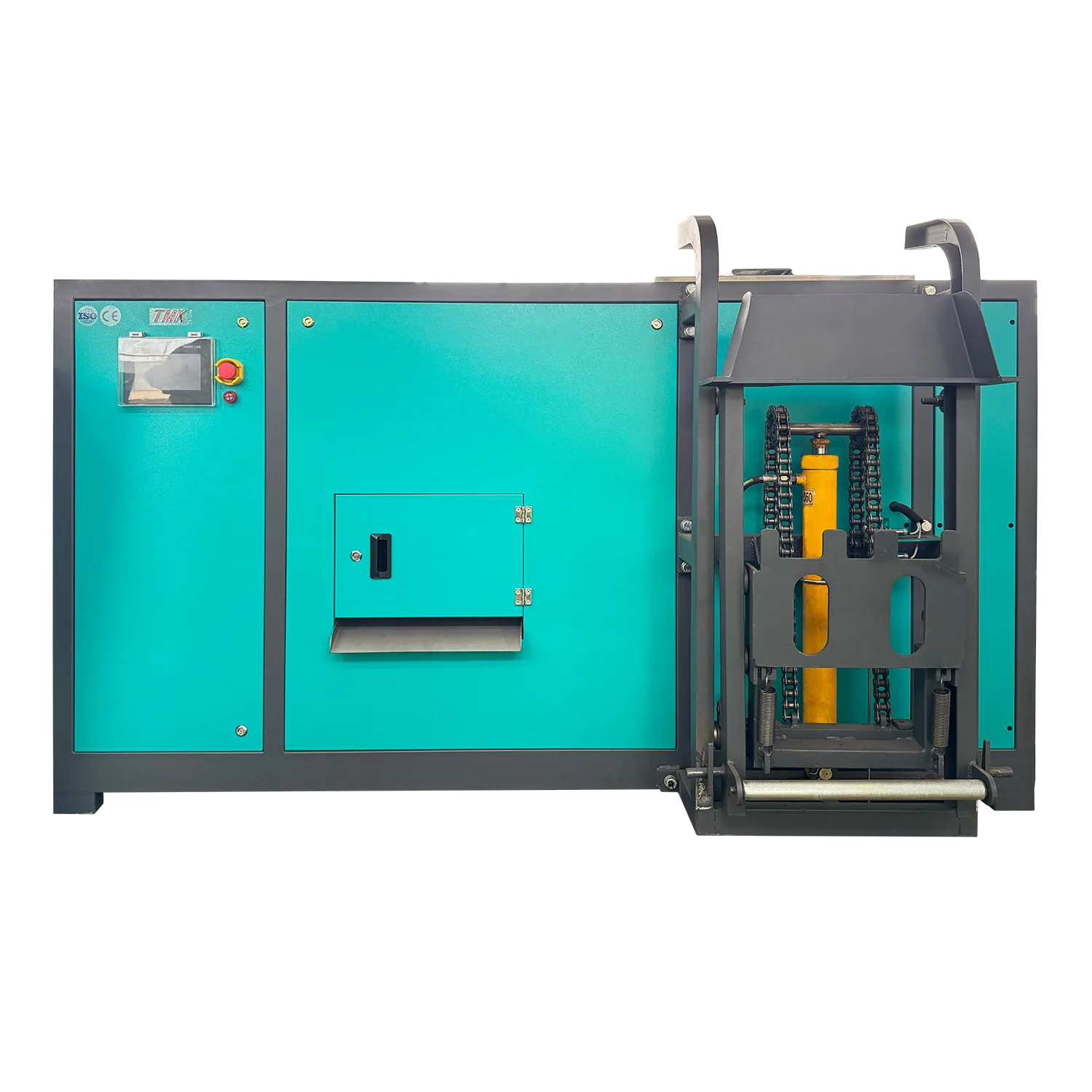
Commercial Composting Solutions for Restaurants and Foodservice Businesses
Sustainability in foodservice has moved from a trend to an expectation. Composting is one of the few sustainability measures that also reduces an operating cost.
Start With Separation Not Equipment
A mixed bin cannot be composted. Set up separation at the point of scraping, with a dedicated organics bin and clear signage, before any machine arrives. Contamination with plastics, metals and glass impedes the composting process and degrades the quality of the final product, and no equipment setting fixes it.
Size on the Peak Day
Weigh separated organics across a full normal week, including the busiest service. Size on that peak rather than the average, because a busy night is what backs a machine up. If the number sits between two models, take the larger one: the machines accept continuous feed, so spare capacity absorbs a peak instead of pushing waste back into the bin room.
Related machine: TMK-300 Composter — 300 kg Per Day Waste Decomposer Machine for Commercial Sites at 300 kg/day.
Fit It Into the Kitchen Workflow
The machine belongs where scraping happens, which usually means the wash-up area, a storeroom or a covered bin area. Check power supply first: the TMK-30 and TMK-50 run on AC220V, while the TMK-100 and above need AC380V three phase. Check ventilation too, since smaller models need a vent to outside or a connection to a suitable waste pipe.
Decide Where the Compost Goes
Compost with no destination is just a smaller waste problem. Pick the route before commissioning: your own landscaping, a local grower, an agricultural offtake, or sale. The fertilizer produced is described as 100 percent organic and can be sold to farms.
Measure and Report
Record input weight and residual weight. The difference is your diverted tonnage, and it is the number that supports both the cost case internally and any sustainability claim externally. Many cities now offer incentives for composting, and a measured figure is what qualifies for them.
Machines Mentioned in This Guide
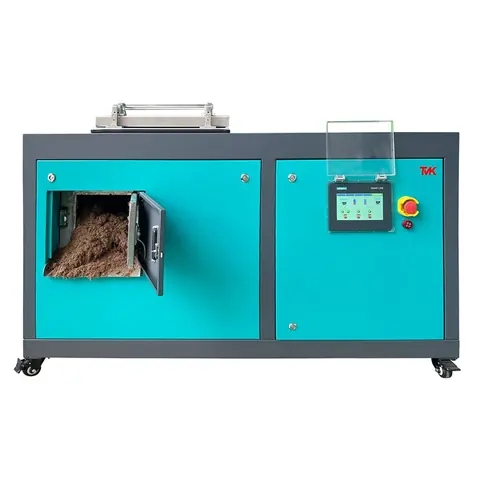
TMK-100 Composter
100 kg Per Day Electric Food Waste Composter
View specifications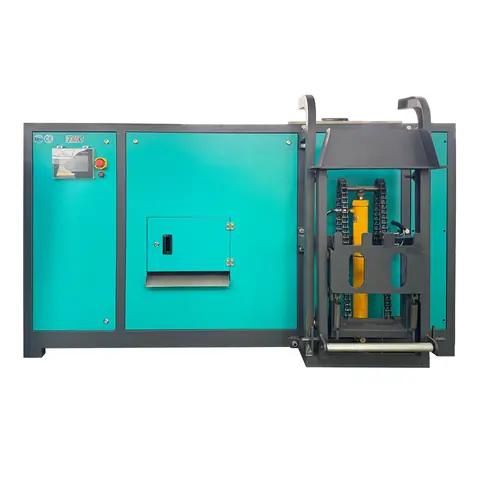
TMK-200 Composter
200 kg Per Day Kitchen Waste Composter for Commercial Kitchens
View specifications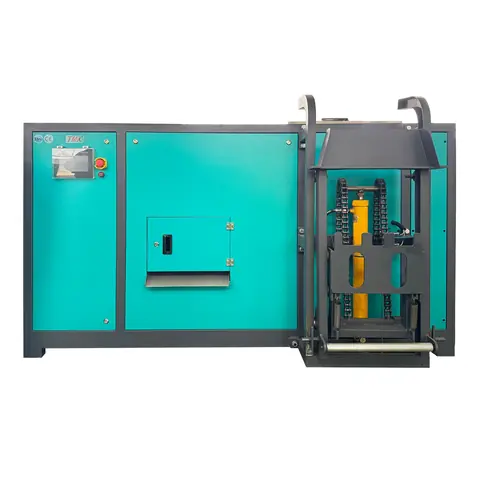
TMK-300 Composter
300 kg Per Day Waste Decomposer Machine for Commercial Sites
View specificationsRelated Industries and Solutions
Questions From This Guide
What should be done first
Source separation. It determines whether everything downstream works.
Should we oversize or undersize
Oversize slightly. Spare capacity absorbs a peak service, and the cost gap between adjacent models is usually small next to an extra collection.
What power supply do we need
AC220V for the TMK-10, TMK-30 and TMK-50. AC380V three phase from the TMK-100 upward.
Have a Specific Site in Mind
Send your daily organic waste weight and your power supply. We will come back with the model, the footprint and the lead time.