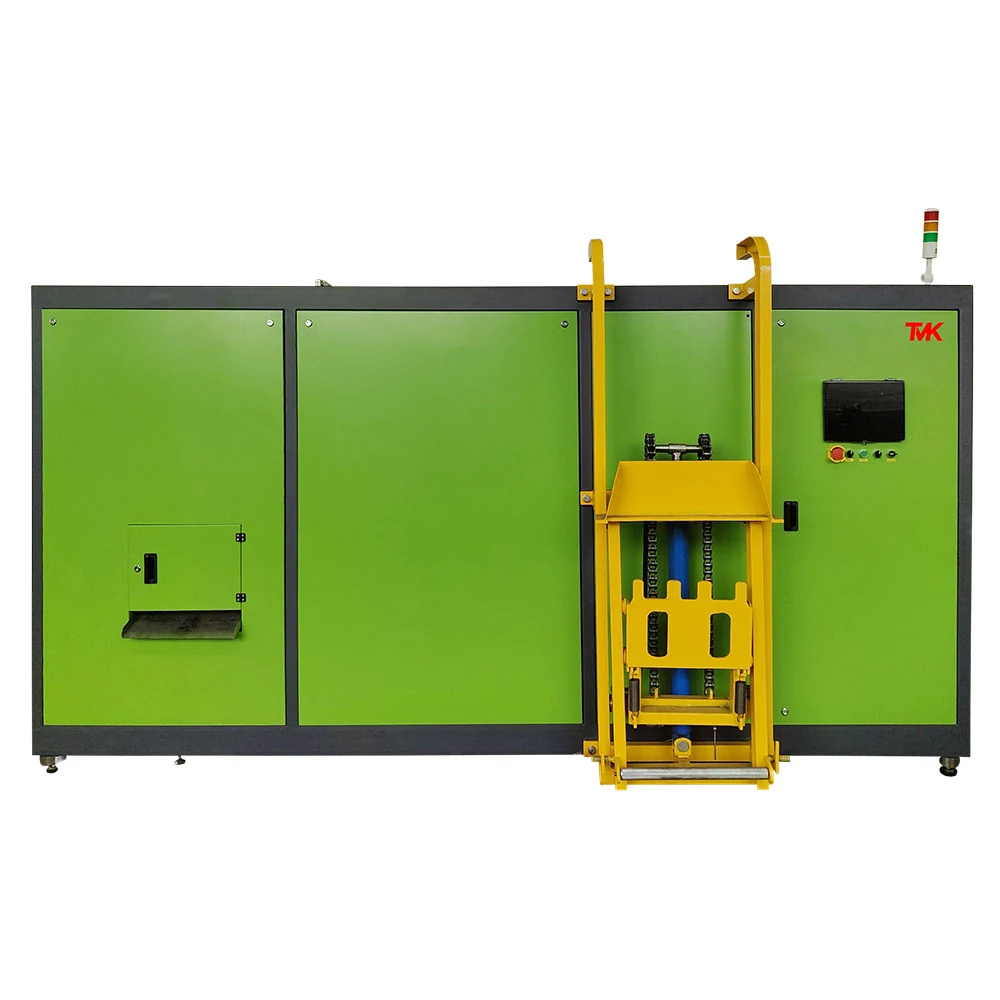
Commercial Composter
Floor standing aerobic composting machines from 10 kg to 5000 kg per day for sites that pay a hauler by the bin.
Every Model in This Range
Ten models sit in this range. The smallest handles a single restaurant kitchen, the largest takes 5 tons a day from a food processing plant. All of them do the same thing: accept separated organic waste continuously, hold the chamber at the temperature aerobic microbes work best at, and discharge dry organic fertilizer within 24 hours.
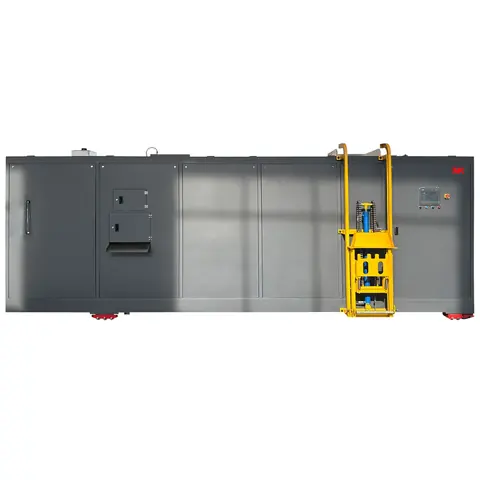
TMK-5000 Composter
5 Ton Per Day Industrial Organic Waste Composter
View specifications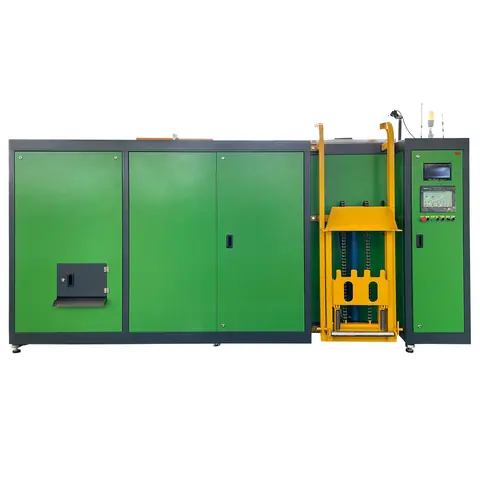
TMK-2000 Composter
2 Ton Per Day On-Site Food Waste Recycling System
View specifications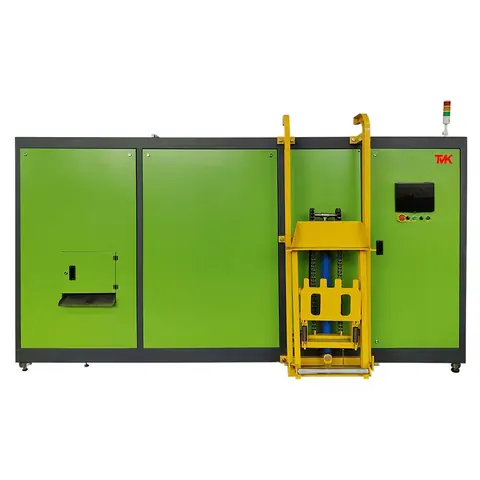
TMK-1000 Composter
1000 kg Per Day Industrial Composting Machine
View specifications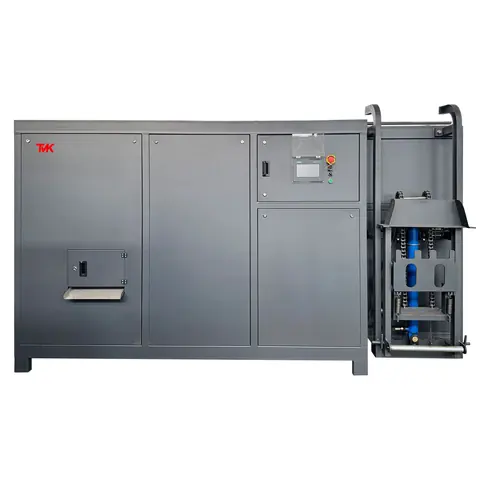
TMK-500 Composter
500 kg Per Day Organic Waste Composter With Built-In Bin Lifter
View specifications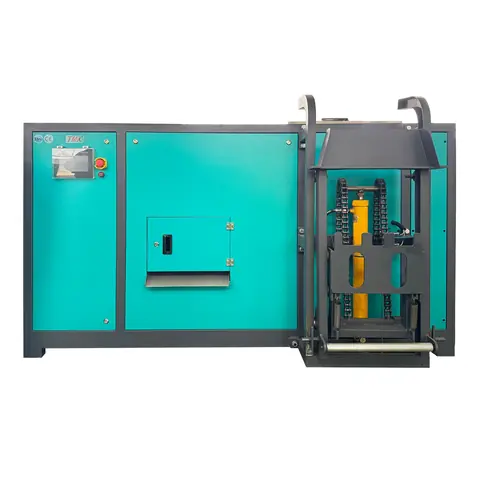
TMK-300 Composter
300 kg Per Day Waste Decomposer Machine for Commercial Sites
View specifications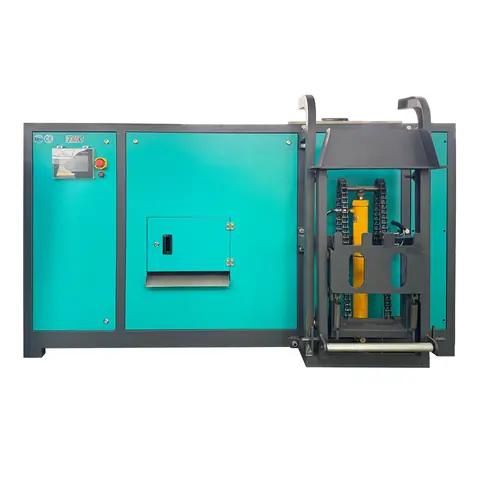
TMK-200 Composter
200 kg Per Day Kitchen Waste Composter for Commercial Kitchens
View specifications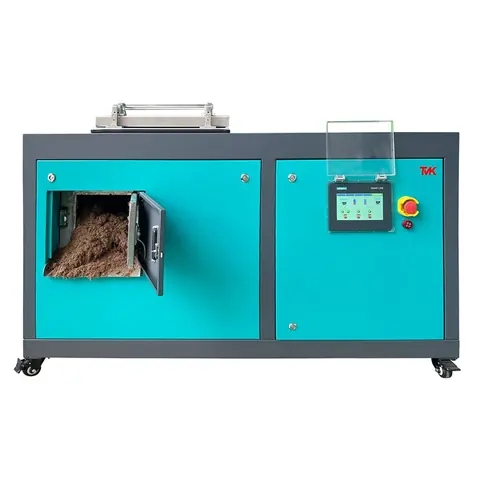
TMK-100 Composter
100 kg Per Day Electric Food Waste Composter
View specifications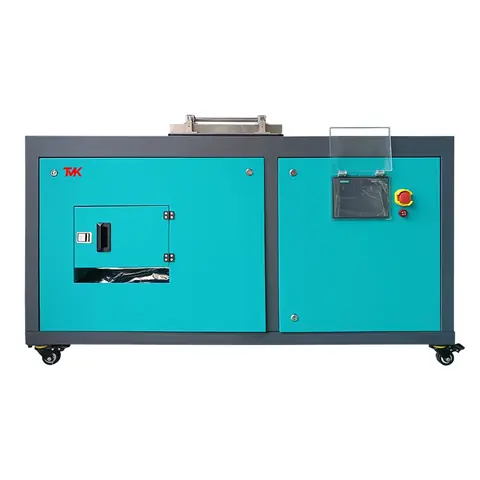
TMK-50 Composter
50 kg Per Day Kitchen Composter on Standard Single Phase Power
View specifications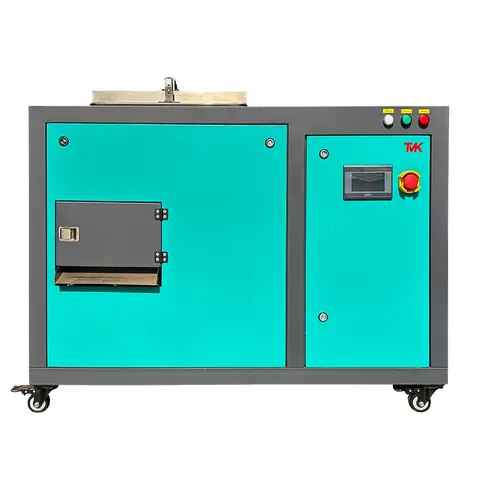
TMK-30 Composter
30 kg Per Day Commercial Food Composter for Small Kitchens
View specifications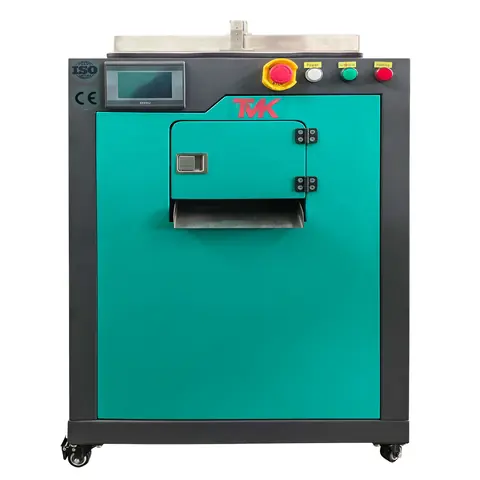
TMK-10 Composter
10 kg Per Day Compact Composter With Automatic Discharge
View specificationsWhat This Range Is For
- Hauling contracts priced per bin move mostly water, because food waste is 70 to 80 percent water
- Wet organic waste held over a weekend turns anaerobic and brings odour, flies and rodents into the back of house
- Traditional composting takes months and needs open ground that a commercial site does not have
- Landfilled organics decompose anaerobically and produce methane, which sits badly against a published sustainability target
- Waste transport to an off-site facility carries its own fuel cost and CO2 emissions
Who Buys It
- Restaurants, canteens and catering kitchens producing separated food waste daily
- Hotels, resorts and shopping centres with multiple food outlets under one roof
- Schools, universities and company canteens serving fixed meal cycles
- Hospitals and healthcare sites that need pathogen free handling of food residue
- Municipalities, residential complexes and event organisers managing community organics
- Food processing plants and maritime and port operations generating waste by the ton
What You Get With This Range
Composting chamber, shaft and mixing blades in SS-304 for a long service life in a wet warm chamber
PLC control with HMI touch screen, overload function and emergency stop on the commercial models
WiFi and touch screen control on the 100 kg and larger models
Bin lifter and automatic door opener available on the larger commercial models for 120 and 240 litre wheelie bins
No crushing or grinding stage, so the machine runs quietly for a back of house position
Microbes are topped up every 3 to 6 months rather than dosed with every batch
Where These Machines Are Installed
Wash-up area of a hotel kitchen, taking separated scraps across the whole service day
Loading dock of a supermarket, handling trim and expired fresh produce
Central plant room of a shopping centre, collecting from several food court tenants
Waste yard of a food processing plant, running as a continuous line
Sectors Running This Range
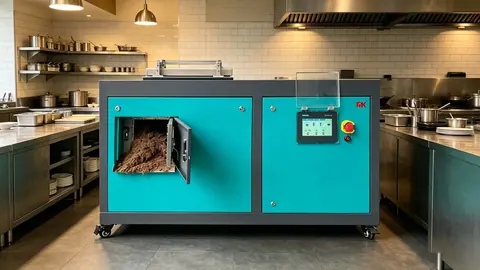
Restaurants and Catering
Over-ordering, spoilage and plate waste are persistent in commercial kitchens, and nearly one third of all food produced globally ...
See the fitHotels and Resorts
A hotel runs several kitchens, a banqueting operation and a landscaping team on the same site. That is an unusual position: the wa...
See the fitSchools and Canteens
A canteen is the easiest case to size, because the volume repeats. Meals are served on a timetable, plate waste lands in a window ...
See the fit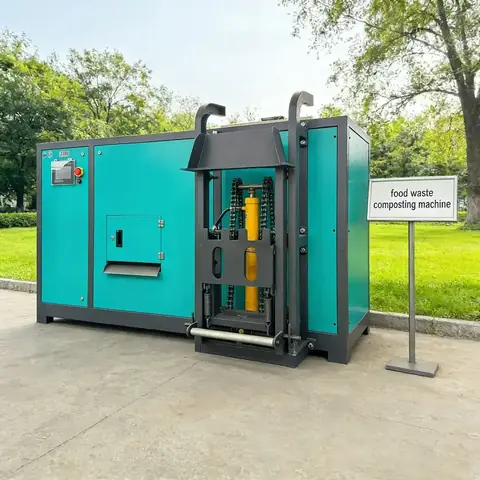
Hospitals and Healthcare
Hospital catering runs every day of the year and food waste cannot sit around. The reason an enclosed aerobic machine fits here is...
See the fitSupermarkets and Food Retail
Retail organic waste is different from restaurant waste. It is not plate scrapings, it is trim from the produce department and sto...
See the fitMunicipalities and Communities
Organics remain the largest single component of municipal solid waste. Handling them near where they are generated removes a trans...
See the fitFood Processing Industry
At plant scale the waste stream is consistent in composition and enormous in volume. That is the easiest case for a machine to han...
See the fitQuestions About the Commercial Composter Range
How do I pick the right capacity
Weigh the separated organic waste your site produces on an average day, then choose the model at or just above that figure. Capacity is stated per day, and the machines take a continuous feed, so you do not have to load it all at once.
What power supply do the commercial models need
The 10 kg, 30 kg and 50 kg models run on AC220V. From 100 kg upward the machines are specified at AC380V 60Hz, with connected load rising from 3 KW on the TMK-100 to 25 KW on the TMK-5000. Each product page lists the exact figure.
Does the machine need sawdust or a bulking agent with every load
No. TMK machines do not require additions of sawdust or a fresh dose of microorganisms for each load. Micro-organism is added every 3 to 6 months on the commercial range.
What can go in and what must stay out
In: vegetable leaves, leftovers, vegetable peel, fish, meat, shrimp and crab shells, egg shells, small bones, bread and coffee grounds. Out: plastic products, metals, ceramics, fuel oil, solvents, large wood, large animal bones, cloth and any hazardous waste.
How often is compost harvested
It depends on the model. The larger machines with an automatic discharge device move by-product out continuously, while a small unit such as the TMK-30 is harvested every 10 to 14 days.
Is there a warranty
A 3 year factory warranty is stated for the commercial range. Confirm the terms that apply to your model and destination country before you place the order.
Tell Us Your Daily Volume
Send the weight of separated organic waste your site produces on its busiest day. We will confirm the model, the power supply it needs and the delivered footprint.