
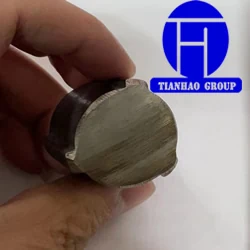
Splined Shaft Profiles
Splined sections in quenched and carbon steels for agricultural power transmissions
What Splined Shaft Profiles Is and Who It Is For
Special profiles for splined shafts are used in universal joints and agricultural power transmissions, made in quenched steels and carbon steels. The spline form is produced in the profile itself, so the shaft arrives with the drive geometry already on it instead of being hobbed or broached from round bar.
Key Benefits
- Drive geometry formed in the profile rather than cut afterwards
- Quenched grades available where the joint sees shock loading
- Long lengths cut down to several shafts from one bar
- Consistent spline form along the whole length of the drawn bar
| Typical materials | quenched steels and carbon steels |
|---|---|
| Cross section | to customer drawing |
| Cold drawn size tolerance | < 0.05 mm |
| Cold drawn straightness | < 0.1 mm/m |
| Length | up to 6 m or cut to fixed length |
Who It Is For
- Agricultural driveline manufacturers
- Universal joint and PTO shaft makers
- Repair and spare part suppliers for implement drives
Problems It Solves
- Broaching or hobbing splines from round bar is slow and expensive
- Cut splines vary between batches and bind in the mating tube
- Welded drive adapters fail under shock loads in field service
Technical Features
- Spline form drawn into the section
- Quenched steels and carbon steels
- Male and female sections to the same drawing set
- Cut to driveline length
Where Splined Shaft Profiles Is Used
Splined shafts in universal joints
Splined shafts in universal joints
Agricultural power transmission shafts
Agricultural power transmission shafts
Telescopic drive shafts in implement drivelines
Telescopic drive shafts in implement drivelines
Materials
- Quenched steel
- Carbon steel
Quality Control
- Male and female sections fit checked together
- Straightness verified before cutting
- Sample released for buyer inspection and testing
Customization Options
- Spline form to your drawing
- Matching male and female sections
- Quenched or as drawn condition
How We Make It
Spline drawing review
Die design for the spline
Die design for the spline form
Cold drawing
Straightening
Cut
Cut to length
Fit check against the mating
Fit check against the mating section
How It Compares
A drawn splined profile removes the spline cutting operation completely, while a machined spline stays the better route for one-off shafts or for splines that must be cut onto an existing forging.
Use Guide
- Supply both mating sections on one drawing so the fit is defined
- State the torque and whether the joint sees shock loads
- Confirm the cut length and any end preparation
Often Ordered Together
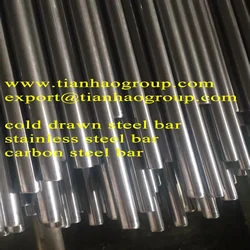
Cold Drawn Special Profiles
Drawn sections held below 0.05 mm on size with a Ra under 2.5 um surface
View details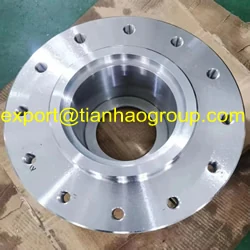
Agricultural Beater Bar Profiles
Hot rolled beater bars ploughshare sections and h9 flats for farm machinery
View details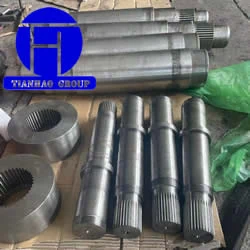
Forged Step Shafts
Stepped shafts gear shafts and spline gear shafts forged in alloy steel
View detailsWhere To Read More
Questions Buyers Ask About Splined Shaft Profiles
Can you supply the mating female section as well?
Yes, male and female sections are drawn to the same drawing set and fit checked together.
Which materials are used for splined profiles?
Quenched steels and carbon steels, chosen from the transmission loading.
Are these profiles suitable for agricultural PTO drives?
Yes, they are used for splined shafts in universal joints and agricultural power transmissions.
Get a Quote for Splined Shaft Profiles
Send the drawing, the quantity and the delivery condition you need. We reply with price, lead time and a sample plan.