
How to Specify a Private Label Baby Bottle
The eight decisions that fix cost, lead time and complaint rate on a private-label baby bottle: material, neck, valve, teat flow, packaging and test scope.
Start with the neck, not the shape
The neck diameter decides which teats, collars and breast pump adapters fit the bottle for the rest of its life. Wide-neck is easier to fill and clean and takes a wider teat base; standard-neck is cheaper per unit and packs more tightly. Whichever you choose, it constrains every accessory you sell afterwards, so decide it before you look at the silhouette.
Material follows how it will be cleaned
PP is the volume material for feeding items: light, food-contact grade and cheap to mould. Where a buyer wants glass clarity or full sterilising tolerance, the tooling and the freight both change. Check the cleaning instruction you intend to print before you fix the material, because a dishwasher-safe part and a steam-sterilisable part are not the same part.
The valve is where complaints come from
Colic valves and anti-leak seals are the two parts that generate returns. A silicone seal is specified for elasticity, not hardness, and it must be checked at assembly rather than after packing. Ask any supplier at which inspection stage the seal is verified; if the answer is only pre-shipment, faults are being caught after they are expensive.
Teat flow rates are a range decision
One bottle usually means three or four teat flow rates across the age range. Decide early whether the flow rates are sold in the box or as accessories, because it changes the colour box dieline and the carton quantity.
Packaging is quoted with the product
Colour box for retail shelf presence, OPP bag where cost matters more. We supply the dieline and you supply print-ready artwork including your barcode. Getting the dieline before the artwork saves a full revision cycle.
Fix the test scope with the market
Test scope for a feeding item is set by the destination market. Confirm the market before you request a quote, so the certificate work is priced into the first order rather than discovered during customs clearance.
Sign a golden sample
A signed golden sample is what the QC team inspects against at all five stages. It is also the only reference that settles a dispute about a later batch, which is why both sides sign it.
Products This Guide Applies To
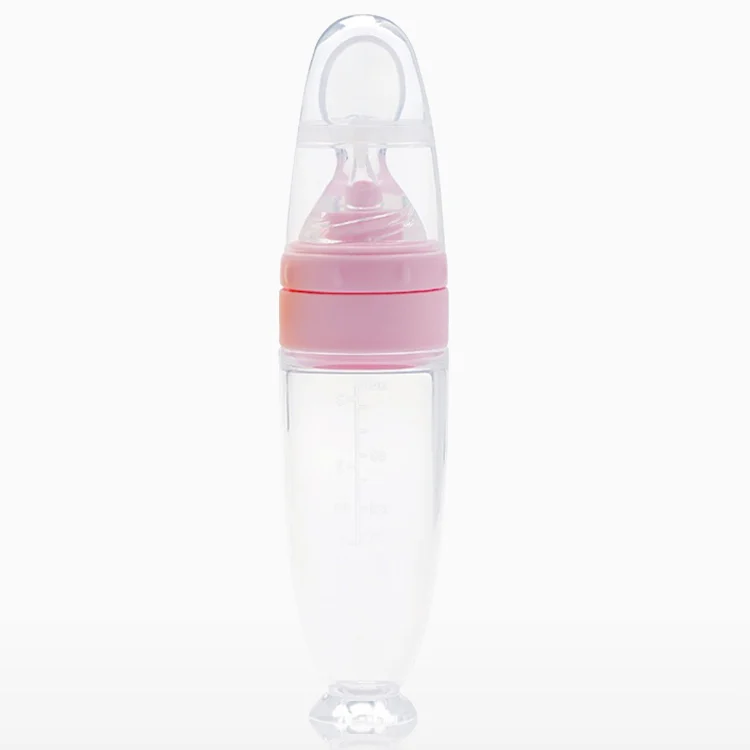
Soft Silicone Tip Squeeze Baby Spoon Bottle Feeder with Standing Base
Model BDS-22Y003
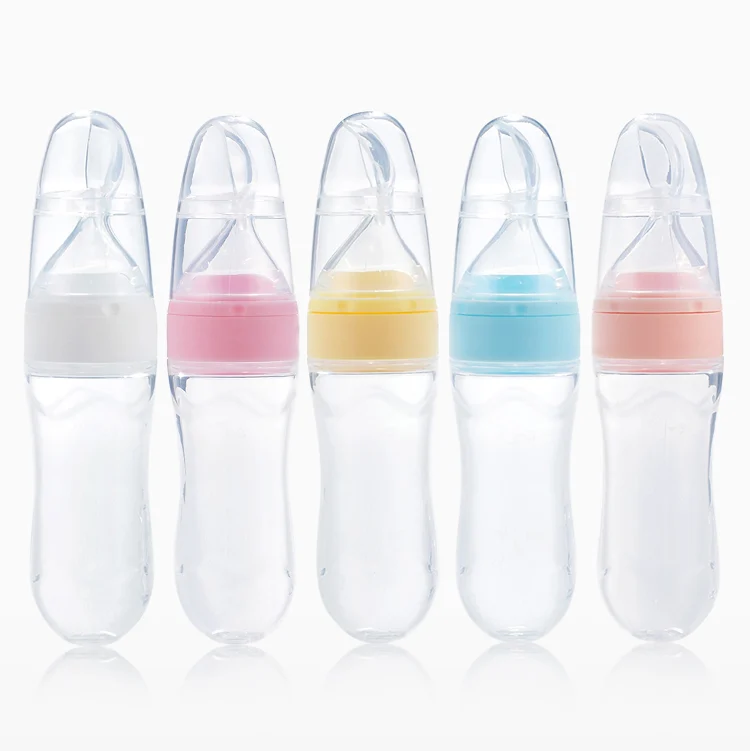
90ml 3 oz Baby Silicone Bottle Squeeze Feeder with Spoon
Model FD-22Y008
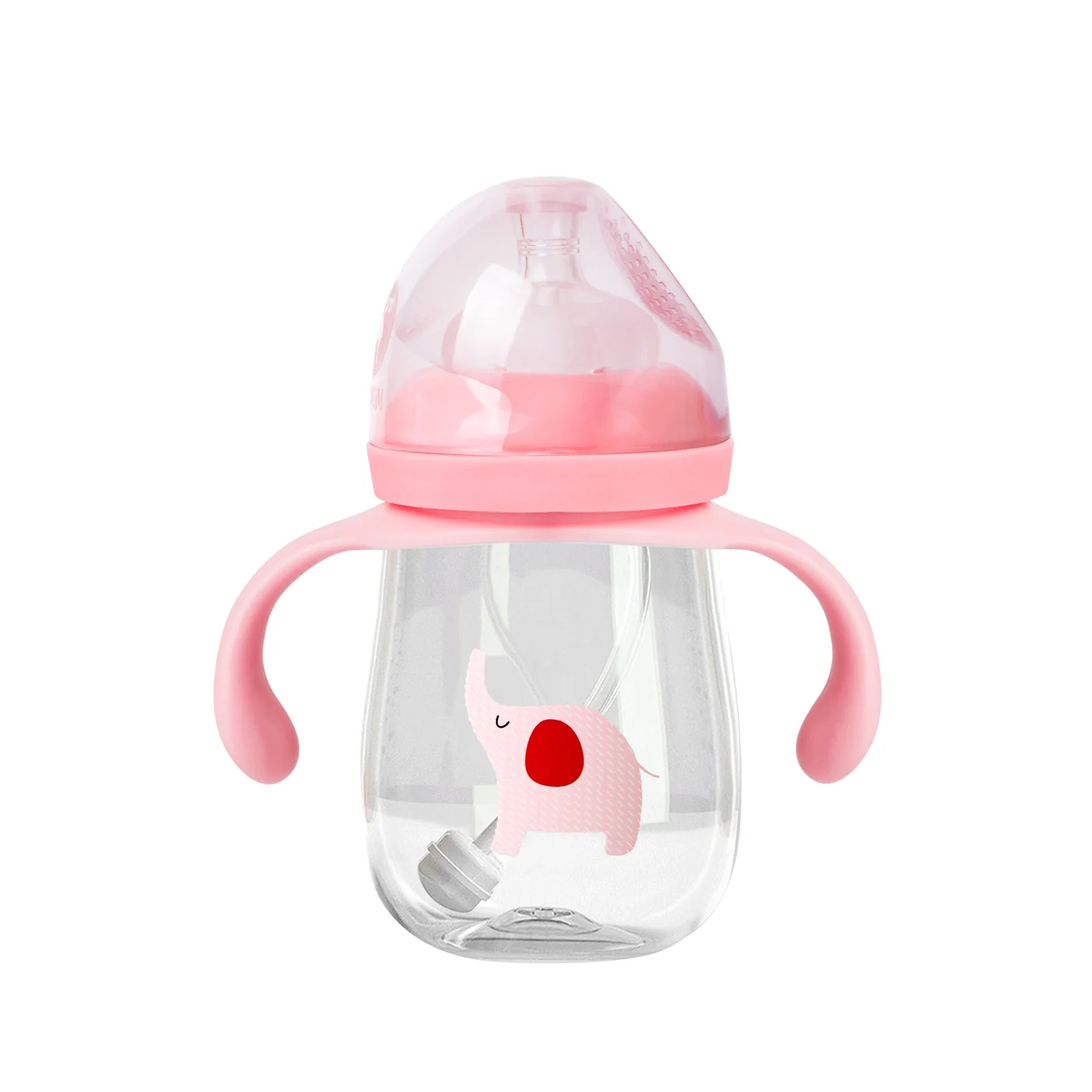
2-in-1 Plastic Baby Milk Water Feeding Bottles with Handle
Model FD-20Y020
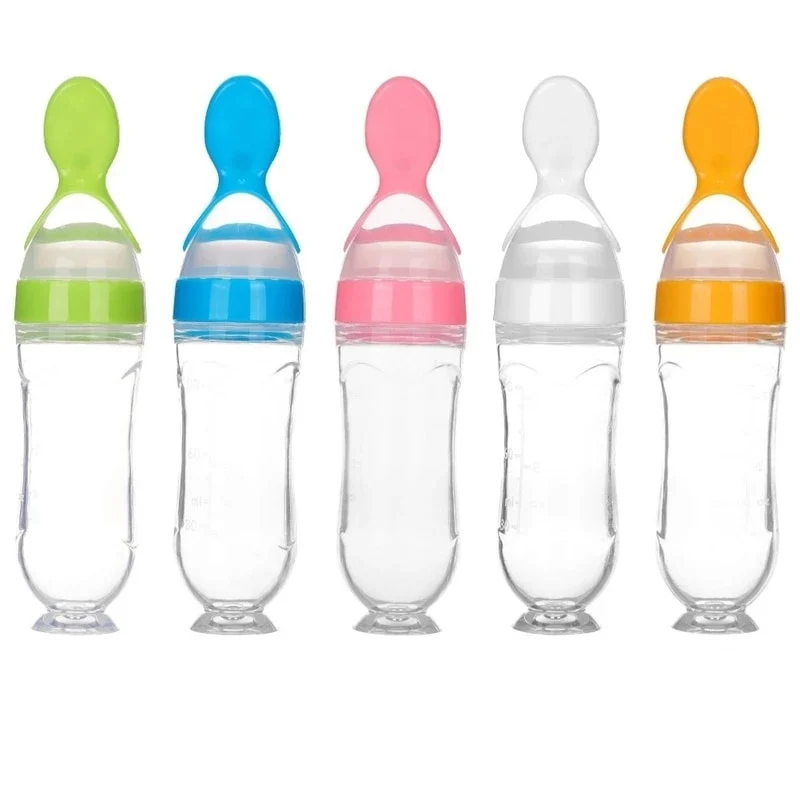
Silicone Feeding Bottle Squeeze Baby Food Feeder With Suction Cup
Model KNC-20Y074S
Other Guides for Buyers
Choosing Between Manual and Electric Breast Pumps
Read →Material GuideMuslin Cotton Versus Jersey for Baby Bedding
Read →Process GuideWhat Five Stage Inspection Actually Checks
Read →Buying GuideMOQ Lead Time and Payment Terms Explained
Read →Design GuideDesigning Out Leaks in Baby Feeding Products
Read →Product GuideBuilding a Baby Safety Range for Retail
Read →Buying GuidePackaging Choices Colour Box Versus OPP Bag
Read →Questions on This Topic
How long does a private-label bottle take to produce?
30 days is the standard lead time on tooled SKUs, counted from approved artwork and a signed sample.
Can we start with a small quantity?
Yes. MOQ is flexible and we accept low first quantities under your own brand.
Do we need our own tooling?
Not for OEM. Existing tooling covers the range; tooling cost only applies when you want your own geometry under ODM.
Which certification does a bottle need?
It depends on the destination market. Tell us where you sell and we will confirm what exists for the SKU and what has to be run. TBC per market.
Ask a Specification Question
Send the SKU or the spec you are trying to settle and we will answer it directly.