
Designing Out Leaks in Baby Feeding Products
Where leaks come from in bottles, food storage and formula containers, and which design and inspection choices remove them before they reach a review.
A leak is a design decision, not an accident
Almost every leak in a feeding product traces to the same choice: sealing plastic against plastic to save the cost of a gasket. Two moulded surfaces never mate perfectly, and the gap grows as the thread wears. A silicone seal chosen for elasticity rather than hardness closes that gap for the life of the product.
Threads and gaskets have to be designed together
A gasket only works if the thread compresses it consistently. Too little compression and it seals when new and leaks after fifty closes; too much and the lid becomes hard for a tired parent to open one-handed. This is why the seal belongs in the 3D drawing review, not in a later cost-down.
Powder and liquid fail differently
A liquid leak is obvious immediately. A powder leak is slower: moisture gets in, the powder cakes, and the customer blames the formula before blaming the container. Airtight sealing on a formula container is protecting freshness as much as it is preventing spillage.
Check the seal at assembly, not at packing
Assembly is the last stage at which a sealing fault is cheap to fix. If a supplier only verifies seals at pre-shipment, faults are being found after the units are built and boxed.
Write the closing instruction on the pack
Many field leaks are user error: the lid was not closed until the gasket compressed. A one-line closing instruction on the packaging removes a share of complaints at almost no cost.
Products This Guide Applies To
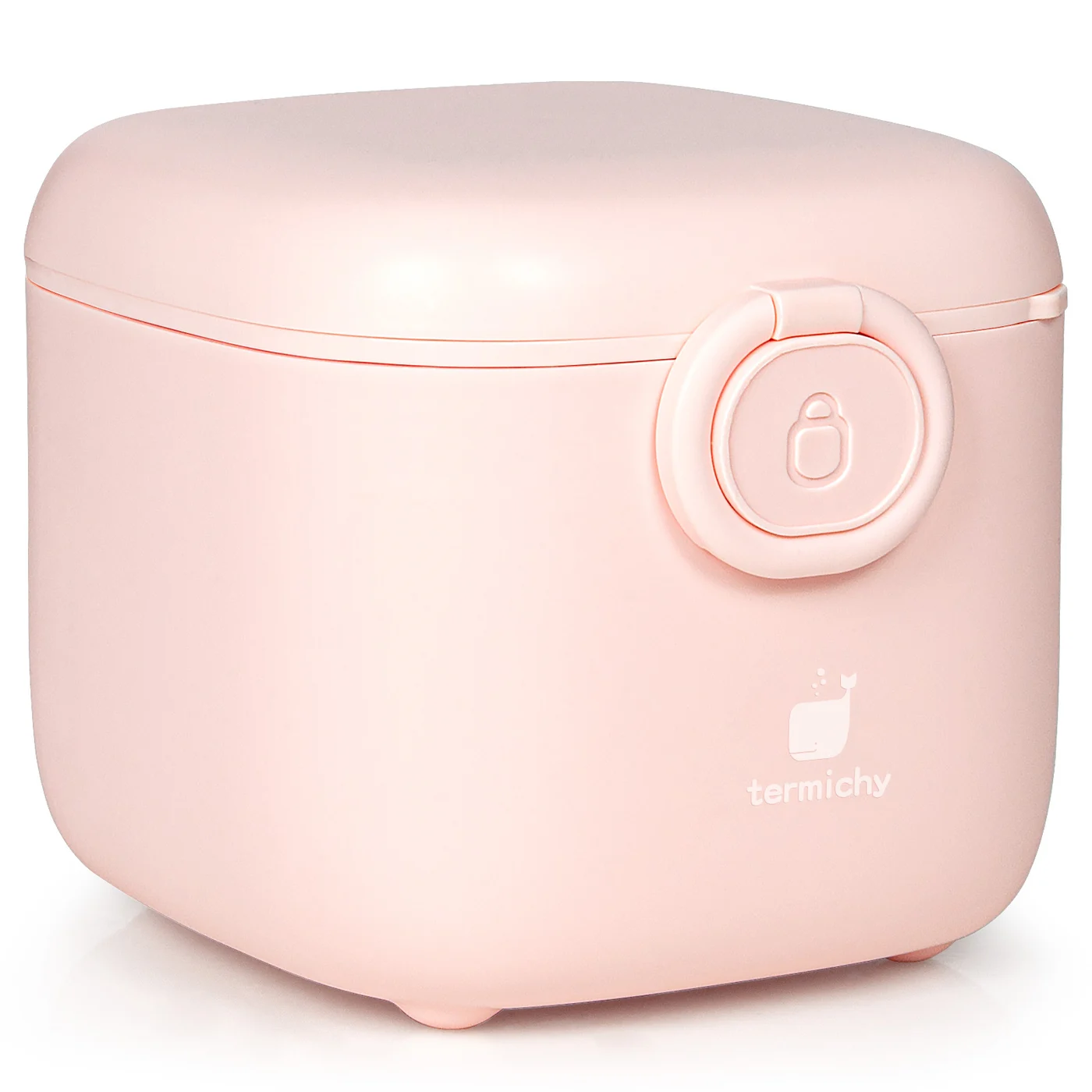
400g Leak-Proof Portable Formula Dispenser Container
Model FD-23Y002
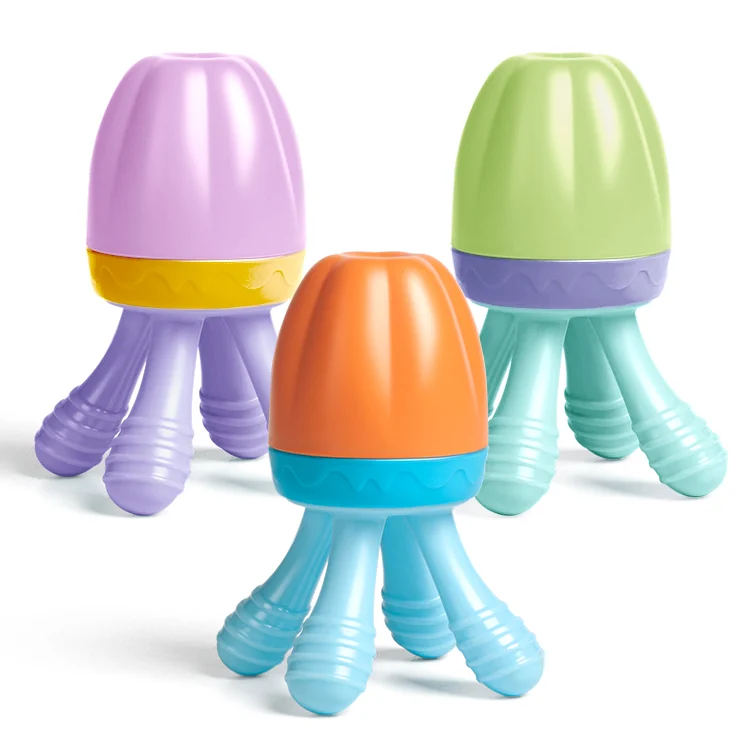
Teething Relief Training Infant Fresh Food Feeding Fruit Pacifier Feeder
Model FD-23Y001
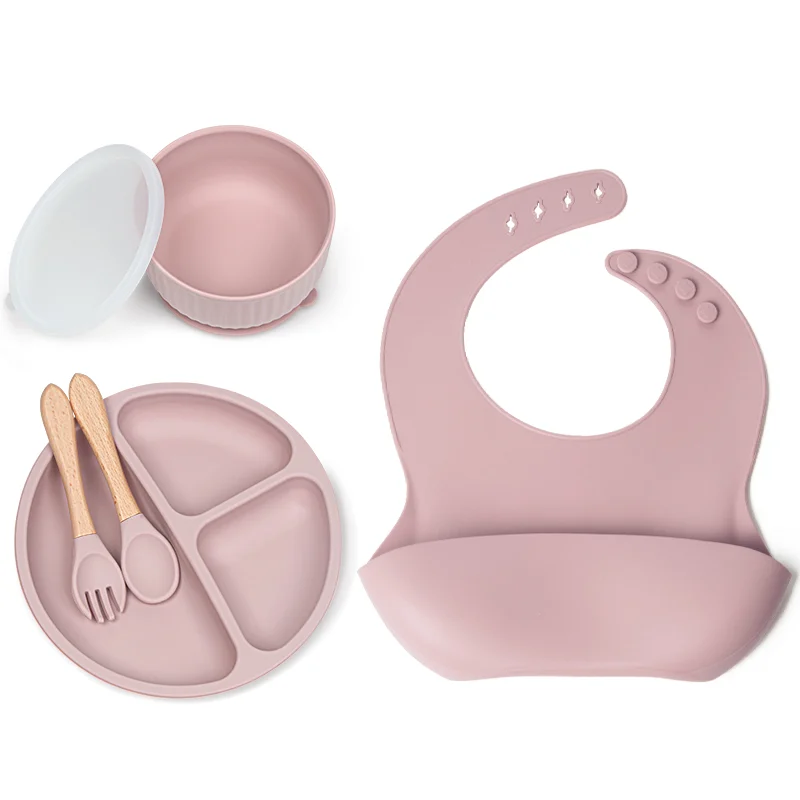
Silicone Baby Bib Bowl Plate Spoon
Model FD-22Y011
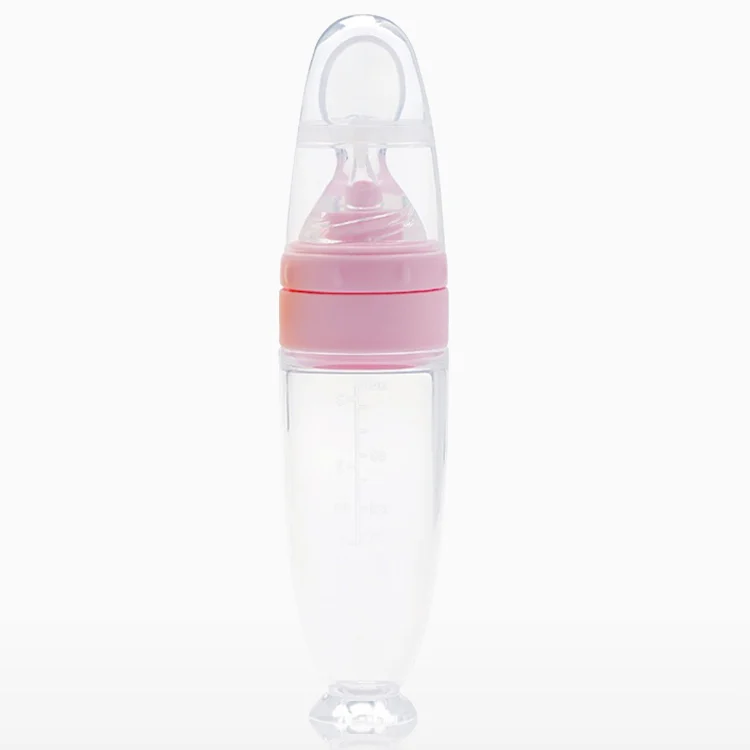
Soft Silicone Tip Squeeze Baby Spoon Bottle Feeder with Standing Base
Model BDS-22Y003
Other Guides for Buyers
How to Specify a Private Label Baby Bottle
Read →ComparisonChoosing Between Manual and Electric Breast Pumps
Read →Material GuideMuslin Cotton Versus Jersey for Baby Bedding
Read →Process GuideWhat Five Stage Inspection Actually Checks
Read →Buying GuideMOQ Lead Time and Payment Terms Explained
Read →Product GuideBuilding a Baby Safety Range for Retail
Read →Buying GuidePackaging Choices Colour Box Versus OPP Bag
Read →Questions on This Topic
Which products in the range use a silicone seal?
Sealed feeding and storage items list the seal in their specification. Check the individual product page, where the specification is reproduced from the source data.
Can we change the seal material on an OEM order?
Material changes are possible but affect tooling fit and testing. Raise it with the quote so it is engineered rather than substituted.
At which stage do you inspect seals?
At assembly, and again in the pre-shipment sample drawn by QC staff.
Can these products be sterilised?
It depends on the SKU. Several PP items are dishwasher safe but must not be boiled or steam sterilised. The limit is stated on each product page where the source data gives one.
Ask a Specification Question
Send the SKU or the spec you are trying to settle and we will answer it directly.