
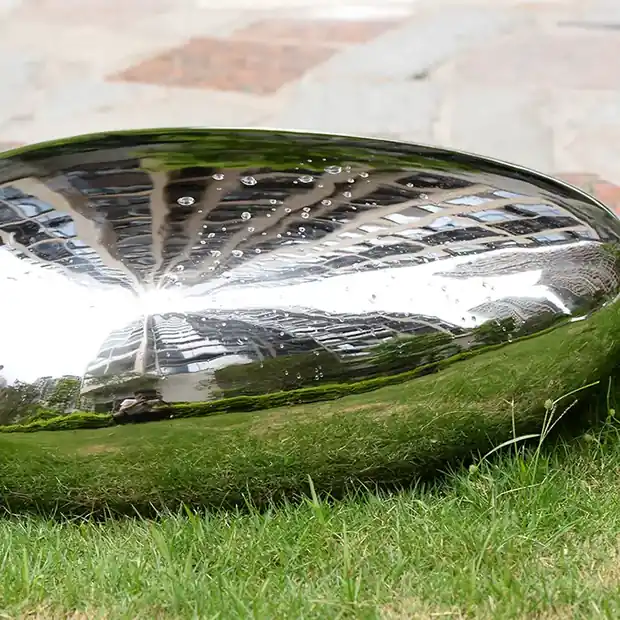
Stainless Steel Pebbles
Stainless steel pebbles are forged from 304 stainless steel into smooth rounded forms and polished to a mirror...
View Details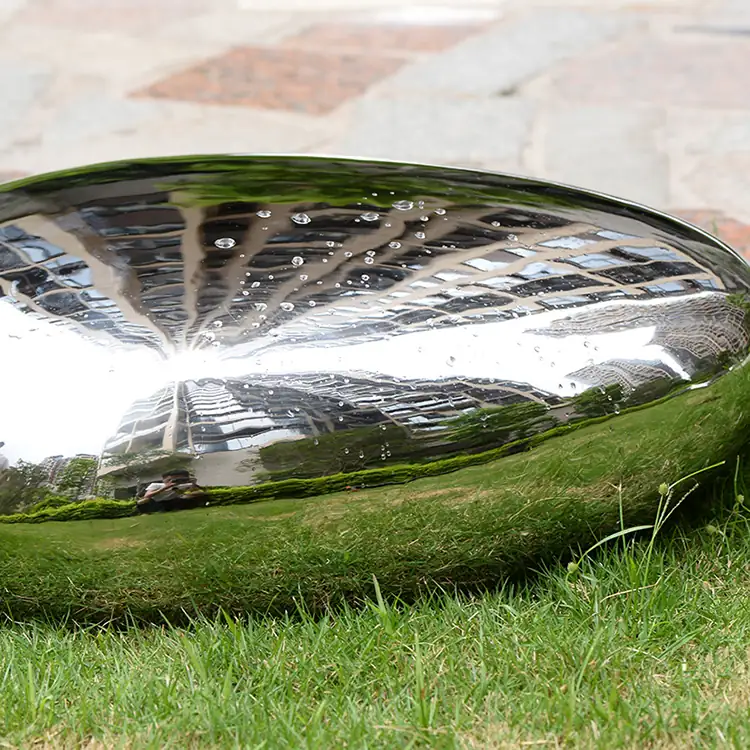
304 stainless steel is chosen for outdoor sculpture because it resists rust in typical urban and suburban environments. It maintains structural integrity when exposed to rain, humidity, and temperature changes, and it does not corrode when in contact with soil or plant roots near the base. The material is suitable for public spaces, parks, and building exteriors where long-term visual consistency is required.
A hollow forged body uses less material than a solid casting, which reduces overall weight without sacrificing shape stability. This allows larger sculptures to be built without requiring extra structural support in the foundation or mounting. The forging process shapes the plate by hand, preserving the material's grain and strength while enabling complex curves and forms.
Mirror polished 304 stainless steel develops a soft patina over time when exposed to the elements, which changes the reflectivity but not the material integrity. Brushed satin finish reduces glare and hides minor surface marks. Colour electroplating and baked lacquer are applied over the polished surface and may require maintenance over time in high-exposure areas. The finish choice affects how the sculpture ages and how it interacts with light.
In coastal areas with high salt content in the air, 304 stainless steel may show surface spotting over time. Buyers in such locations should raise the question of a higher grade with the workshop before finalising the design. The decision is based on environmental exposure, not on a standard timeline or test result, and must be made early in the project.
304 stainless steel is suitable for fountains and wet zones where it is continuously submerged or splashed. The material does not degrade when in contact with water, and the surface remains stable. However, mineral deposits from water may accumulate on the surface over time, especially in still water. The finish type affects how visible these deposits are.
Stainless steel pebbles are forged from 304 stainless steel into smooth rounded forms and polished to a mirror...
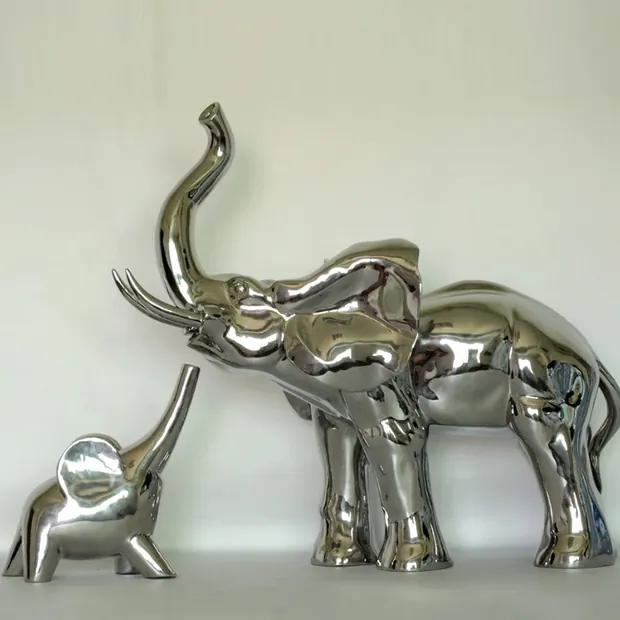
View DetailsThe elephant is a stainless steel animal sculpture crafted from 304 stainless steel with a lifelike form and high...
View Details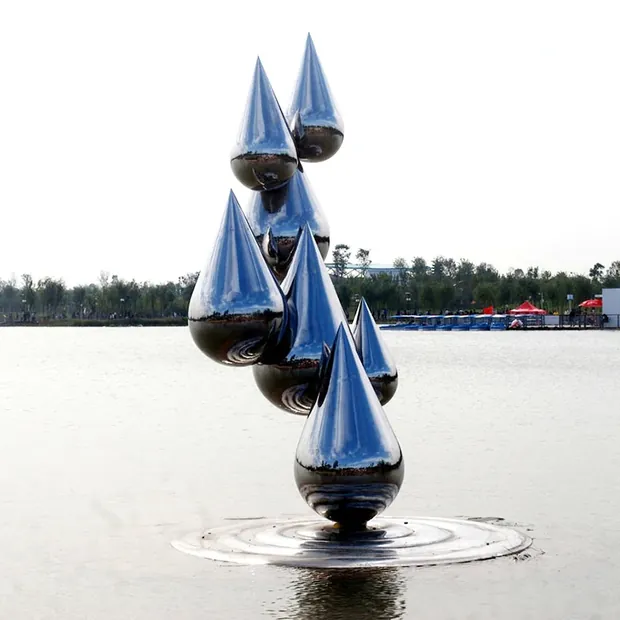
Stainless steel water drop sculptures are forged from 304 stainless steel into smooth, fluid forms that mimic falling...
View DetailsA hollow forged body uses less material, reduces weight, and maintains strength. It allows larger shapes to be built without requiring additional support in the foundation or mounting.
Yes, but it will develop a soft patina over time. The surface remains intact and does not rust, but reflectivity changes. Cleaning can restore the original shine, but it is not permanent.
Yes. 304 stainless steel does not corrode when in contact with soil or plant roots. It is suitable for sculptures placed in garden beds or near landscaping.
In high-salt environments, surface spotting may appear over time. Buyers in coastal areas should discuss higher grades with the workshop before finalising the design.
No. Surface finishes like mirror polish, brushed satin, electroplating, or lacquer are applied during production. Changes must be specified before fabrication begins.
Send the drawing or the reference images and we will tell you what the material and finish choice means for your piece.