
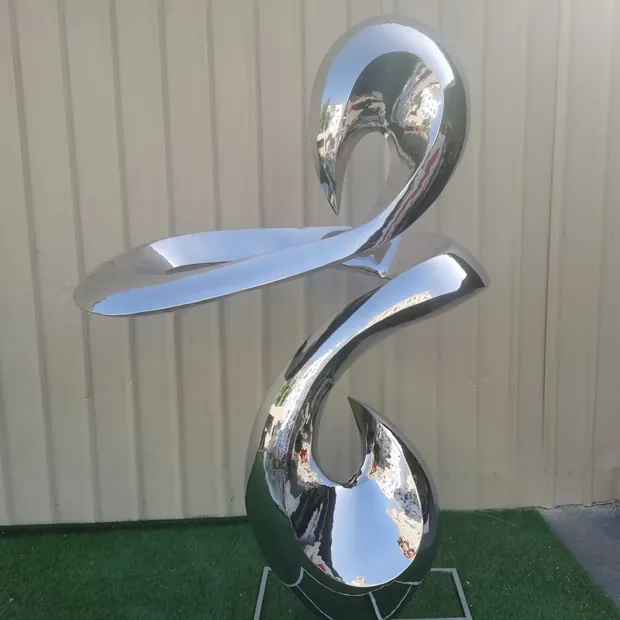
Abstract Sculpture
Abstract sculptures are developed from the exploration of form and conceptual intent, shaped through hand forging and...
View Details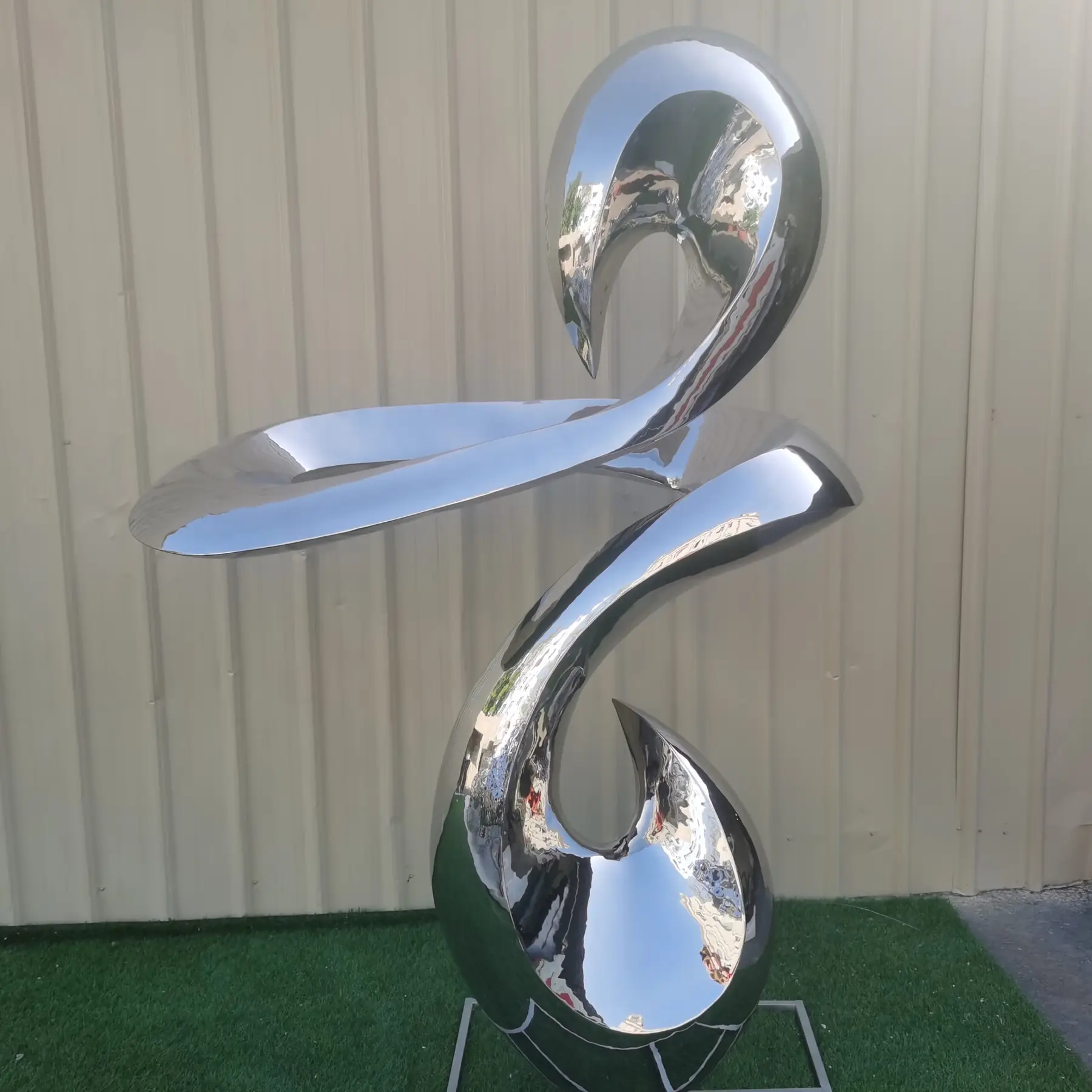
Start with a clear drawing or rendering of the sculpture, including the finished size and any required mounting points. Include site photos showing the wall or location where the piece will be installed, with notes on the wall type, surrounding structure, and mounting height. This gives the workshop the full context to answer the next questions.
The workshop will ask about the wall construction, whether the piece will be indoors or outdoors, the intended viewing angle, and if any structural support is already in place. For large works, they may ask if a scale model is needed to confirm the form before full fabrication.
The quotation includes material, finish, and fabrication complexity. It does not include shipping or site assembly. The workshop confirms the feasibility of the shape, curvature, and height based on the drawing and the material selected.
For large or structurally complex sculptures, a scale model is built first. This confirms the form, balance, and structural logic before the full piece is made. One documented work took more than half a year from model to site installation.
Technicians calculate the forming data for each steel plate. This ensures that each panel fits precisely into the final shape, regardless of curvature or height. The data is used to guide hand forging and plate forming, so the final piece matches the drawing exactly.
Each panel is hand forged and welded into shape. After welding, all joints are ground smooth. This stage is done before any surface finish is applied, so the final surface quality is not affected by welding marks.
The piece is finished with mirror polishing, brushed finish, baked lacquer, or colour electroplating as specified. A sample of the finish is sent for approval before the full piece is completed. This ensures the final colour and texture match the design intent.
For large or multi-part sculptures, a trial assembly is done in the workshop. This checks fit, alignment, and structural stability before shipping. It avoids problems during site assembly and confirms the final form.
The finished piece is wrapped in protective film to prevent scratches. It is then crated using custom wooden crates designed to match the shape and weight. The crate is built to withstand transport and handling.
The crate is shipped to the destination port. On site, the piece is assembled using the pre-built joints and mounting points. The assembly is done by the workshop team or a local installer, depending on the project.
Abstract sculptures are developed from the exploration of form and conceptual intent, shaped through hand forging and...
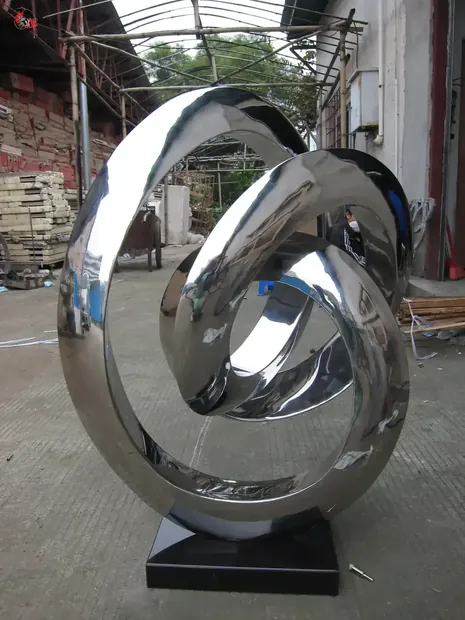
View DetailsRibbon sculpture is an abstract metal artwork formed from 304 stainless steel plate, shaped into flowing, continuous...
View Details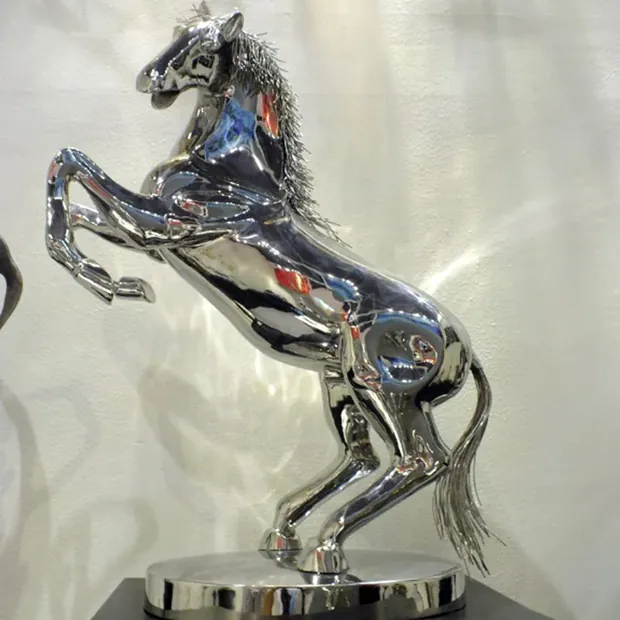
The Horse is a stainless steel desktop art piece forged from 304 stainless steel plate into a stylized horse form. It...
View DetailsYes. The technicians calculate the forming data for each steel plate, so any shape, curvature, or height can be built to the buyer's drawing at any size.
Only for large or complex works. The workshop will recommend a model if the form is difficult to verify from the drawing alone.
A sample of the finish is made and sent for approval before the full piece is completed. This ensures the colour and texture match the design.
Yes. The piece is designed with pre-built joints and mounting points for site assembly. A trial assembly is done in the workshop first to confirm fit.
The workshop will ask for site photos and wall details at the start. If the wall type changes, the fixing method may need to be adjusted before fabrication begins.
Send the drawing or the reference images and we will tell you what the material and finish choice means for your piece.