
Ports and Logistics
Trade settlement weighing of bulk cargo such as grains and ores at bulk terminals, prior to ship loading or truck loading.
Request A QuoteWhat This Industry Actually Struggles With
A settlement figure that cannot be verified turns every discrepancy into a commercial dispute
Loading rates are high, so the weighing stage must not become the constraint on the berth
Airflow and vibration around a loading tower disturb readings taken in motion
Terminals need the tonnage figure in the control room in real time, not at the end of the shift
Where Our Equipment Is Installed
- Settlement weighing of grain before ship loading
- Totalising ore tonnage prior to truck loading
- Recording throughput between terminal storage and the loading route
- Capturing dust at transfer points on the loading line
Machines That Fit This Duty
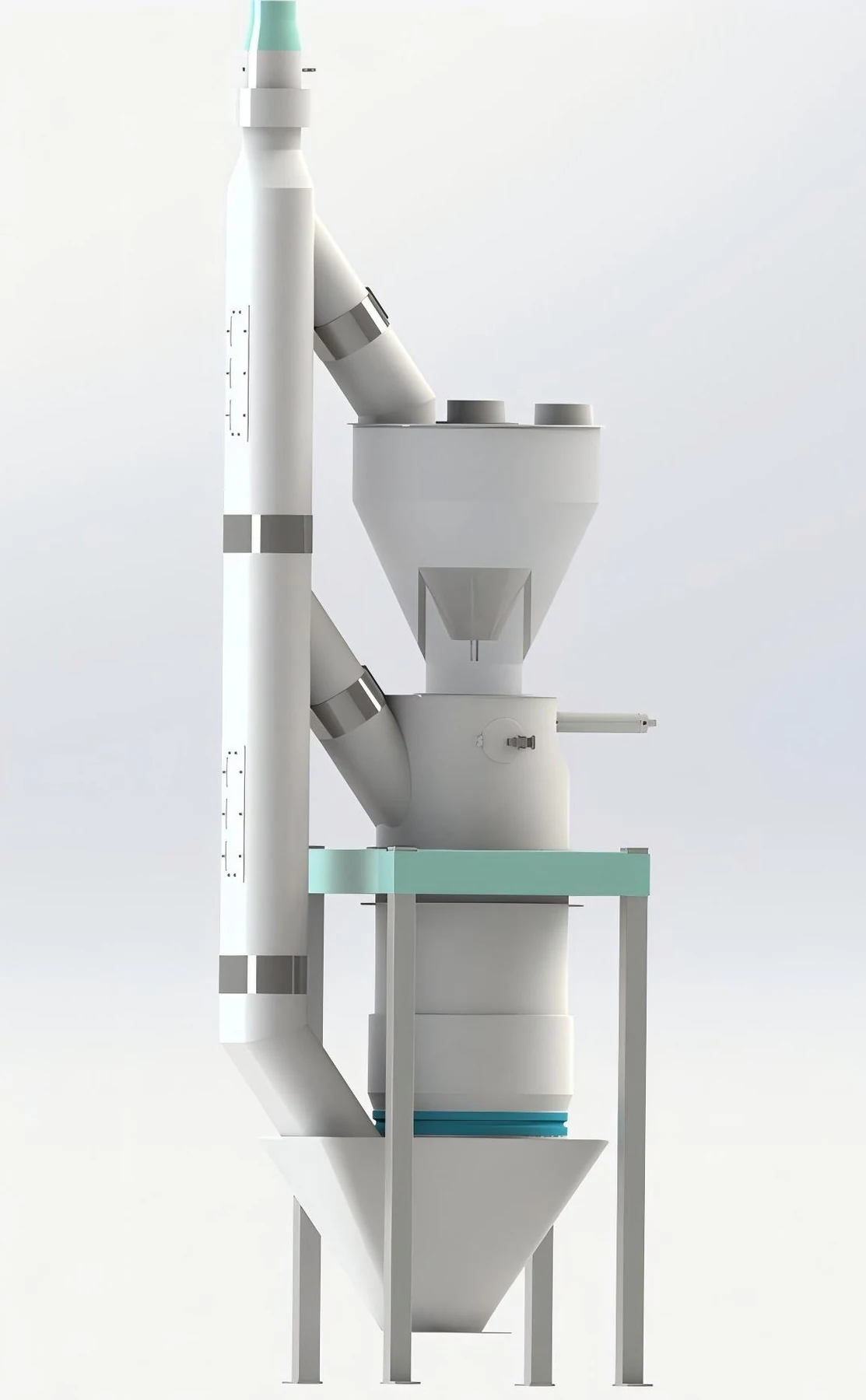
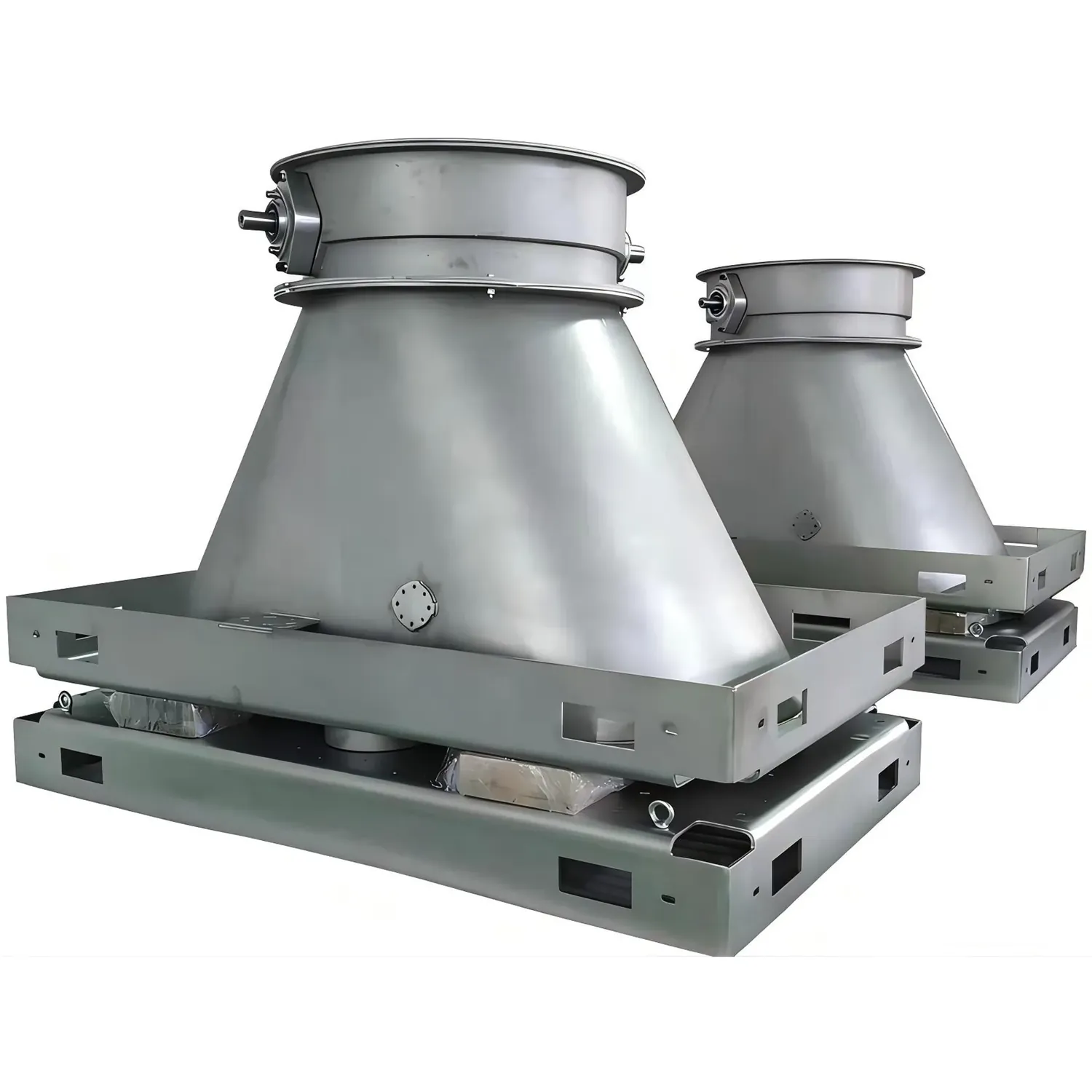
Automatic Discontinuous Totalizing Hopper Weigher
A batch totalising scale for in-plant metering. Material fills a weighing hopper, the weight is recorded, the hopper discharges and the controller…
View Specifications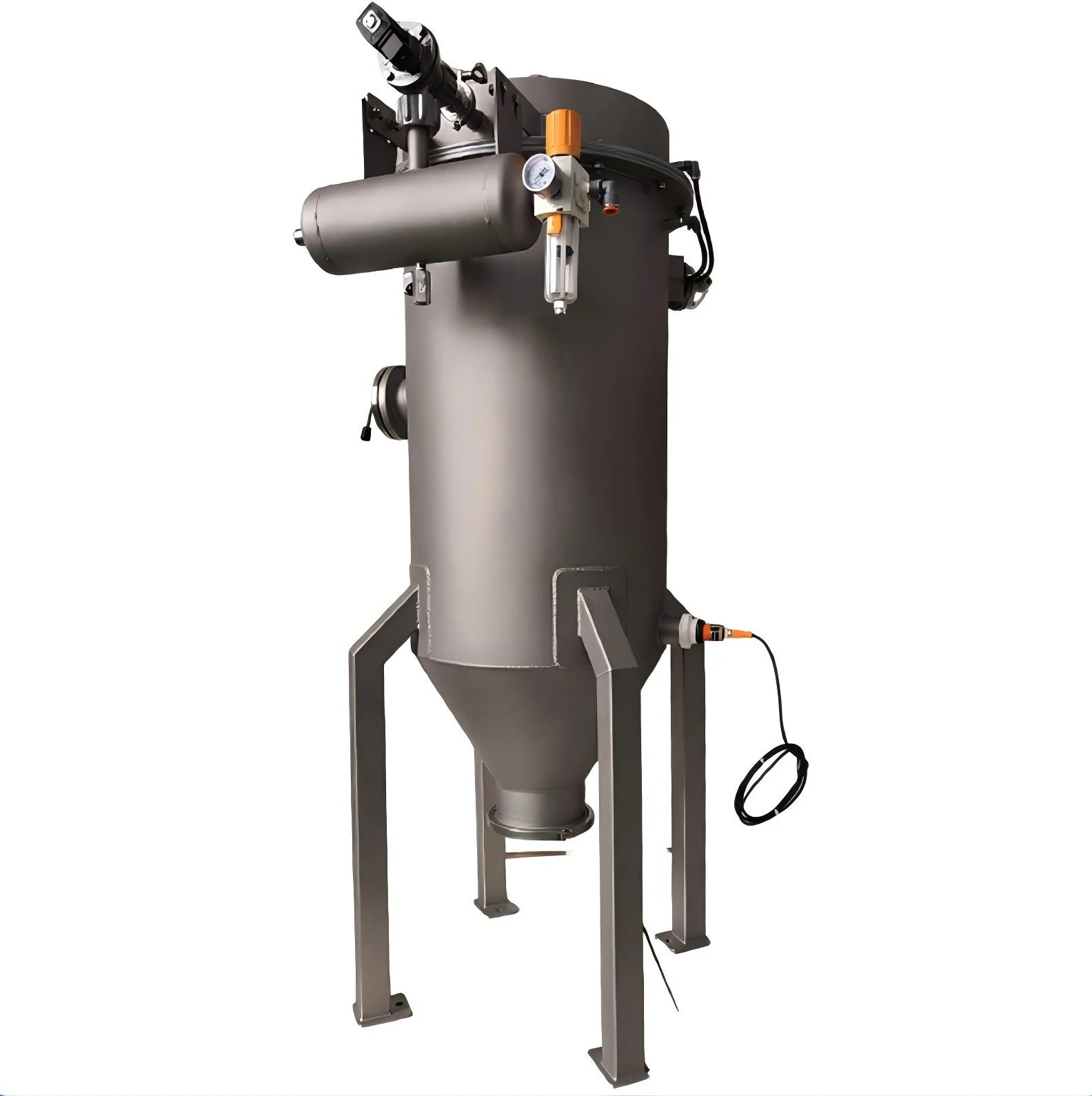
Dust Collector
A fan pulls dust-laden air away from the charging point, cartridge filters intercept the particles, clean air is exhausted and the collected dust…
View SpecificationsWhere Else These Machines Run
FAQ For Ports and Logistics
Can the weigher be verified for trade settlement?
It is supplied in calibratable and non-calibratable modes. For settlement duty the calibratable mode is specified - confirm the national approval regime that applies at your terminal.
What throughput can one unit handle?
The JHDM series covers 12 m3/h to 90 m3/h. For higher rates, units are specified in parallel.
How is the reading kept stable in a loading tower?
Three suspended load cells on a three-leg support give a stable weighing body, and an internal air pressure differential design minimises the effect of airflow.
Discuss a Ports and Logistics Application
Tell us the material, the stage in the process and the accuracy the specification demands.