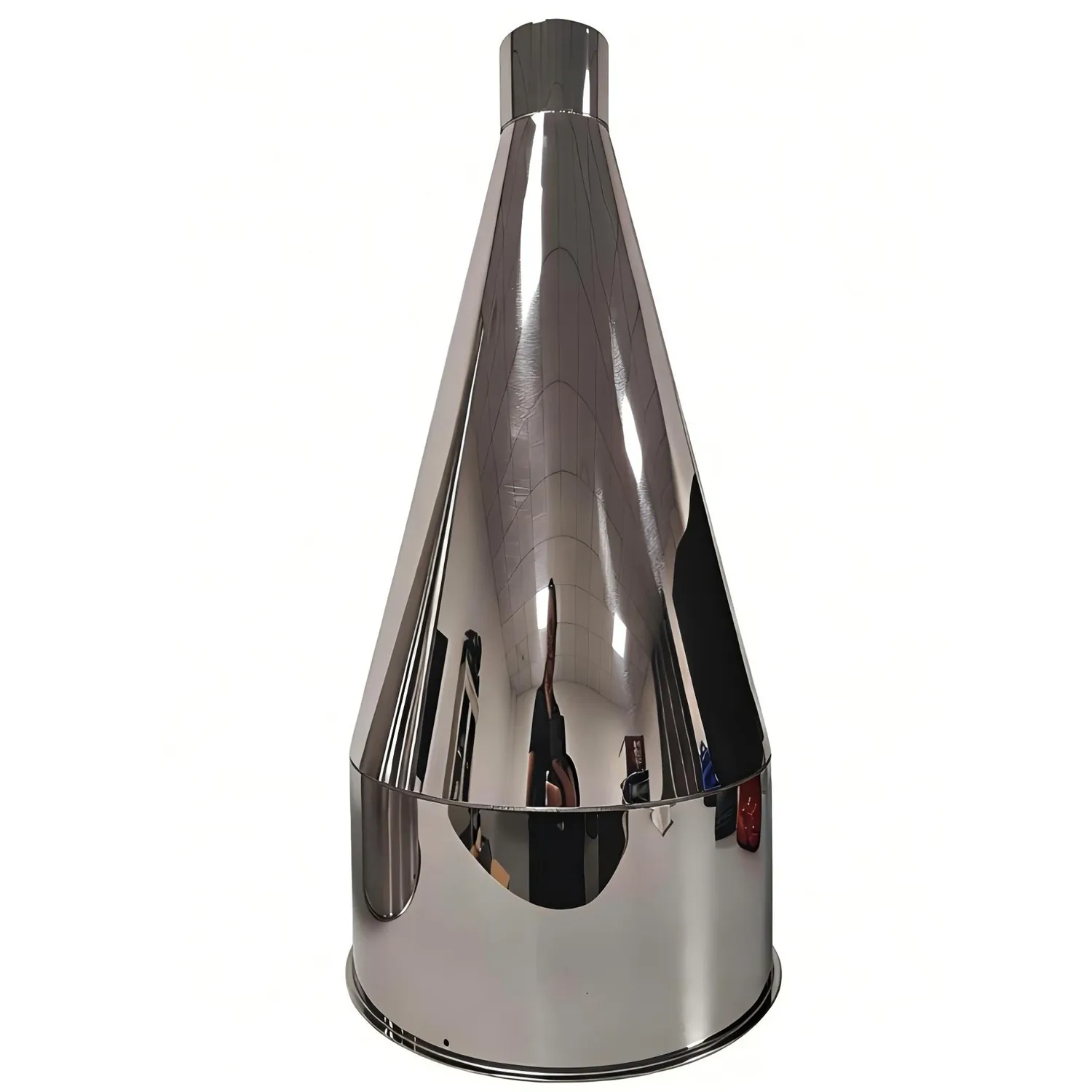
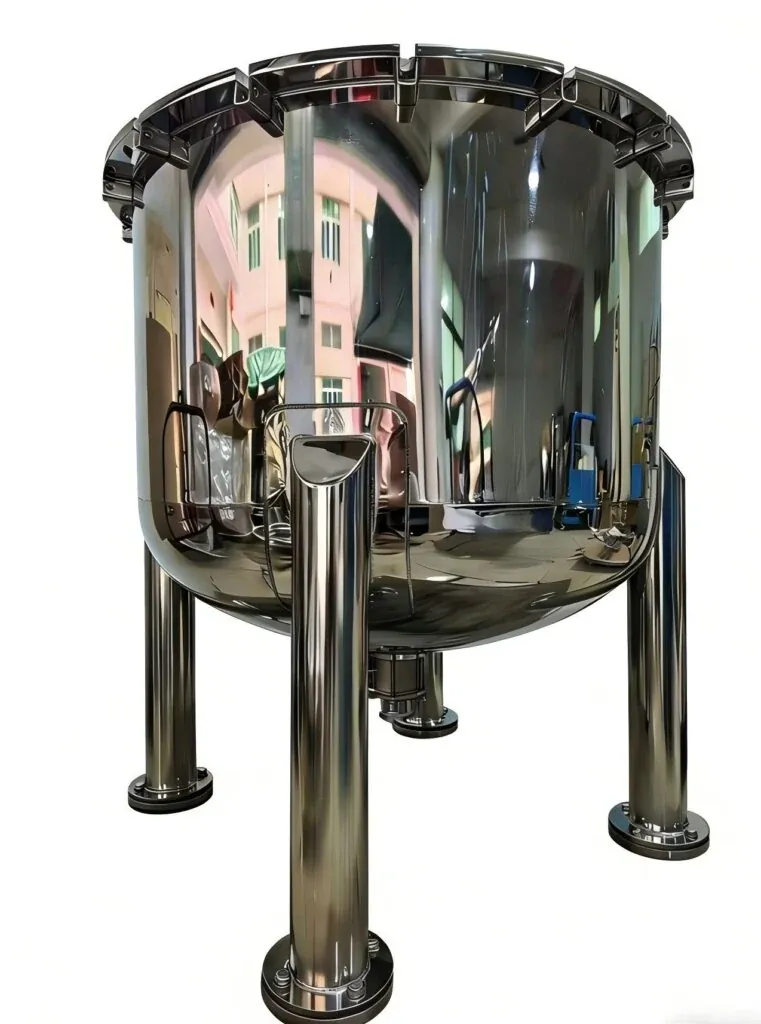
Battery Electrolyte Mixing Tank
Mixing tank with top-mounted agitator drive for battery electrolyte and high-viscosity slurry, with equipment specification and control system tailored to the production requirement.
Ask About This Part
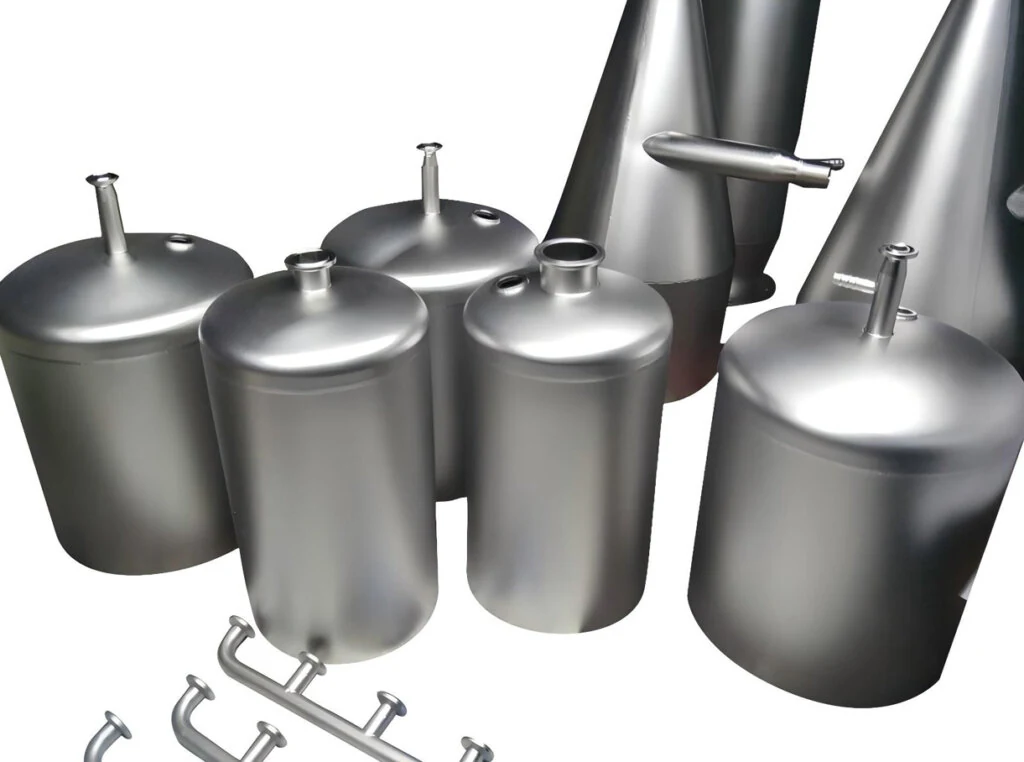
Tanks and components for battery electrolyte and slurry mixing, storage and transfer.
Request A QuoteMixing tank with top-mounted agitator drive for battery electrolyte and high-viscosity slurry, with equipment specification and control system tailored to the production requirement.
Ask About This Part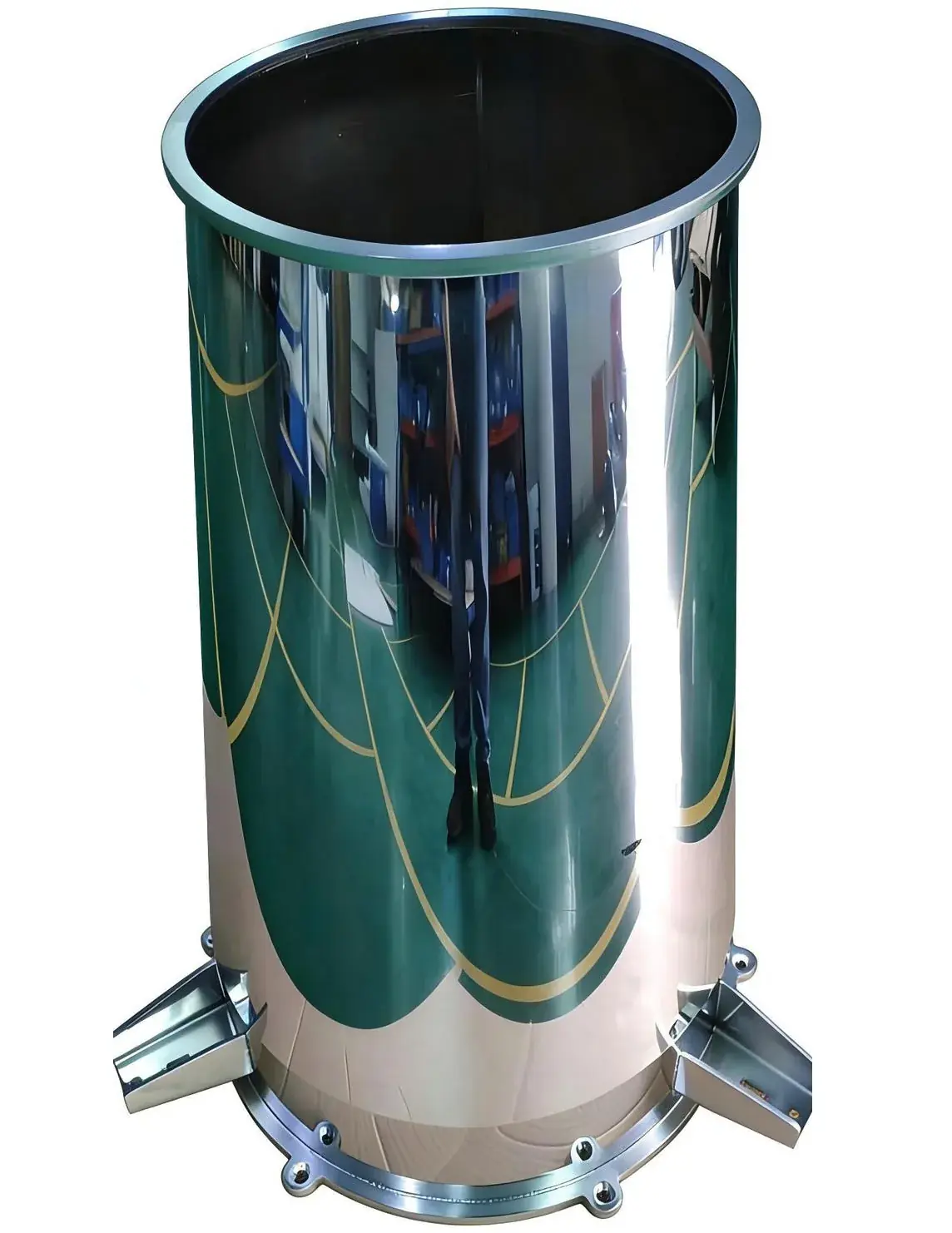
Cylindrical storage tank with mirror-polished wetted surfaces, welded by automated TIG and plasma process for leak-free joints.
Ask About This Part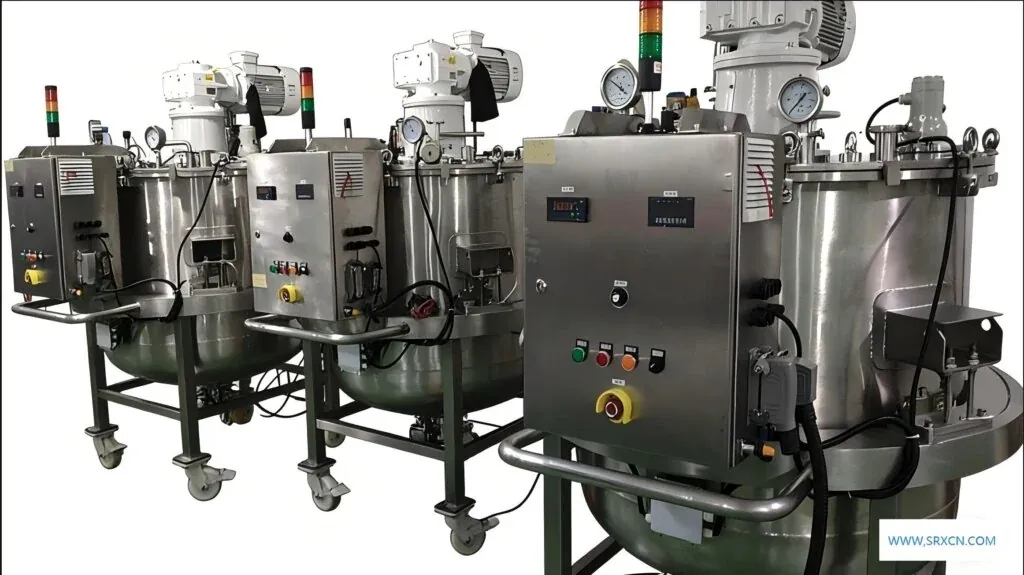
Pre-piped processing skid combining vessel, pumps and control panel, delivered as one unit so site work is limited to services and commissioning.
Ask About This Part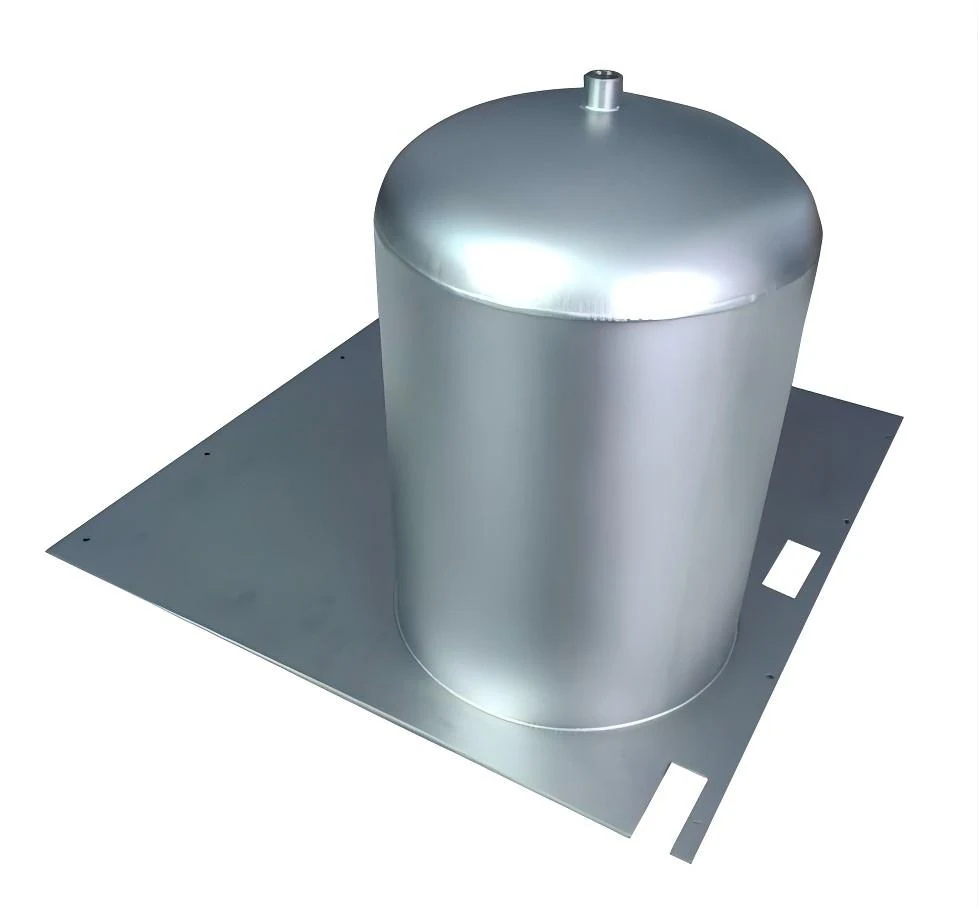
Base-mounted storage vessel for liquid material holding and transfer, material selected against the corrosion and purity demand of the fluid.
Ask About This PartHigh-viscosity battery slurry is difficult to mix and mixing efficiency is often the bottleneck. At the same time electrolyte is corrosive and purity-critical, so every wetted surface, weld and seal in the tank either protects the material or contaminates it.
As China's new energy sector expanded, SRX moved the same dynamic measurement and fabrication capability into battery fluid mixing, storage and transfer equipment. Materials are matched to the duty - 316L stainless steel, PTFE linings and equivalent - to handle corrosion and purity demands. Joints are made with automated TIG and plasma welding for leak-free construction, and wetted surfaces are mirror-polished to Ra 0.2 micrometres or better so that sensitive materials are not held in the surface finish.
316L stainless steel, PTFE linings and equivalent materials are selected against the corrosion and purity demands of the specific liquid.
Automated TIG and plasma welding is used to produce joints without leak paths, with advanced sealing on every connection.
Mirror-polished wetted surfaces at Ra 0.2 micrometres or better limit the amount of product held on the wall and make cleaning effective.
Fire prevention, leak detection and containment systems are engineered into the equipment in line with global standards.
The same design approach covers pilot vessels and equipment for GWh-level production lines, so the scale-up path is continuous.
Weighing of coal and biomass pellets, and dosing and metering of lime and activated carbon in wastewater treatment processes.
Read More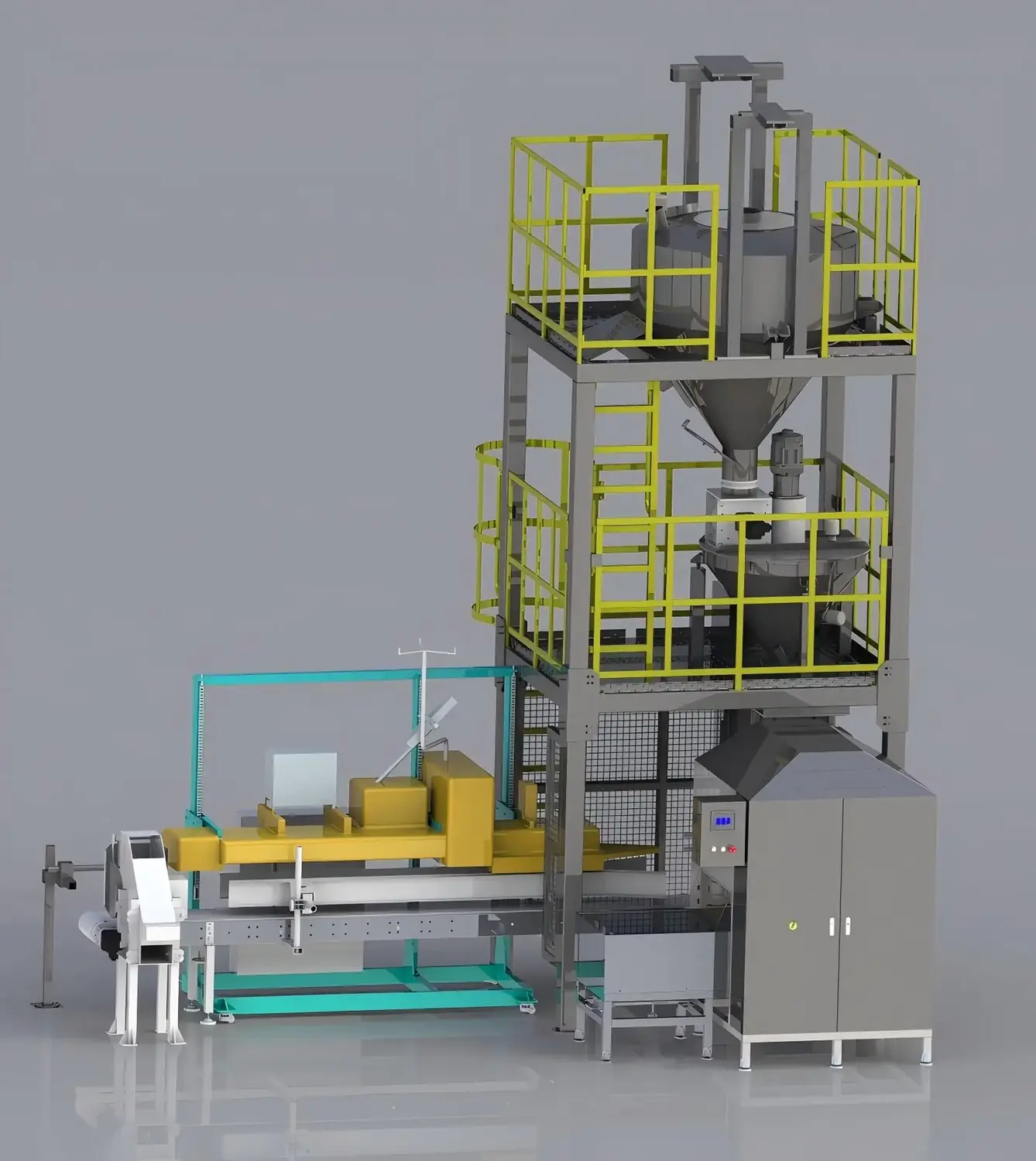
Weighing and metering of plastic granules, resins, fertilisers, pesticide powders, pigments, dyes and similar materials, and precise dosing of raw materials prior to chemical reactor processes.
Read More316L stainless steel and PTFE linings are the standard options, selected against the corrosion and purity requirement of the specific liquid. Tell us the chemistry and concentration and we will confirm the material.
Mirror-polished surfaces to Ra 0.2 micrometres or better, produced to protect sensitive materials from contamination and to make the vessel cleanable.
Yes. Mixer selection and internal geometry are engineered for high-viscosity battery slurry, where standard agitation is slow and incomplete.
Yes. Our engineering team tailors the solution from equipment specification through to the control system so the unit matches the production requirement.
Equipment has been exported to regions including Europe and the United States, and is used by domestic battery manufacturers from lab scale to GWh-level production lines.
Send the duty and we will confirm what applies, what needs customising and what it costs.