
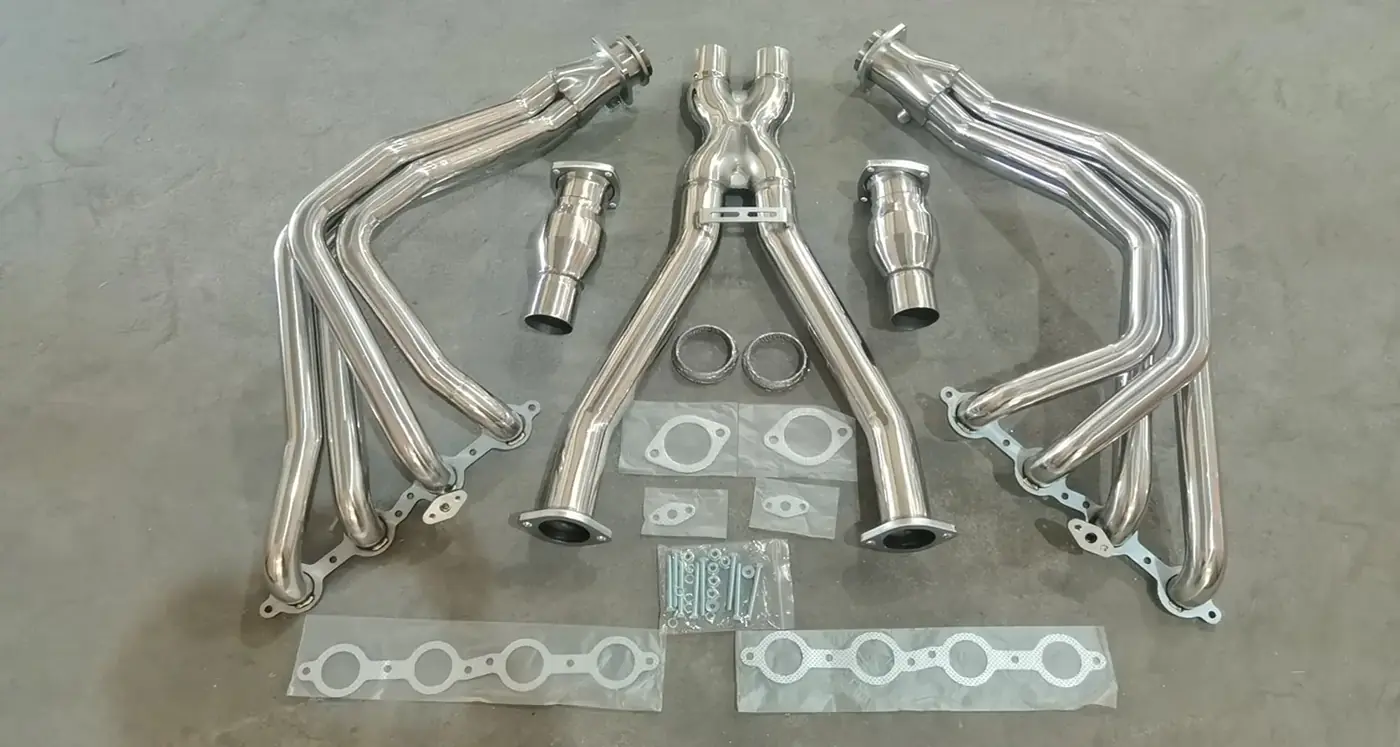
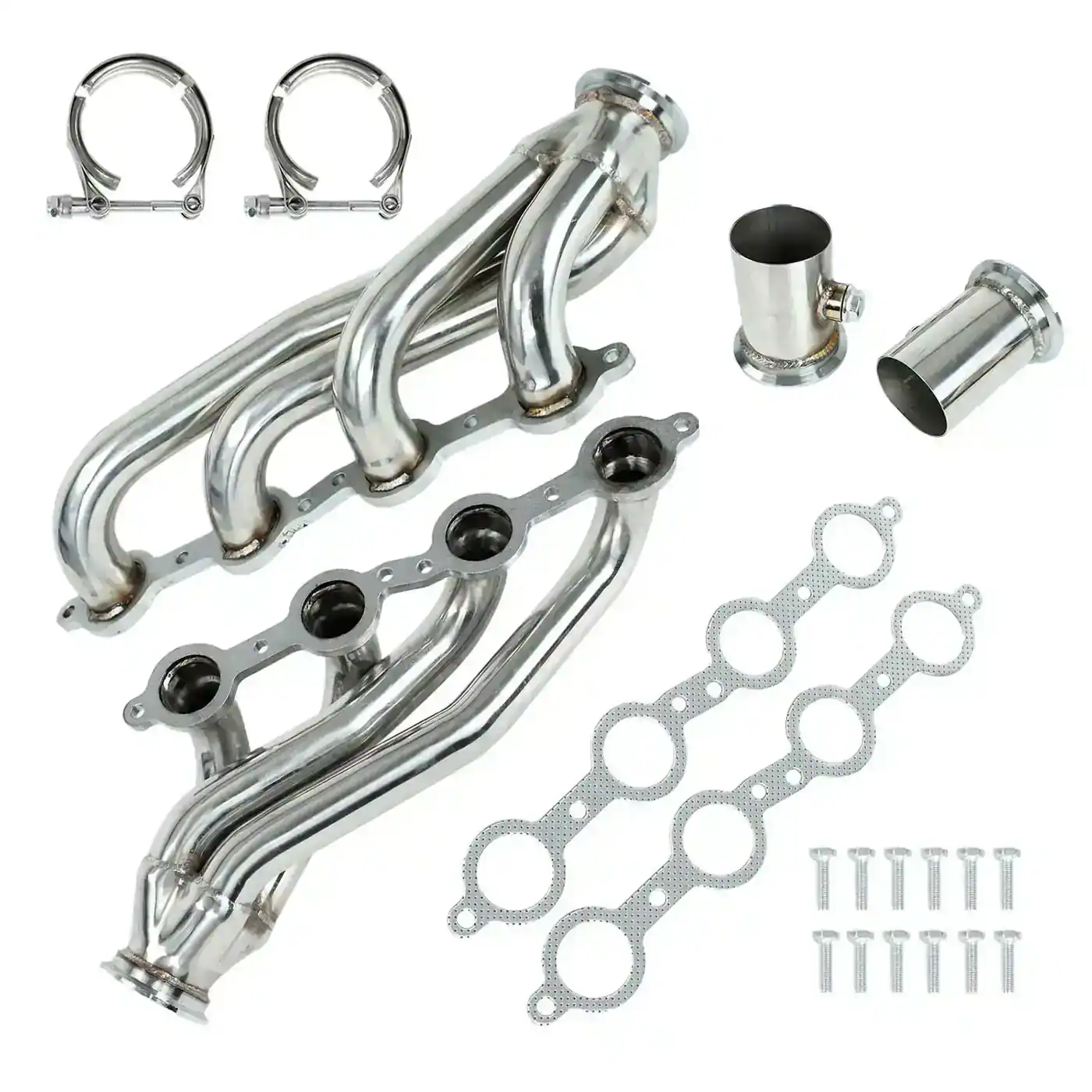
35 part numbers
Exhaust Manifold
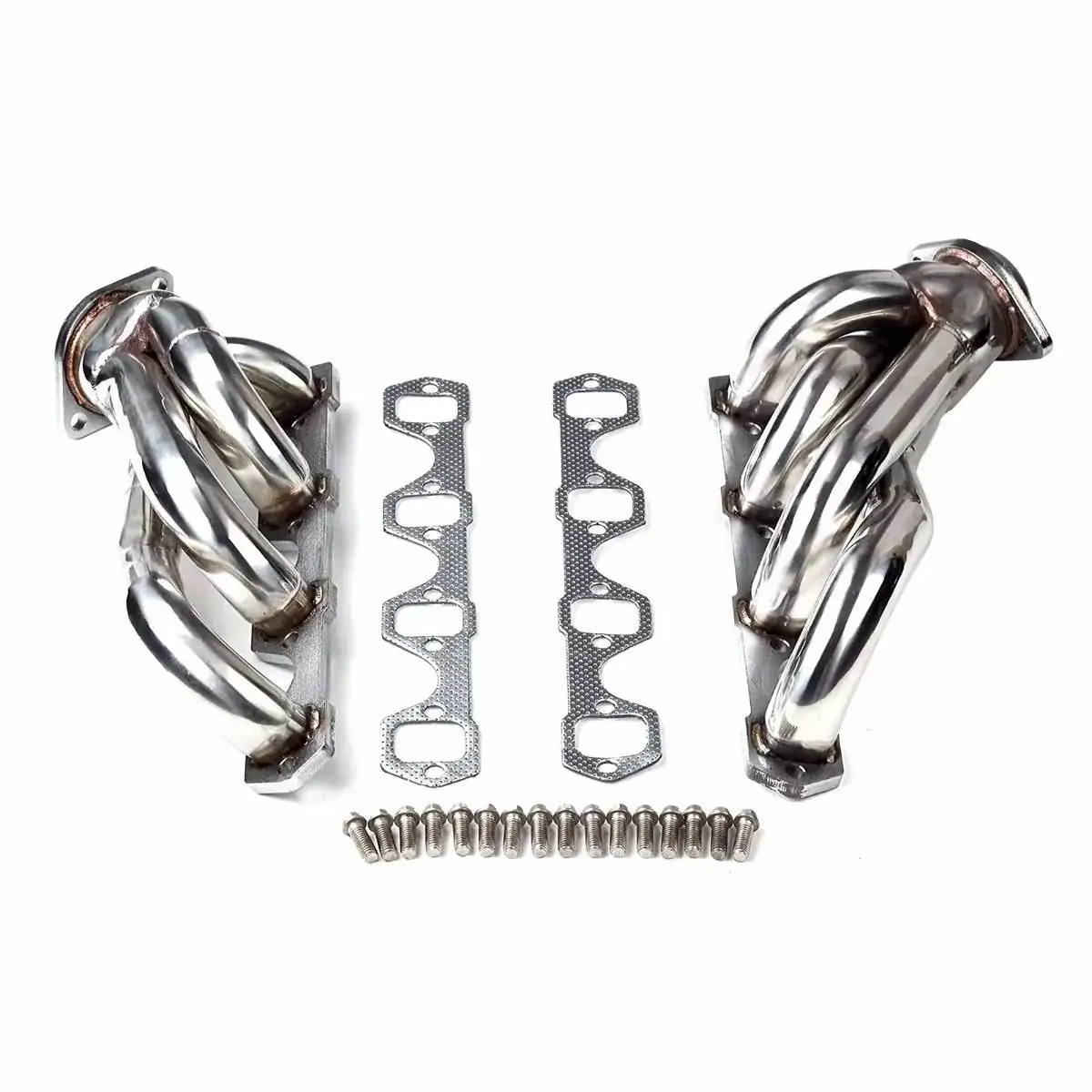
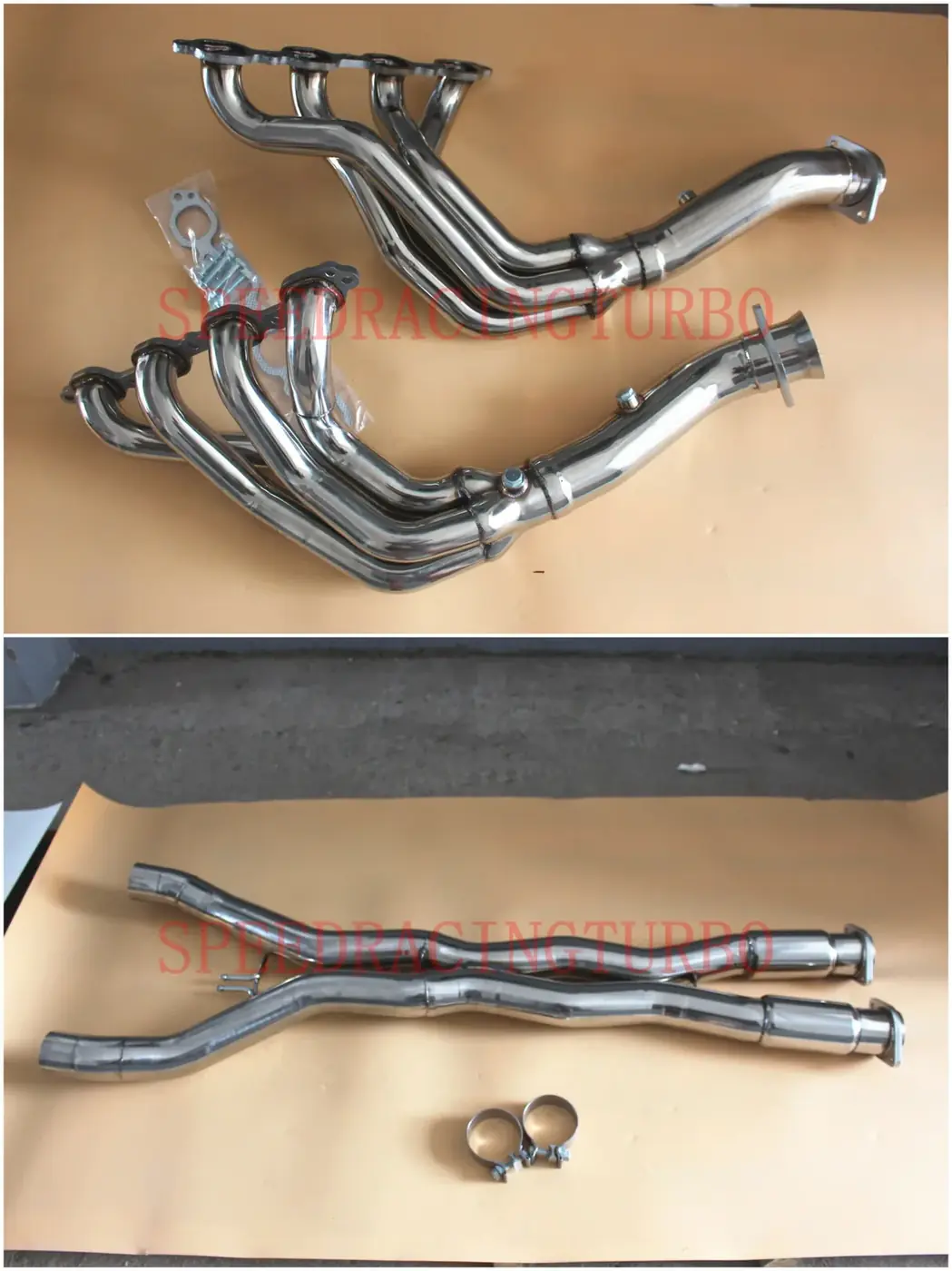
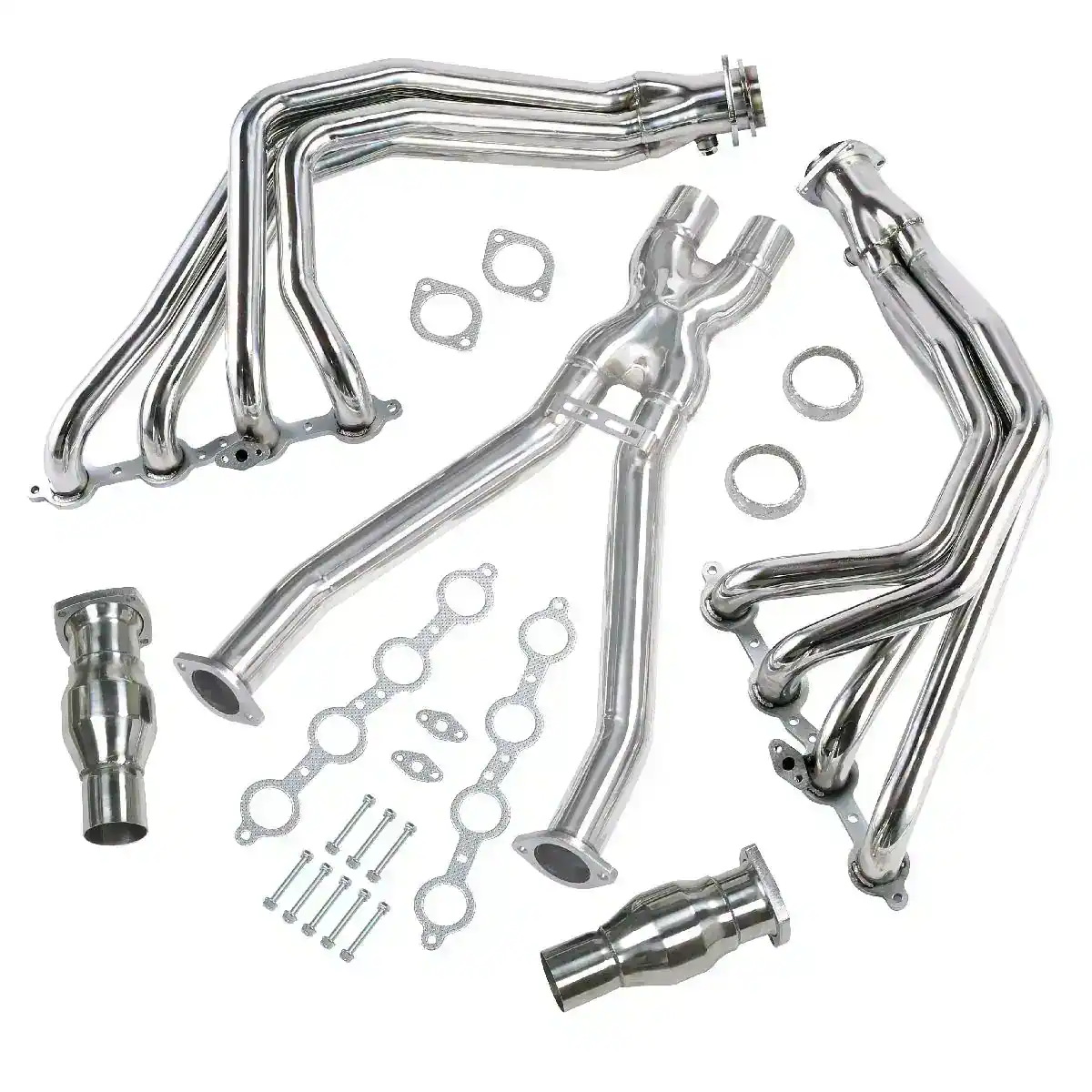
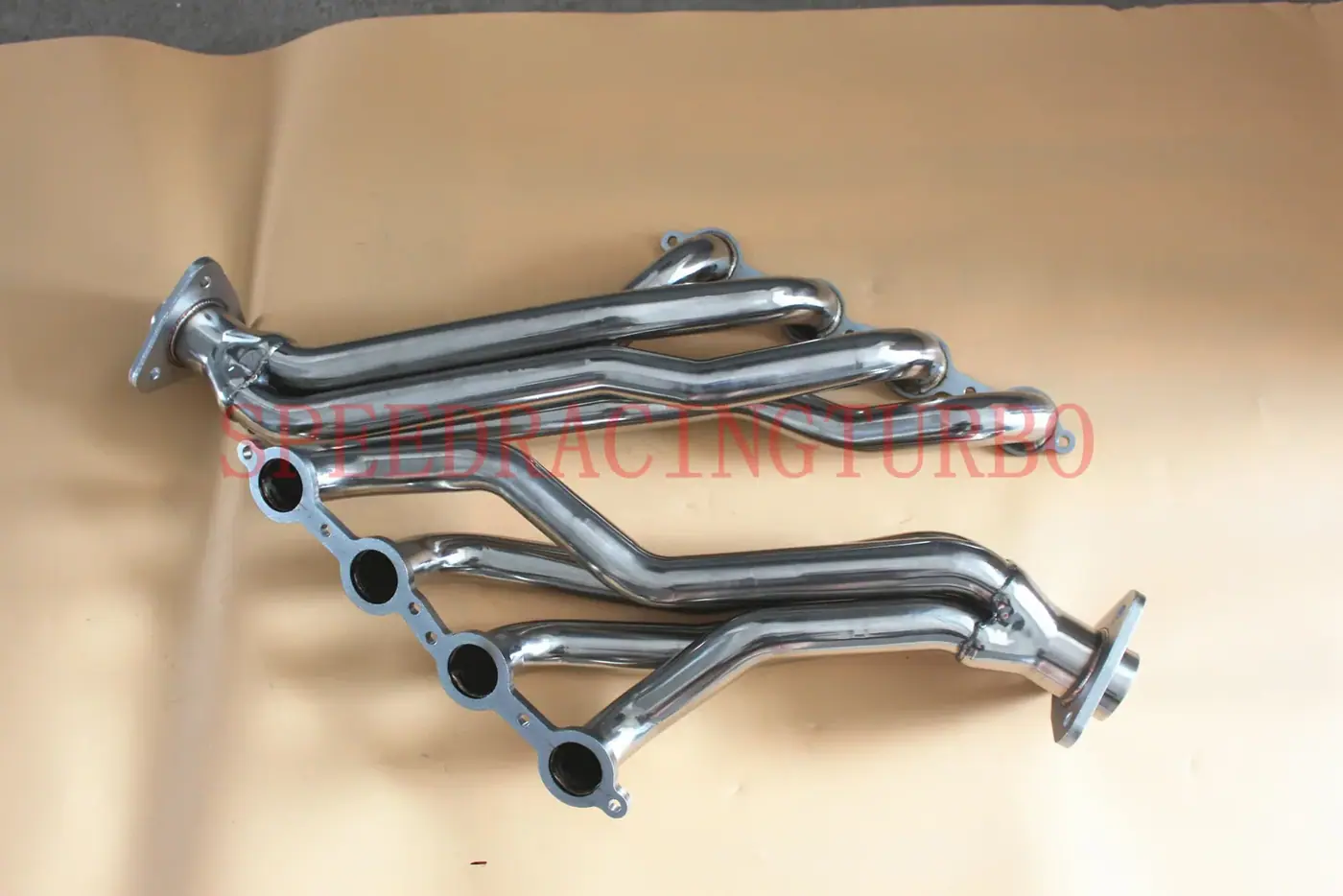
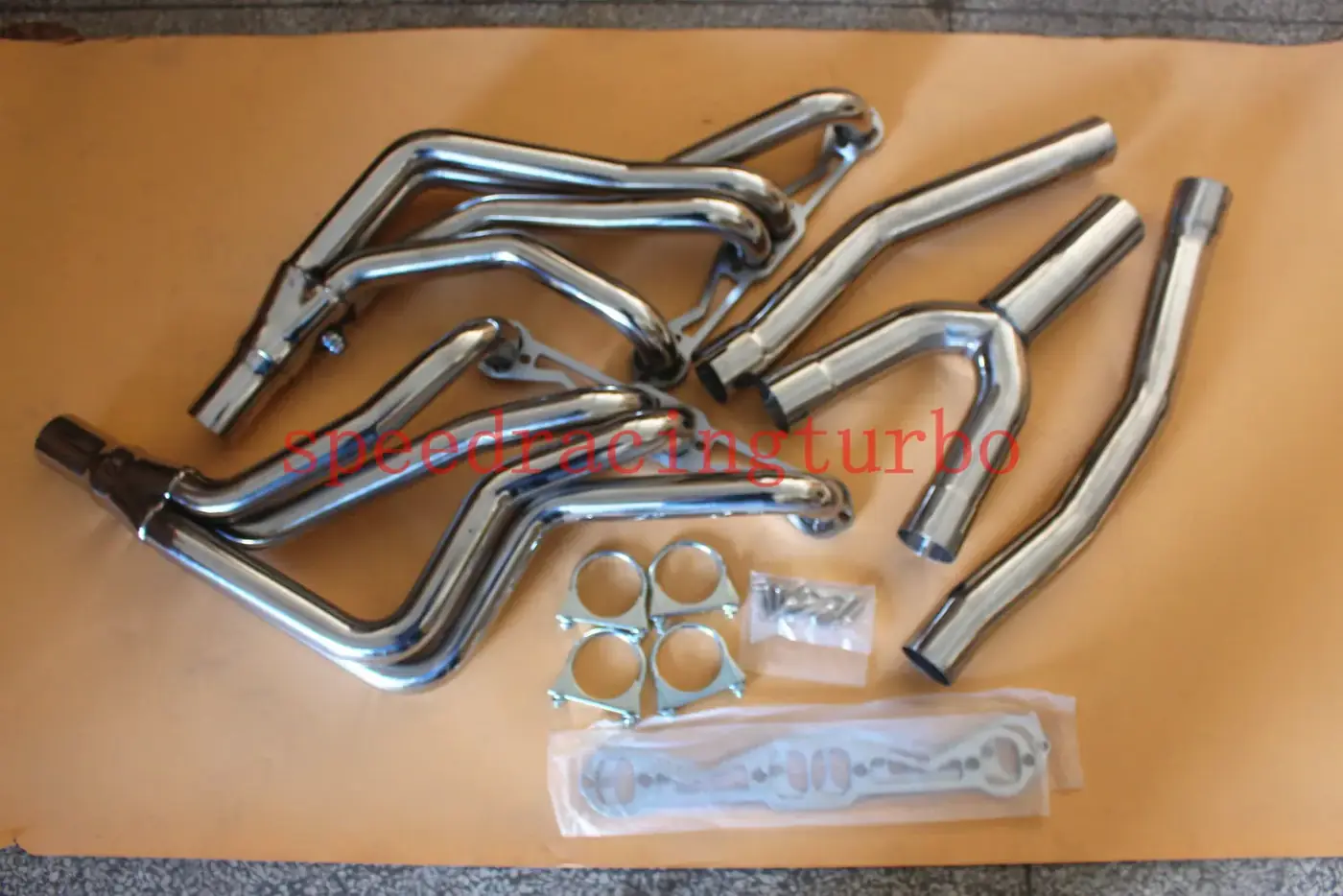
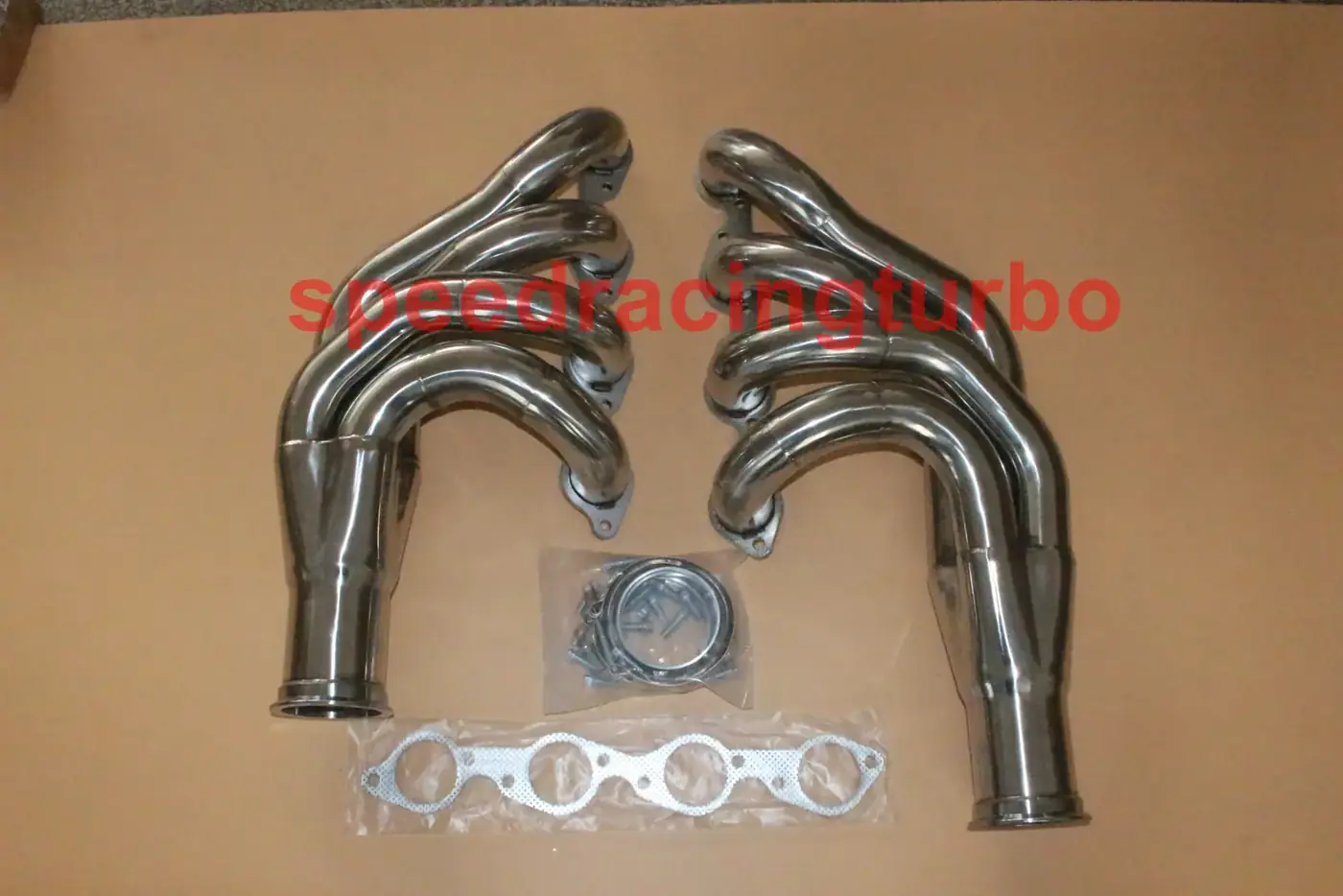
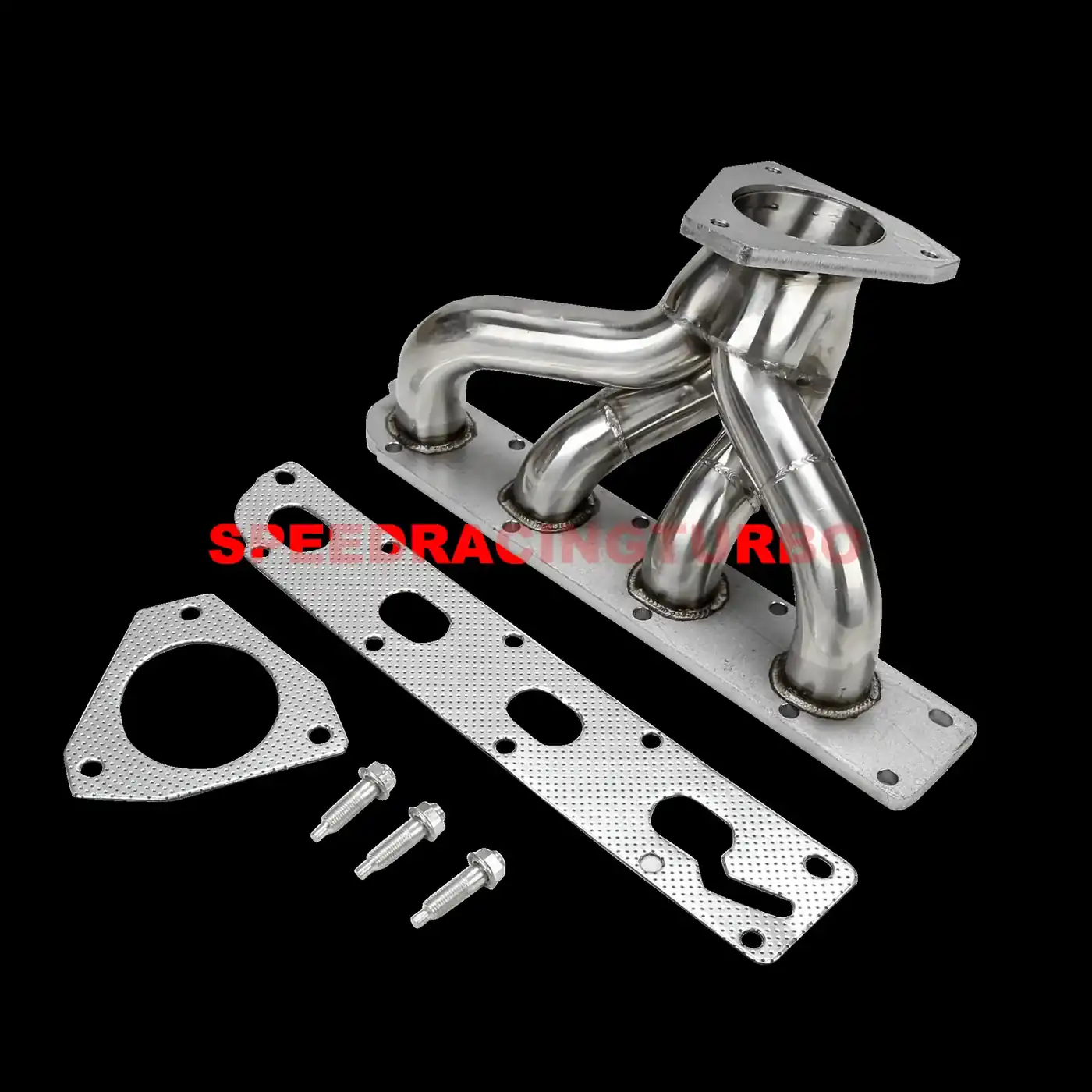
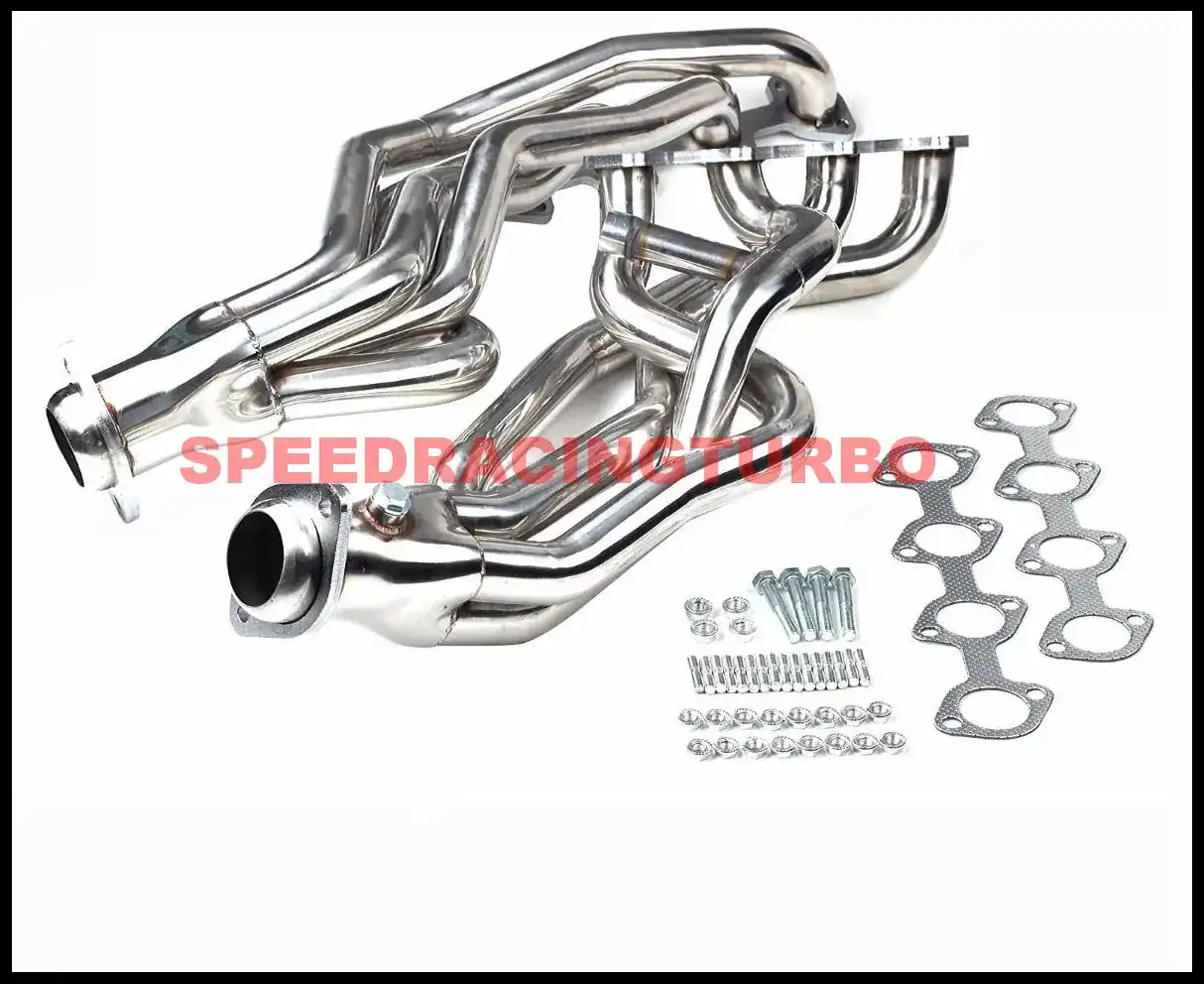
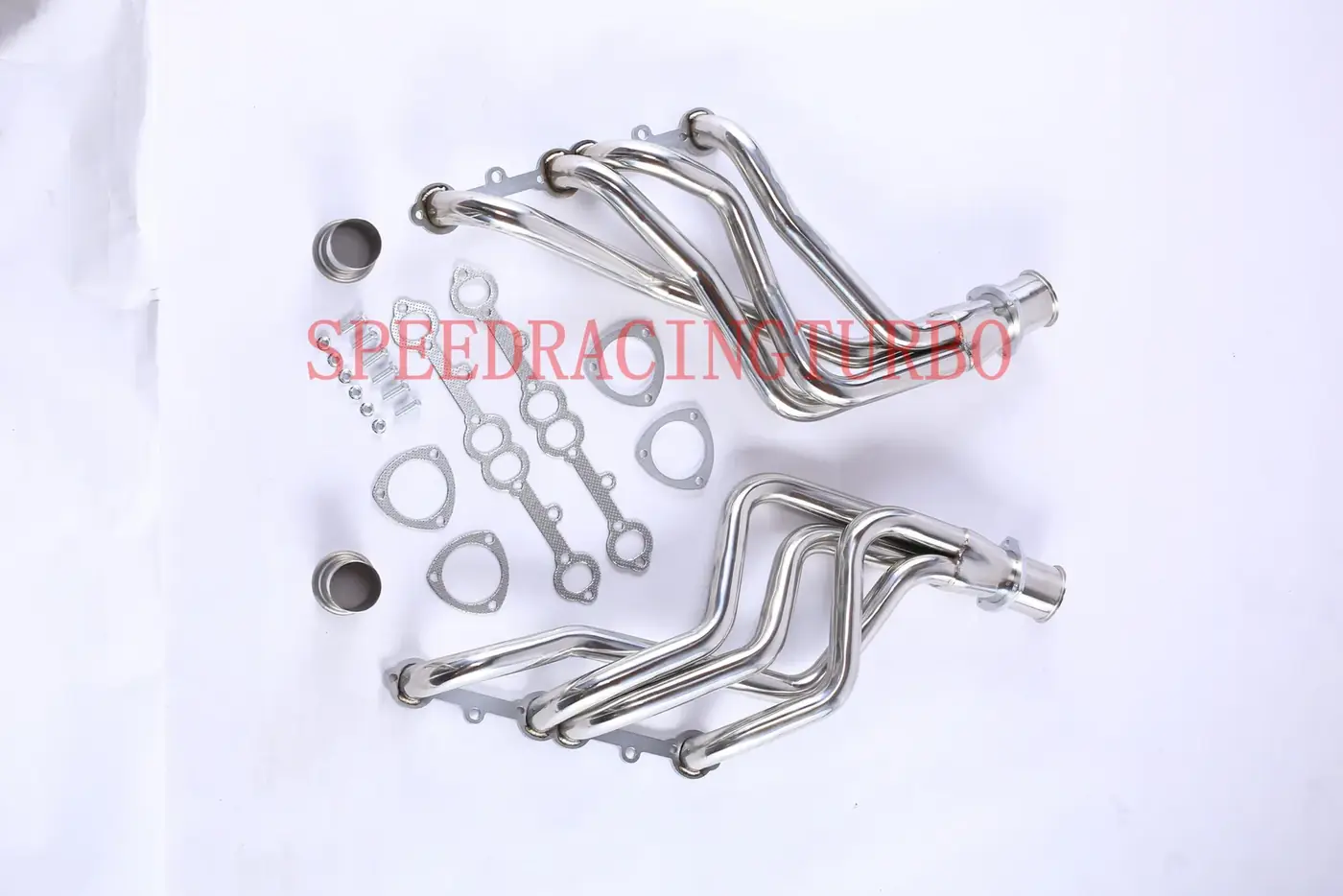
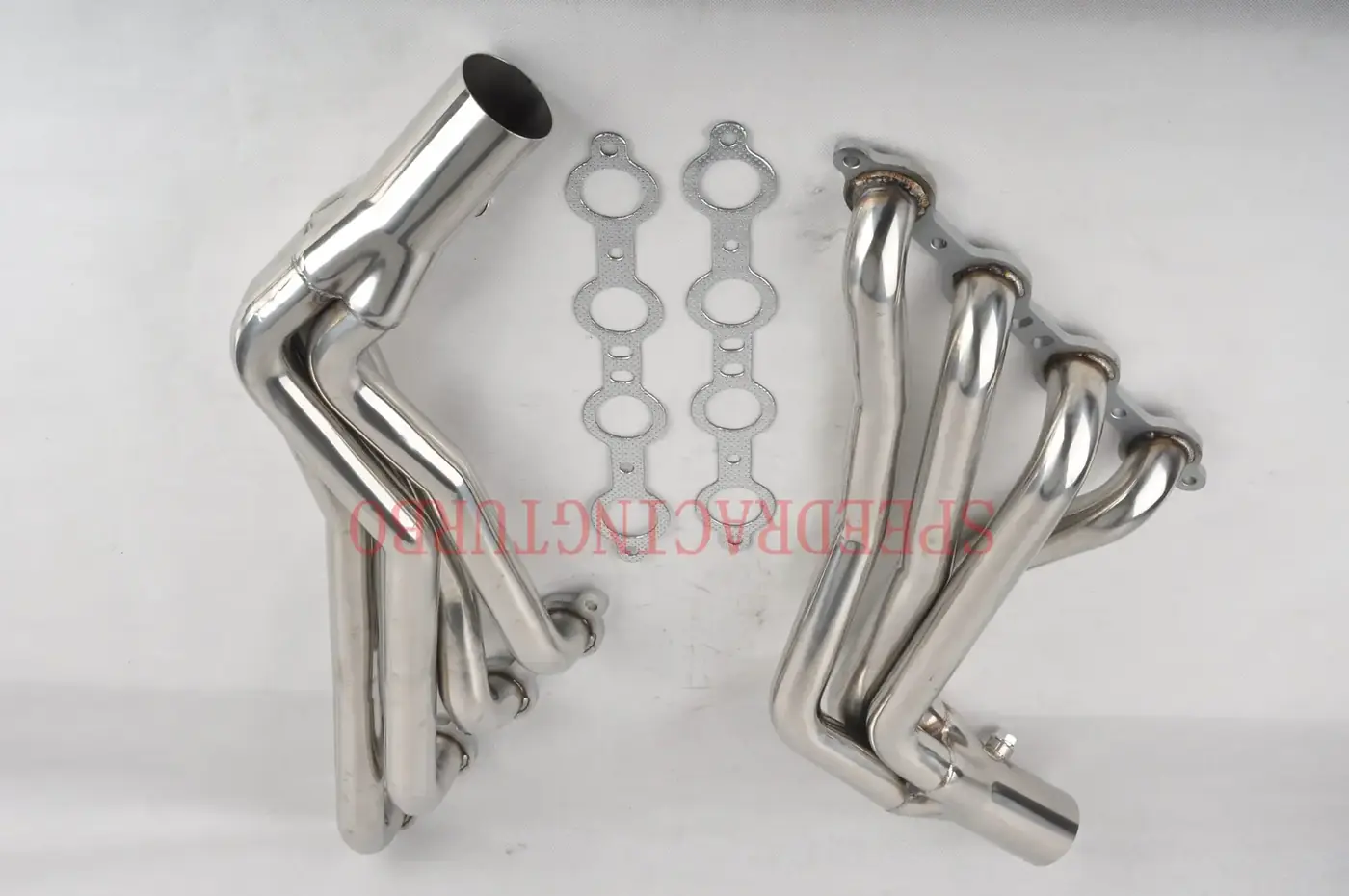
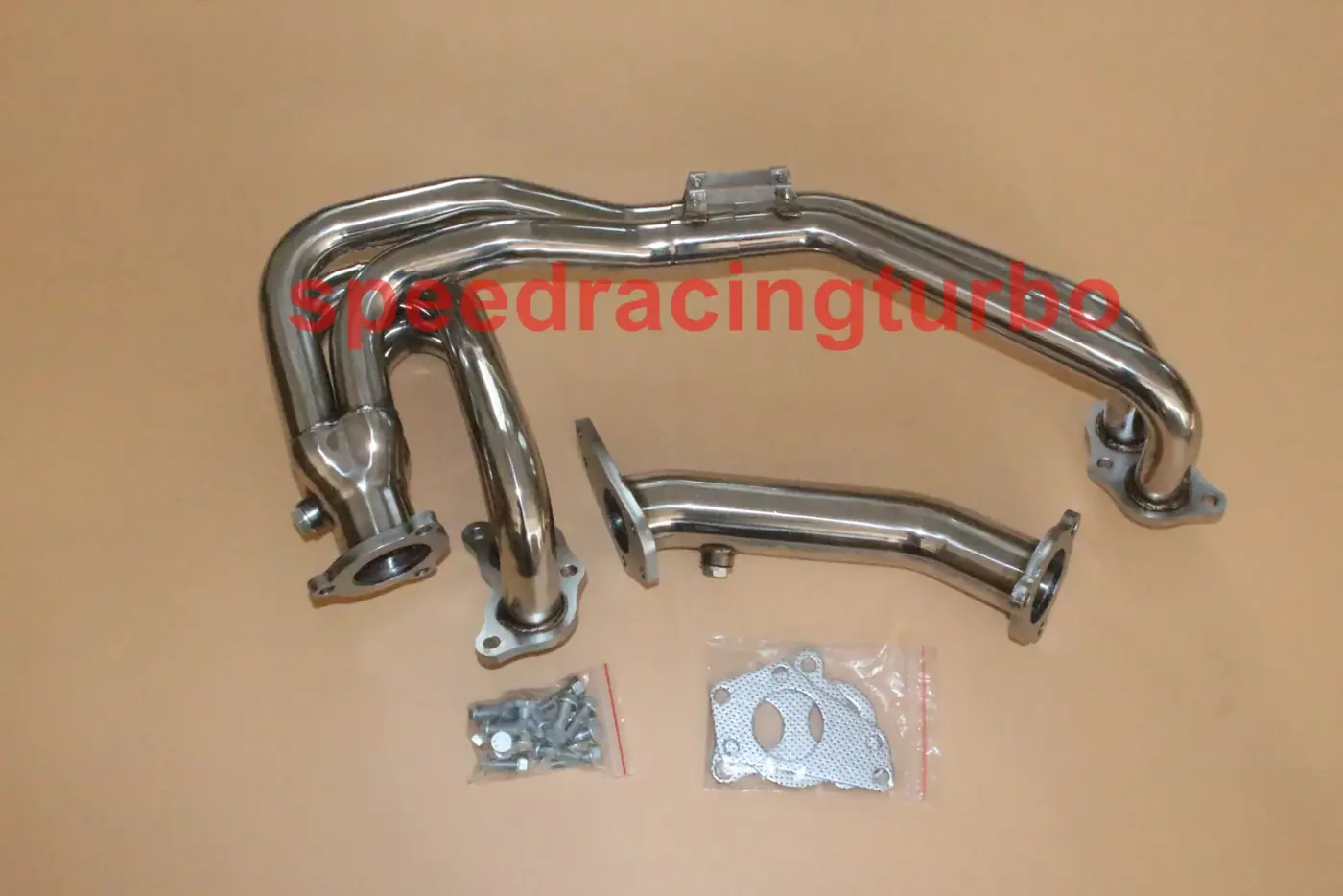
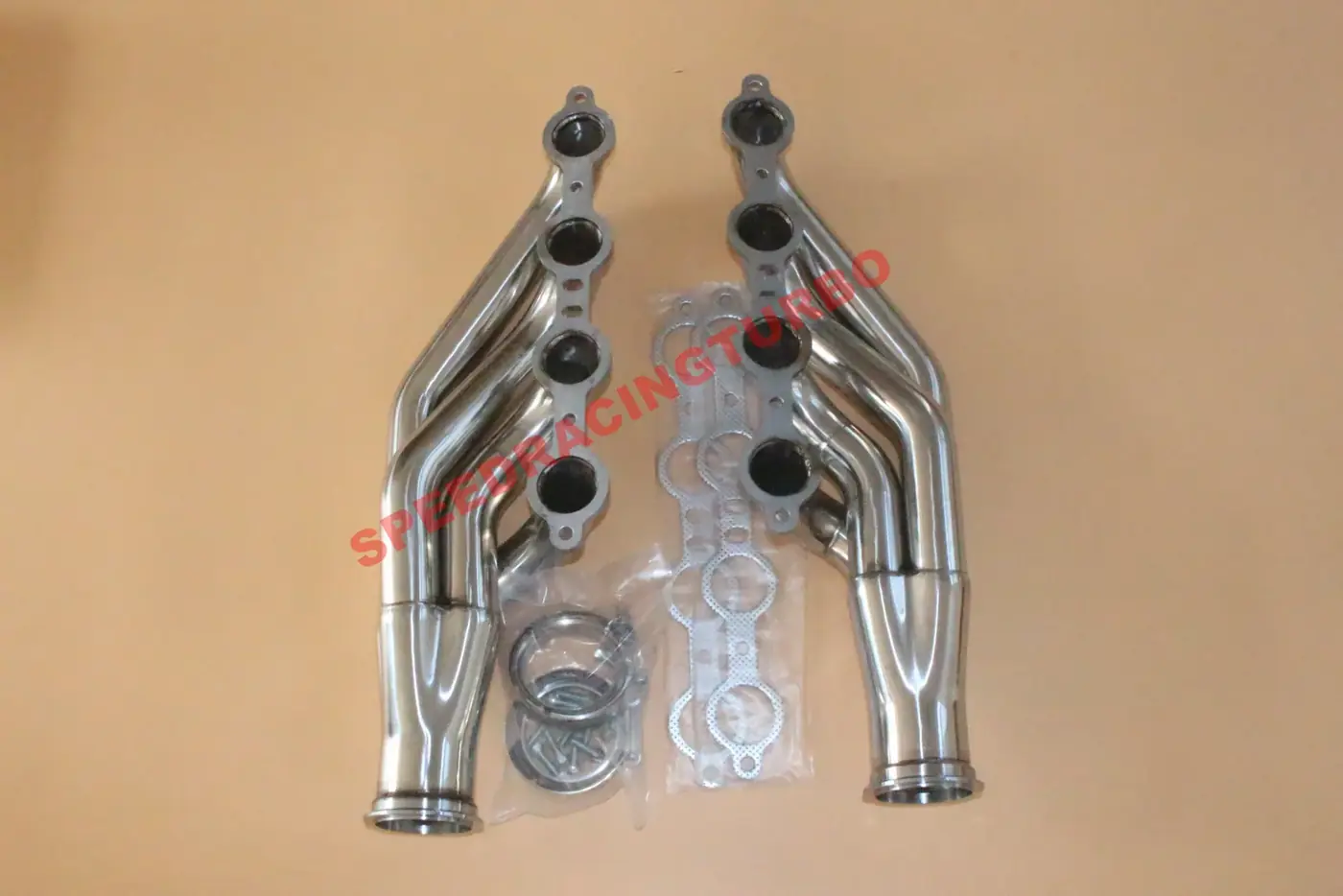
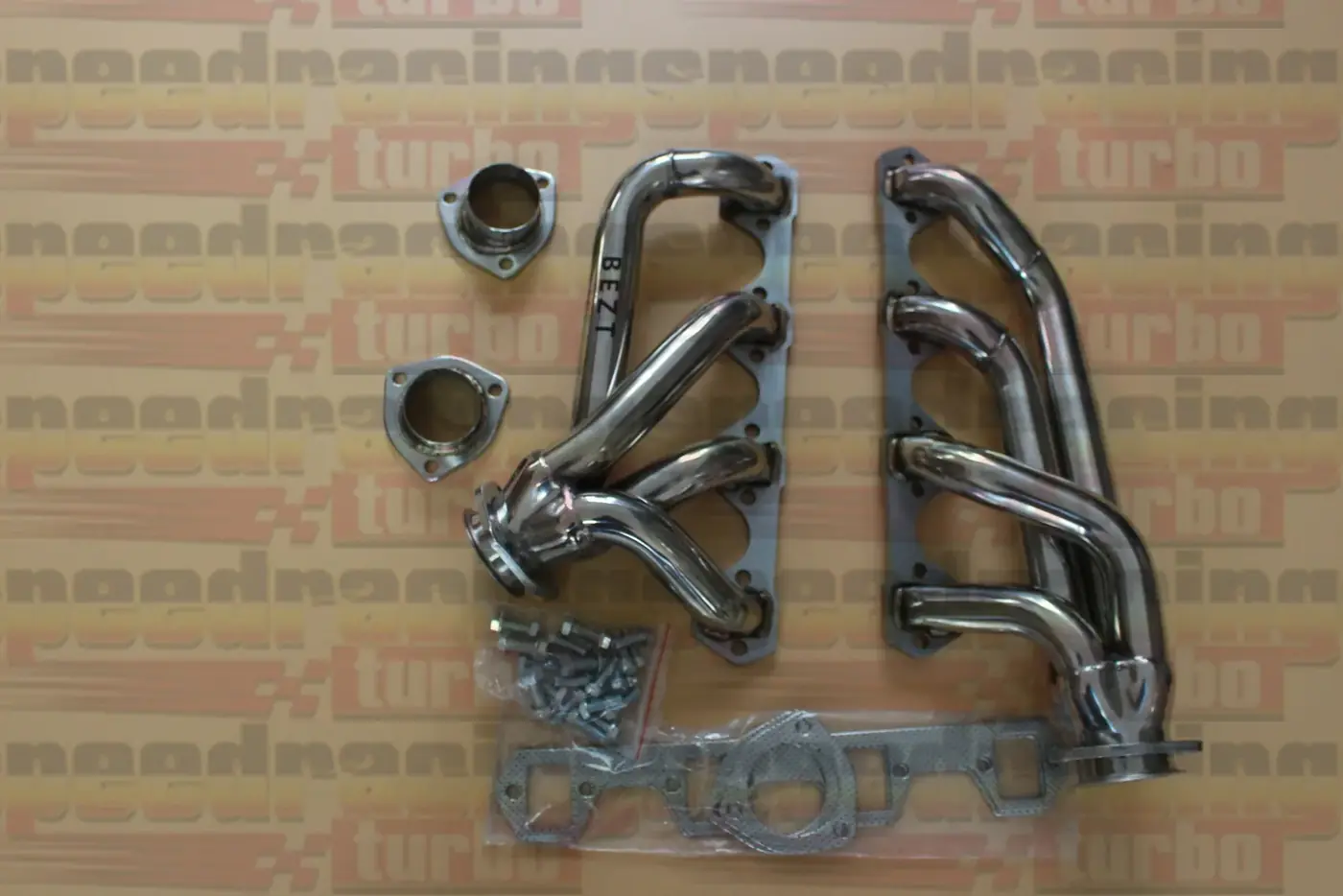
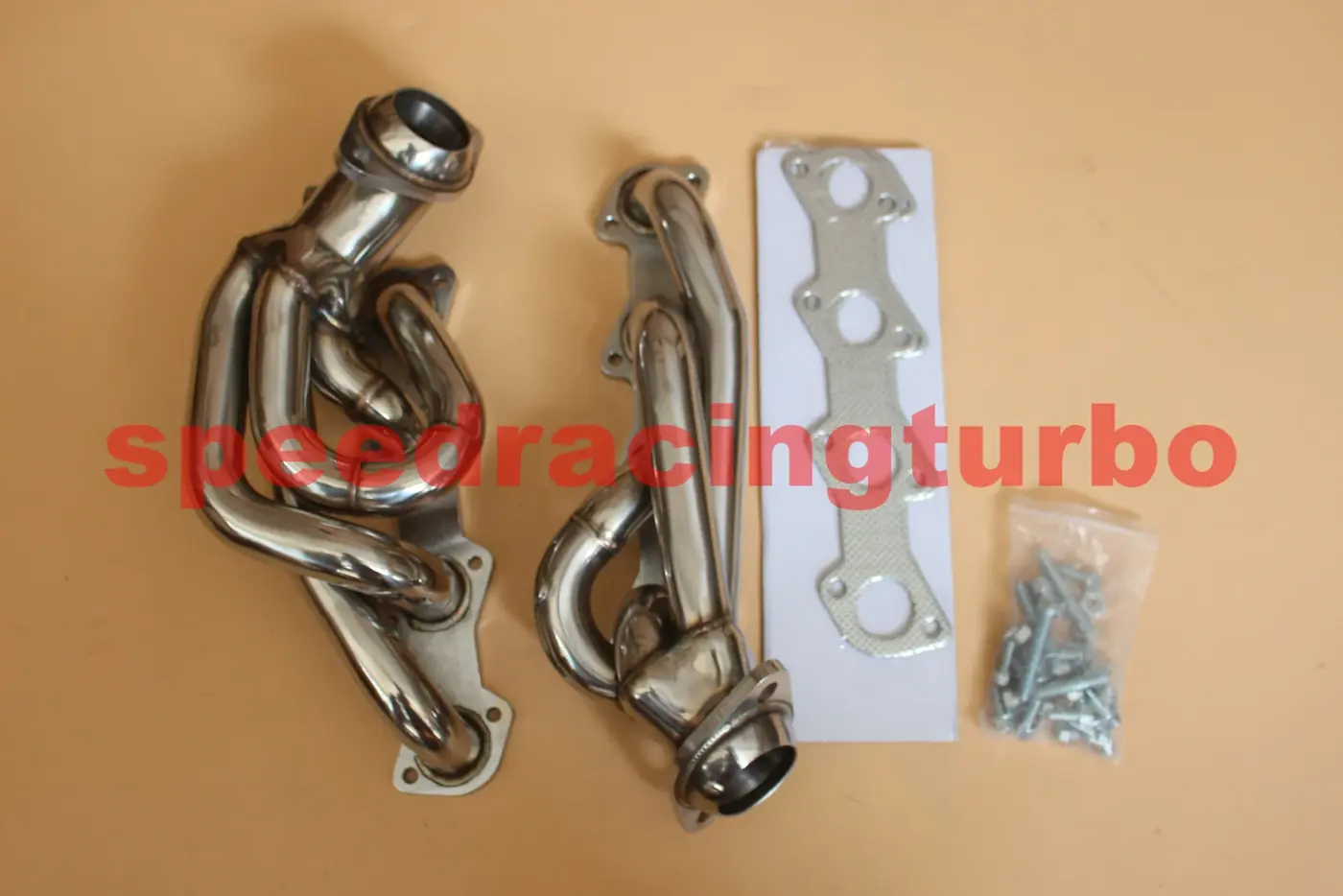
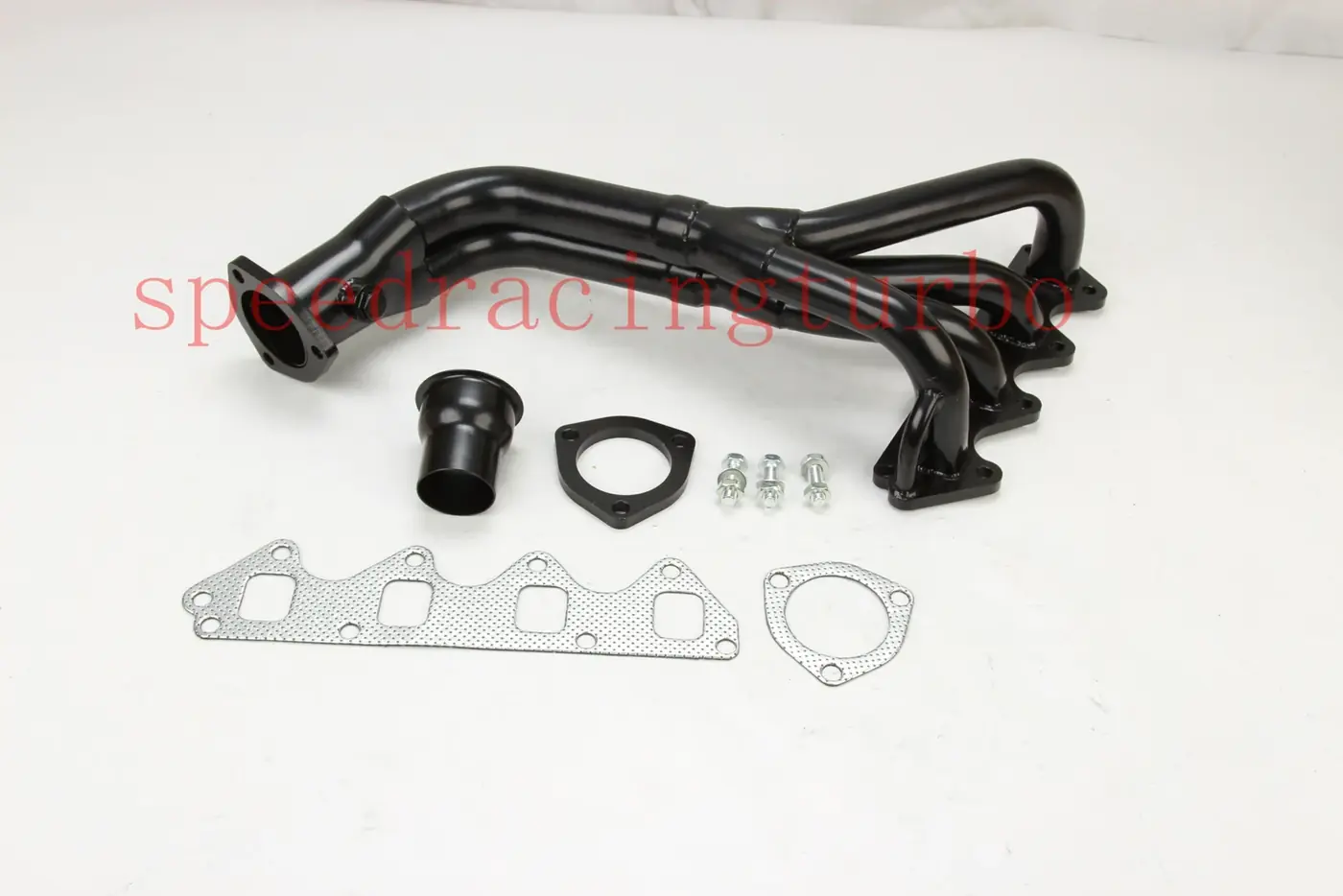
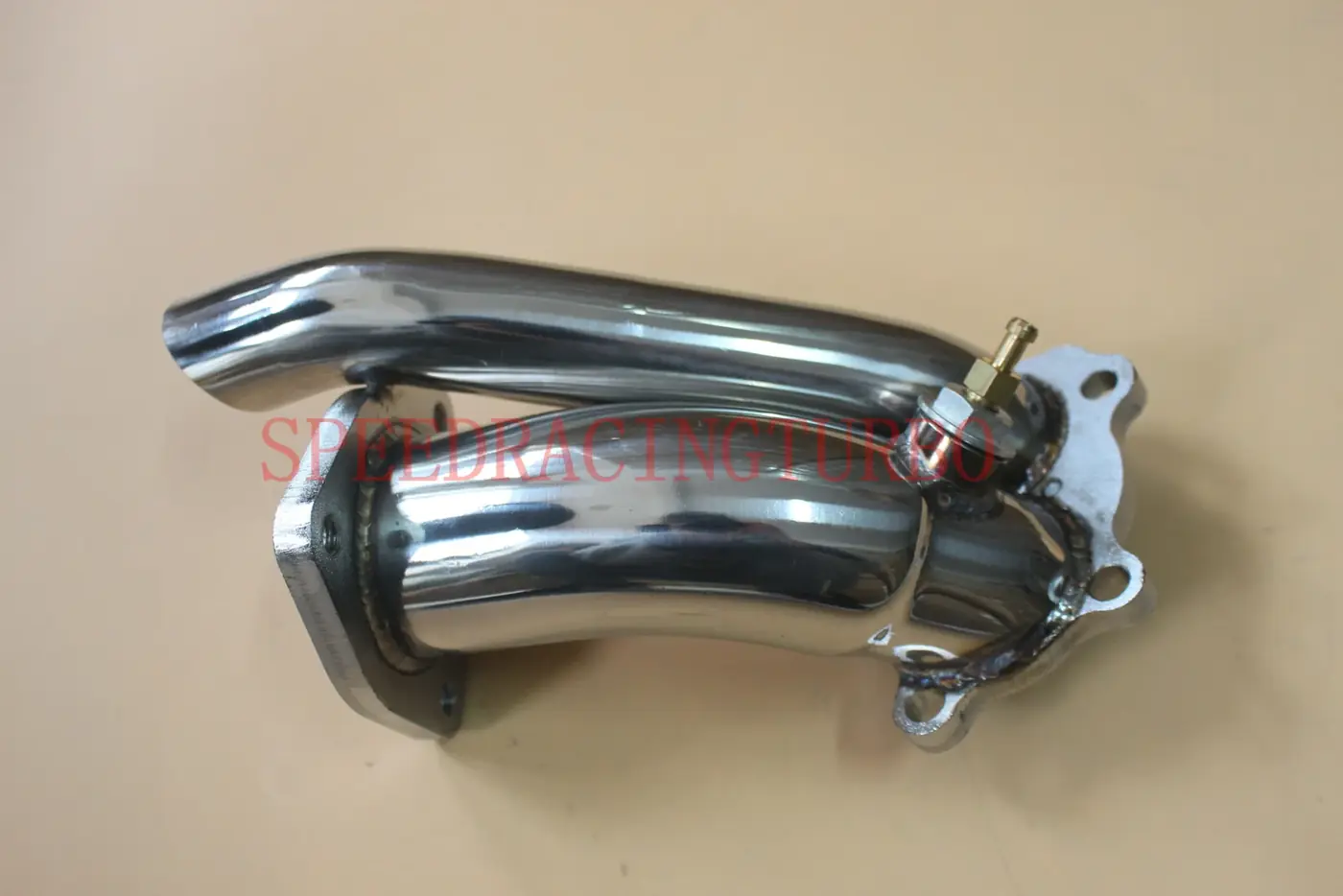
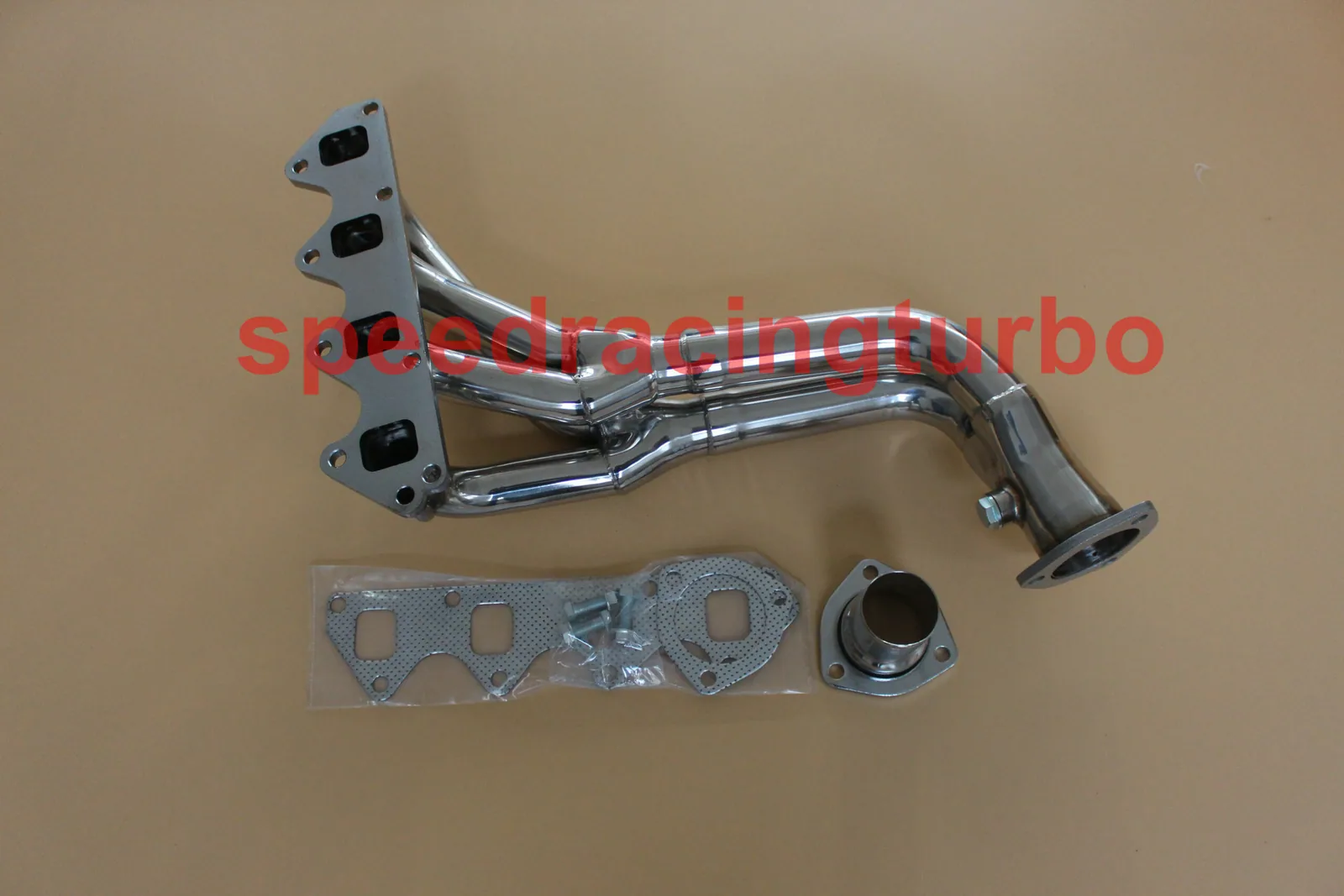
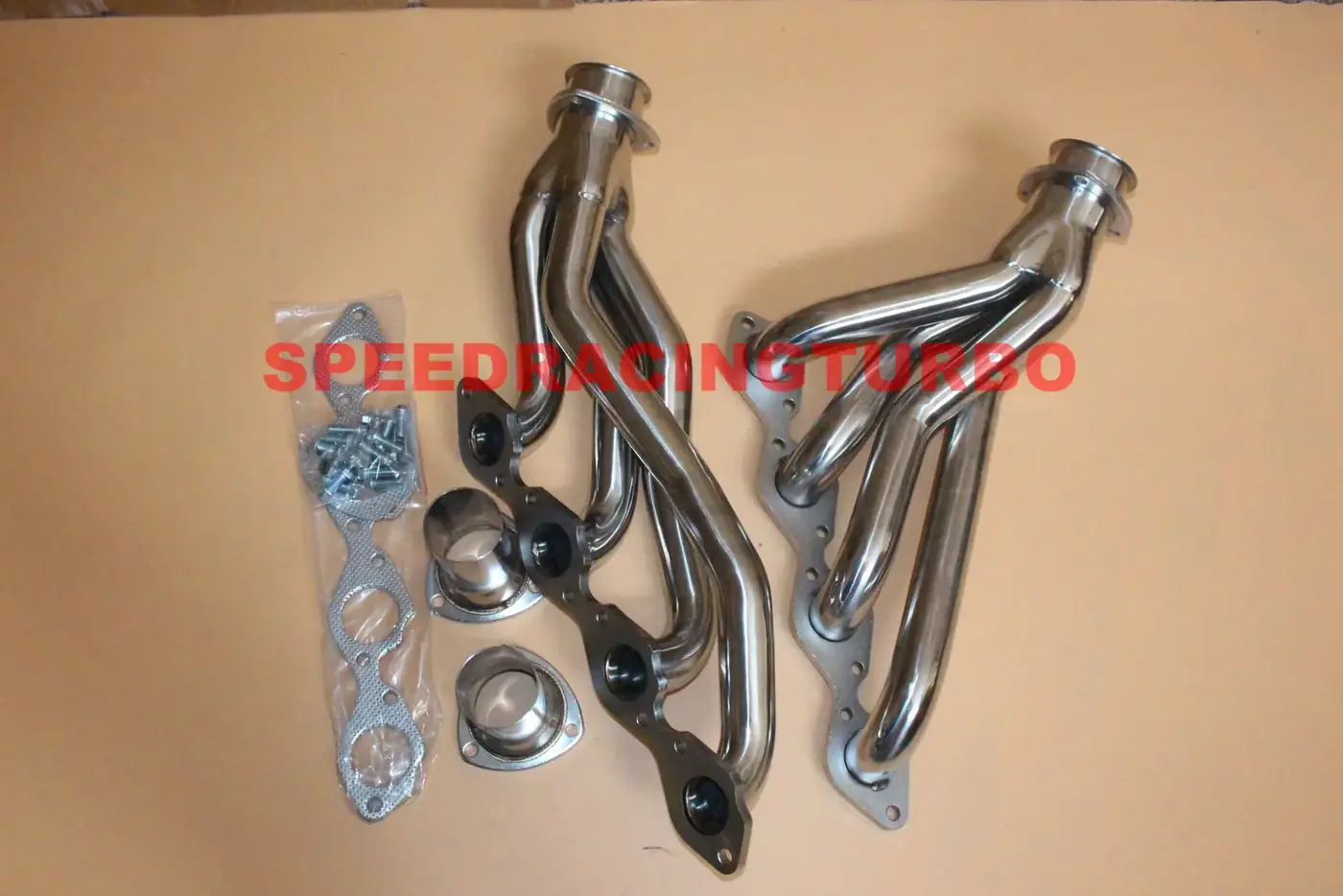
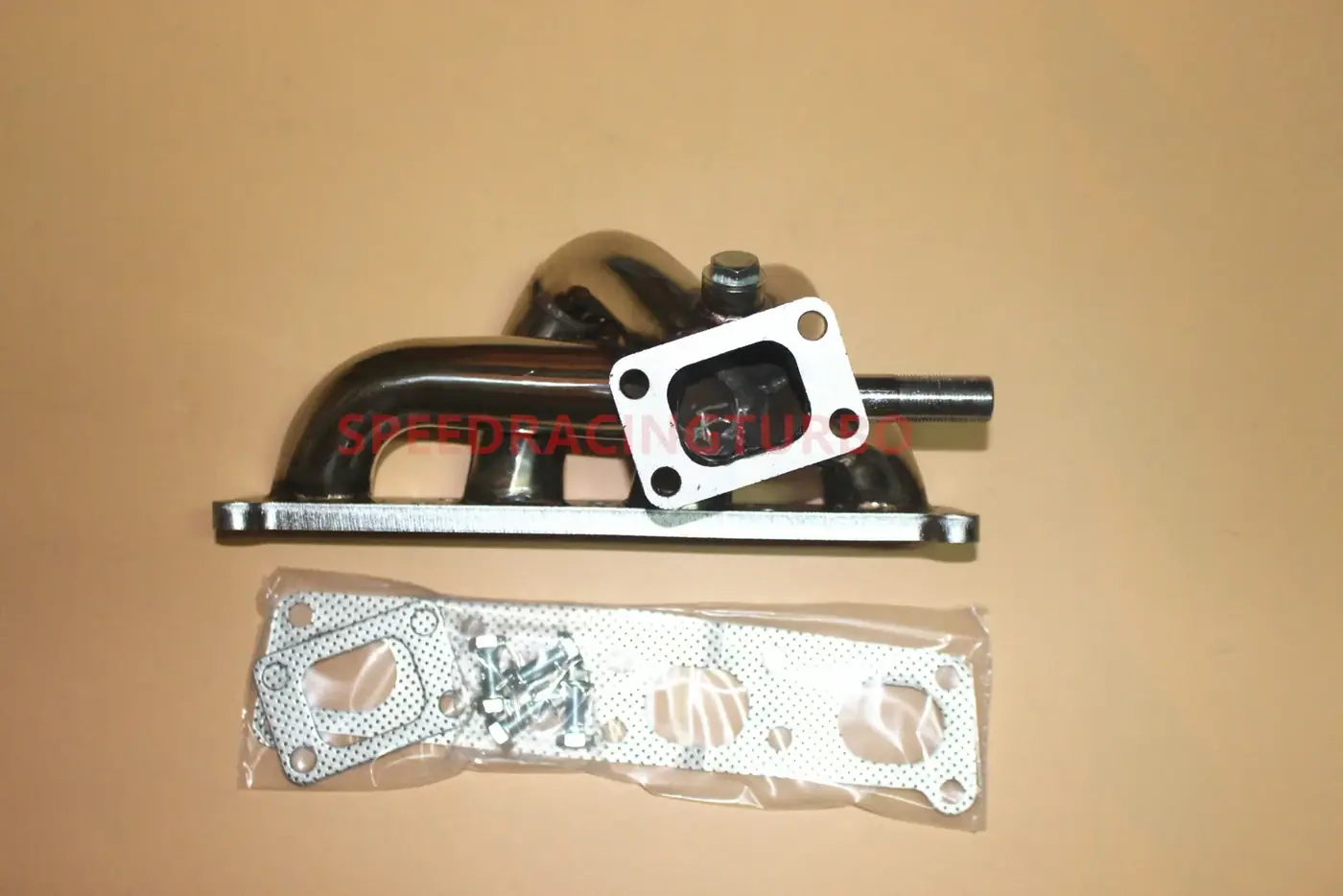
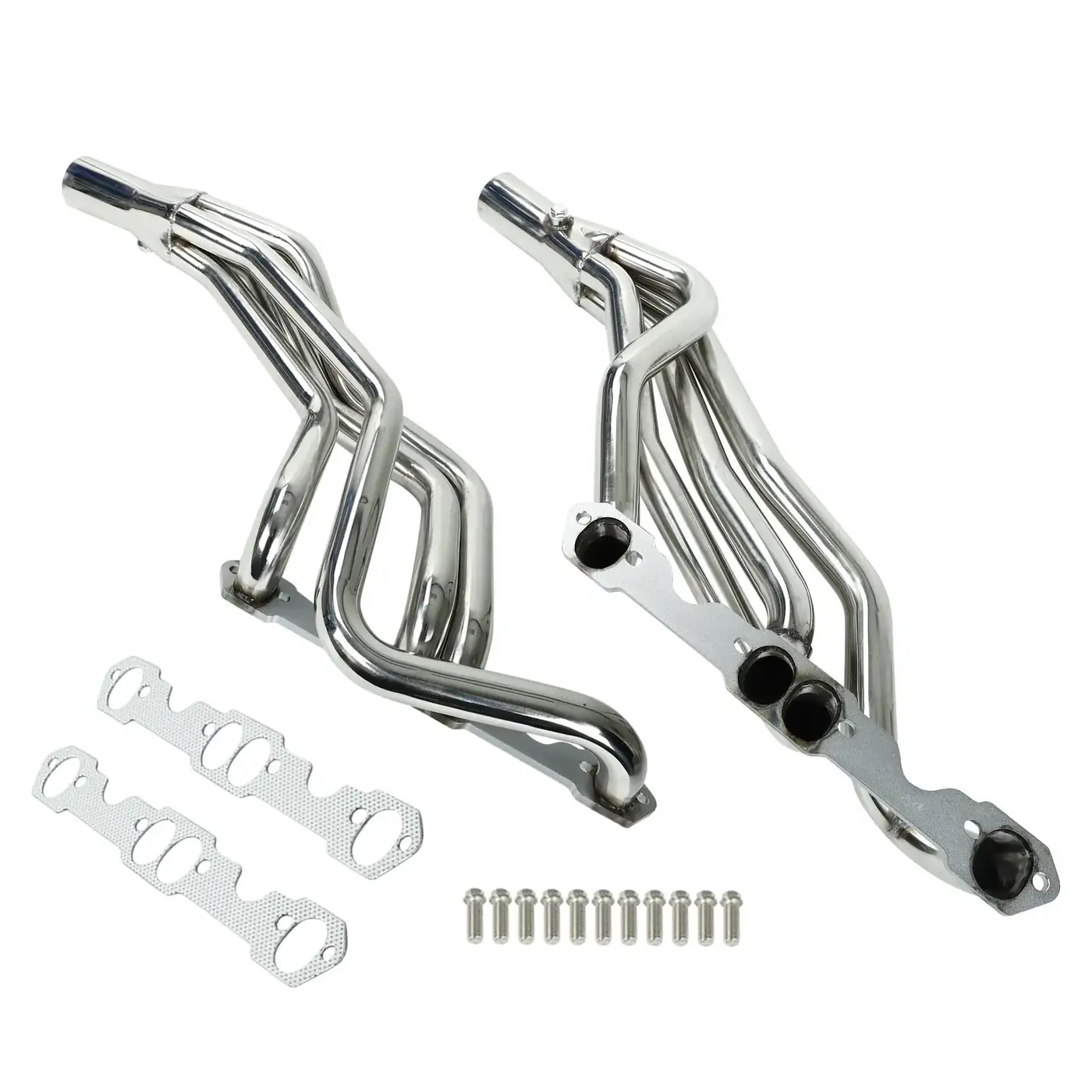
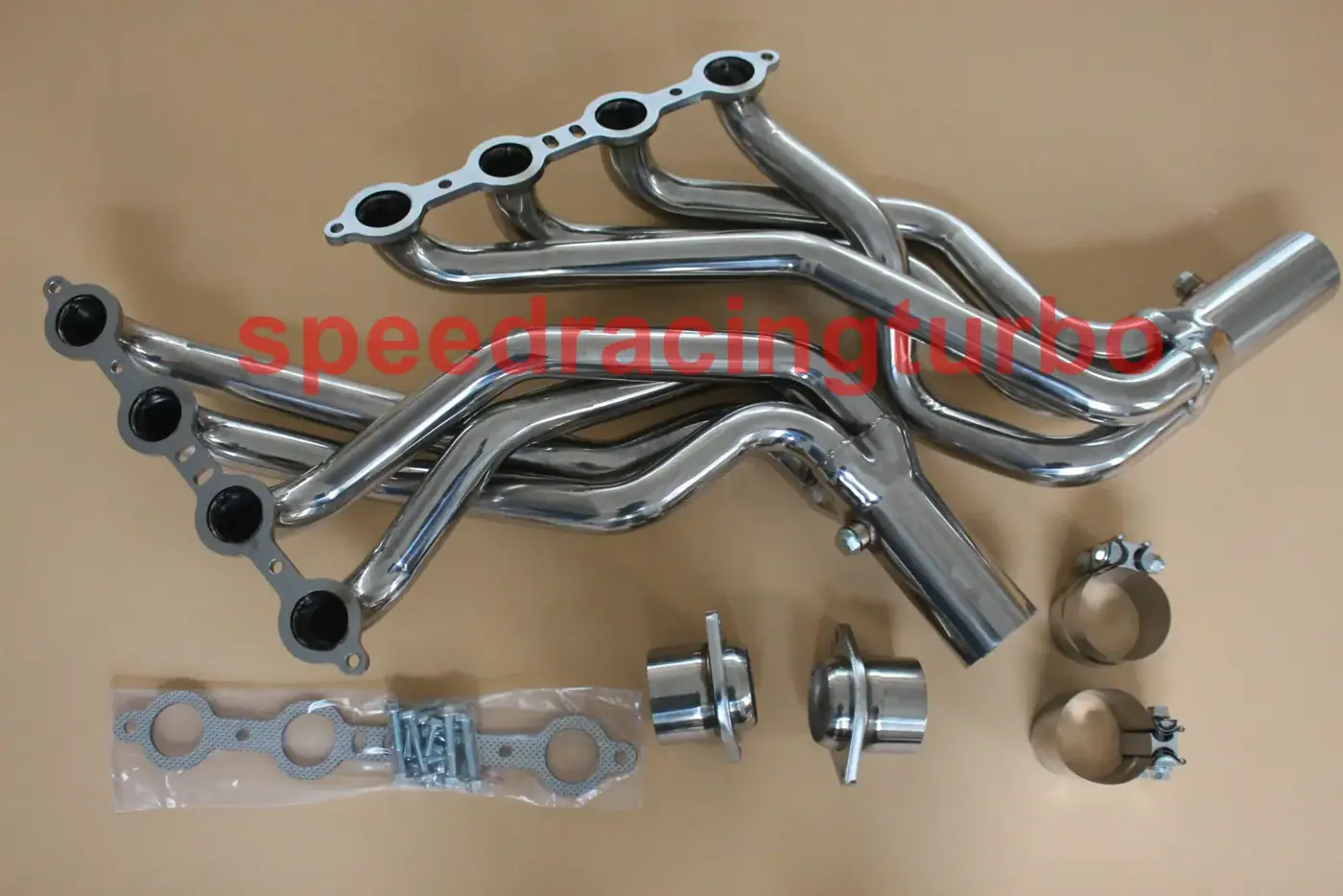
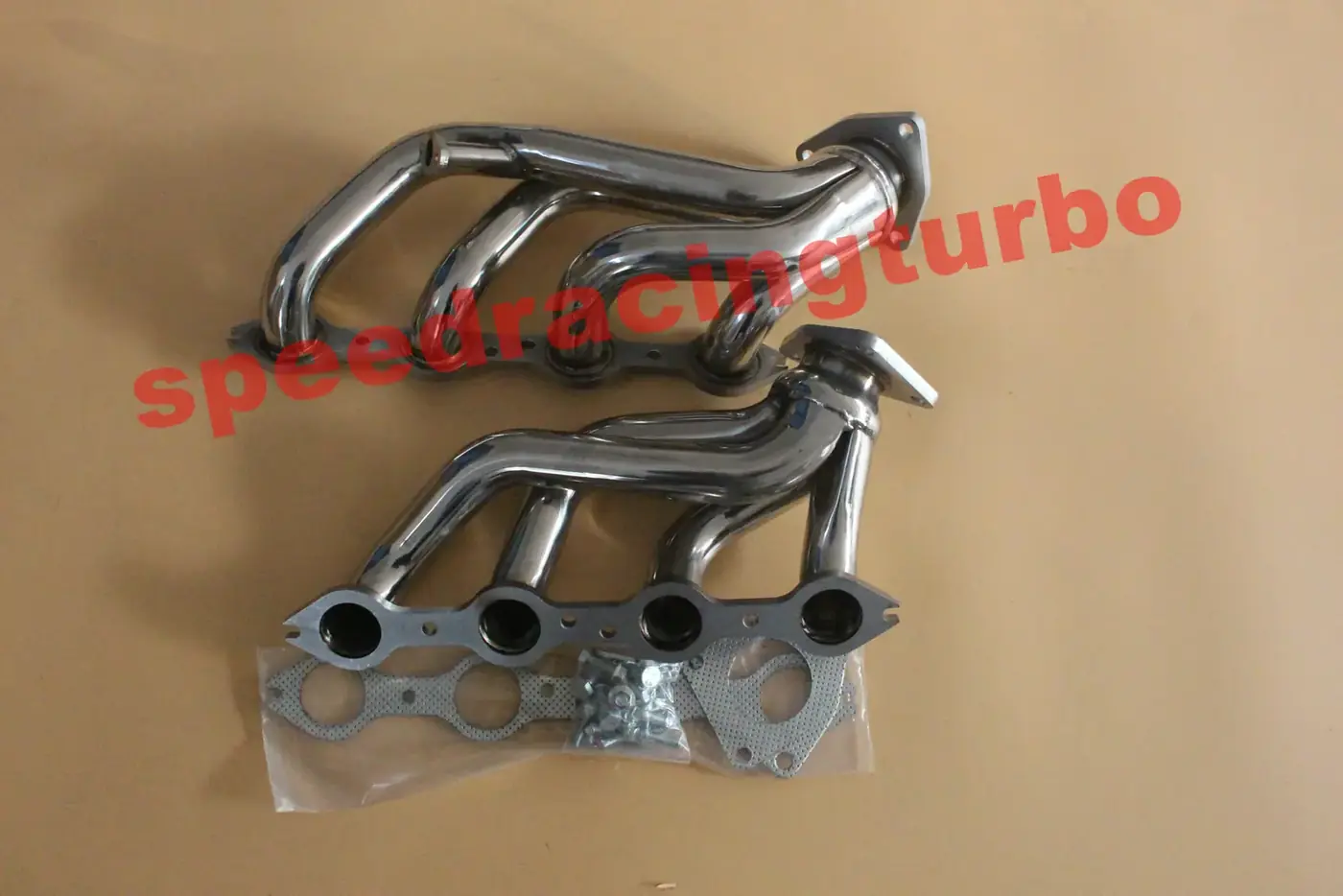
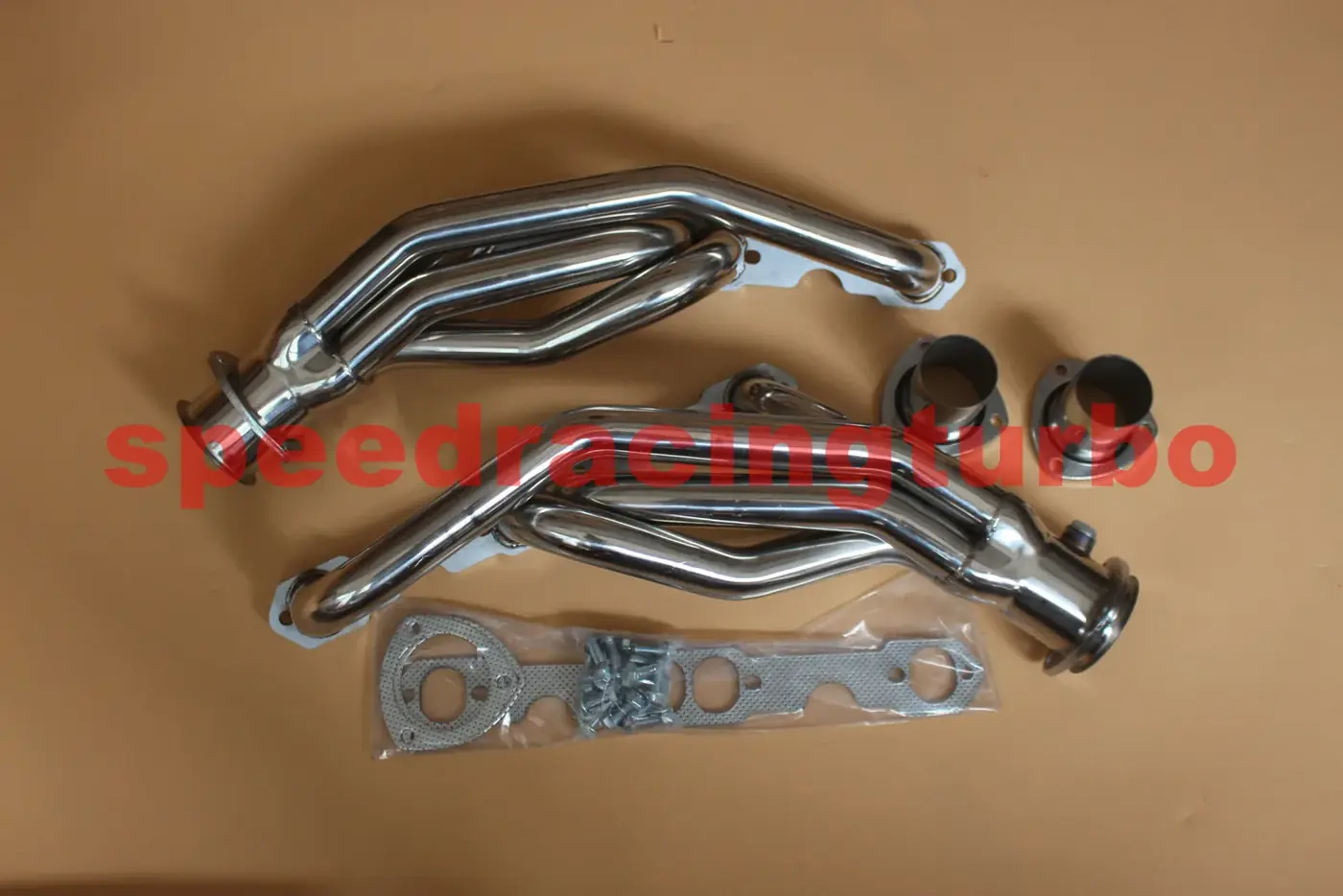
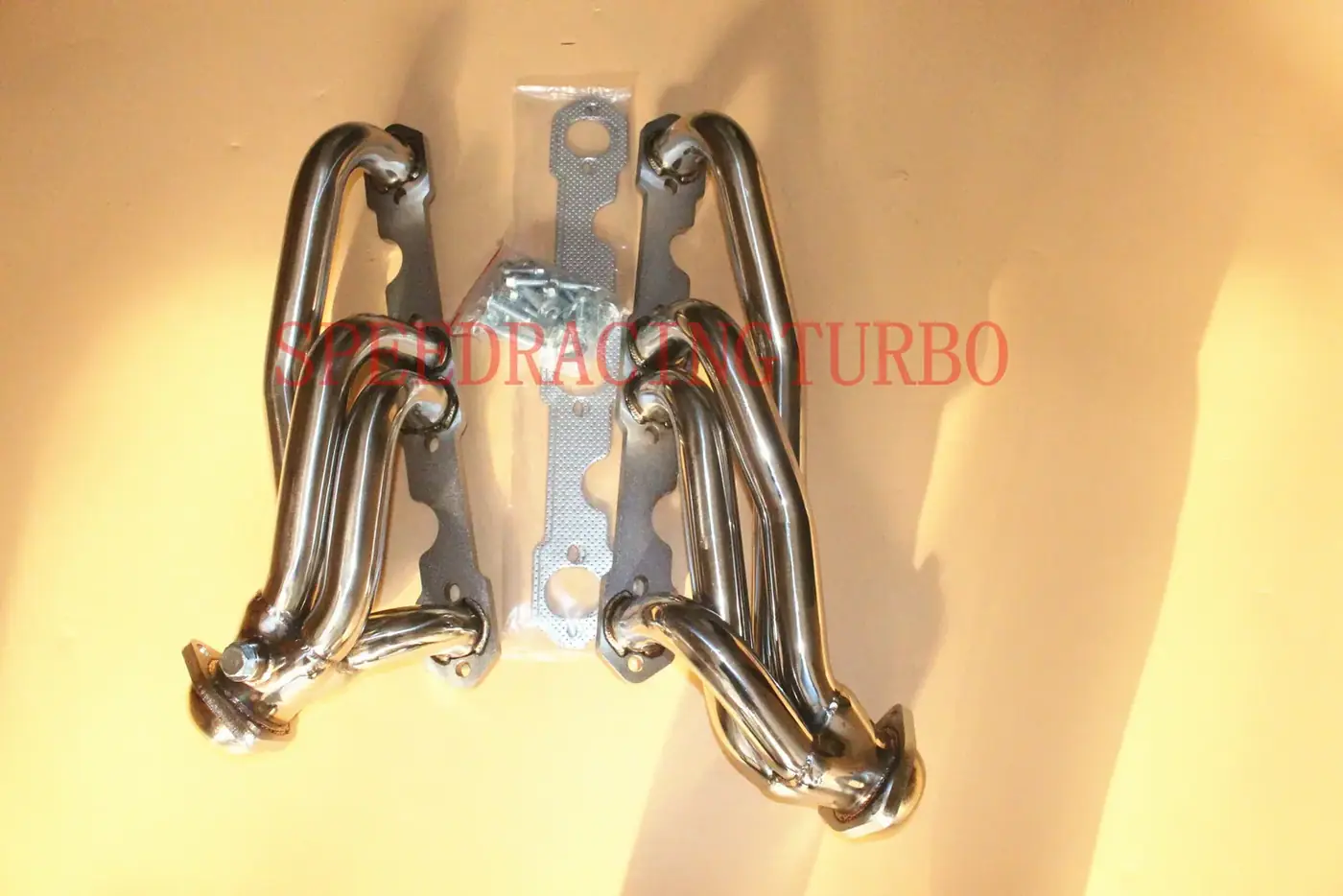
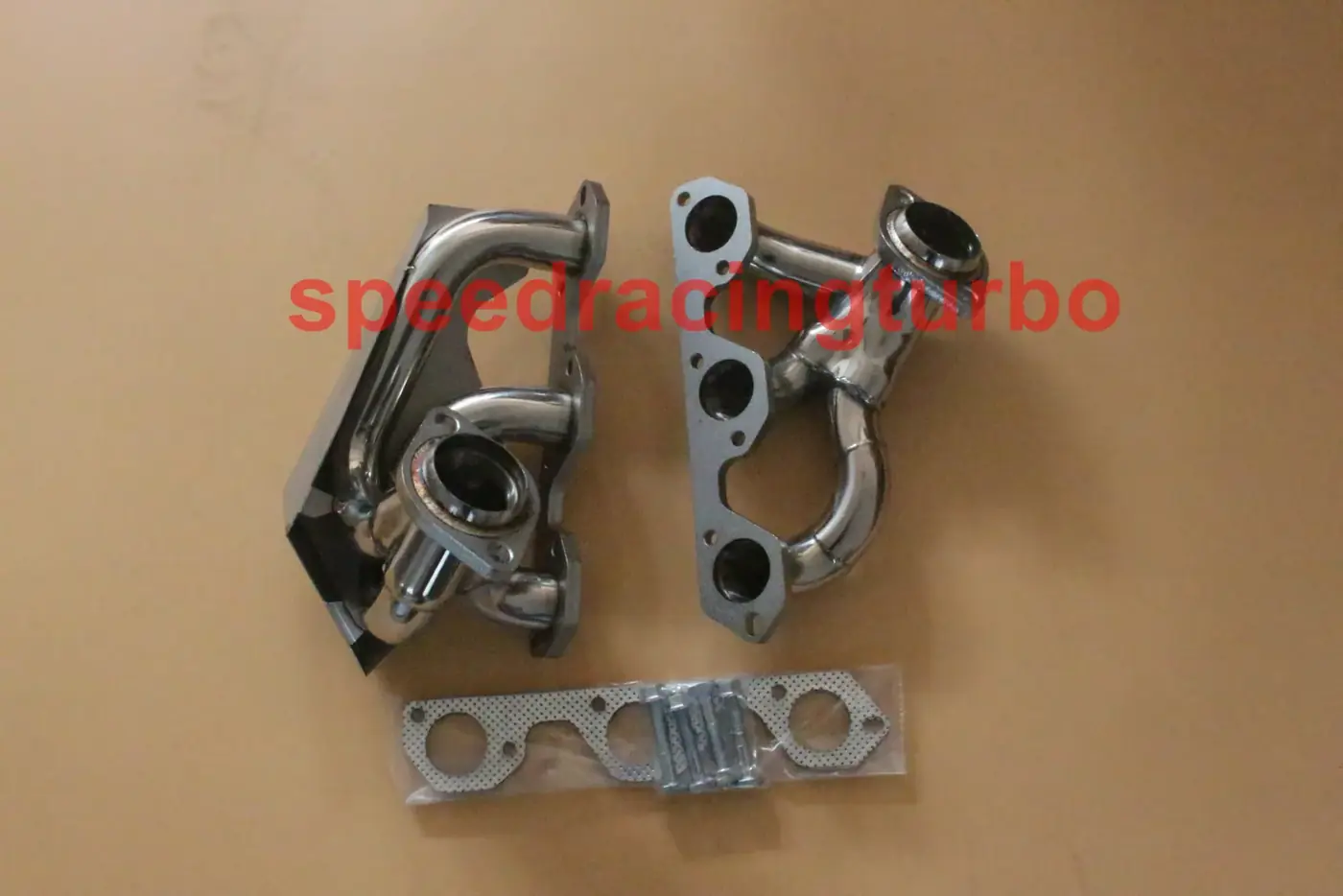
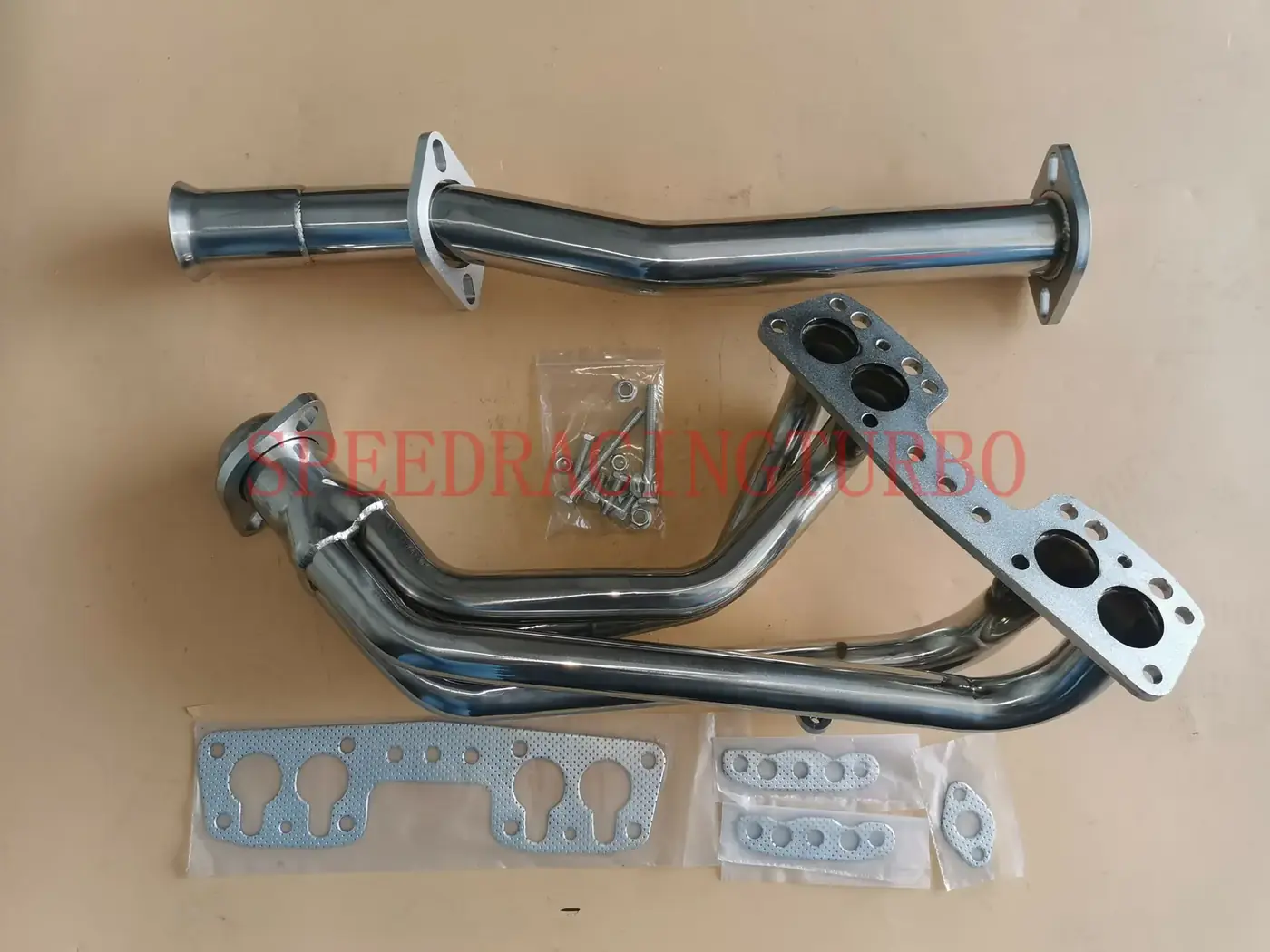
Vehicle specific stainless steel exhaust manifolds designed to replace factory cast iron or mild steel manifolds with improved flow and durability
Full range
Every Exhaust Manifold Part Number We Supply
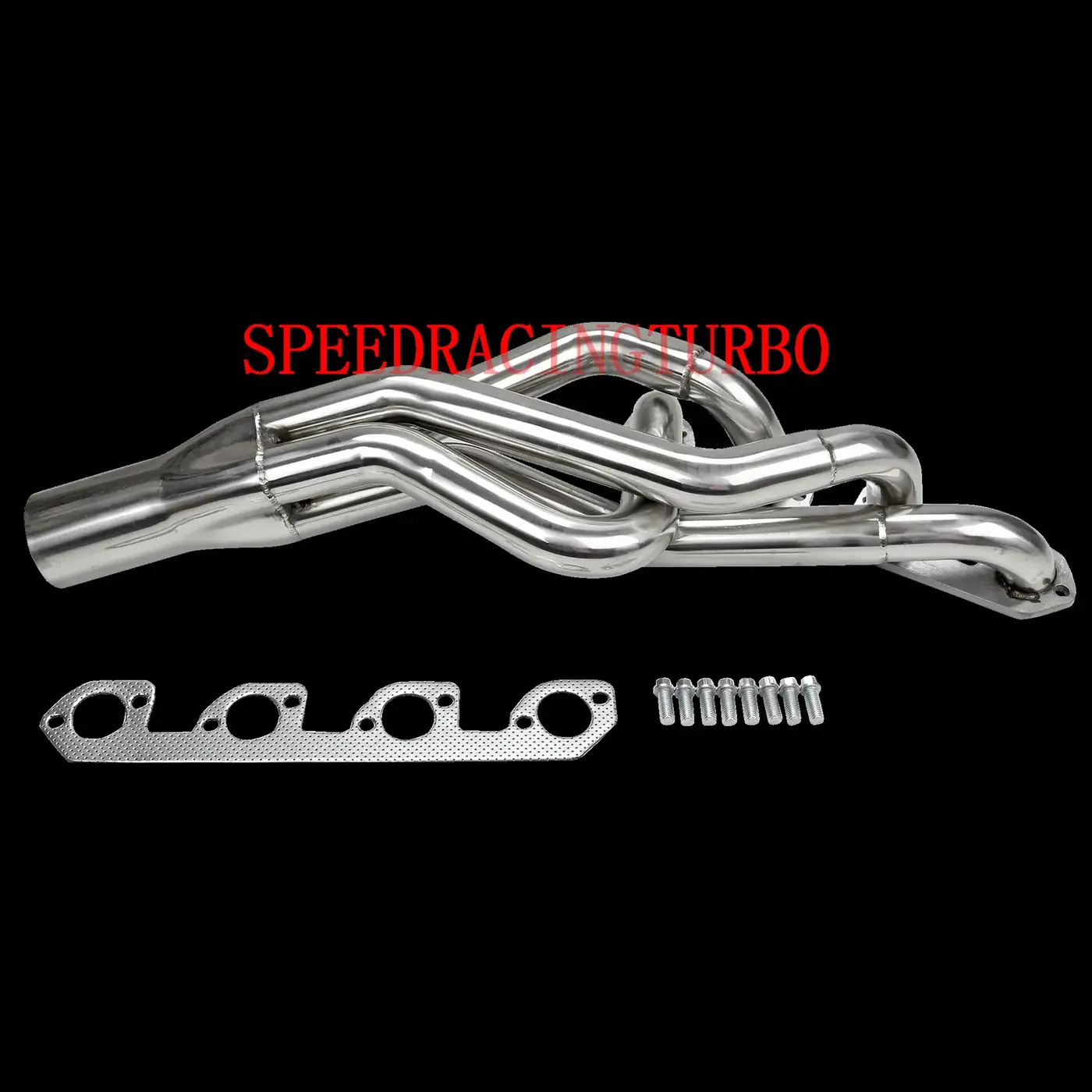
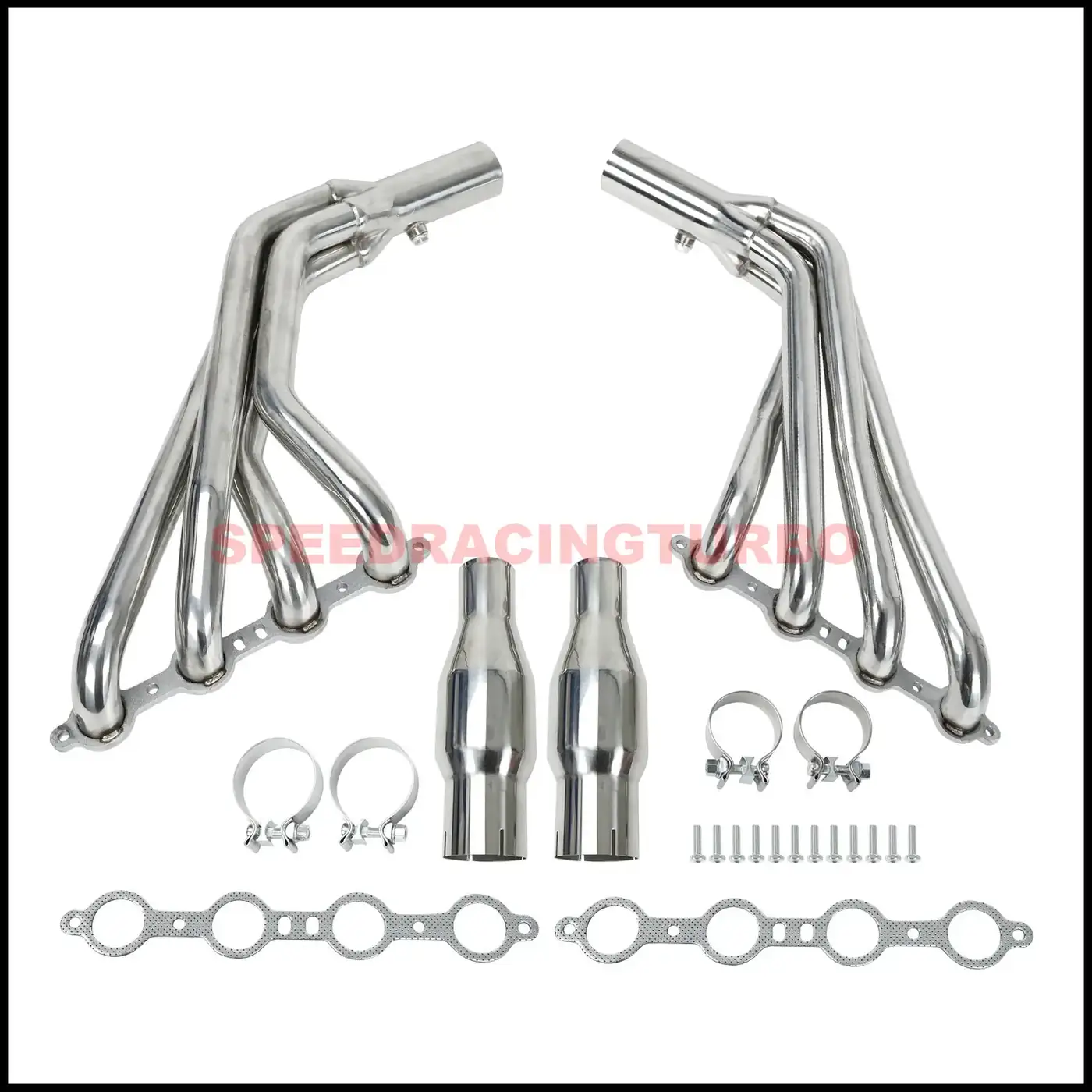
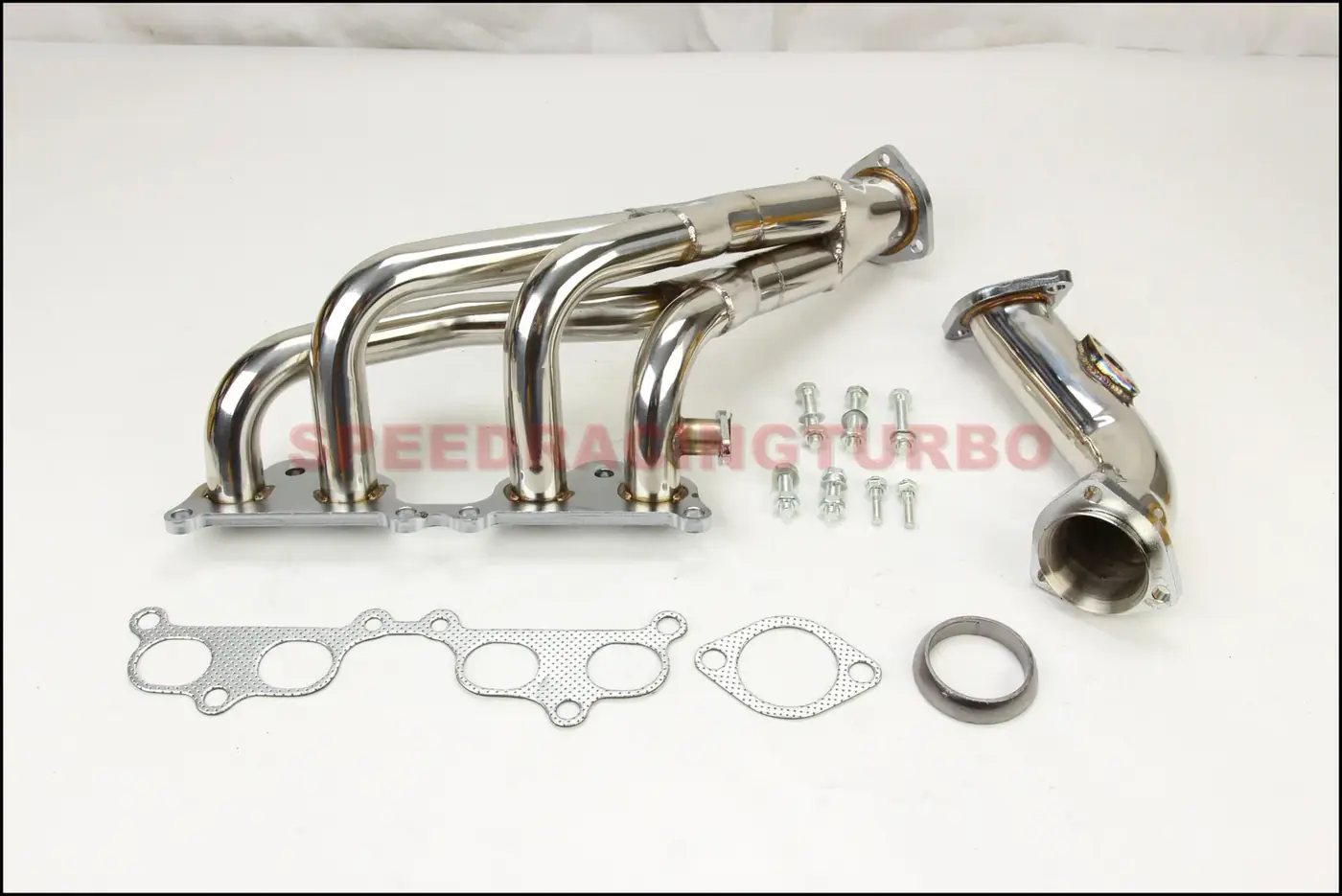
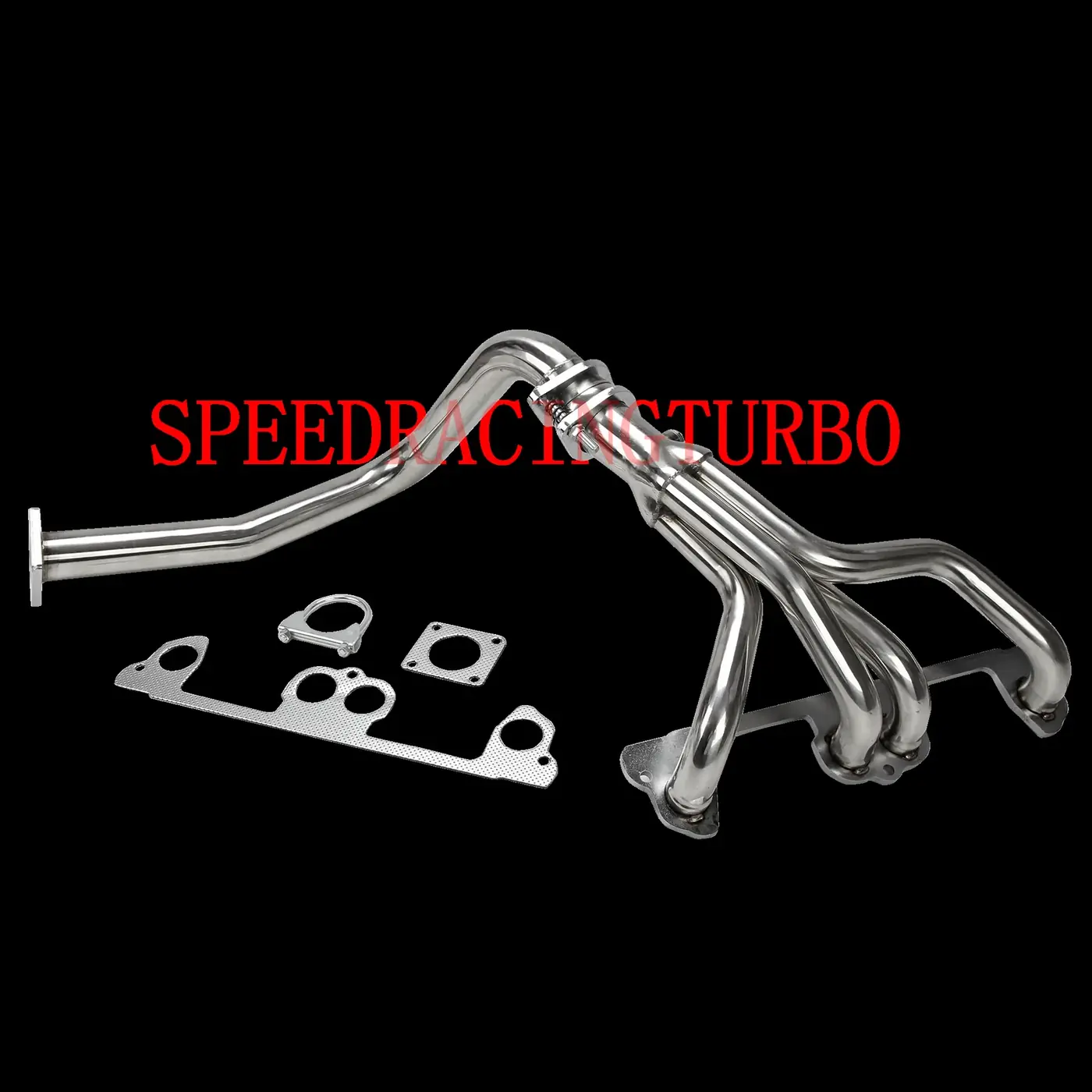
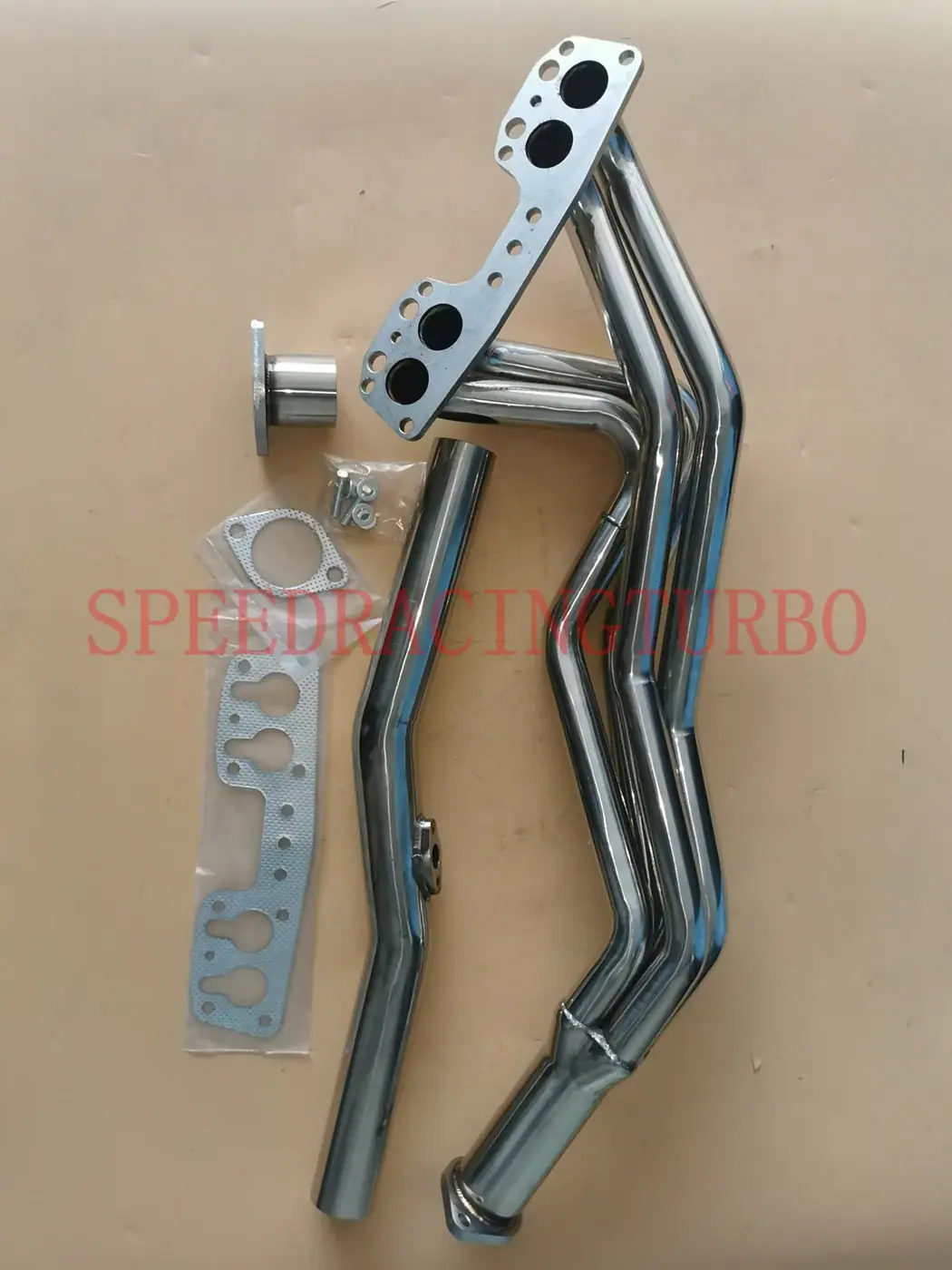
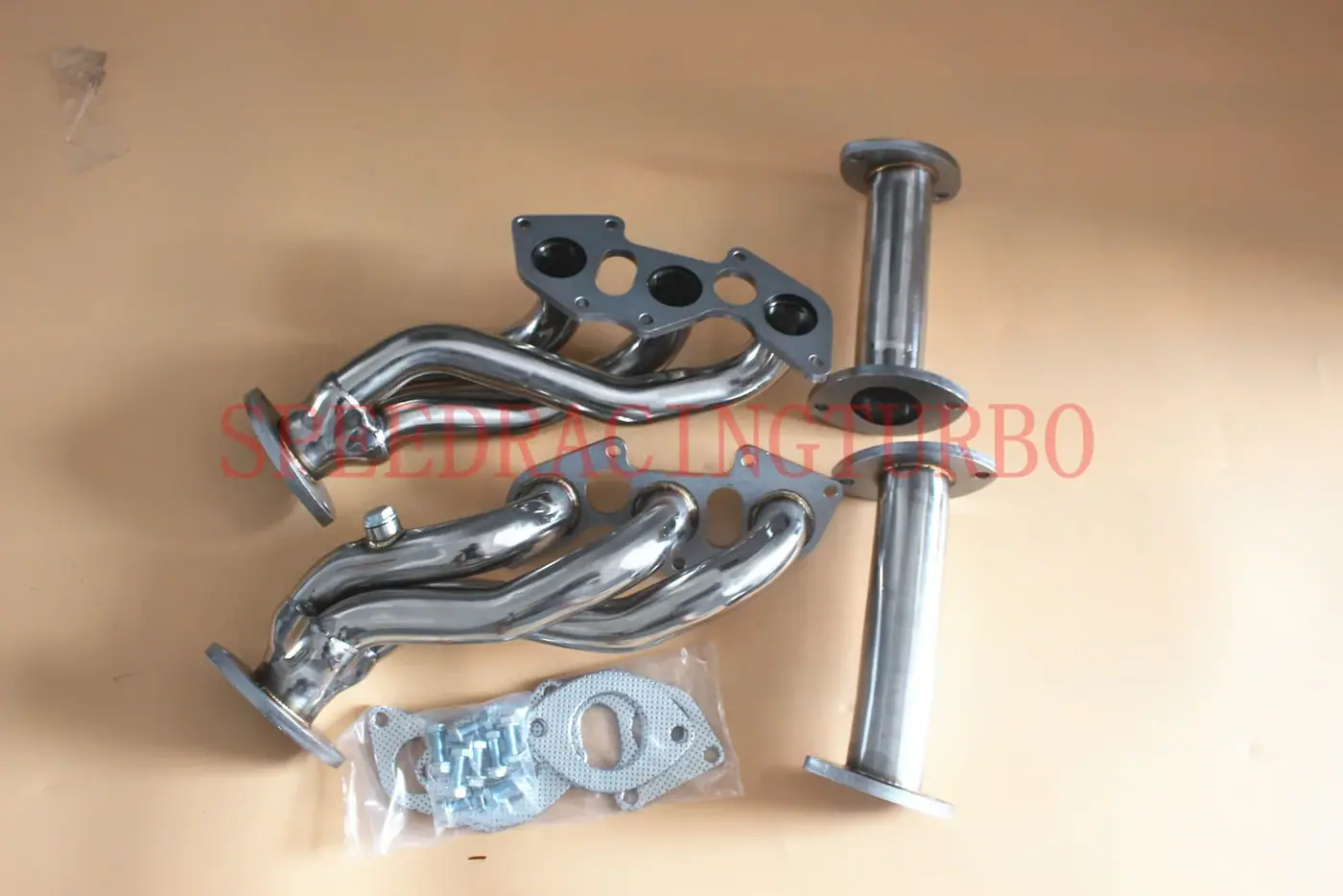
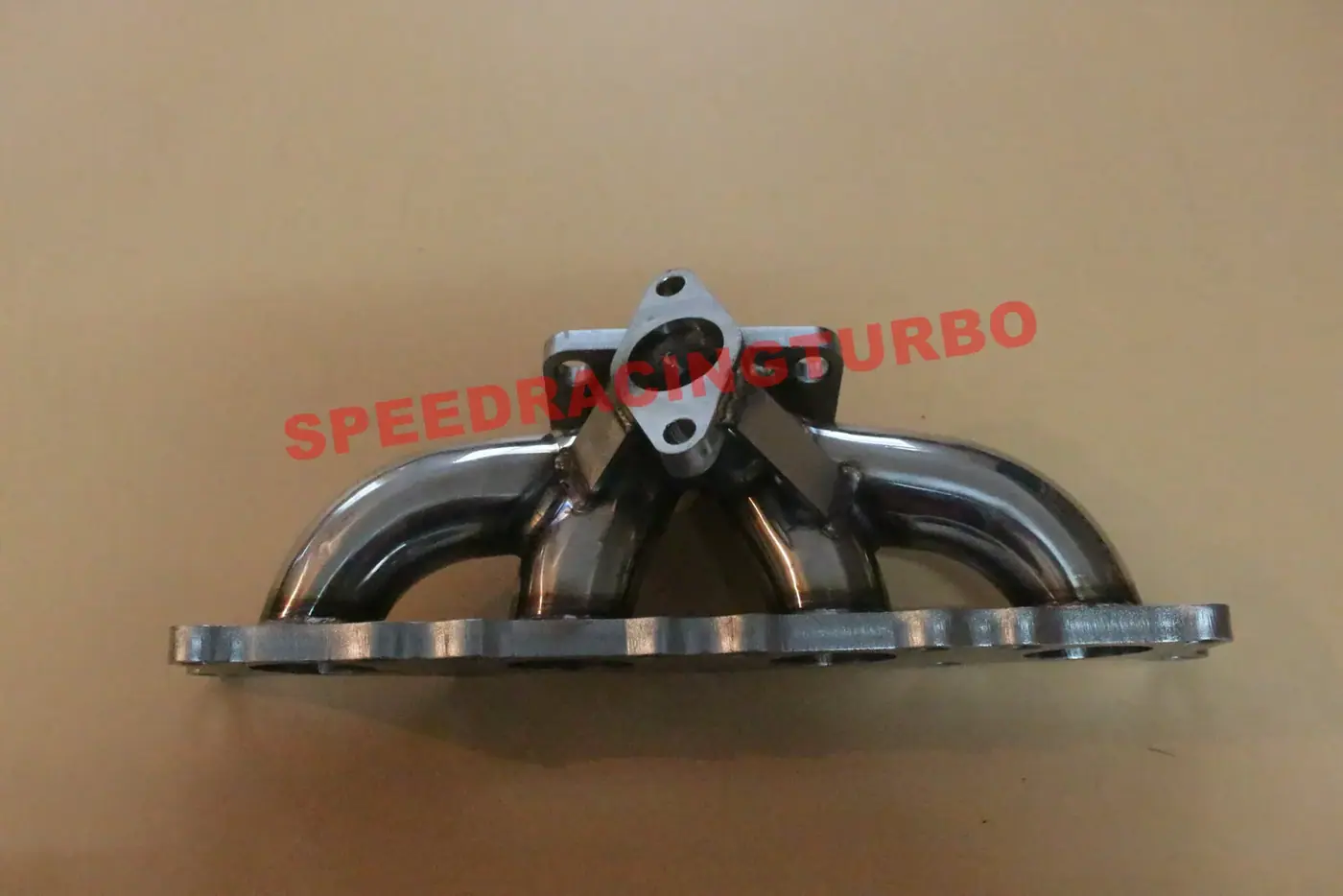
Why It Exists
Problems This Category Solves
- Factory cast iron manifolds crack under heat cycling and thermal stress during high-performance driving
- Mild steel manifolds rust at the flange and gasket surfaces within months of exposure to moisture and road salt
- Poorly fitted manifolds leak at the cylinder head joint, causing loss of engine power and increased exhaust noise
- Universal or bolt-on manifolds require cutting, welding, and custom fitting, increasing installation time and labour cost
- Inconsistent flange flatness on aftermarket manifolds leads to gasket failure and exhaust leaks under load
Buyers
Who Buys This Category
- Performance parts distributors buying vehicle-specific exhaust hardware by the pallet
- Diesel and truck accessory wholesalers stocking bolt-on manifolds for popular pickup and muscle car platforms
- Independent installation shops that need reliable, fitment-verified manifolds with no custom fabrication
- Online auto parts sellers requiring vehicle-specific listings with clear fitment data and clean product images
Advantages
What Makes These Parts Different
- 201 stainless steel construction resists corrosion and heat cycling better than cast iron or mild steel
- CNC machined flanges ensure consistent flatness and sealing surface for reliable gasket performance
- Mirror polish finish reduces surface friction and improves heat dissipation compared to raw steel
- Vehicle-specific fitment eliminates the need for cutting, welding, or custom fabrication
- Includes gaskets where specified in the part number, reducing the need for separate gasket sourcing
Applications
Where These Parts Are Used
- Performance shops upgrading a 1997-2004 Corvette C5 with a 5.7L LS1 to reduce exhaust back pressure and improve throttle response
- Distributors stocking long tube headers for 1979-1993 Ford Mustang GT with 5.0L V8 for the North American muscle car market
- Truck workshops replacing cracked manifolds on 2005-2010 Chevrolet Cobalt HHR with 2.2L/2.0L engines
- Online sellers offering a bolt-on exhaust manifold for 1982-1992 Chevrolet Camaro SBC 5.0/5.7 with clear fitment and photo-ready finish
- Tuning shops installing a 1964-1989 Chevy long tube header pair on a classic Impala with SBC engine for show and street use
Knowledge
Related Guides
Long Tube Vs Shorty Headers What Actually Changes
The practical differences between long tube and shorty exhaust headers, and which one to stock for which customer.
201 Vs T-304 Stainless For Exhaust Parts
What the two stainless grades used across this catalogue mean for corrosion, cost and where each one belongs.
Exhaust Header Installation And Torque Practice
A working sequence for fitting stainless headers without leaks, warped flanges or snapped studs.
Answers
Exhaust Manifold Questions Buyers Ask
Does this fit a 2000 Ford Mustang GT 4.6L V8?
Yes. The part covers 1994-2004 Ford Mustang GT 4.6L V8 with a stainless steel pair and includes gaskets.
What material is used and why is it better than cast iron?
201 stainless steel with mirror polish. It resists rust and thermal cracking better than cast iron, especially in salted environments.
Is the flange already machined or do I need to modify it?
CNC machined flange is pre-fitted. The manifold ships as a complete unit with no additional machining required.
What size is the header primary tube?
1-7/8 inch OD. The inlet and outlet sizes are 1-7/8 inch OD and 3 inch OD respectively.
What is included in the package?
One exhaust manifold. Gaskets and hardware are included only if specified in the part number.
Quote Exhaust Manifold By Part Number
Send the part numbers and quantities you need and get pricing, packing options and lead time in the reply.