
comparison
Long Tube Vs Shorty Headers What Actually Changes
The practical differences between long tube and shorty exhaust headers, and which one to stock for which customer.
The Difference In One Paragraph
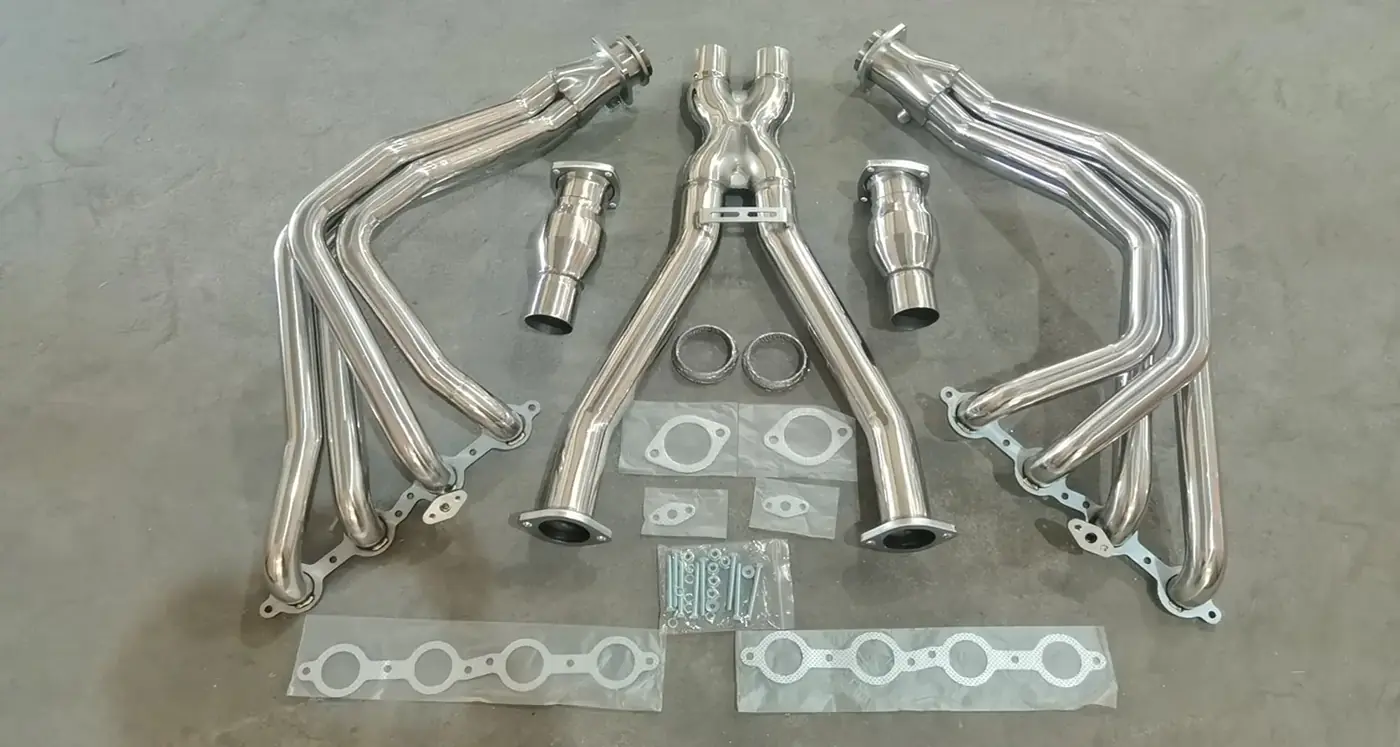
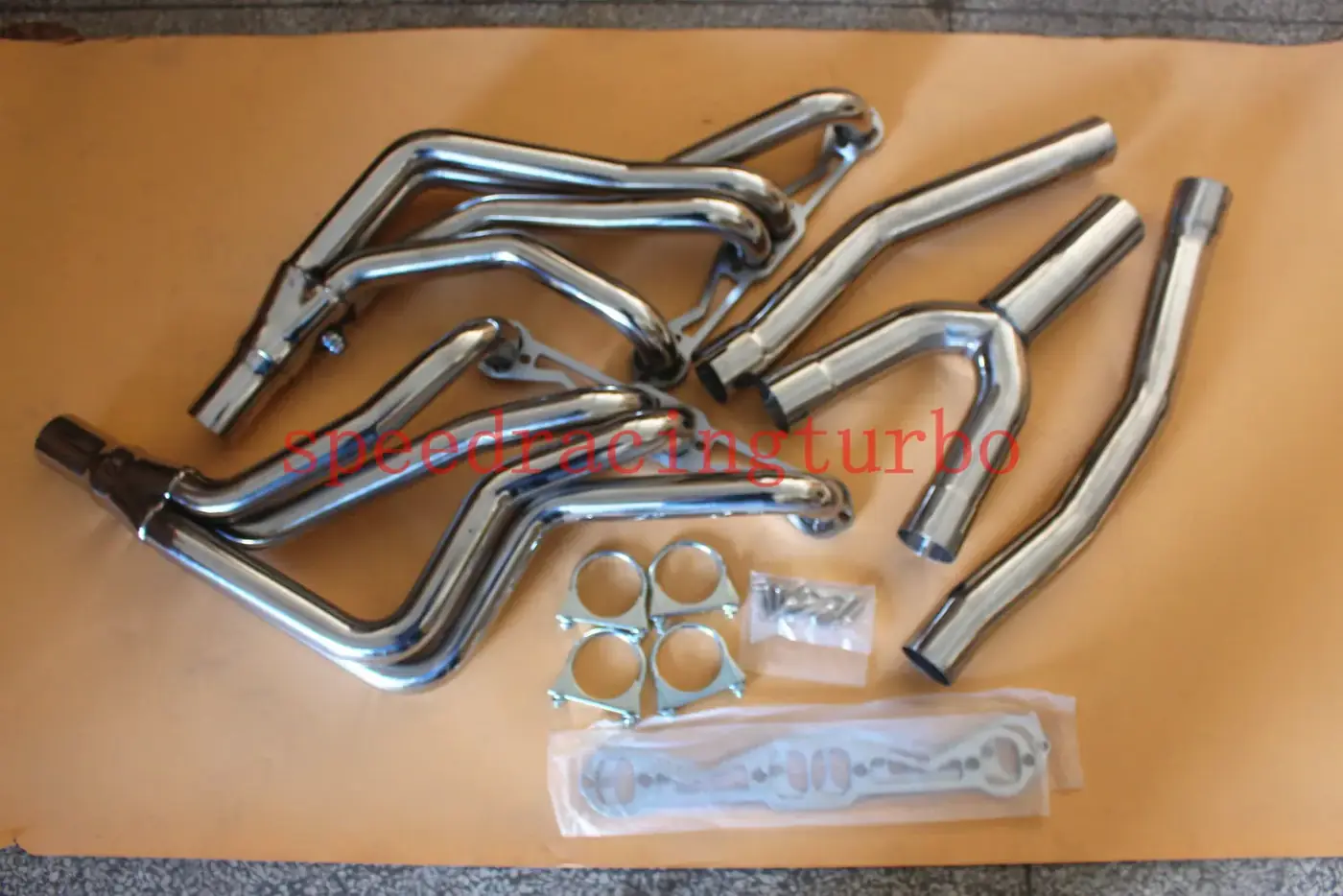
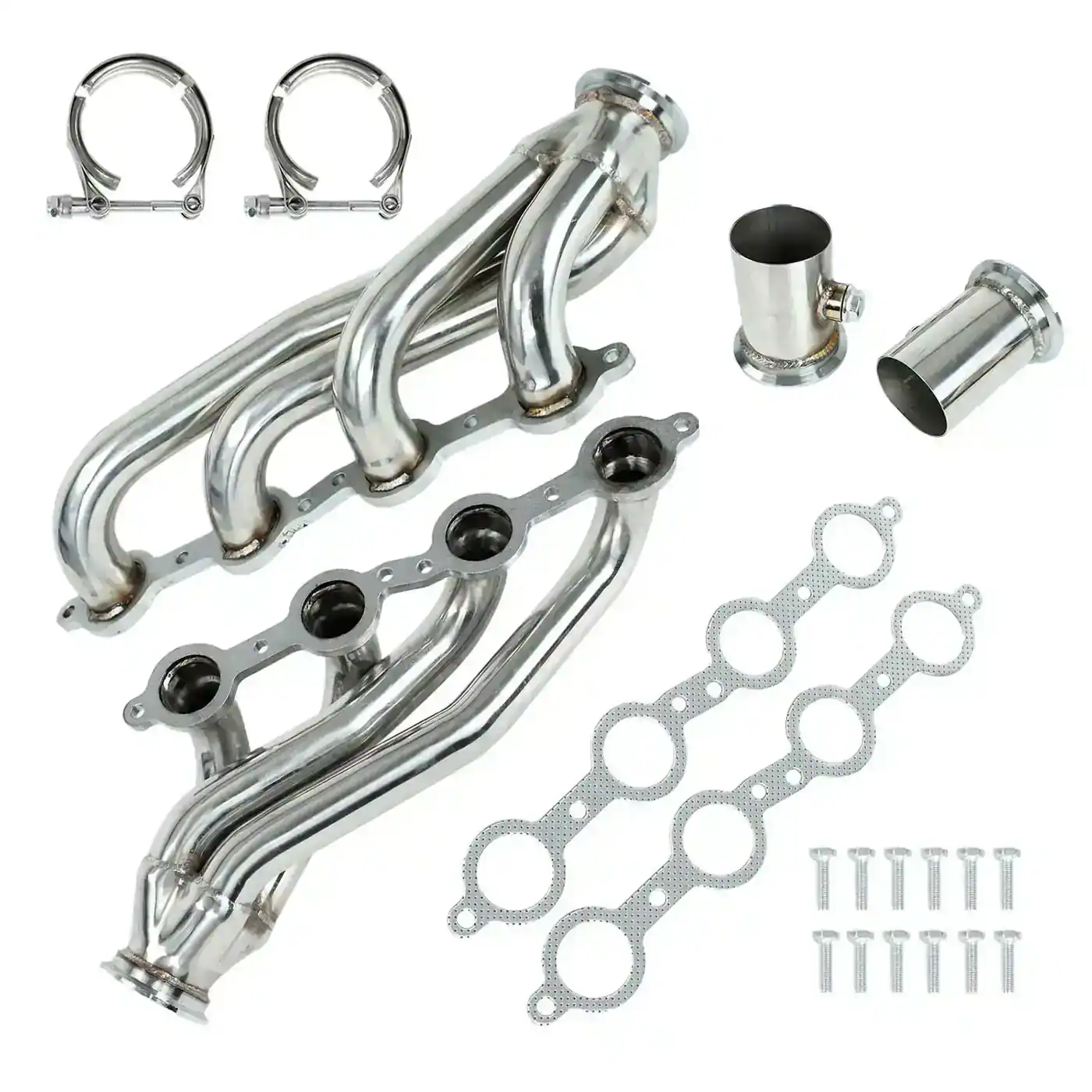
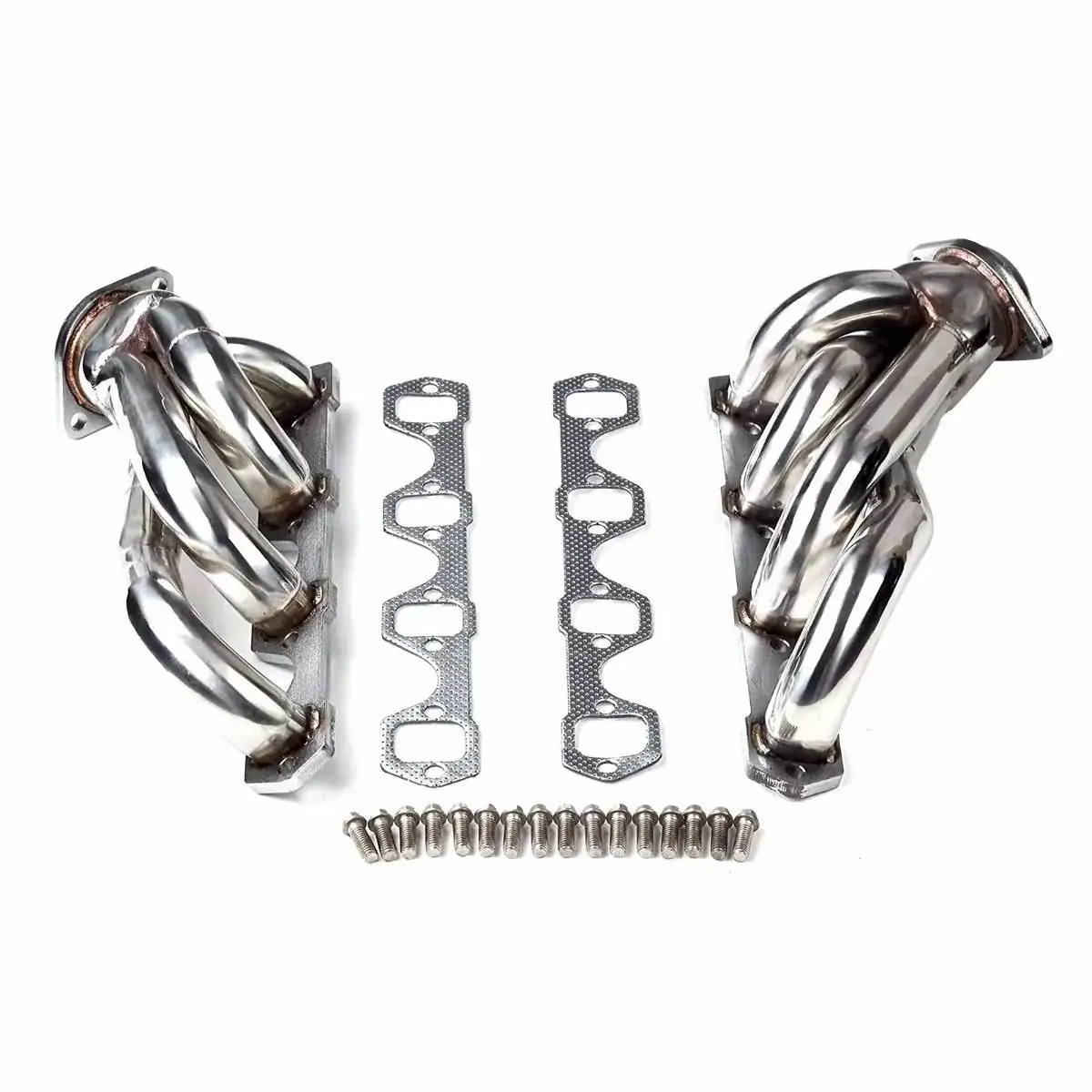
A shorty header replaces the cast manifold with short tubes that merge close to the cylinder head. A long tube header runs individual primaries much further down before they meet at a collector. Longer primaries give the exhaust pulses more room to scavenge, which usually moves the power gain further up the rev range. Shorties keep the factory packaging and are far easier to fit.
Fitment And Labour
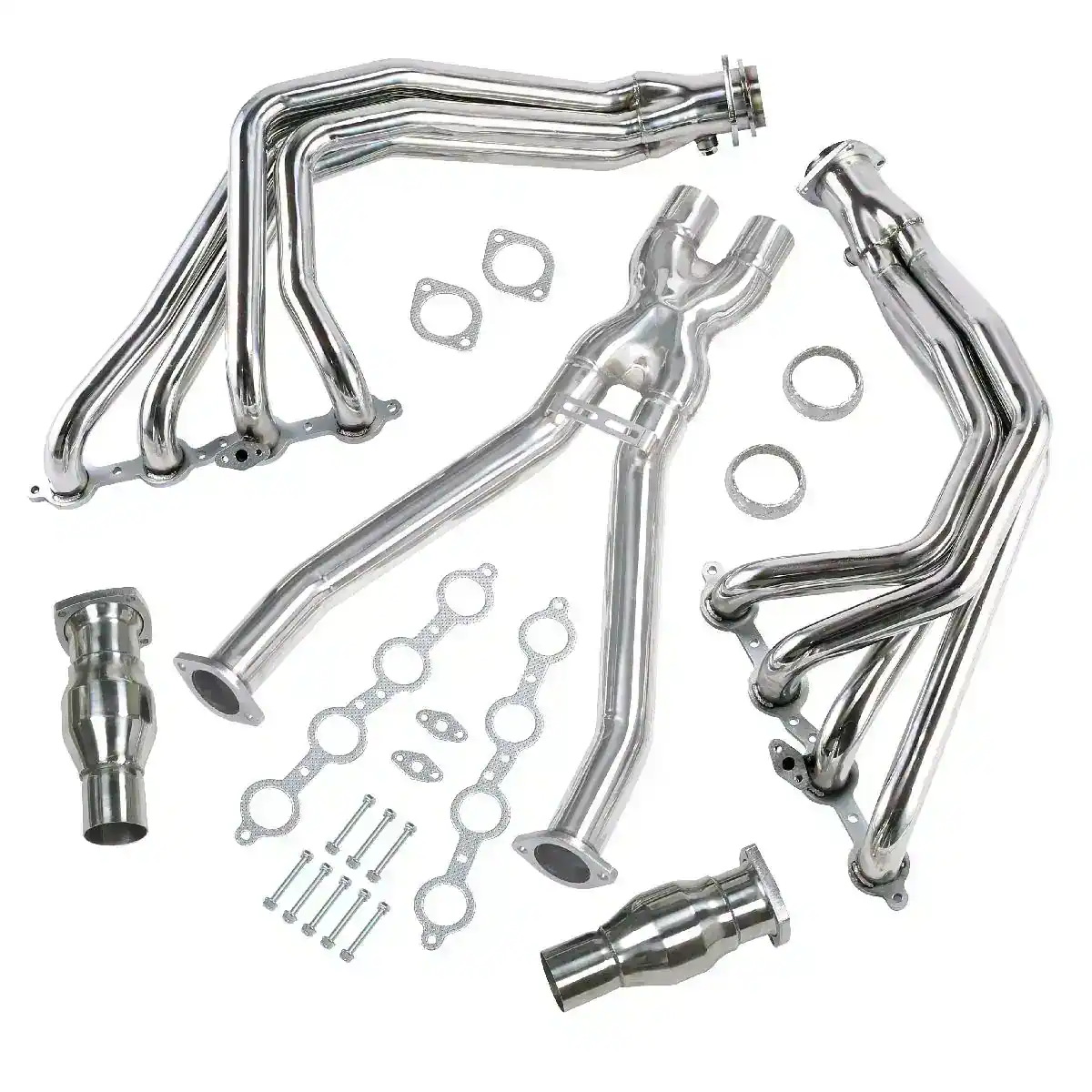
Long tubes touch more of the car. They can foul steering boxes, chassis rails and floor pans, and on many platforms they change where the exhaust joins the rest of the system. Shorty and block hugger designs bolt into roughly the factory space, so the job is closer to a straight manifold swap. When you are selling to a workshop, the labour difference is often a bigger factor than the airflow difference.
Sensors And Downstream Parts
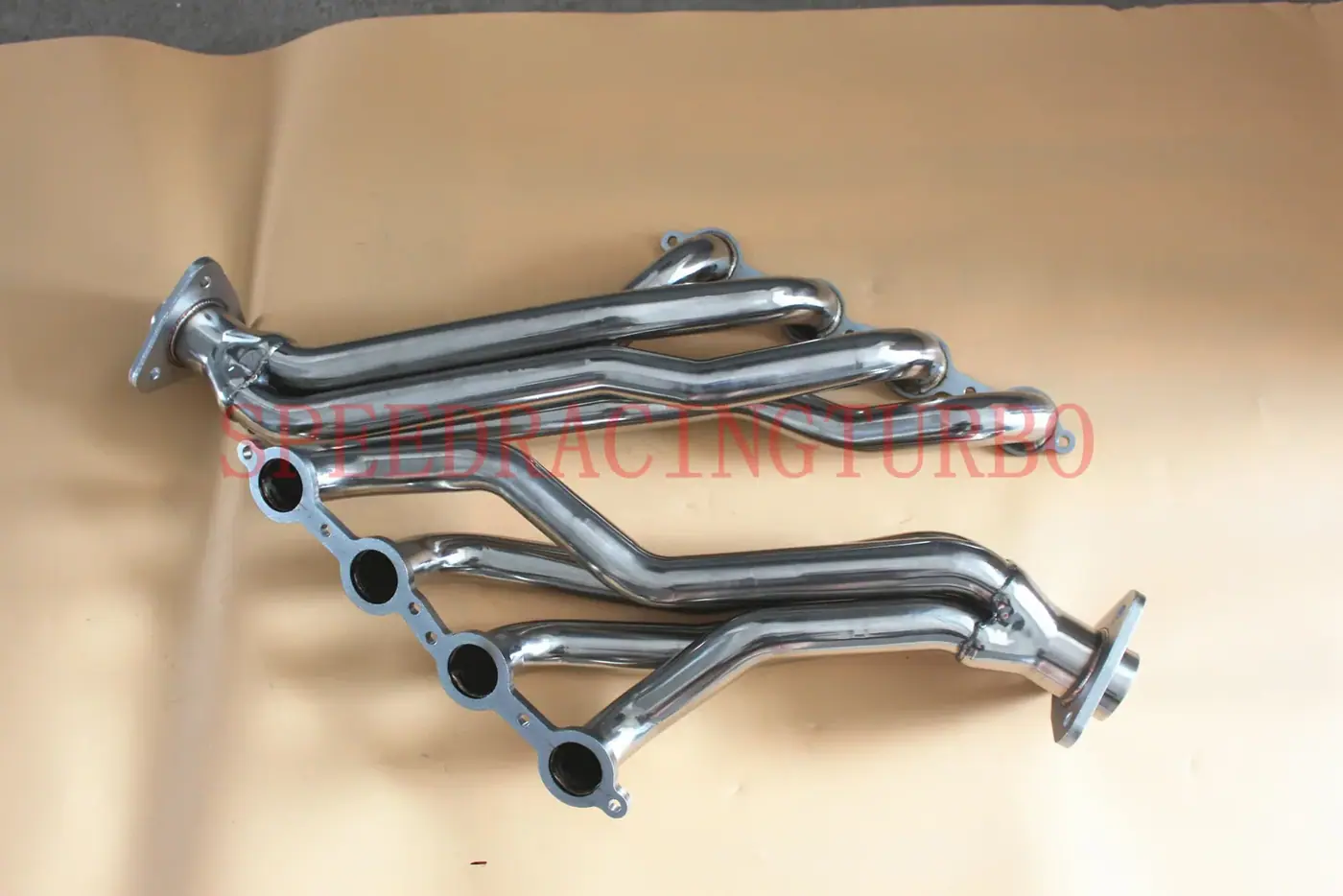
Moving the collector moves the sensor bungs. Check how many O2 sensor ports a header provides and where they sit, because a header with the wrong sensor provision turns a bolt-on job into a wiring job. Header sets in this catalogue state the number of sensor ports where the specification includes them.
What To Stock
Restoration and swap builders usually want long tubes and accept the fitting work. Repair-driven customers replacing a cracked cast manifold usually want the shorty or block hugger. Stocking both for the same platform is how you stop losing one of those two customers.
Related categories
Parts covered
Products This Guide Applies To
Answers
Questions On This Topic
Do long tube headers always make more power?
No. They tend to help most in the upper rev range on an engine that can use the extra flow. On a stock engine driven in traffic the difference is much smaller than the marketing suggests.
Which is easier to install?
Shorty and block hugger headers, by a wide margin. They stay close to the factory manifold envelope.
Do I need to change the rest of the exhaust?
Often with long tubes, rarely with shorties. Check the collector position against the pipe already on the vehicle.
Ask Before You Order
A two line email about the vehicle and the job saves a return later.