
How To Cold Bend PVC Conduit With a Spring
The four step method our customers use to turn corners in pipe, and the mistakes that flatten a bore.
Why Bend Instead of Fitting an Elbow
Every elbow adds two joints, two cement operations and one more line item that can be out of stock. A bend made from pipe removes all of them and keeps the run continuous.
Step One Choose a Spring That Fits
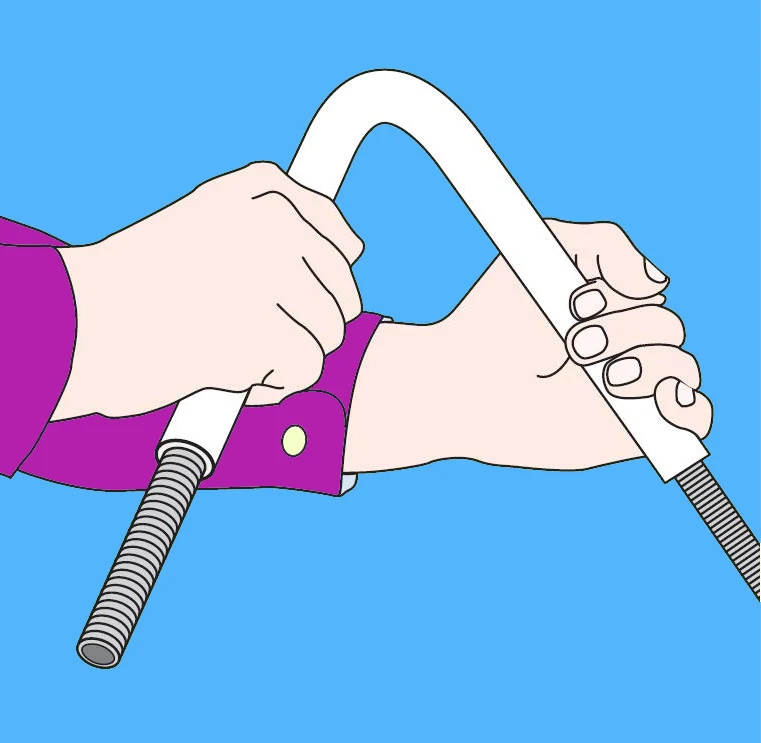
Choose a bending spring matched to the size of the PVC pipe. A spring that is too small lets the wall fold inwards at the apex of the bend.
Step Two Position It
Push the spring along the bore until it sits under the whole length of the intended bend, not just its centre.
Step Three Form the Angle
Bend by hand at room temperature. The pipe can be bent from 5 to 180 degrees without breaking when the spring is supporting it.
Step Four Withdraw and Inspect
Pull the spring out and look down the bore. If the section is still round, the draw wire will pass; if it has flattened, the spring was the wrong size or was not under the apex.
What Goes Wrong
The two common faults are an undersized spring and bending the pipe cold in genuinely cold weather. Both show up as a flattened or cracked outer wall at the apex.
What We Extrude
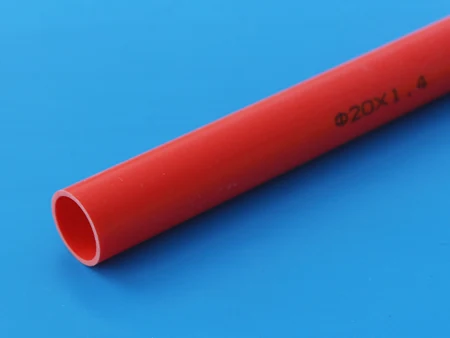
20mm PVC Conduit
20 mm is the size most installers reach for first.
View product →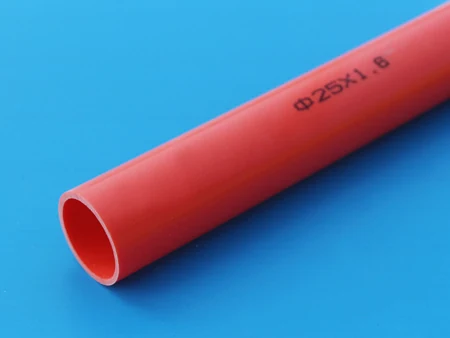
25mm PVC Conduit
25 mm is the step where a run stops serving one circuit and starts serving several.
View product →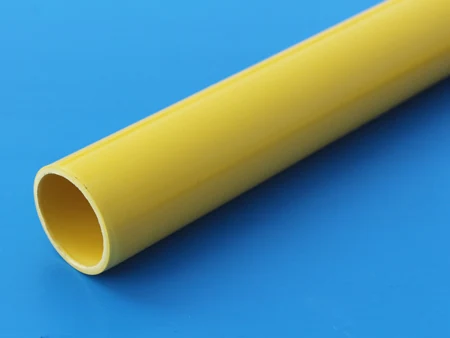
32mm PVC Conduit
The 32 mm conduit carries the distribution leg: power supply, lighting and data cables sharing a route through an office building or a large house.
View product →Quick Answers
How far can the pipe be bent?
From 5 to 180 degrees over a correctly sized spring, without the pipe breaking.
Does the buyer need a different pipe grade for bending?
Yes, order from the cold bending range. The rigid grade is formulated for straight runs joined with fittings.
Need This Specified for a Project
Send the requirement and we will answer with sections, quantities and a lead time.