
The Cold Bending Conduit System Explained
Pipe, spring and technique together: how installers turn corners without elbows and what it removes from your order.
Step by Step
Choose the Spring
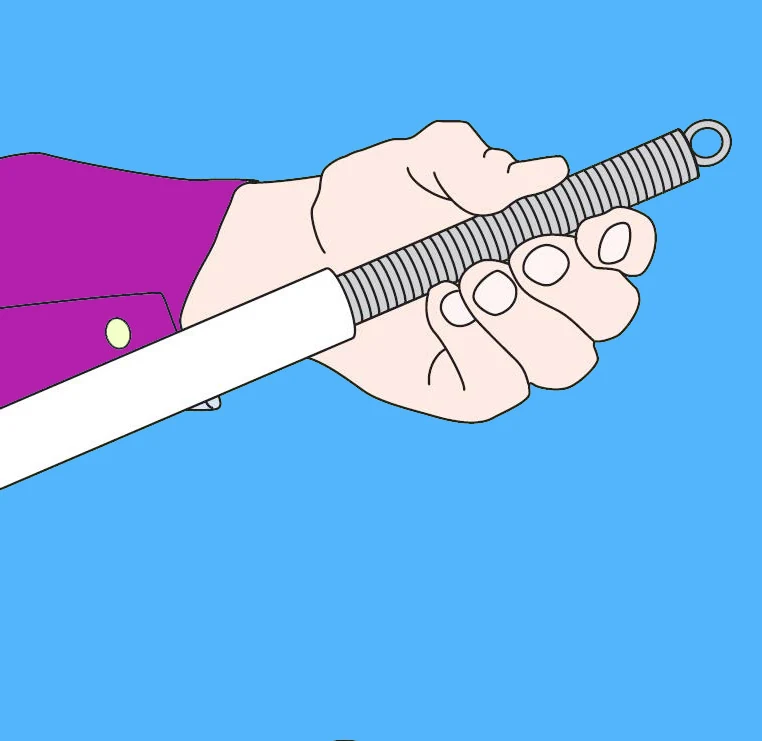
Pick a bending spring that matches the conduit size. A spring that is loose lets the wall kink; the size ladder of springs mirrors the pipe ladder.
Insert and Position
Slide the spring to the point of the bend so the bore is supported through the whole arc.
Bend Cold
Form the angle by hand at room temperature. The pipe takes 5 to 180 degrees without breaking.
Withdraw and Fix
Pull the spring back out and fix the run. The bore keeps its section, so the draw wire still passes.
Count the Savings
Each bend made from pipe is one elbow, two joints and two solvent cement operations removed from the job.
The Commercial Frame
Payment
T/T 30% deposit, 70% before delivery
Incoterms
EXW, FOB, CFR, CIF
Lead Time
7 to 15 days after the advance payment, depending on items and quantity
Container Loading
5 to 10 days to finish one high cube
Packing
PE bags or carton boxes; trunking bundled in printed white plastic bags
Samples
Free for quality and colour confirmation, courier paid by the buyer
Drawings
Production from your samples or technical drawings, moulds discussed case by case
Questions About Cold Bending Conduit System
Does bending weaken the conduit?
Formed over a correctly sized spring the pipe bends from 5 to 180 degrees without breaking and keeps its bore, which is exactly what the cold bending compound is formulated for.
Do you supply the bending springs?
Springs are part of the accessories range. Tell us which conduit sizes you are buying and we will quote the matching springs with them.
Can rigid conduit be cold bent?
Use the cold bending grade for formed corners. The rigid grade is intended for straight runs joined with fittings.
Start With a Sample
Send your profile sample or drawing and we will tell you honestly what runs on existing moulds.