Trunking or Conduit Which To Specify
A practical comparison for buyers deciding how much of each to put in a container.
The Basic Difference
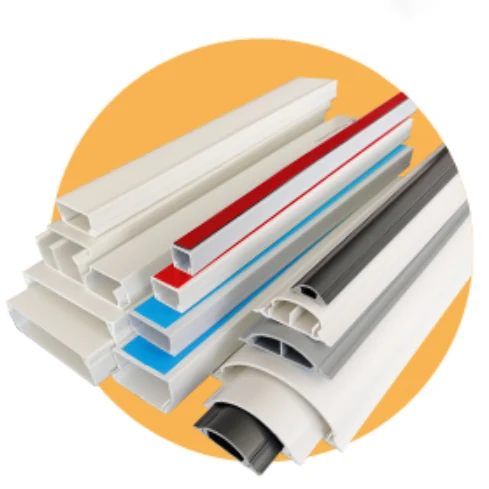
Conduit is a closed tube that wire is drawn through, usually before the wall is finished. Trunking is an open channel with a removable cover, fixed onto a finished surface.
When Conduit Wins
New build, concealed work, anything cast into concrete, and runs where nobody should be able to open the containment after handover.
When Trunking Wins
Retrofit, occupied buildings, and any route that will be opened again: adding a circuit means lifting a cover rather than chasing plaster.
Where They Meet
Most jobs use both. Conduit rises inside the wall, trunking distributes along the surface, and the two are joined at a box. This is why buying them from one extruder matters: the white shade and the wall thickness match across the junction.
Buying Ratio
New build markets skew towards conduit; renovation heavy markets skew towards trunking. Tell us which describes your customers and we will suggest a container mix rather than an even split.
What We Extrude
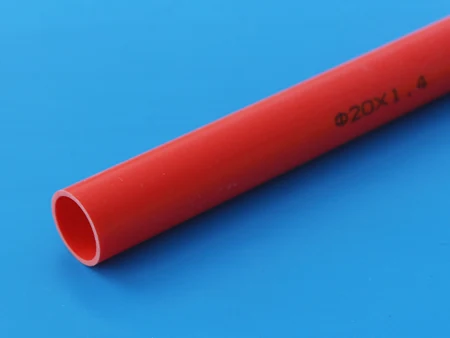
20mm PVC Conduit
20 mm is the size most installers reach for first.
View product →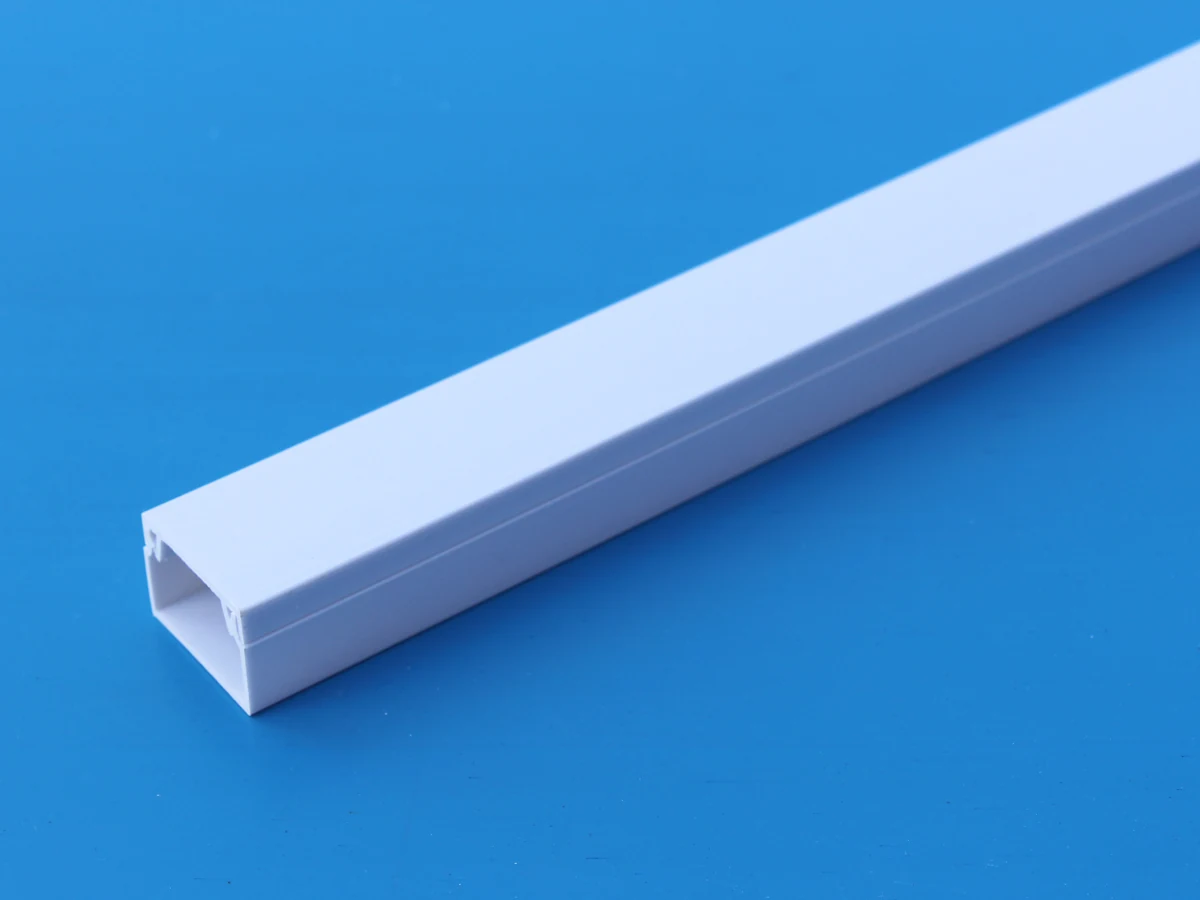
PVC Trunking 25x16mm
The standard square profile in 25x16 mm: a base with two retaining lips and a cover that clips between them.
View product →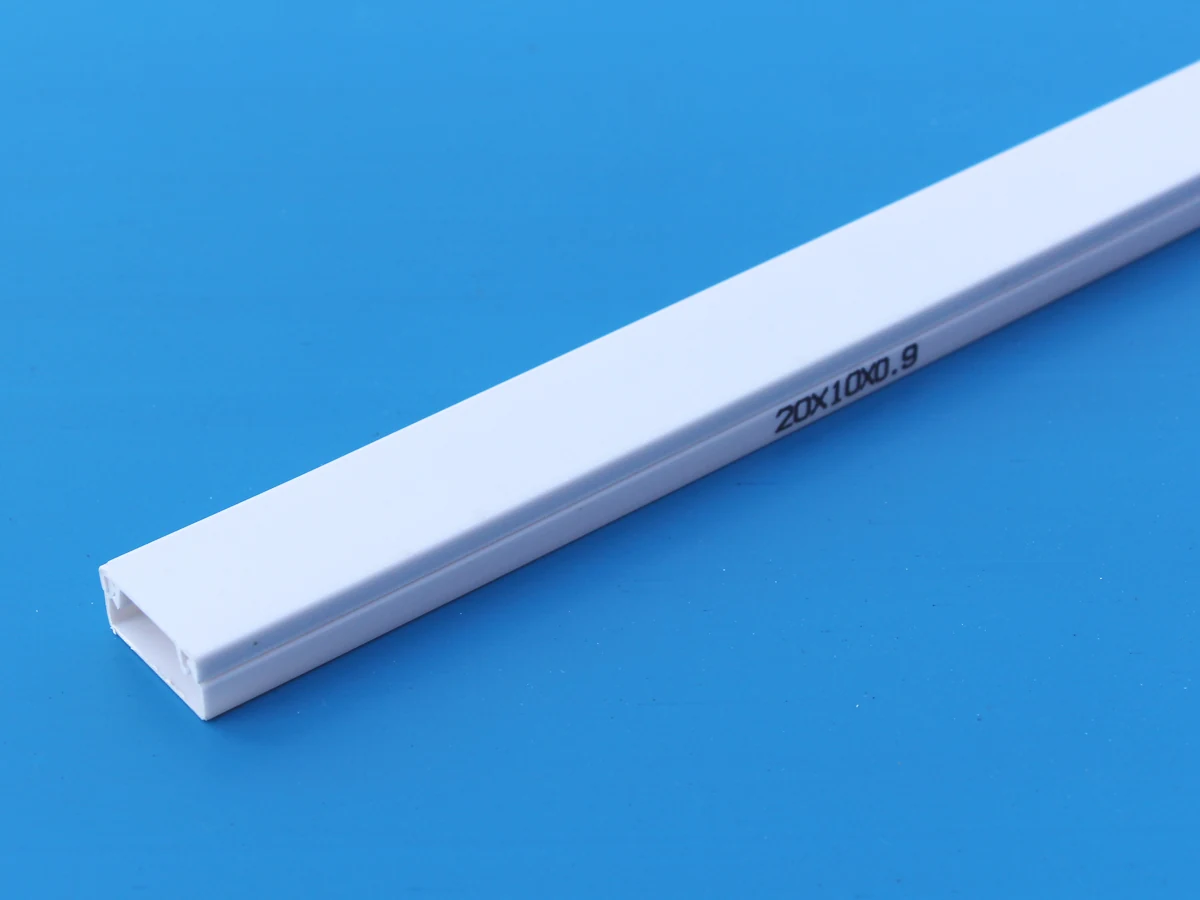
PVC Skirting Trunking 20x10
The 20x10 mm skirting duct is the smallest trunking profile in the range and the one that sells by the thousand.
View product →Quick Answers
Can trunking be buried in a wall?
No. Use conduit for concealed and in-slab work; trunking is a surface product with a removable cover.
Do I need different fittings for each?
Yes. Conduit uses couplings and elbows; trunking uses internal and external angles, tees and end caps. Both come from our accessories range.
Need This Specified for a Project
Send the requirement and we will answer with sections, quantities and a lead time.