
315 Gate Latch
315 Gate Latch is an automatic latch for out-swing gates, doors and animal pens. It latches on closing, works on right or left hand gates, and can be padlocked. A hole in the release lever takes a cord so the latch can be released from the other side.
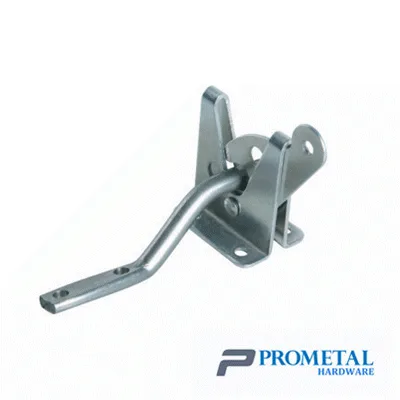
What This Model Gives You
- Designed for out-swing gates, doors, and animal pens
- Strike can be mounted either on the gate or the post
- Latches automatically
- Designed for right or left hand applications
- Can be padlocked for added security
- Hole punch in release lever is for rigging cord release from opposite side
- Hot-rolled steel case and strike; steel rod bar
How It Is Built
- Designed for out-swing gates, doors and animal pens
- Latches automatically
- Right or left hand applications
- Hole punch in release lever for cord release
- Designed for out-swing gates, doors, and animal pens
- Strike can be mounted either on the gate or the post
- Designed for right or left hand applications
- Can be padlocked for added security
Application Scenarios
- Livestock and animal pens
- Paddock and field gates
- Garden and yard gates
- Yard access doors
Who It Is For
- Agricultural and livestock equipment suppliers
- Fence and gate contractors
- Equestrian and smallholding retailers
Problems It Solves
- A gate left unlatched is how livestock get out
- Latches that need two hands are useless when you are carrying feed
315 Gate Latch Specification
Every figure below comes from our own product data. Where a value is not published we leave the row out rather than estimate it.
| Product Code | 315 |
|---|---|
| Product Type | Gate Latch |
| Material | Hot rolled steel case and strike with steel rod bar on the standard version; 304 stainless steel case and strike on the stainless version |
| Customization | OEM and ODM to drawing or sample; private label and own label |
| Minimum Order | Very small minimum order quantity, negotiable |
| Shipping Terms | EX Works, FOB, CIF, DDU or DDP by sea, rail or courier |
Materials
- Hot rolled steel case and strike with steel rod bar on the standard version
- 304 stainless steel case and strike on the stainless version
Manufacturing Process
- Blanking
- Punching
- Press forming
- Assembly
- Finishing
- Inspection
- Packing
The Checks This Part Passes
- Material inspection, with failed material returned rather than run
- First lot sample inspection before mass production is released
- Random inspection during mass production covering 30 to 40 percent of output
- Finished goods inspection against the lot
- Mass production stopped at or above 10 percent defective; repair or rework below it
Changing It to Suit You
- OEM and ODM production to your drawing or sample
- Private label or our own label
- Sizes between the listed steps run to order
- Finish changed to your specification, applied after forming
- Retail packing with mounting screws on request
How It Compares
Compared With Manual drop latches
An automatic latch closes itself. A drop latch relies on someone remembering, which is where most livestock escapes start.
Use Guide
- Hang the latch so the gate closes into it without lifting; the latch is designed for out-swing gates.
- Run a cord through the release lever if the gate has to be opened from the far side.
Others in This Family
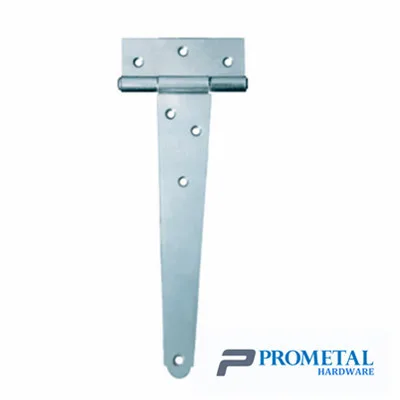
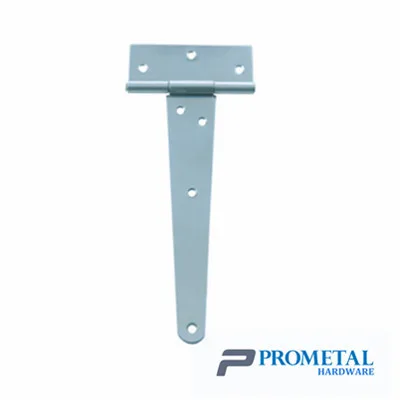
Questions About the 315 Gate Latch
What is the difference between the 315 and 316 versions?
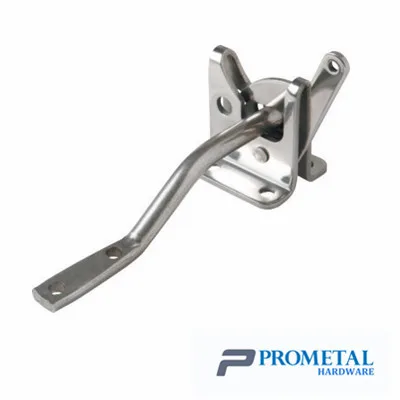
The 315 has a hot-rolled steel case and strike with a steel rod bar. The 316 uses a 304 stainless steel case and strike, for coastal and washdown environments.
Can the latch be padlocked?
Yes. Both versions can be padlocked for added security.
Can I get a sample of the 315 Gate Latch before ordering?
Yes. Samples under US$20 in value are free if you have a DHL, TNT, UPS or FedEx account or agree to cover the freight. Above US$20 we ask you to cover the sample and freight cost, and we ship on receipt of payment.
What payment terms do you accept?
We accept T/T, D/P, L/C, Western Union and PayPal.
Ready to Price the 315 Gate Latch
Tell us the size, the finish and the quantity. If you need a size that is not listed, say so: sizes between the listed steps are run to order.