Anodizing Creates Colour in the Metal Surface
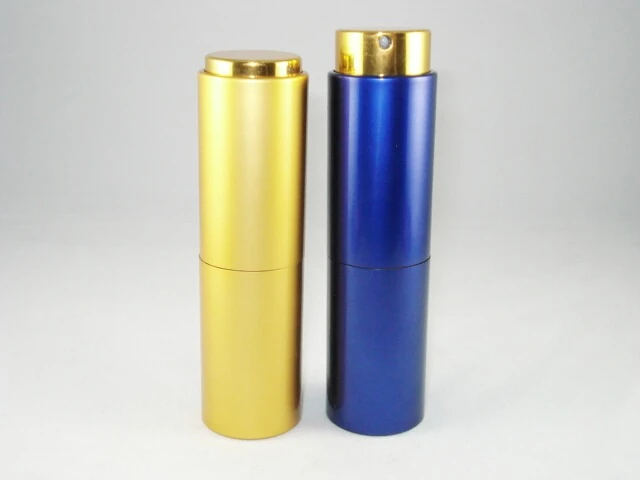
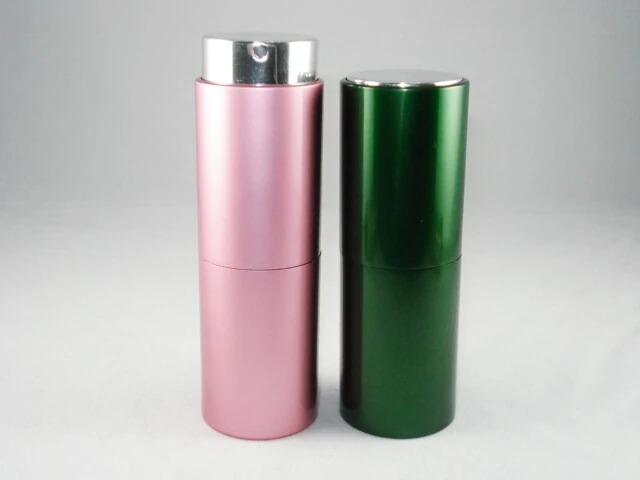
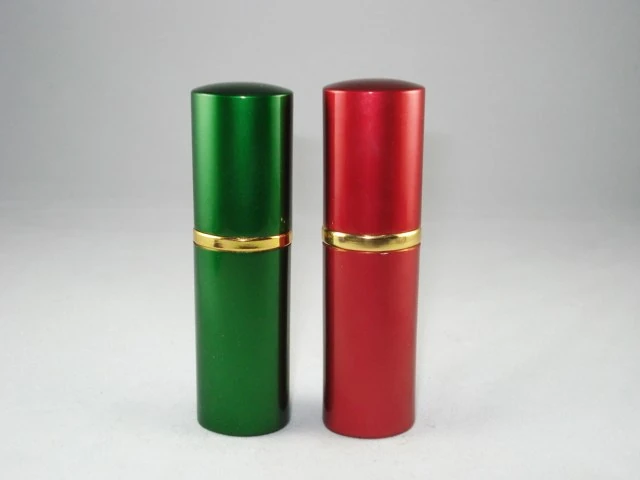
Anodizing is a process that grows a protective oxide layer on aluminium, which can then be dyed to achieve a permanent colour. The colour is not a coating but part of the metal itself, so it resists wear and fading. This makes it ideal for the shell of a perfume atomizer where durability and a premium feel are important. The finish is typically matte or satin, and the logo can be etched into the surface before anodizing, or applied through pad printing after.
UV Coating Applies a Hard, Glossy Layer to Plastic
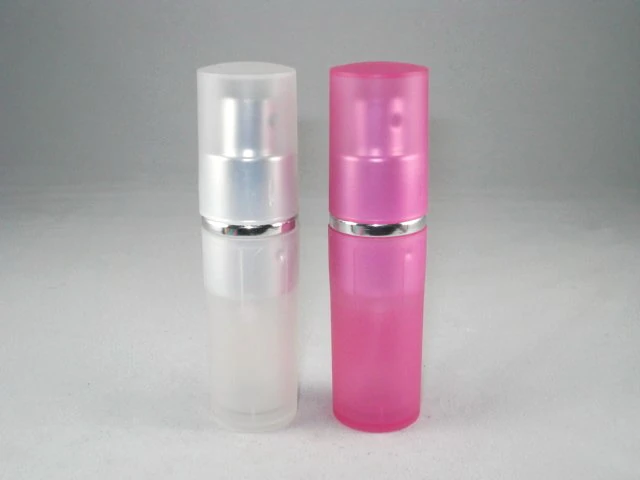
UV coating is applied to plastic bodies and cured with ultraviolet light to create a hard, glossy, or matte finish. It is used on PETG and other plastic materials to give a smooth, durable surface. The coating can be printed on using pad printing or hot stamping, and it allows for high-contrast logos and intricate designs. Unlike anodizing, the colour is applied on top of the material, so it is more susceptible to wear if not properly cured.
Pad Printing Works on Both Anodized and Coated Surfaces
Pad printing is a method that transfers ink from a silicone pad to a curved or textured surface. It is effective on both anodized aluminium and UV-coated plastic. On anodized shells, it can be used to add a logo in a contrasting colour, especially when the base is dark. On coated plastic bodies, it allows for fine detail and consistent colour reproduction. The ink adheres well to both surfaces when properly cured.
Hot Stamping Adds Metallic or Foil Detail
Hot stamping uses heat and pressure to apply a metallic or pigmented foil to a surface. It is commonly used on both anodized aluminium and UV-coated plastic to create a premium look. On aluminium, it works best on flat or gently curved areas. On plastic, it requires a smooth, cured surface to avoid smudging. The process is ideal for adding a logo, brand name, or accent in gold, silver, or other metallic tones.
Where to Place the Logo for Visual Consistency
To match the look of a metal shell and a plastic body in the same product line, place the logo in the same relative position on both components. For example, if the logo is on the lower shoulder of the anodized shell, place it on the lower third of the plastic body. Use the same font, size, and colour scheme across both. The finish—whether matte anodized or UV coated—should be chosen to support the overall brand aesthetic.
Ask for Process and Finish Samples Before Production
Before approving a design, request samples that show the logo applied using pad printing or hot stamping on both anodized aluminium and UV-coated plastic. Compare the colour, texture, and durability side by side. This ensures the branding appears consistent across materials. The factory can produce these samples using the same tooling and ink batches to reduce variation.