
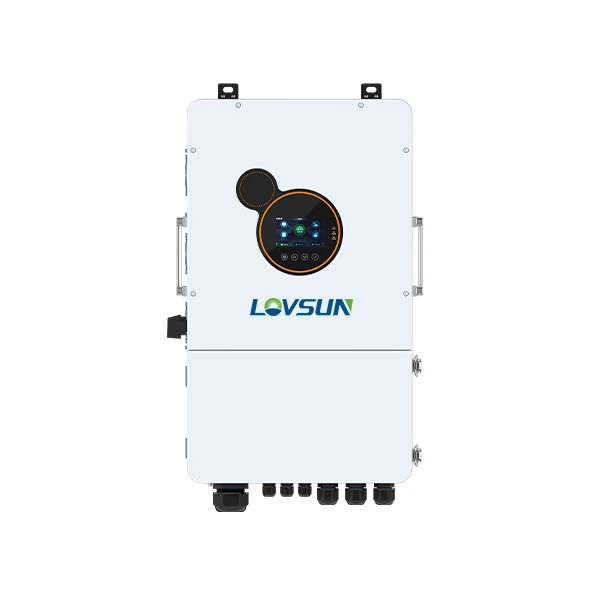
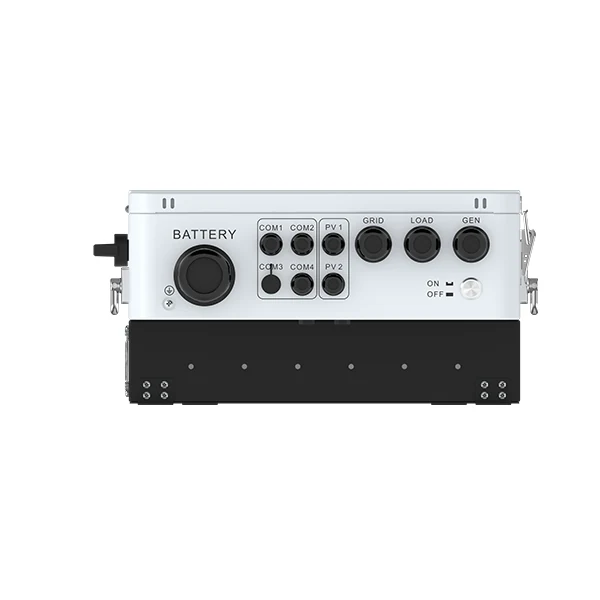
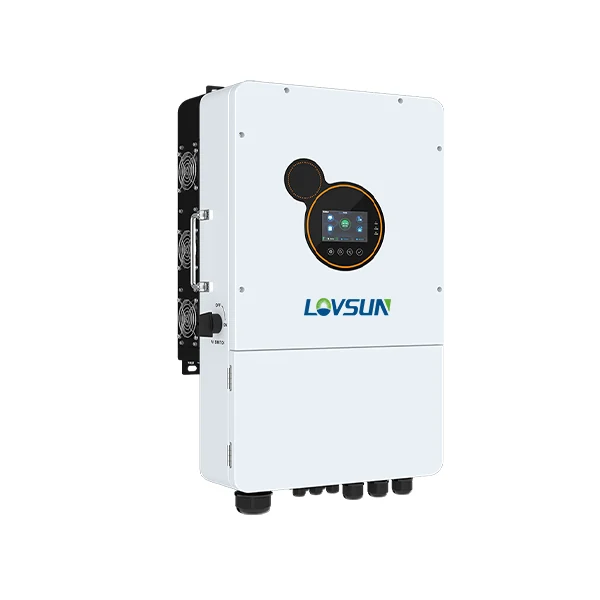
8/10/12kW US Standard Hybrid Inverter
12 kW
8/10/12kW US Standard Hybrid Inverter handles 12 kW of hybrid conversion - PV, battery and grid on one DC bus - which keeps the wiring, the monitoring and the warranty on a solar-plus-storage job under one device.
What This Product Changes On Your Project
- Standard monitoring interfaces so the plant reports into existing supervisory software
- Firmware grid codes for export limitation and reactive power control, which is what most utility connection approvals ask for
- Multiple MPP trackers, so roof sections at different pitches and orientations do not have to share one string
- Transformerless topology keeps conversion loss and unit weight down at this power class
- Grid protection built in - anti-islanding, insulation monitoring, residual-current monitoring and surge protection
Application Scenarios
- Industrial microgrids switching between grid-tied and island operation
- Commercial rooftop PV exporting to the utility under a net-metering or feed-in scheme
- Ground-mount arrays where several sub-arrays share one inverter station
- Solar-plus-storage retrofits on sites that already have PV
- Backup-capable installations that must ride through utility outages
Who It Is For
- O&M providers who need spares and firmware support from one source
- PV installers and EPC contractors specifying inverters for grid connection approval
- Distributors carrying inverter lines for commercial rooftop work
- System integrators building solar-plus-storage and microgrid systems
Problems It Solves
- Separate PV and storage conversion stages that double the failure points and the commissioning time
- Monitoring that cannot be read by the customer's existing supervisory system
- Long lead times on replacement units when a plant is down
- Roof geometry that forces strings of different lengths and orientations onto one inverter
Technical Features
- Transformerless conversion topology
- DC switch, DC reverse-polarity protection and surge protection on both DC and AC sides
- Anti-islanding, grid monitoring and residual-current monitoring for utility approval
- Smart cooling with temperature-based derating rather than abrupt shutdown
- RS485 and wireless monitoring interfaces
Published Specification Data
These figures come from the manufacturer datasheet for this model. Where a value you need is not listed, ask for the full datasheet rather than assuming a typical figure.
| Rated power | 12 kW |
|---|---|
| Target market | US grid standard |
Quality Control
- Serialised traceability from cell batch to finished unit
- Packing inspection and photo record before container loading
- Incoming inspection of cells, power electronics and structural parts before assembly
- Capacity and internal-resistance grading so cells within a pack are matched
- Full-function test on every finished unit, not a sample from the batch
Customization Options
- Customer branding on packaging and documentation
- Grid code and AC voltage configuration for the destination market
- Monitoring accessory selection - Wi-Fi, GPRS or RS485 to an existing logger
- DC connector type to match the array already specified
How It Compares With The Alternatives
| Separate PV inverter plus battery inverter | One conversion stage means one set of wiring, one monitoring platform and one warranty, at the cost of less freedom to mix brands later. |
|---|---|
| A microinverter array | String conversion costs less per kW at commercial scale; microinverters win on complex shading and per-module monitoring. |
| An oversized single inverter | Several MPP trackers serve differently oriented roof sections without splitting the array, so one unit covers what would otherwise need two. |
Getting This Product Right On Site
- 1
Mount out of direct afternoon sun and leave the clearance the manual specifies for airflow
- 2
Commission the monitoring interface at the same visit, not as a follow-up trip
- 3
Record the firmware version so a later fleet update can be planned
- 4
Verify the array string voltage against the MPPT window at the site's record low temperature
- 5
Select the grid code for the destination market before energising
8/10/12kW US Standard Hybrid Inverter - Buyer Questions
What is the lead time and minimum order quantity
Does the inverter support export limitation
What monitoring is included
What is the warranty term
How is the inverter packed and shipped
Which grid codes can this inverter be set to
Other Solar Inverters and PCS Models
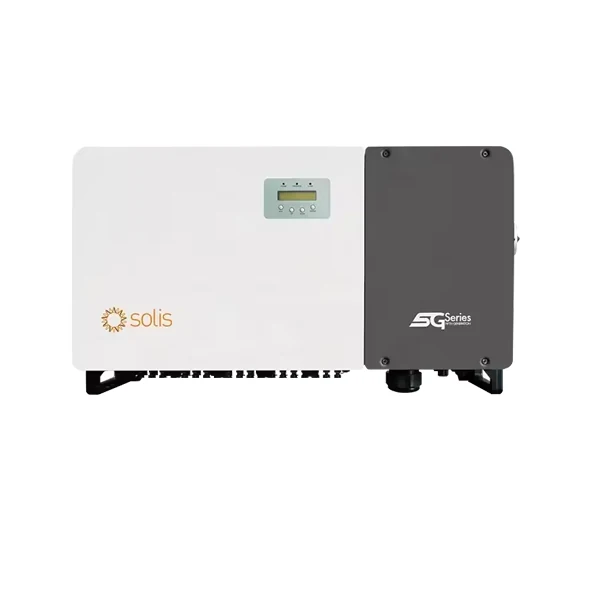 Solis-(80/100/110)K-5G-PRO Three Phase On Grid Inverter
Three phase
View Product →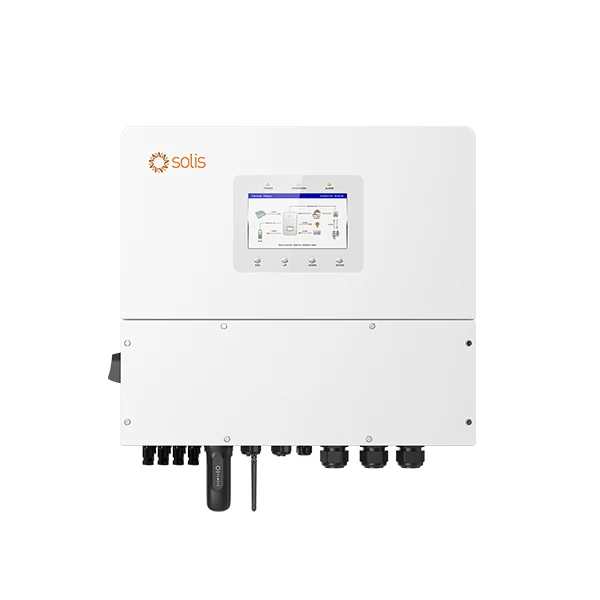 Solis S6-eh3p(12/15/20)k-h 3 Phase Hybrid Inverter
Three phase
View Product →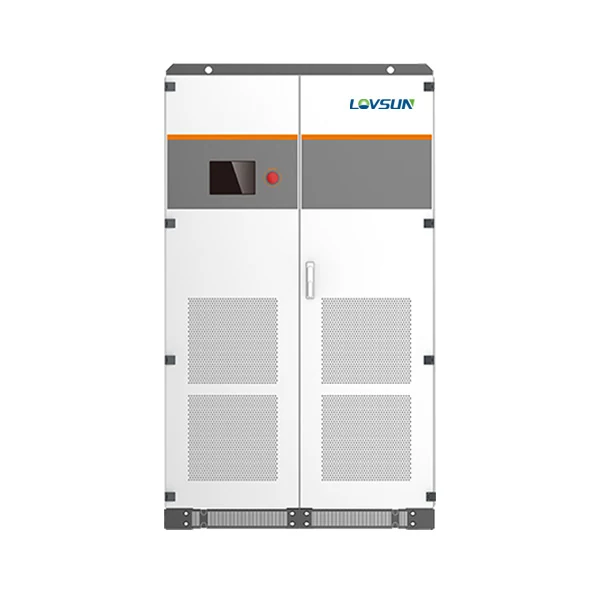 Megarevo MEGA Series 30/50/100/250/500kW Microgrid Inverter
500 kW
View Product →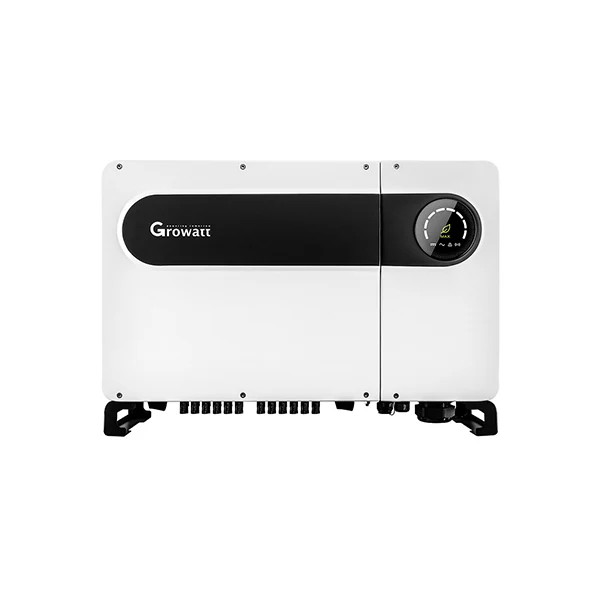 Growatt MAX 50/60/70/80/100/110/125KTL3 LV On Grid InverterView Product →
Background For This Specification Decision
What each inverter type does, what it cannot do, and which one a grid connection application will accept.
Read the guide →Design GuideHigh Voltage vs Low Voltage Battery SystemsWhy the DC bus voltage choice shows up in your cable schedule, your inverter options and your installation labour.
Read the guide →ChecklistCommissioning Checklist For Commercial Solar and StorageThe checks that separate a system that works on the day from one that is still being argued about three months later.
Read the guide →Factories, warehouses, cold stores and commercial campuses where the electricity bill is driven as much by demand charges as by consumption.
See the application →Utility Scale and Grid Side ProjectsGrid-connected storage and generation projects where the equipment is assessed on certification, dispatch behaviour and long-term degradation.
See the application →Residential and Villa InstallationsHomes and villas adding solar self-consumption and backup, where the installer needs a kit that works the same way on every job.
See the application →Request A Quote For 8/10/12kW US Standard Hybrid Inverter
Tell us the quantity, the destination market and the application. We reply within 12 hours with lead time, certification and pricing.