
Hard Enamel Pins
Silkscreen Lapel Pin
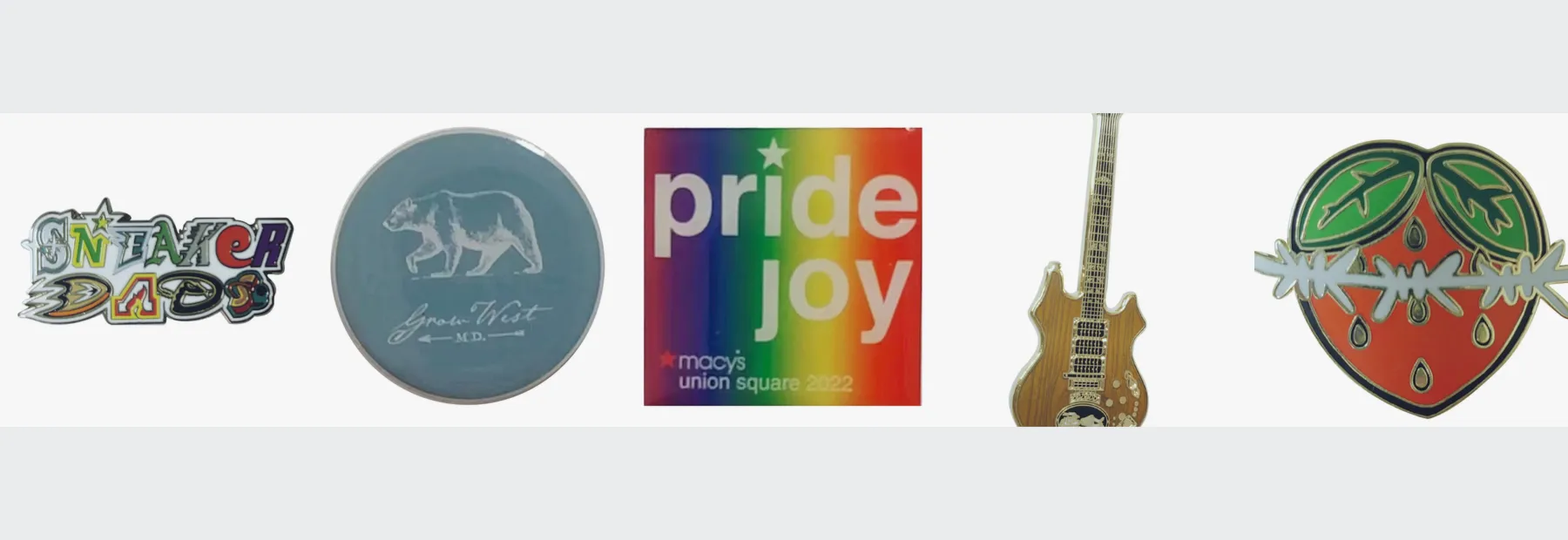
A silkscreen lapel pin is die struck from brass or iron, then printed with colour directly onto the metal surface using screen printing.
Overview
Product Overview
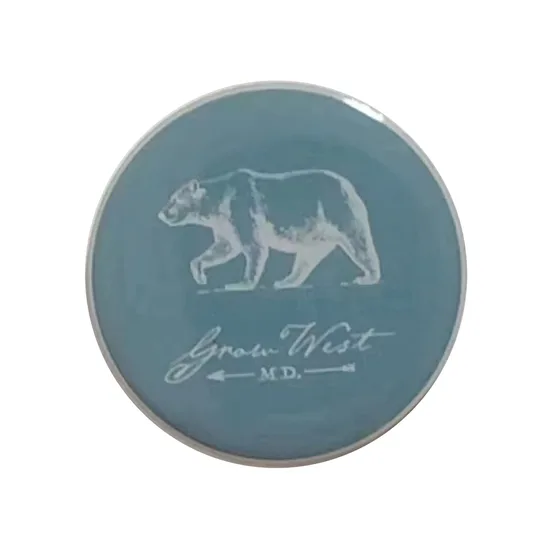
A silkscreen lapel pin is die struck from brass or iron, then printed with colour directly onto the metal surface using screen printing. This method allows for fine gradients, small text and complex colour blends that hand-filled enamel cannot achieve, making it suitable for detailed logos and photographic marks. The ink is cured and often protected with an epoxy coating to resist wear. Minimum order is 100 pieces per design, and mass production generally runs 10-15 days after artwork and sample approval.

Why It Works
Key Benefits
- Handles fine detail, small text and gradients that enamel cannot reproduce
- Printed colours are consistent across the batch without hand-mixing variation
- Lighter weight than filled enamel pins due to lack of thick colour layers
- Suitable for designs with many colours without a cost increase per colour
- Epoxy coating option protects the printed layer from scratching and UV fading
Where It Is Used
Application Scenarios
Brand logos with small text or intricate line work that must remain legible
Event badges requiring photographic imagery or gradient effects
Promotional giveaways where design complexity exceeds enamel capabilities
Membership cards or pins with variable data or serial numbering
Commemorative coins or medals with detailed relief and colour printing
Fit
Who It Is For And What It Fixes
Who It Is For
- Brand managers needing exact reproduction of complex logo artwork
- Event organisers producing badges with photographic elements
- Promotional distributors quoting clients with high-colour-count designs
- Schools and clubs issuing pins with detailed crests or text
Problems It Solves
- Enamel cannot reproduce gradients or photographic images accurately
- Hand-filled enamel colours vary slightly between batches or pieces
- Small text and fine lines blur or disappear when filled with enamel
- High-colour-count designs become expensive when each colour is filled by hand
Construction
Technical Features
- Die struck from a steel mould cut to the buyer's vector artwork
- Surface cleaned and primed to ensure ink adhesion on the metal
- Colours applied via screen printing, layer by layer, with curing between passes
- Optional epoxy coating applied over the print for protection and gloss
- Attachment welded or glued to the back before final inspection
Data
Specifications
| Minimum Order | 100 pieces per design |
|---|---|
| Base Metal | Brass or iron |
| Colour Application | Silkscreen printing, cured ink |
| Plating Options | Gold, silver, nickel, black nickel, antique finishes |
| Attachment Options | Butterfly clutch, rubber clutch, safety pin, magnet |
| Artwork Formats | Adobe Illustrator preferred; JPG, PNG or PDF accepted |
| Sample Lead Time | 3-5 days |
| Production Lead Time | 10-15 days |
Making It
Materials And Manufacturing
Materials
- Brass for finer detail and a heavier feel on award and membership pins
- Iron for larger flat designs where cost per piece matters more than detail
- UV-curable inks matched to Pantone references supplied with the artwork
- Epoxy coating for scratch and UV resistance on the printed surface
Manufacturing Process
- Artwork review and vector clean-up
- Steel die cutting
- Die striking
- Trimming and edge finishing
- Plating
- Surface cleaning and priming
- Screen printing colour layers
- Curing ink
- Applying epoxy coating if specified
- Attachment welding
- Inspection and packing
Control
Quality And Customization
Quality Control
- Artwork proof approved by the buyer before the die is cut
- Pre-production sample approved before mass production starts
- Colour checked against the approved Pantone reference during printing
- Each piece inspected for print registration, ink coverage and coating defects
Customization Options
- Any shape cut from the buyer's own vector artwork, not a catalogue outline
- Size chosen to suit the design, quoted per piece at the agreed dimension
- Choice of plating finish, including antique and two-tone combinations
- Backstamp, edge numbering and serial numbering for limited series
- Individual poly bags, velvet pouches, backing cards or presentation boxes
- Attachment changed to magnet or safety pin where a clutch is not suitable
Trade-offs
Compared With Other Options
| Hard enamel pin | Silkscreen handles gradients and small text; hard enamel is flat and harder wearing but cannot print photographs |
|---|---|
| Soft enamel pin | Silkscreen provides a smooth surface; soft enamel has recessed colour wells and raised metal lines |
| Die struck pin with no colour | Plain die struck is the cheapest and most durable, but carries no colour at all |
| Offset printed pin | Silkscreen is more durable on metal; offset printing is typically used for paper or card backing |
Practical Notes
Use Guide
- Supply artwork as vector outlines with Pantone colour references where colour must match
- Ensure high contrast between the print and the metal background for legibility
- Approve the pre-production sample before mass production, since the die is cut from it
- Choose an epoxy coating if the pin will be worn daily or handled frequently
- Store spare stock in the supplied poly bags so the coating does not scratch against other metal
See Also
Related Products
Hard Enamel Pins
Transparent Color Pin
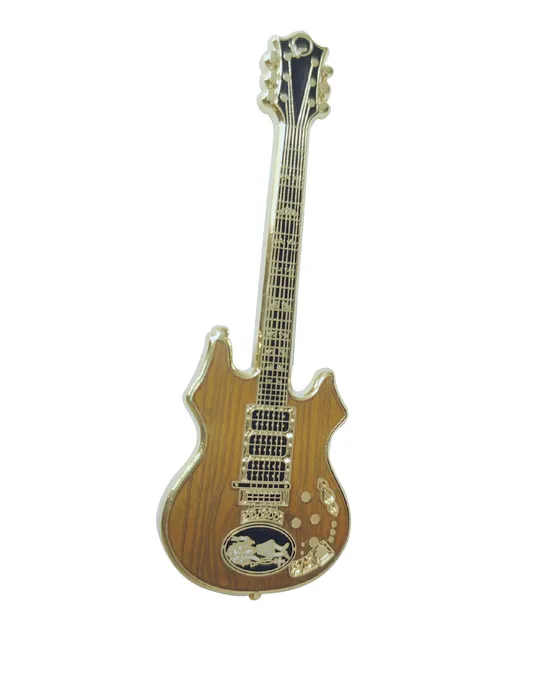
Clear epoxy coating protects the enamel color from everyday handling and display wear
View Product →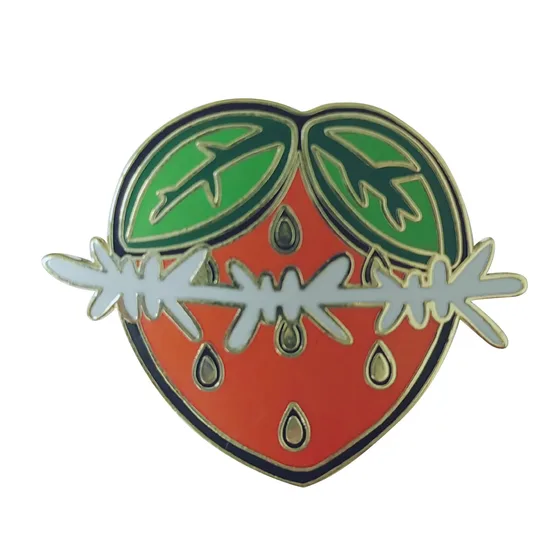
Hard Enamel Pins
Hard Enamel Lapel Pin
Polished flat face resists scratching, so a daily-worn pin still reads as new after years
View Product →
Offset Printed Pins
Offset Printing Pin
Reproduces full-colour gradients and photographic detail without needing separate metal lines for each colour
View Product →Related Applications
Frequently Asked Questions
What is your minimum order for a silkscreen pin?
100 pieces per design. The die is cut once for that design, so repeat orders of the same artwork reuse it.
How long does a silkscreen pin order take?
Samples generally take 3-5 days and mass production generally takes 10-15 days after you approve the sample. Rush orders are accepted against an expedited fee.
What artwork do you need from me?
Adobe Illustrator vector files are best. JPG, PNG and PDF are also accepted, though a raster file may need to be redrawn before the die can be cut.
Can silkscreen pins handle gradients?
Yes. Screen printing can reproduce gradients and photographic images that enamel filling cannot achieve.
Can I change the design once production has started?
Sometimes. Depending on how far production has gone, a change may be free or may be chargeable, because a cut die cannot be altered.
How are the pins shipped?
By FedEx, UPS or DHL, with the carrier chosen to suit the destination and the deadline.
Get A Price For Silkscreen Lapel Pin
Send the artwork and the quantity and we will price silkscreen lapel pin against your design. Minimum 100 pieces.