
Material Guide
Plating And Finish Guide For Metal Pins And Badges
The body of a pin is brass or iron.
Plating Is A Surface Not A Material
The body of a pin is brass or iron. The gold, silver or black you see is a thin plated layer applied near the end of the process. This matters for two practical reasons. First, plating follows whatever is underneath, so a rough or pitted surface stays rough under a bright finish. Second, plating is what wears, so the way a pin ages is determined by the finish rather than by the metal it is made from.
The Common Finishes And What They Suit
Gold plating reads as formal and traditional, and it is the default for award and membership pieces. Silver and nickel are cooler and more neutral, and they let bright enamel colours dominate rather than competing with them. Black nickel gives a dark contemporary look that works well behind pale artwork, though scratches show more readily against it. Each of these can be supplied bright or with the shine knocked back, which changes the character considerably.
Antique Finishes Work Differently
An antique finish is not simply a darker plating. The piece is darkened overall and then the raised surfaces are polished back, so the dark tone remains in the recesses while the high points come up bright. The effect is to make relief legible, which is why antique finishes are the usual choice for challenge coins, medallions and any struck piece that carries detail rather than colour. On a flat design with little relief, the same finish achieves very little.
Two Tone And Selective Plating
Two different finishes can appear on one piece, most often a gold frame around silver detail or the reverse. It is a genuinely useful device for separating a border or a logo from the body of the design without adding colour. It costs more than a single finish because the piece is handled twice, and it works best when the two areas are clearly divided by relief. Ask for it where it earns its place rather than everywhere.
How Plating Interacts With Enamel
On a hard enamel pin the plating goes on after grinding, so the metal lines and the enamel share one smooth plane and the finish is even across both. On soft enamel the piece is generally plated first and filled afterwards, so the raised lines carry the finish and the colour sits below it. This is why the same plating can look brighter on a soft enamel pin: you are seeing it only on the lines, catching the light.
Keeping The Finish Looking New
Plated pins tarnish when they sit against other metal or in humid air, which is why finished pieces are bagged individually rather than tipped loose into a carton. Advise recipients to keep spares in their bags, and store issue stock somewhere dry. None of this is exotic care; it simply prevents the most common complaint, which is that pins from the back of a stores cupboard no longer match the ones handed out last year.
See Also
Products In This Guide
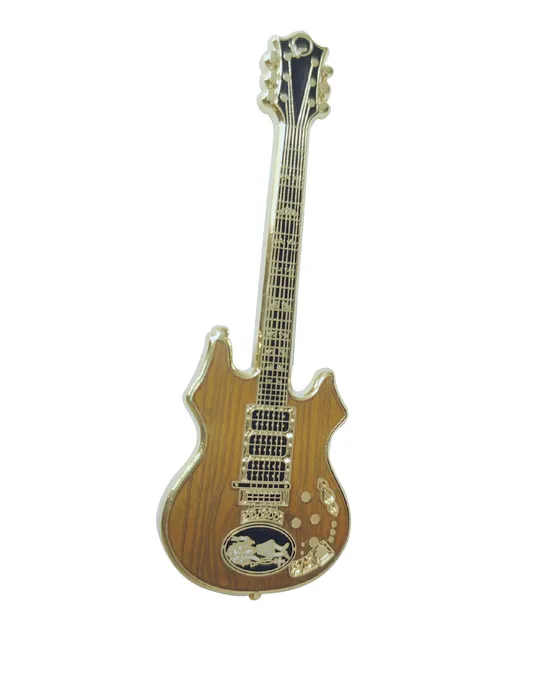
Hard Enamel Pins
Transparent Color Pin
Clear epoxy coating protects the enamel color from everyday handling and display wear
View Product →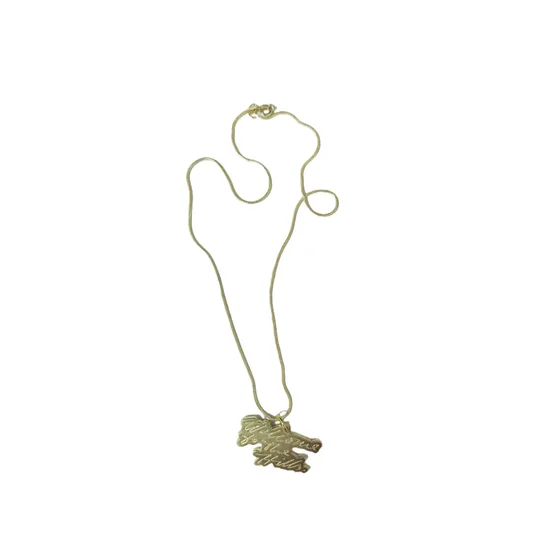
Die Struck Pins And Metal Gifts
Custom Necklace
Worn by people who will not put a pin through a garment they care about
View Product →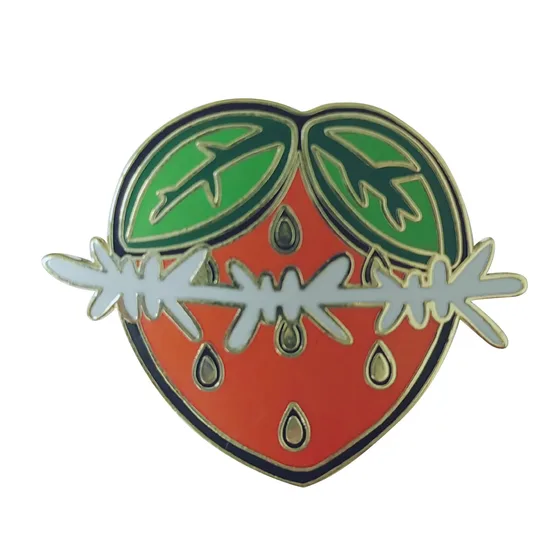
Hard Enamel Pins
Hard Enamel Lapel Pin
Polished flat face resists scratching, so a daily-worn pin still reads as new after years
View Product →Related Applications
Frequently Asked Questions
Which plating is most popular?
Gold for award and membership pieces, nickel or silver where bright enamel colour should lead.
What exactly is an antique finish?
The piece is darkened, then the raised surfaces are polished back, so the dark tone stays in the recesses and lifts the relief.
Can one pin have two finishes?
Yes. Two tone plating is available and works best when the two areas are separated by relief.
Will the plating wear off?
Plating is the layer that wears, so how a pin ages depends on the finish more than the base metal. A polished hard enamel face wears best.
How should pins be stored?
In their individual poly bags, somewhere dry, so plating does not tarnish against other metal.
Still Not Sure Which Process You Need
Send the artwork and we will tell you which process holds your design best and what it costs.