
Product Guide
Choosing Pin Attachments And Backs For Different Garments
Buyers specify size, colour and plating carefully and then accept whatever back the factory fits as standard.
The Attachment Is The Part That Fails
Buyers specify size, colour and plating carefully and then accept whatever back the factory fits as standard. That is backwards. The attachment is the only moving part, the only thing the wearer interacts with, and the reason pins are lost. A badge that falls off a lapel in an airport is not remembered as a nice design. Choosing the back deliberately costs nothing and prevents the most common failure.
Butterfly Clutches Are The Default For A Reason
The butterfly clutch, the small metal clip with two folding wings, is the standard fitting and suits most lapel pins on structured fabric. It is cheap, easy to fit, and easy to remove deliberately. Its weakness is that it can also be removed accidentally: the wings are easy to press when a coat is taken off or a bag strap drags across the chest. For a pin worn once at an event, this rarely matters.
Rubber Clutches Grip Harder And Are Safer
A rubber clutch is a soft plug pushed onto the post. It grips more firmly than a butterfly clutch, has no metal edges, and is the standard choice for pins handled by children, which is why youth trading pins almost always use them. The trade-off is that rubber perishes over years, so it is the wrong choice for a badge intended to be worn for a decade unless spares are supplied with it.
Safety Pins Magnets And Chains
A safety pin back spreads the load across a longer bar and suits larger or heavier badges that would droop on a single post. Magnetic backs avoid piercing the fabric altogether, which matters for knitwear, silk and anything the wearer does not want a hole in, at the cost of strength and a slightly thicker profile. Chains and jump rings turn the same struck piece into a pendant or a keychain, which is often the simplest way to make a badge programme usable by people who will not pin anything to their clothes.
Two Posts Stop Badges Rotating
Any pin that is wider than it is tall will rotate around a single post until it hangs crooked. Long, wide or bar-shaped badges should be fitted with two posts rather than one. It is a small detail with an outsized effect on how the badge looks in the photographs taken at the event you produced it for.
Match The Back To The Garment Not The Budget
The right question is what the badge will be pinned to. Suit lapels and blazers take a butterfly clutch happily. Uniforms worn all day are better on rubber. Fine knitwear argues for a magnet. Bags and lanyards want the most secure option available, because the pin will be knocked. Say how the badge will be used when you enquire, and the recommendation follows from that rather than from what is cheapest to fit.
See Also
Products In This Guide
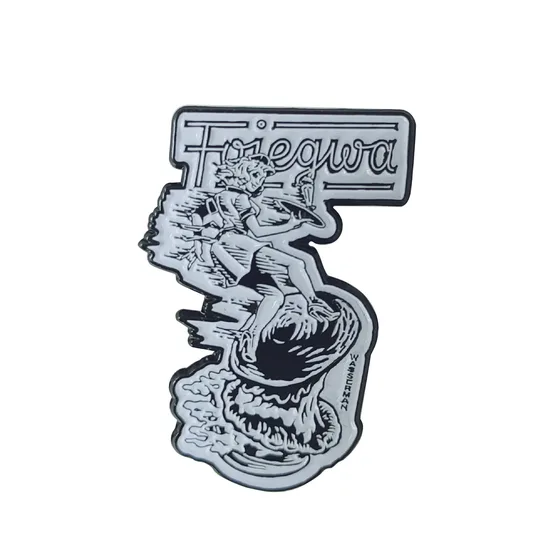
Soft Enamel Pins
Soft Enamel Lapel Pin
Costs less per piece than hard enamel at the same size and colour count
View Product →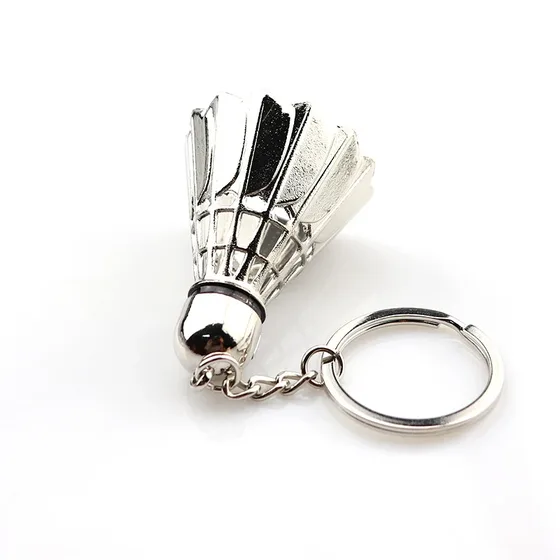
Custom Keychains
3D Keychain
Real relief on both faces, so the charm reads as an object rather than a token
View Product →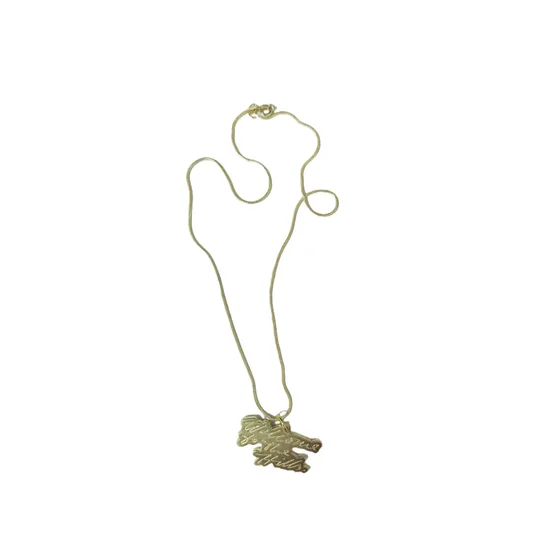
Die Struck Pins And Metal Gifts
Custom Necklace
Worn by people who will not put a pin through a garment they care about
View Product →Related Applications
Frequently Asked Questions
What is the standard pin back?
A butterfly clutch. It suits most lapel pins on structured fabric.
Which back is safest for children?
A rubber clutch. It has no sharp metal edges and grips more firmly.
How do I stop a wide badge hanging crooked?
Fit two posts instead of one. Anything wider than it is tall will otherwise rotate.
Can a pin attach without piercing the fabric?
Yes, with a magnetic back. It is the usual answer for knitwear and delicate garments.
Can the same design be made as a keychain instead?
Yes. The same struck piece can take a jump ring and chain rather than a pin post.
Still Not Sure Which Process You Need
Send the artwork and we will tell you which process holds your design best and what it costs.