Jinan Weihua Machinery & Equipment Co., Ltd · Jinan Shandong China
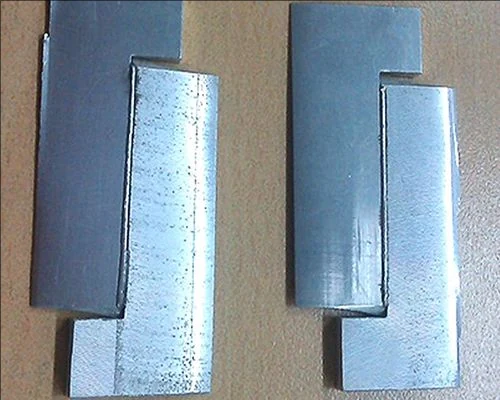
Laser welding a metal joint in the workshop
Solution

Welding and Mould Restoration

Mould and die shops face a recurring problem: a worn core or damaged cavity requires repair, but traditional TIG welding introduces enough heat to warp precision components or fill in fine details.

Scope

What This Solution Covers

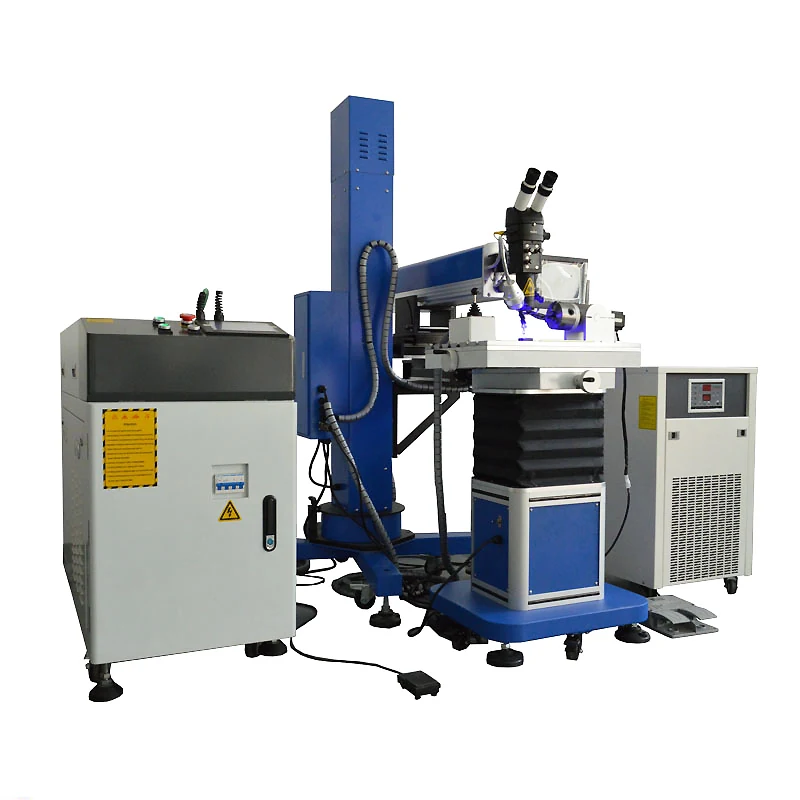
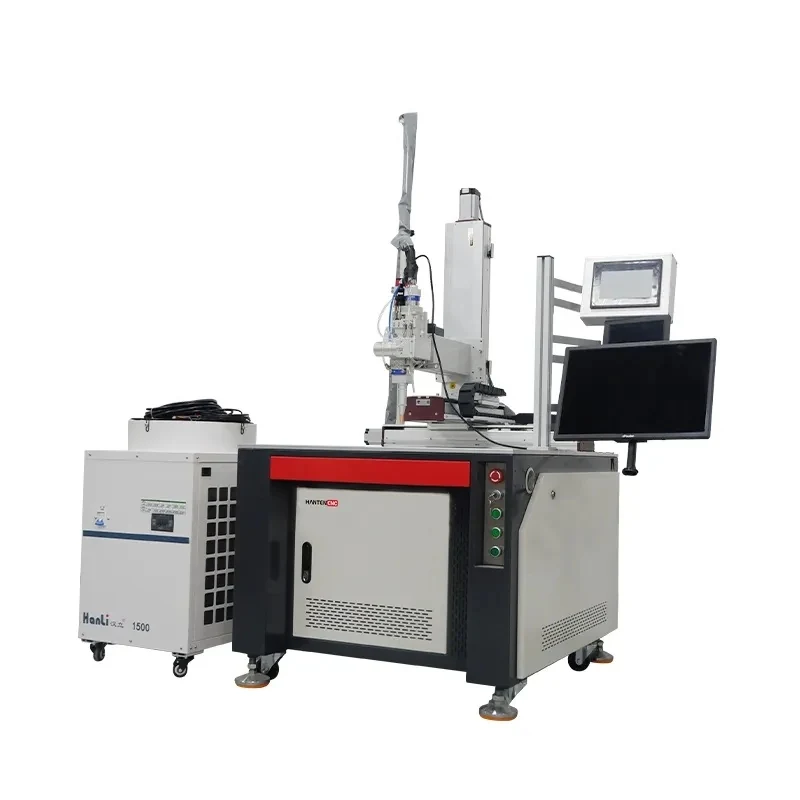
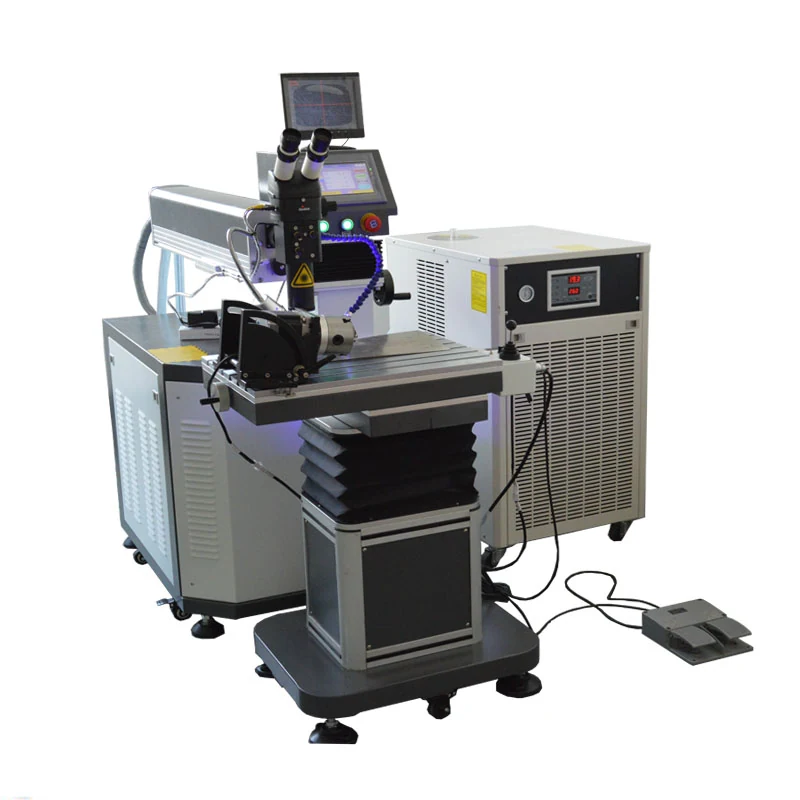
Mould and die shops face a recurring problem: a worn core or damaged cavity requires repair, but traditional TIG welding introduces enough heat to warp precision components or fill in fine details. Weihua Laser supplies YAG mould repair welders and fiber laser welding machines that control heat input, allowing technicians to restore surfaces without sending the tool back to the machine shop for re-machining.

Before

Problems In The Current Process

  • TIG welding creates a large heat-affected zone that warps thin mould walls and distorts precision dimensions
  • Manual welding of small details often fills in engravings or sharp corners, requiring time-consuming re-polishing
  • Repairing large chassis or tire moulds requires heavy lifting equipment to move the tool to the welder
  • Standard welding rods introduce impurities that cause porosity in hard-to-weld materials like beryllium copper or aluminum
  • Downtime during mould repair stops production, so shops need a method that fixes the tool in place
Requirements

What The Process Has To Deliver

  • A welder with a small heat-affected zone to prevent deformation of the mould base material
  • Precise control over pulse energy and width to handle repairs ranging from 0.1 mm to 3 mm depth
  • A vision system that magnifies the work area so operators can see fine details during welding
  • A cantilever arm design that allows the machine to reach large, immobile moulds without moving them
  • Equipment capable of welding dissimilar metals and hard materials like stainless steel, aluminum and tool steel
Process

Stage By Stage

Send the mould material type, the specific damage location and the required repair depth

We recommend the WH-MW series YAG welder or fiber welder based on the tool size and material

The machine is configured with the appropriate laser cavity and xenon lamp setup for your power needs

Operators use the 10X stereo microscope and CCD camera to align the weld precisely on the defect

The programming mode controls the welding head to deposit material with minimal oxidation

The repaired area is inspected for smoothness and seamless integration with the original surface

Applications

Typical Applications

  • Repairing wear marks on injection mould cavities for automotive dashboards or household appliance shells
  • Restoring damaged parting lines on die-casting moulds without altering the original dimensions
  • Welding cracks in chassis moulds or tire moulds where the tool is too heavy to move easily
  • Adding material to worn edges on stamping dies or precision accessories for electronic components
  • Repairing lost wax castings and aluminum castings where traditional welding causes distortion

Machines Used In This Solution

All machines
Delivery

Delivery And Support

  • Two-year warranty on the whole machine, free repair and return postage for accessory faults
  • Free lifetime technical support once the warranty period ends
  • Spare parts supply and on-site service when a problem cannot be solved remotely
  • Professional response to any pre-sales or after-sales question within 24 hours
Buyer Questions

Welding and Mould Restoration FAQ

Which model suits repairing large chassis moulds?
The Mold Repair Cantilever Laser Welder is designed for large, medium and small molds. It allows you to weld the tool in place without lifting it onto a standard worktable.
What is the maximum welding depth?
It depends on the model. The WH-MW500 offers a welding depth of 0.1 mm to 3 mm, while the WH-MW200 covers 0.1 mm to 1.5 mm.
Can these machines weld aluminum?
Yes, the cantilever models are specified to weld aluminum, stainless steel, mold steel, precious metals and hard materials.
How does the vision system help with fine repairs?
The standard 10X stereo microscope with a CCD camera display allows the operator to see fine details and control the weld head precisely on small areas.
What power options are available for YAG welders?
We offer the WH-MW series in 200, 300, 400 and 500 Watts. Higher wattage models provide greater peak power and pulse energy for deeper repairs.
Do you have fiber laser welding options?
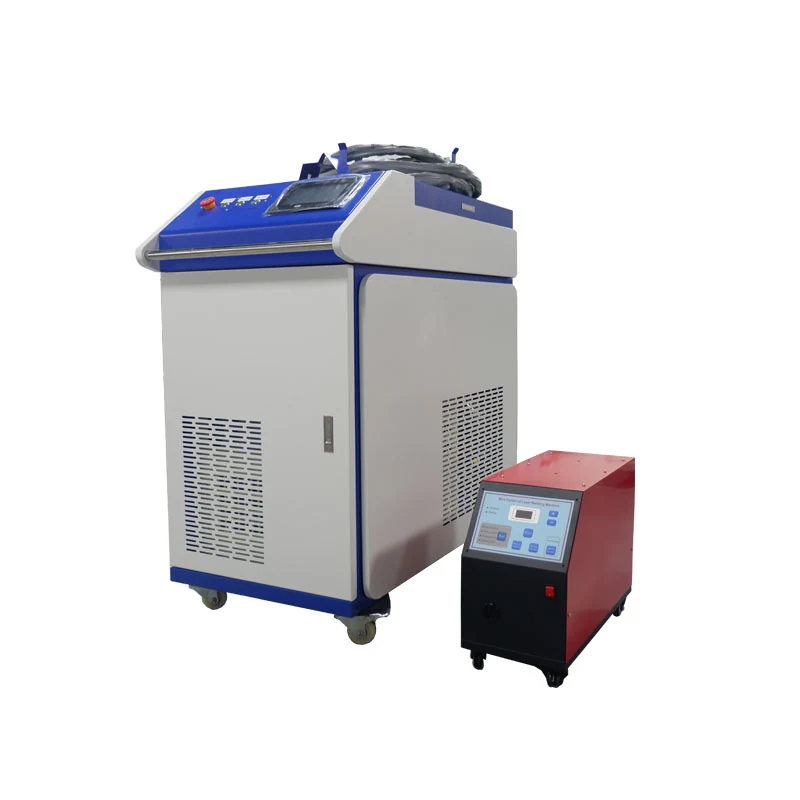
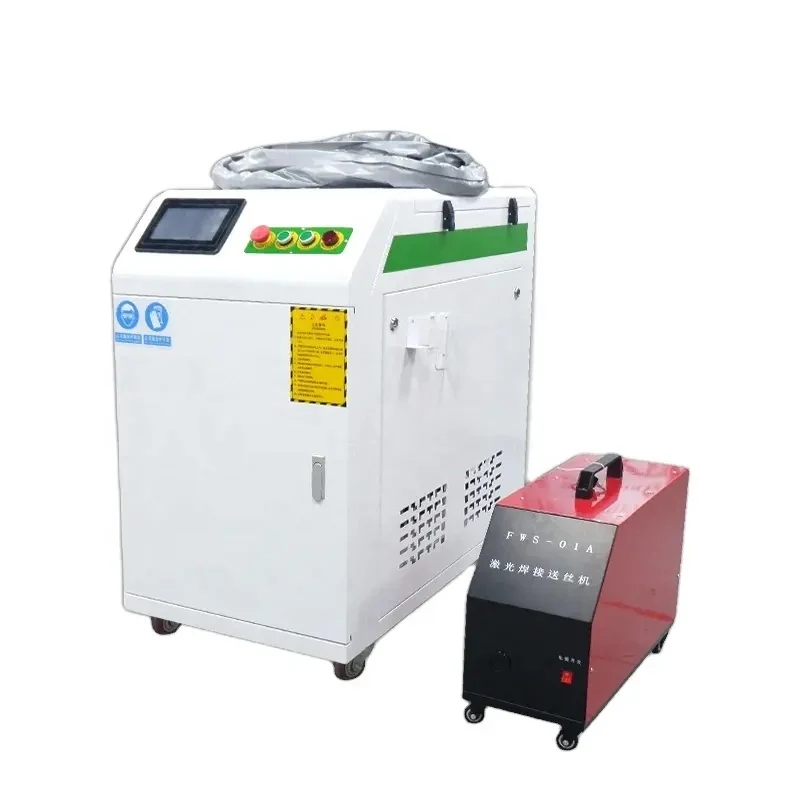
Yes, we also supply fiber laser welding machines in 1000 W and 1500 W configurations, suitable for different industrial welding tasks.
What is the cooling requirement for these machines?
All WH-MW series models use an external water cooling system to maintain stable operation during welding cycles.

Build A Welding and Mould Restoration Line

Send the part drawing or a photo of the current process. We will come back with the machine, the options and what stays manual.