Jinan Weihua Machinery & Equipment Co., Ltd · Jinan Shandong China
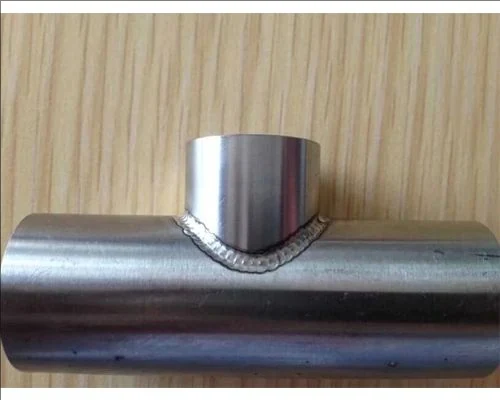
Laser welded seam on a stainless steel tube joint
Industry

Laser Machines For Mould and Die Repair

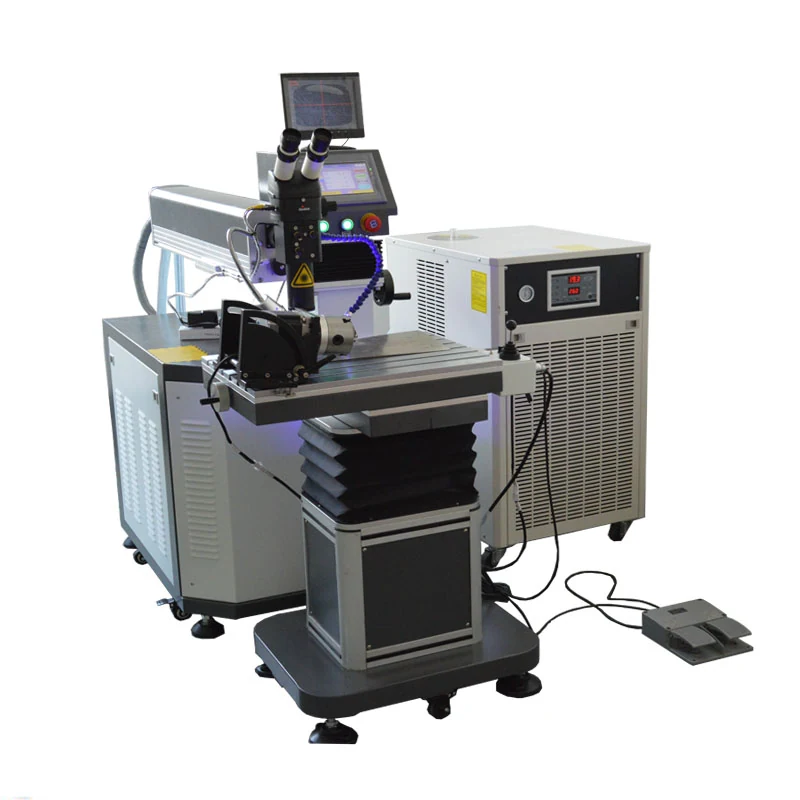
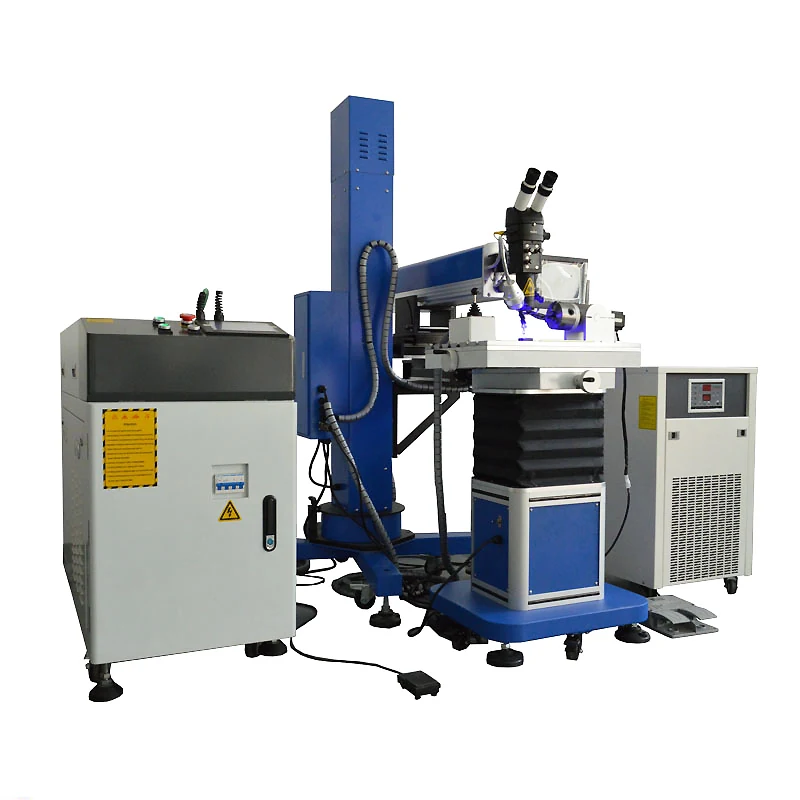
Mould and die repair shops face a constant trade-off between removing a tool for welding and the downtime cost. Weihua Laser supplies cantilever YAG laser welders that repair fine areas of metal molds directly on the shop floor.

Overview

What This Industry Needs From A Laser Supplier

Mould and die repair shops face a constant trade-off between removing a tool for welding and the downtime cost. Weihua Laser supplies cantilever YAG laser welders that repair fine areas of metal molds directly on the shop floor. With a small heat-affected zone and low oxidation rate, these machines prevent the deformation issues that often follow traditional TIG repairs, allowing you to restore precision injection molding and die-casting tools without compromising their original geometry.

Pain Points

Where The Process Hurts Today

  • Removing a mould from the press for repair causes costly production downtime and logistics delays
  • Traditional TIG welding creates a large heat-affected zone that leads to mould deformation and stress
  • High oxidation rates during welding require extensive post-processing to achieve a smooth surface finish
  • Repairing fine details or deep cavities is difficult with standard torches that lack precision control
  • Hard materials and specific mould steels are challenging to weld without specialized equipment
Requirements

What Buyers In This Sector Need

  • A cantilever design that allows access to large, medium, and small moulds without disassembly
  • Precise control over pulse width and frequency to manage heat input on delicate features
  • Capability to weld various materials including mould steel, stainless steel, and aluminum
  • A vision system with high magnification to accurately locate and repair fine defects
  • Consistent welding depth control to build up material without affecting surrounding areas
Applications

Typical Application Scenarios

  • Repairing wear and damage on injection mould cavities and cores
  • Welding and restoring edges on die-casting moulds for automotive parts
  • Fixing defects on precision stamping tools and engineering machinery moulds
  • Repairing tire moulds and large household appliance plastic shell moulds
  • Restoring bearing components and chassis parts requiring high precision

Recommended Machines

All machines
How We Work

From Enquiry To A Running Machine

Send photos or descriptions of the mould material, size, and the specific defect area

We recommend the appropriate model from WH-MW200 to WH-MW500 based on welding depth needs

Machine is assembled and tested to ensure stable pulse frequency and peak power output

A secondary configuration check verifies the vision system and water cooling functionality

Machine ships by sea, air, or international express with English manuals and video guidance

Installation and commissioning are supported by remote technical assistance and spare parts supply

Delivery

Delivery And After Sales

  • Two-year warranty on the whole machine, free repair and return postage for accessory faults
  • Free lifetime technical support once the warranty period ends
  • Spare parts supply and on-site service when a problem cannot be solved remotely
  • Professional response to any pre-sales or after-sales question within 24 hours
Buyer Questions

Mould and Die Repair FAQ

What materials can the WH-MW series weld?
The machines are suitable for welding a variety of mould steels, stainless steels, cymbal steels, precious metals, hard materials, and aluminum.
How deep can the laser welder build up material?
Depending on the model, the welding depth ranges from 0.1mm to 1.5mm for the WH-MW200, up to 0.1mm to 3mm for the WH-MW500.
Does the machine require a specific cooling system?
Yes, all models in the WH-MW series use an external water cooling system to maintain stable operation during welding cycles.
What vision system is included for precision work?
The standard configuration includes a 10X stereo microscope with a CCD camera display option to help operators see fine details clearly.
Can this machine handle large moulds?
The cantilever design is suitable for repairing large, medium, and small moulds, with a worktable loading ability of up to 200kg.
What is the pulse frequency range?
The WH-MW200 and WH-MW300 offer a maximum pulse frequency of <=30Hz, while the WH-MW400 and WH-MW500 reach <=40Hz and <=50Hz respectively.

Scope A Machine For Mould and Die Repair

Tell us the material, the thickness and the shift pattern you run. We size the machine to that, not to a catalogue page.