Laser Welding Machines
Mold Repair Laser Welding Machine
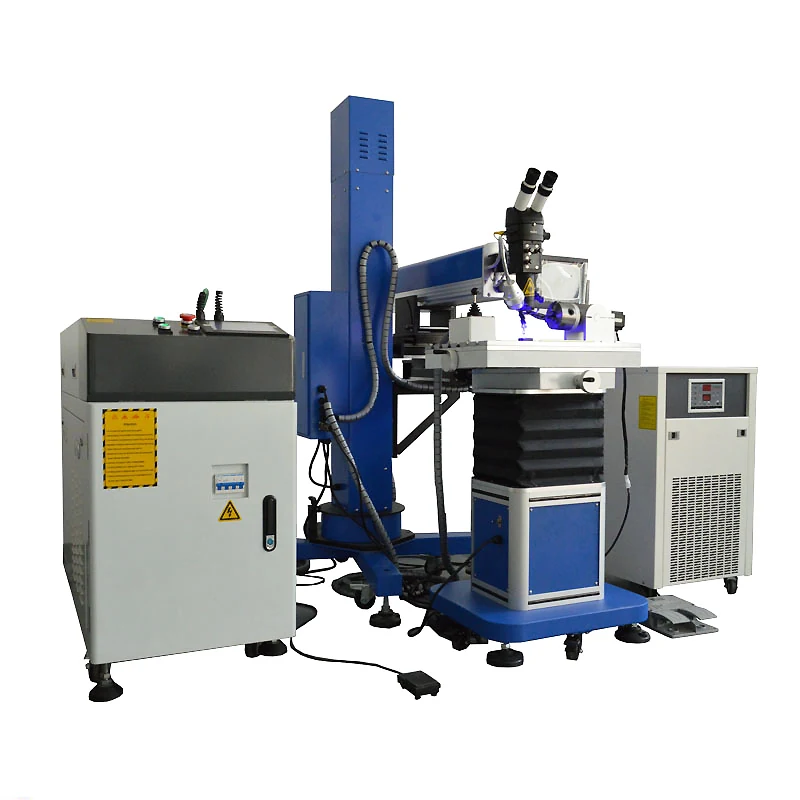
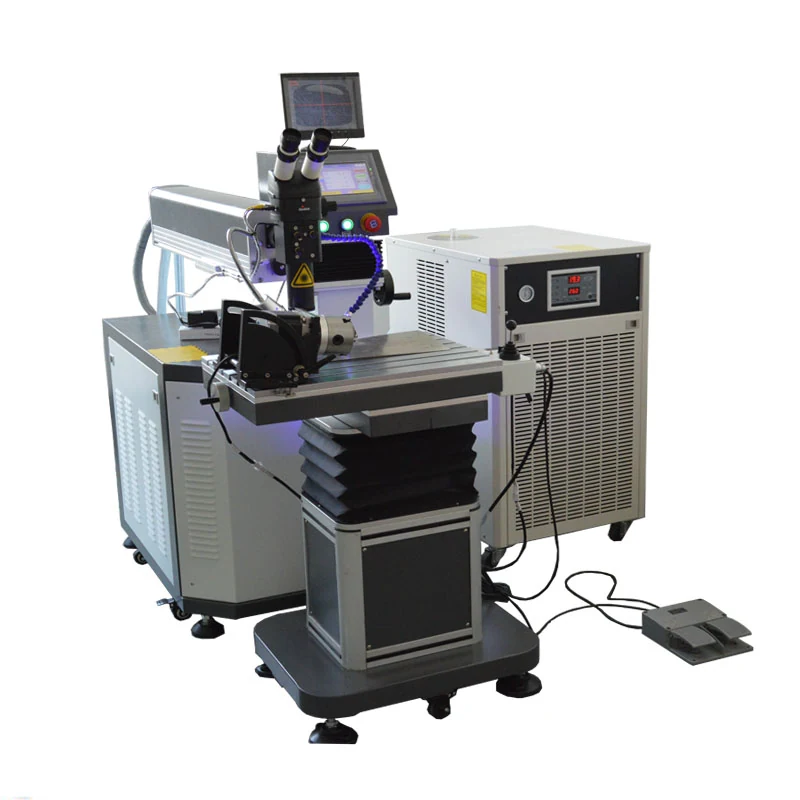
The WH-MW series is a YAG laser mold repair welder available in 200 W, 300 W, 400 W and 500 W output power.
Conventional TIG welding introduces high heat input that distorts thin mould sections and creates large heat-affected zones requiring extensive post-weld grinding.
A typical buyer for this application is a mould and die repair shop servicing injection moulding and die-casting industries. The workshop receives damaged moulds from chassis, tire, and appliance manufacturers where core edges, parting lines, and thin walls require precise restoration. Order volumes vary from single emergency repairs to batch refurbishment of worn tooling, and the material mix includes mold steel, stainless steel, and aluminum castings.
Conventional TIG welding introduces high heat input that distorts thin mould sections and creates large heat-affected zones requiring extensive post-weld grinding. Repairing fine details on complex geometries is difficult without disassembling the tool, leading to downtime for the end customer. Oxidation during welding often compromises the surface finish, necessitating re-polishing or re-texturing that erodes the repair margin.
The WH-MW series mold repair laser welding machine uses YAG laser technology at 1064 nm wavelength to deliver controlled heat to fine areas. With output powers ranging from 200 to 500 Watts and welding depths from 0.1 mm to 3 mm, the system repairs mould steel, stainless steel, and aluminum without removing the mould from the worktable. The 10X stereo microscope and CCD camera vision system allows the operator to target specific defects while the external water cooling maintains thermal stability.
The machine is configured based on the typical defect size and material thickness encountered in the shop. Models range from WH-MW200 for fine detail work to WH-MW500 for deeper repairs up to 3 mm. Delivery is arranged by sea, air, or international express to ensure the repair capability is restored without long lead times.
Each unit is tested for laser stability and pulse energy consistency before shipment. The ceramic or metal laser cavity is inspected for alignment, and the vision system is calibrated to ensure accurate targeting of the focal diameter between 0.3 and 3.0 mm. A two-year warranty covers the whole machine, backed by free lifetime technical support.
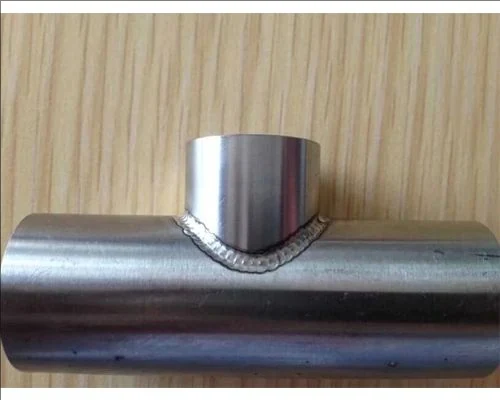
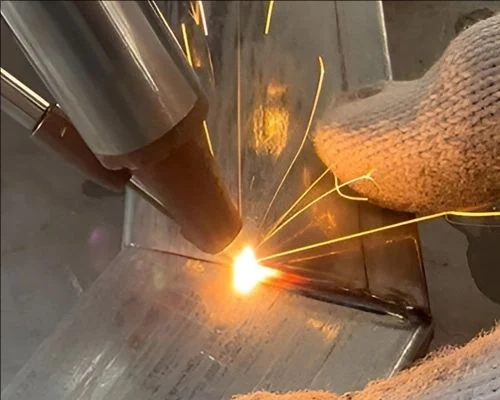
Repairs are completed with a small heat-affected zone and low oxidation rate, resulting in seamless, smooth welds that prevent mould deformation. The ability to weld various parts of the mold through programming mode eliminates the need for extensive post-weld grinding. Moulds return to service with original dimensional accuracy maintained, reducing downtime for the injection moulding customer.
The repair shop can accept jobs that were previously unprofitable due to the risk of distortion. By avoiding mould disassembly and minimizing post-weld finishing, labour hours are reduced and turnaround times are shortened. The two-year warranty and remote technical support provide confidence when bidding on critical tooling repair contracts.
Laser Welding Machines
The WH-MW series is a YAG laser mold repair welder available in 200 W, 300 W, 400 W and 500 W output power.
Laser Welding Machines
The WH-MW series is a cantilever YAG laser welder for mold repair and precision welding on chassis, auto parts, bearings and engineering machinery...
Send a photo or drawing of the part. We will tell you which machine handles it, what it will not do, and what the crate will weigh.