Hangzhou Iroga Technology Co., Ltd · 3D Supplier Worldwide
Temperature Resistent 3D Printing Filament Manufacturer in China
Temperature Resistent 3D Printing Filament Manufacturer in China detail view 2Temperature Resistent 3D Printing Filament Manufacturer in China detail view 3Temperature Resistent 3D Printing Filament Manufacturer in China detail view 4Temperature Resistent 3D Printing Filament Manufacturer in China detail view 5
3D Printing Filament

Temperature Resistent 3D Printing Filament Manufacturer in China

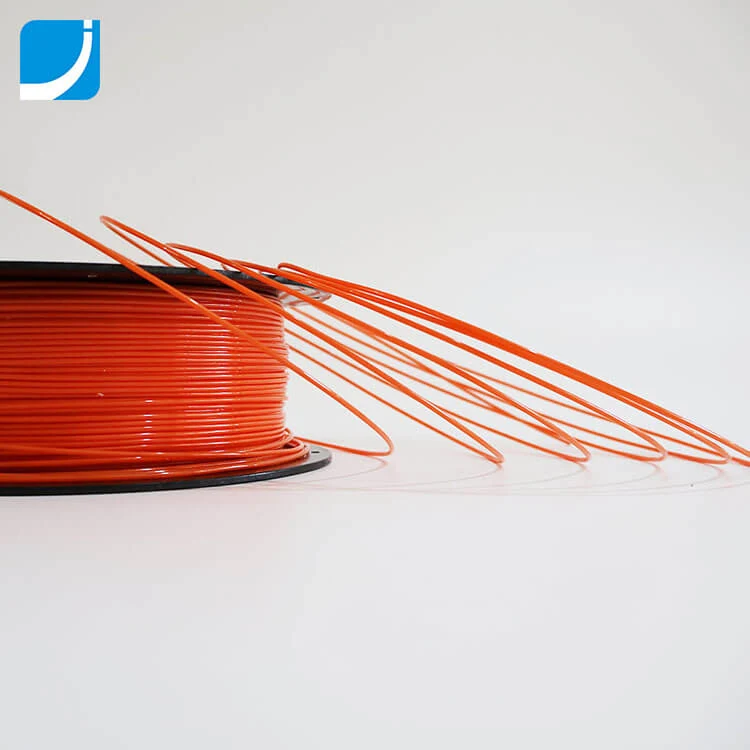
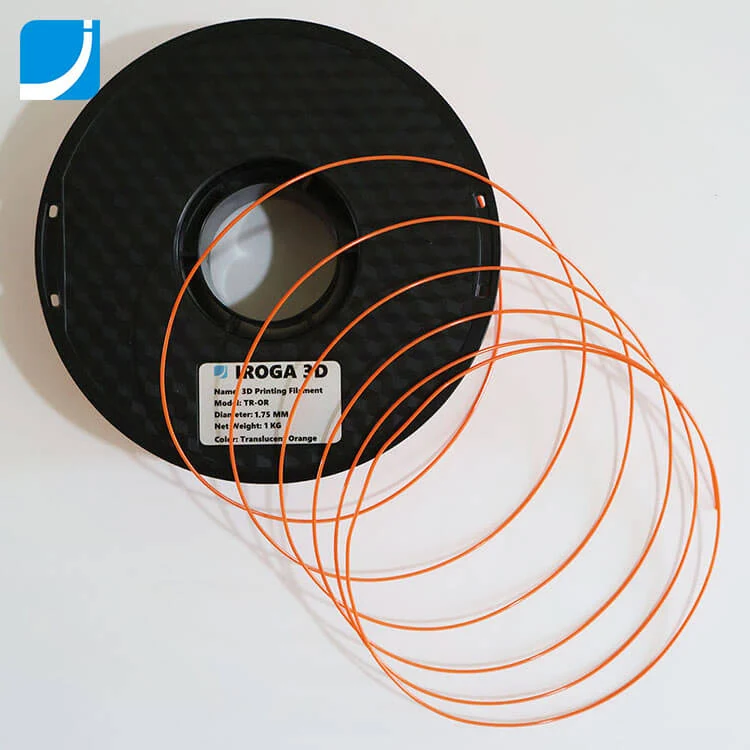
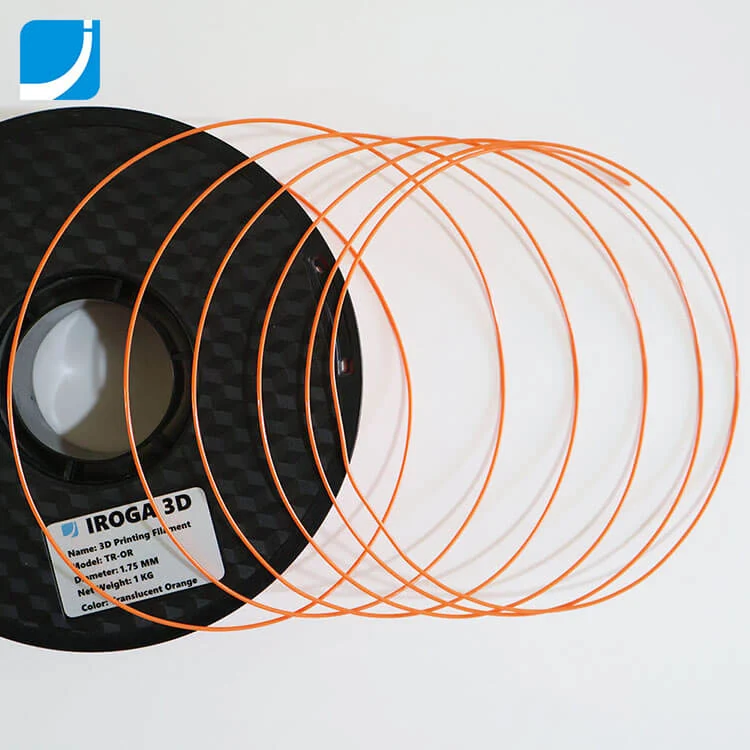
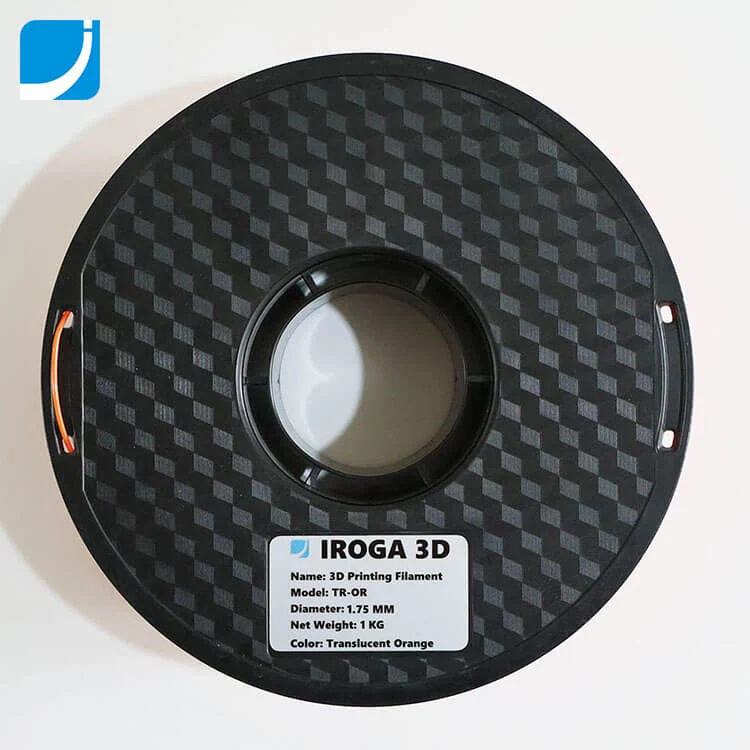
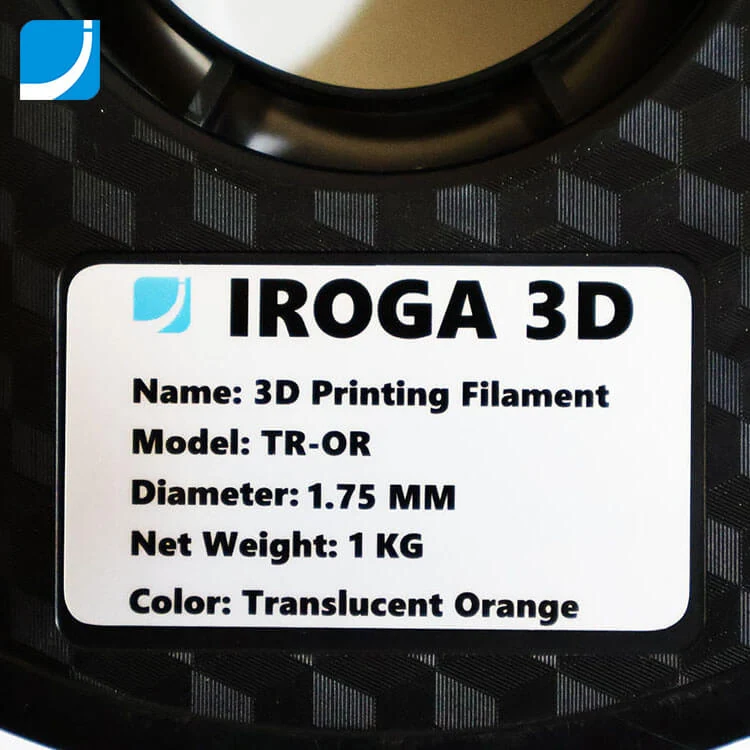
Model TR-OR

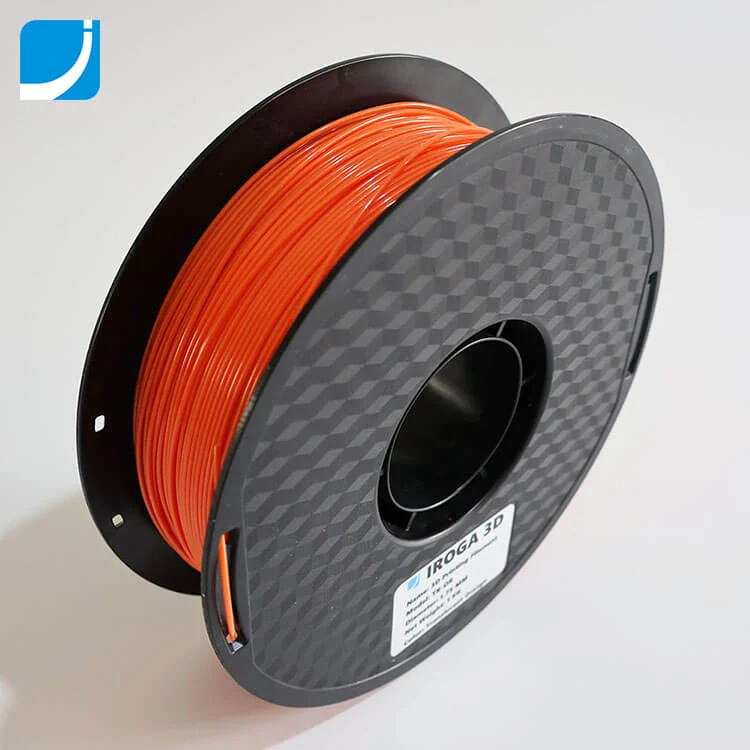
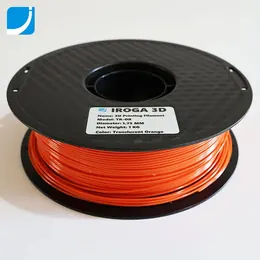
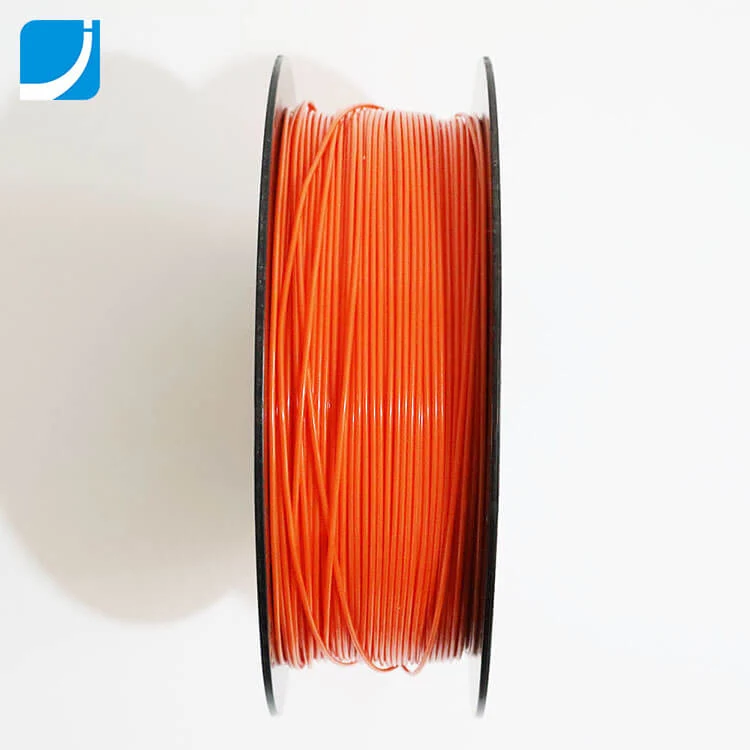
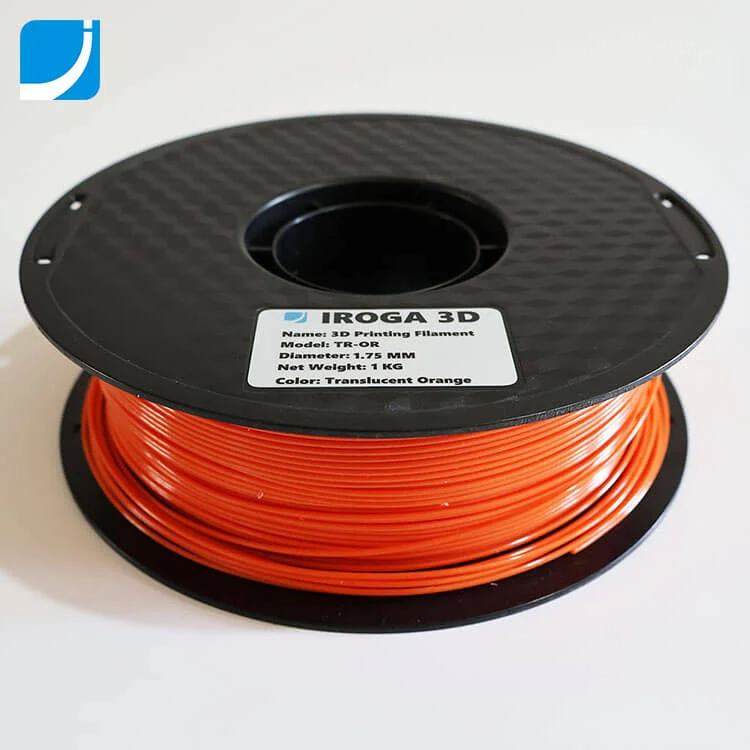
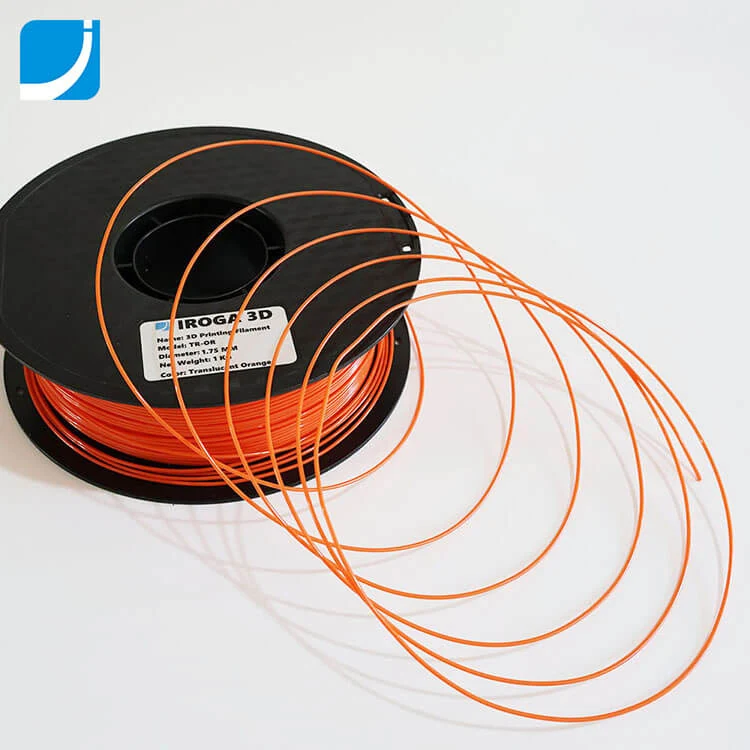
Translucent orange, and the colour used to explain the thermal specification of the range. PETG-S has an 85 degree glass transition and a working range from minus 40 to 70 degrees, which is the number that decides whether a sign survives a dark facade in summer sun or a frozen winter in a continental climate.
  • Glass transition temperature of 85 degrees keeps the part stable in summer heat
  • Working range from minus 40 degrees suits continental and northern climates
  • Maximum resisting temperature of 70 degrees covers dark surfaces in direct sun
  • Orange holds its warmth when lit rather than turning brown

Product Overview

Translucent orange, and the colour used to explain the thermal specification of the range. PETG-S has an 85 degree glass transition and a working range from minus 40 to 70 degrees, which is the number that decides whether a sign survives a dark facade in summer sun or a frozen winter in a continental climate.
Who It Is For

  • Brands installing the same sign across different climates
  • Sign makers quoting for extreme environments
  • Advertising companies with orange brand palettes
  • Buyers who need a thermal specification on record

Problems It Solves

  • Signs on dark facades reach high surface temperatures in direct sun
  • Materials with a low glass transition soften and distort in summer
  • Brittle plastics crack at mounting points in a hard frost
  • Different specifications per region complicate a chain rollout

Key Benefits

  • Glass transition temperature of 85 degrees keeps the part stable in summer heat
  • Working range from minus 40 degrees suits continental and northern climates
  • Maximum resisting temperature of 70 degrees covers dark surfaces in direct sun
  • Orange holds its warmth when lit rather than turning brown
  • One material specification works across climate zones so a chain can standardise

Technical Features

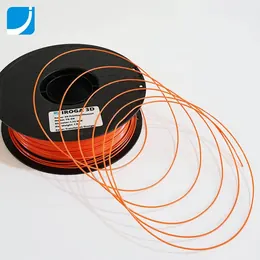
  • Filament type PETG-S at 1.75 MM diameter
  • 340 meters per roll at 1.0 KG net and 1.3 KG gross
  • Recommended printing temperature 230 to 250 degrees and bed 40 to 60 degrees
  • Printing speed 40 to 120 MM per second in FDM mode
  • Glass transition temperature 85 degrees with a working range of minus 40 to 70 degrees
  • Tensile strength 50 MPa and bending strength 68 MPa
  • Density 1.25 G per CM3 and moisture absorption 0.12 percent
  • Outdoor durability 5 to 10 years
  • Translucent orange colour
  • Glass transition temperature 85 degrees
  • Maximum resisting temperature 70 degrees and minimum minus 40 degrees

Application Scenarios

  • Signage in hot climates on south facing facades
  • Cold climate installations exposed to winter freeze
  • Fuel retail and logistics brands using orange identities
  • High visibility site and safety signage
  • Chains standardising one sign specification across regions

Customisation Options

  • Custom colour matched to your reference from a minimum of 100 rolls
  • Spool and carton labelling on request

Specifications

Product ModelTR-OR
Filament TypePETG-S
Brand NameIROGA 3D
ColorTranslucent Orange
Length340 Meters/Roll
Diameter1.75 MM
Net Weight1.0 KG
Gross Weight1.3 KG
Application3D Sign Printers / 3D Model Printers

Materials

  • PETG-S signage grade copolyester

Manufacturing and Quality Control

Process

  • Material selection
  • Compounding and pelletizing
  • Filament extrusion
  • Filament spooling
  • Quality control
  • Vacuum bagging and carton packing

Quality Control

  • Diameter monitored during extrusion so feeding stays consistent
  • Colour checked against the reference sample for each batch
  • Each roll vacuum bagged then packed 12 rolls per export carton

Comparison With Other Options

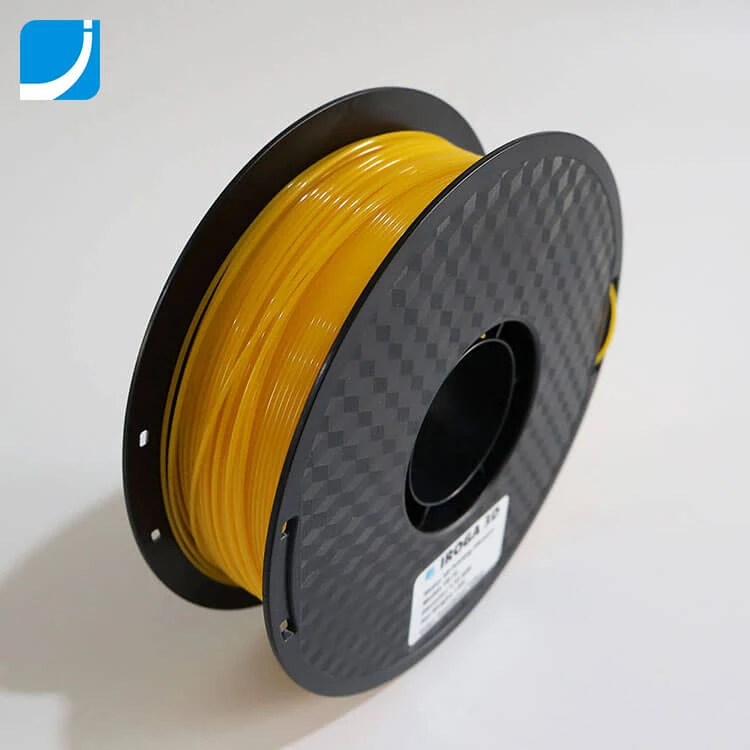
Compared with Translucent yellow

Yellow is brighter and lighter. Orange is warmer and reads with more weight at distance.

Compared with PLA and other general filaments

General purpose materials soften at much lower temperatures and are not specified for outdoor signage service.

Use Guide

  • Check the expected surface temperature of dark facades against the 70 degree limit
  • Allow for thermal movement at mounting points on long signs
  • Print at 230 to 250 degrees with the bed at 40 to 60 degrees
  • Keep the thermal data sheet with the project file for specification records
Questions

Frequently Asked Questions

Answers to what buyers ask before ordering Temperature Resistent 3D Printing Filament Manufacturer in China.

What temperatures can the finished sign handle

A working range of minus 40 degrees to 70 degrees, with a glass transition temperature of 85 degrees.

Is it suitable for a very hot climate

The maximum resisting temperature is 70 degrees. Check the expected surface temperature of dark facades in direct sun against that figure.

Will it crack in a hard winter

The specified minimum resisting temperature is minus 40 degrees.

Can one specification cover all our regions

The same PETG-S specification is used across climates, which is why chains standardise on it.

What is the minimum order quantity

1 roll for stocked colours. A customised colour has a minimum of 100 rolls.

How is the filament packed for export

Each roll goes into a vacuum bag and 12 rolls are packed per standard export carton, at 440 x 440 x 220 MM.

What warranty applies

One year quality warranty on all products with lifetime technical support.

Request A Quote for This Product

Send the quantity and your destination port and we will quote EXW FOB CIF or DDP.