
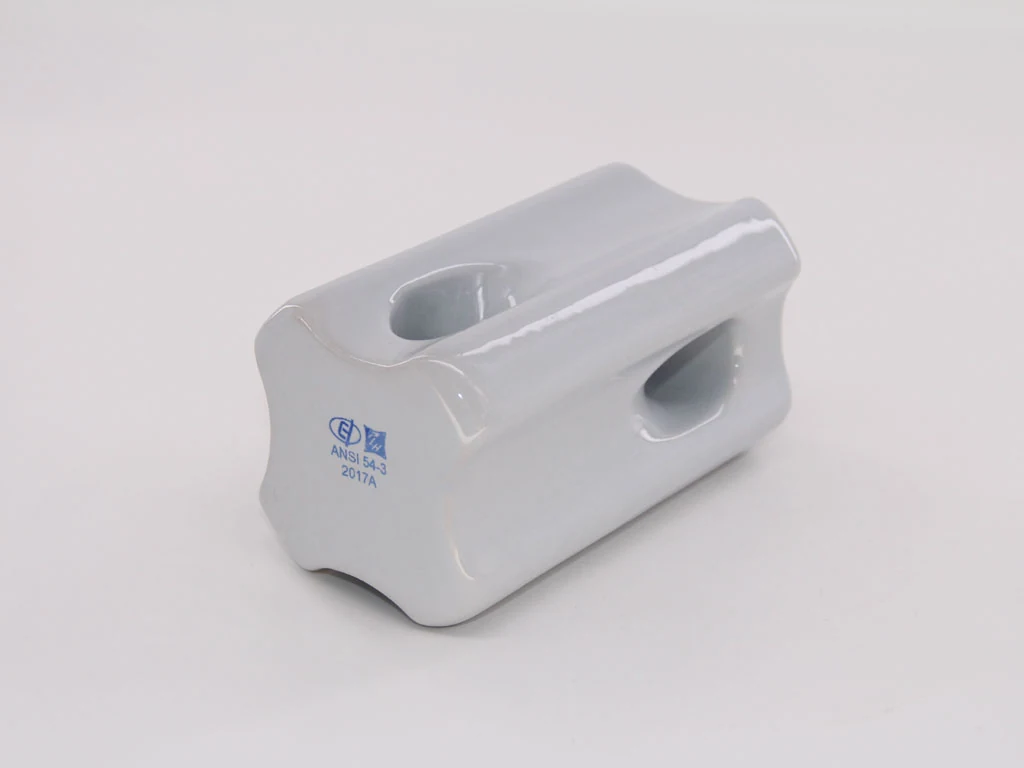
Strain Insulators ANSI 54-3
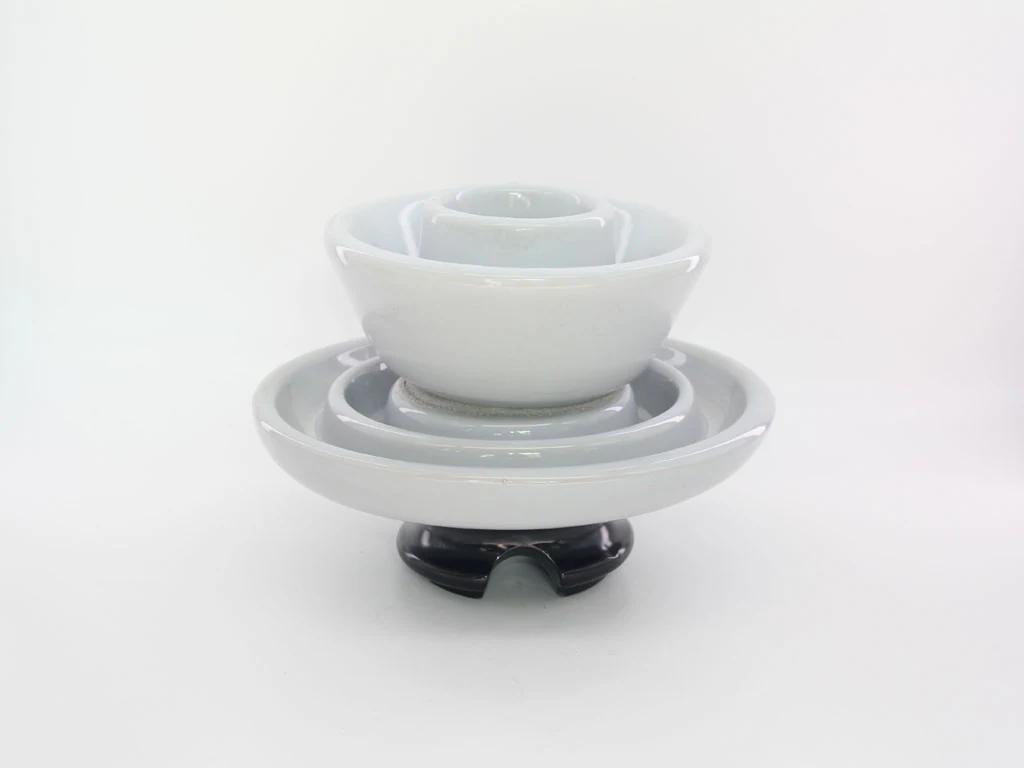
A porcelain strain insulator to ANSI 54-3 with a threaded stud and nut coupling, used in tension strings on overhead transmission and distribution lines. The insulator supports mechanical load and electrical insulation in line terminations, dead-ends, and direction changes. Tensile strength is 20,000 pounds (91kN) with a low frequency dry flashover voltage of 35kV and wet flashover voltage of 18kV.
Key Benefits
- Threaded stud and nut coupling allows secure, bolted connection without loose parts
- 20,000 pounds (91kN) tensile strength supports high mechanical load in tension strings
- 57mm leakage distance per unit provides electrical insulation in moderate pollution environments
- Porcelain dielectric resists tracking and erosion under long-term UV and corona exposure
- ANSI 54-3 dimensions ensure compatibility with standard tension hardware
- Low frequency wet flashover voltage of 18kV supports reliable performance in damp conditions
Technical Features
- Threaded stud and nut coupling to ANSI class 54-3 dimensions
- 86mm disc diameter with 140mm height so string length is predictable
- 57mm leakage distance per unit supports insulation in moderate pollution
- Tensile strength of 20,000 pounds (91kN) for high mechanical load applications
- Low frequency dry flashover voltage of 35kV sets the insulation performance under dry conditions
- Low frequency wet flashover voltage of 18kV defines performance under damp conditions
- ANSI 54 3
- STRAIN INSULATORS
- GUY INSULATORS
- STAY INSULATORS
Specifications
| ANSI Class | 54-3 |
|---|---|
| Diameter (D) | 3 3/8 inches (86mm) |
| Height (H) | 5 1/2 inches (140mm) |
| Leakage Distance | 2 1/4 inches (57mm) |
| Tensile Strength | 20,000 pounds (91kN) |
| Low Frequency Dry Flashover Voltage | 35kV |
| Low Frequency Wet Flashover Voltage | 18kV |
Figures are the published design values for this class. Imperial and metric are the same part. Download this table as a PDF datasheet.
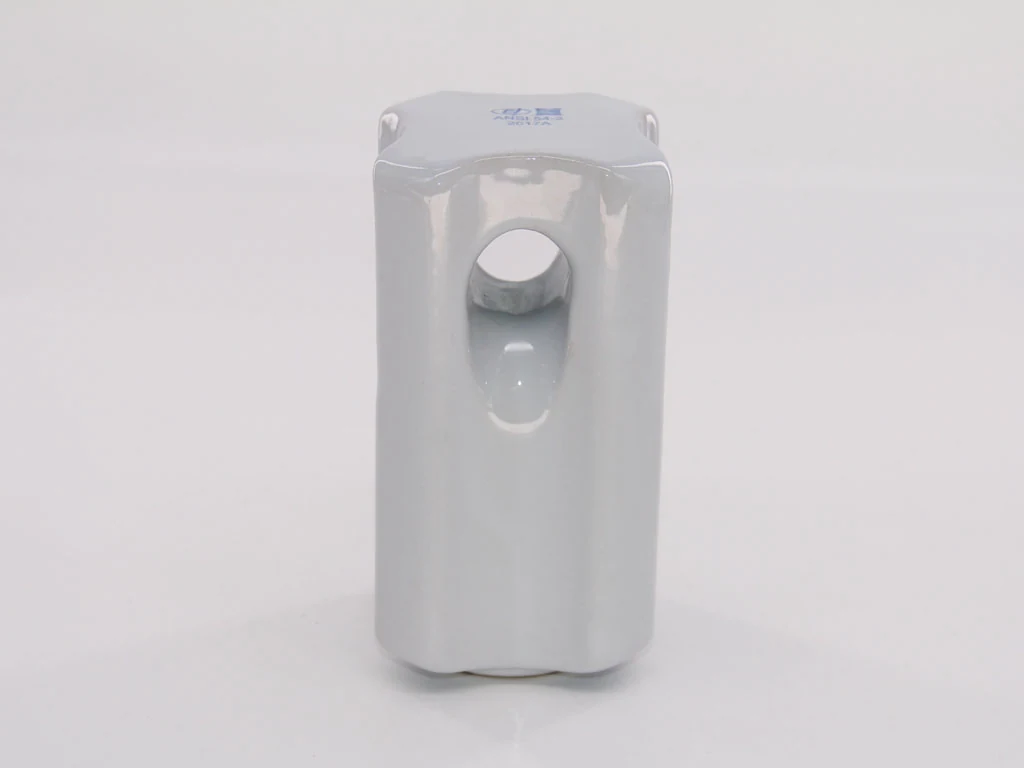
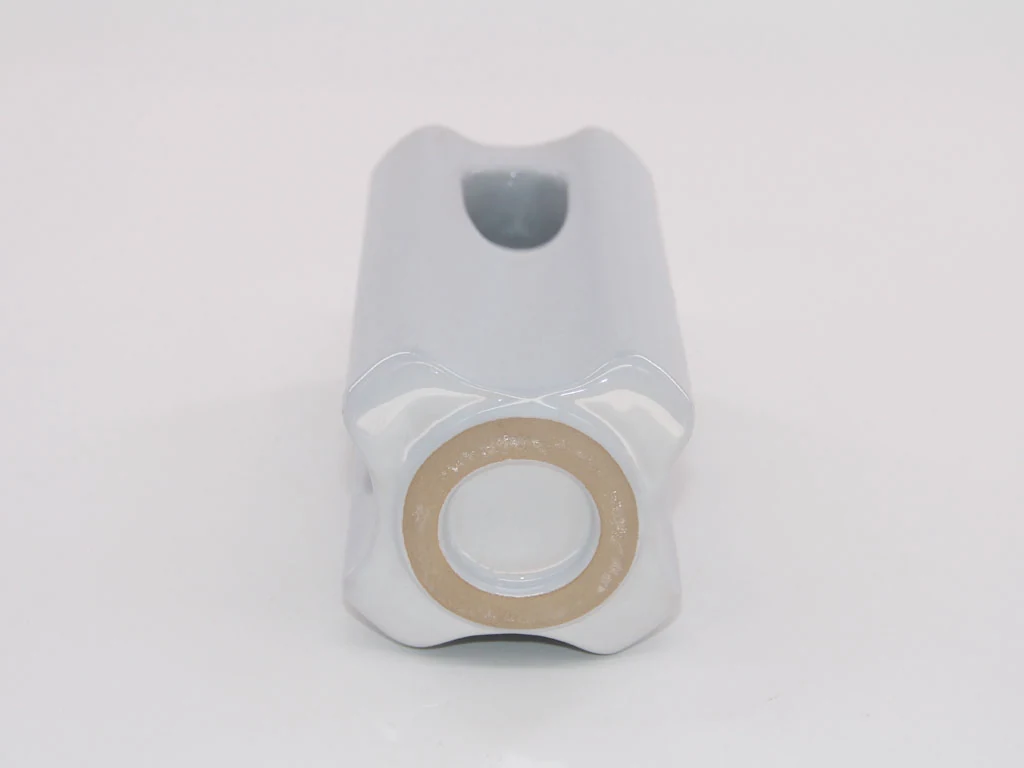
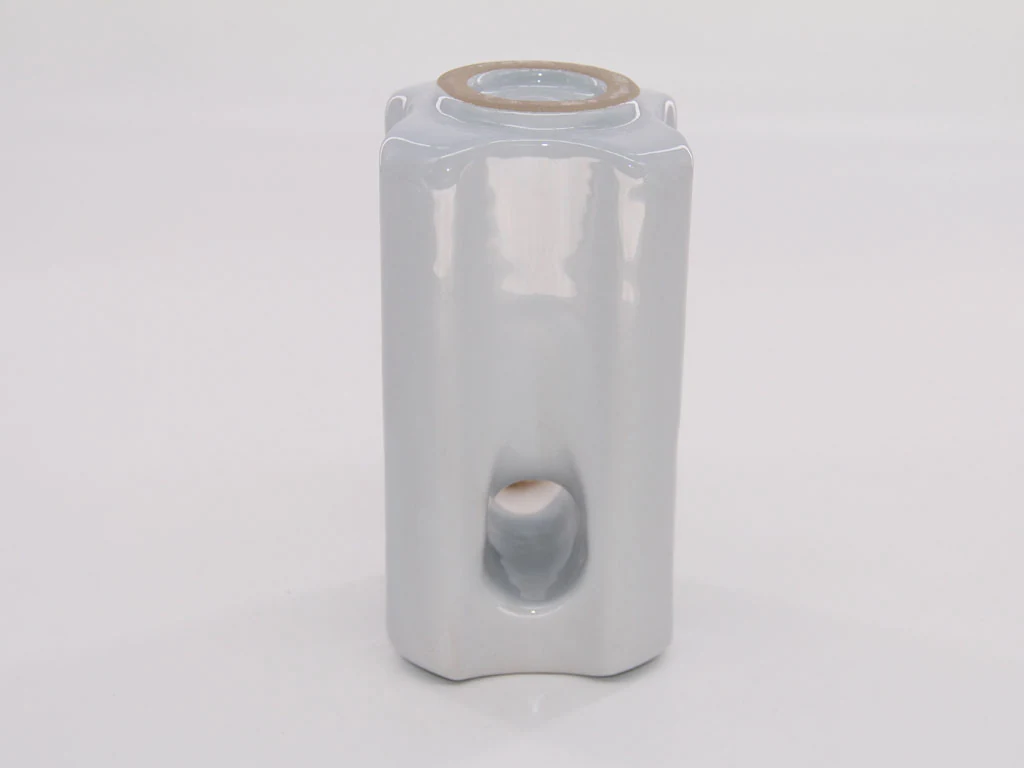
More Views of This Product
Who It Is For and What It Solves
Who It Is For
- Transmission line contractors installing tension strings on site
- Utility procurement engineers specifying strain insulators for new line builds
- EPC contractors sourcing hardware for a new overhead line package
- Electrical wholesalers supplying tension string components in ANSI standard markets
Problems It Solves
- Loose or missing nuts and washers in tension strings can lead to conductor slippage or failure
- Mismatched coupling types between new and existing hardware prevent proper assembly
- Polymer insulators degrade under UV and cannot be visually inspected for internal damage
- Insufficient tensile strength forces a redesign when the line is uprated or spans are extended
Application Scenarios
- Tension strings at line terminations where the conductor must be anchored to a tower
- Dead-end strings at direction changes or at the end of a line segment
- Line reconstruction where existing threaded stud hardware must be reused
- Distribution lines with high mechanical load due to long spans or heavy conductors
- Areas with moderate pollution levels where extended leakage distance is required
Materials and Manufacture
Materials
- Glazed electrical porcelain dielectric body
- Galvanized malleable iron or forged steel threaded stud and nut fittings
- Portland cement bonding the metal fittings to the porcelain
Manufacturing Steps
Body preparation and forming of the porcelain shell
Glazing and high temperature firing
Cementing of the threaded stud and nut metal fittings
Electrical routine testing before packing
Quality Control
- Manufactured under an ISO 9001:2008 certified quality system
- Electrical tests performed to verify dry and wet flashover voltages against the 35kV and 18kV ratings
- Mechanical strength verified against the 20,000 pound (91kN) tensile strength specification
- Sample units tested for compliance with ANSI class 54-3 dimensional and performance standards
Certification held: ISO 9001:2008. No other certification is claimed.
Customization Options
- Glaze colour to suit the utility specification
- Alternative coupling types where the tension hardware differs
- Higher leakage variants for polluted or coastal environments
- Non-standard designs developed with our engineers for a specific application
No Published Class Fits
We design insulators for specific non-standard applications. Send the mounting interface, the mechanical duty and the system voltage and our engineers will work through it with you.
Compared With the Alternatives
| Ball and socket strain insulators | Threaded stud and nut provides a more secure connection but requires a nut and washer, which are not needed in ball and socket designs |
|---|---|
| Polymer strain insulators | Porcelain is heavier and needs more hardware but does not degrade under UV and can be inspected for puncture or glaze damage |
| Pin type insulators | Strain insulators are designed for tensile load while pin types are for compression and lateral support |
Use Guide
Verify the tower hardware is threaded stud and nut before ordering to avoid coupling mismatch
Use the tensile strength rating of 20,000 pounds (91kN) as the maximum mechanical load limit
Do not exceed the low frequency wet flashover voltage of 18kV in damp conditions
Handle by the metal fittings and store on the pallet supplied to protect the porcelain sheds
Inspect for cement growth cracks and glaze damage before stringing
Strain Insulators ANSI 54-3 FAQ
What is the tensile strength of an ANSI 54-3 strain insulator
The tensile strength is 20,000 pounds (91kN). This is the maximum mechanical load the insulator is rated for.
What is the flashover voltage for dry and wet conditions
The low frequency dry flashover voltage is 35kV. The low frequency wet flashover voltage is 18kV. These values define the insulation performance under dry and damp conditions.
Can you supply a different coupling type
We build to GB, ANSI, BS, DIN, AS and IEC standard designs. Email us the coupling class in your specification and we will confirm what we can supply.
What certification do you hold
Our manufacturing facilities are certified to ISO 9001:2008. We do not claim any other certification on this page. If your tender needs a specific test report, ask us before you bid.
What is your minimum order quantity
MOQ depends on the ANSI class and the glaze colour. Email us the class and the quantity you need and we will confirm.
Can you make a non-standard strain insulator for our project
Yes. We design insulators for specific non-standard applications and our engineers are available to help develop an insulator for your particular application.
Which markets do you already supply
Customers in more than 40 countries use our insulators, including America, Canada, Australia, Brazil, Ecuador, Russia, Greece, Cyprus, India, Viet Nam, Sri Lanka, Pakistan, Tanzania and Kenya.

Guides That Cover This Product
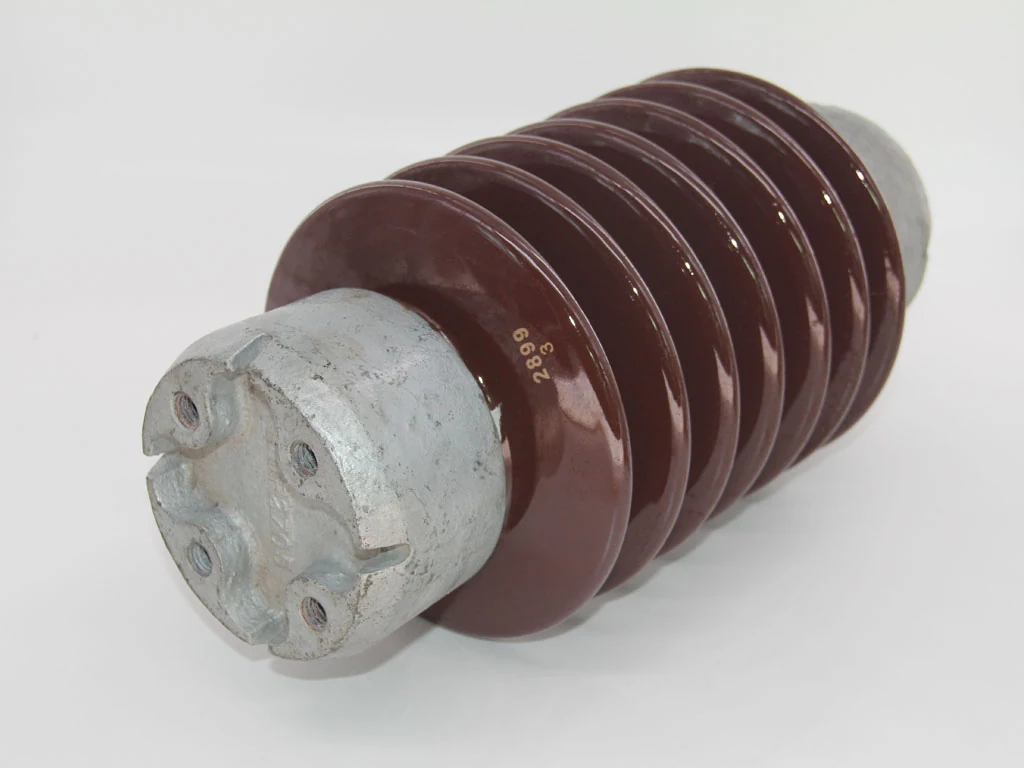
ANSI and IEC Porcelain Insulator Standards Compared
How ANSI classes like 52-4 and 57-2 and IEC designations like C4-125 describe a porcelain insulator, and what to check o
How to Read ANSI Insulator Class Numbers
Learn how ANSI class numbers like 52-4, 56-3 and 57-2 identify porcelain insulators, and how they differ from IEC design
Creepage Distance and Pollution Performance
Creepage distance values for IEC C4-125 (500mm), ANSI TR-208 (610mm), ANSI 57-2 (559mm), and ANSI 56-3 (533mm) insulator
Quote Strain Insulators ANSI 54-3
Send the quantity, the coupling type and the destination and we will quote against the published figures on this page. The datasheet PDF has the same table.