
Truck Speed Sensor and RPM Sensor Basics
How a Speed Sensor and RPM Sensor Actually Works
A speed sensor and an RPM sensor both detect rotational speed using a magnetic or electronic method. Magnetic pickup sensors use a coil and a ferrous target wheel; as the teeth pass the sensor, they induce a voltage pulse in the coil. The frequency of these pulses corresponds to the rotational speed. Hall effect sensors use a semiconductor to detect changes in a magnetic field caused by the passing teeth, producing a digital on/off signal. Both types send a signal to the ECU or instrument cluster to display speed or engine RPM. A failure in either sensor interrupts this signal, causing the speedometer or tachometer to malfunction.
Pin Count Is Not the Same as Signal Type
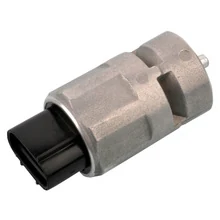
The number of pins on a sensor housing indicates the number of electrical connections, not the function. A 3P sensor may have power, signal and ground. A 4P sensor adds a second signal wire or a reference voltage. The same vehicle model can use different pin counts depending on the ECU or wiring harness design. Never assume a 3P sensor from one brand fits a 4P socket. Always match the pin layout and function to the original unit before ordering.
Confirm the System Voltage Before You Buy
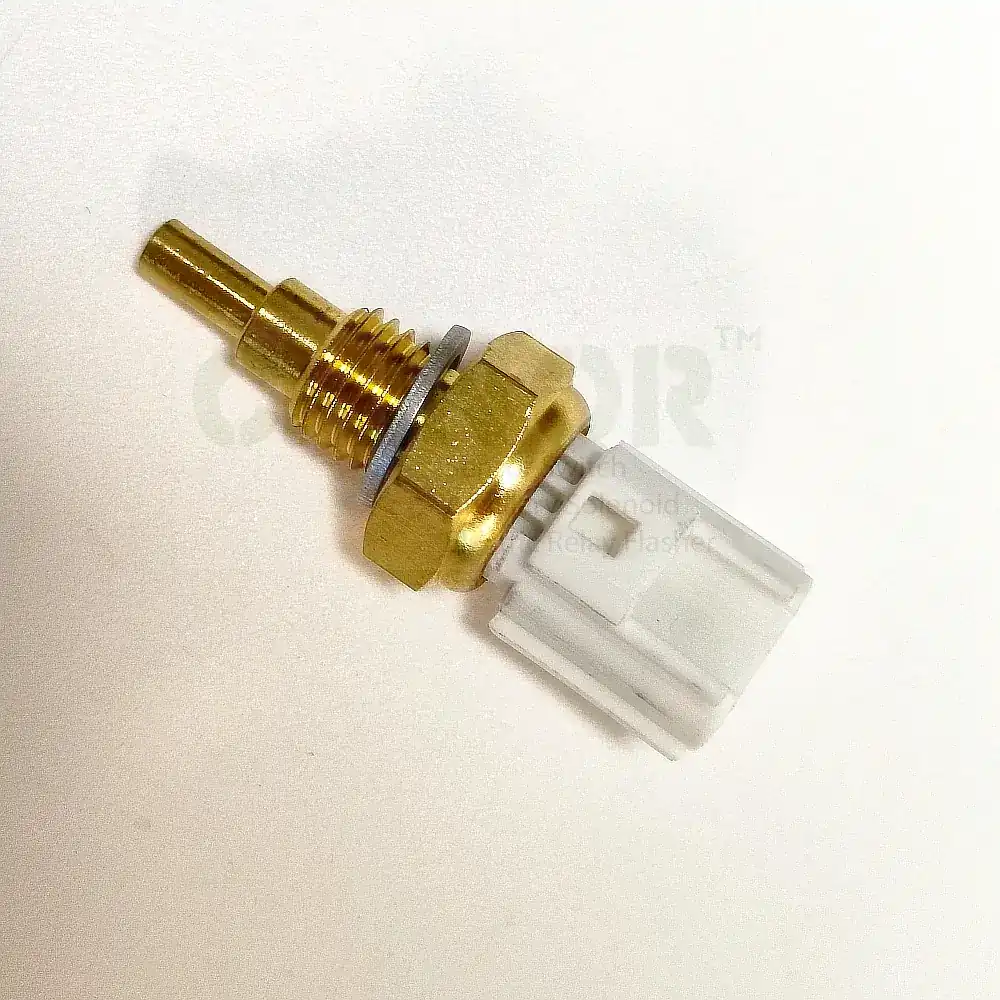
Most light commercial vehicles use 12V systems. Heavy trucks and buses typically use 24V. A 12V sensor used in a 24V system will fail quickly due to overvoltage. A 24V sensor on a 12V system may not generate a signal at all. The voltage is printed on the original sensor case and in every product name in the catalogue. Always verify the voltage before placing an order.
Symptoms of a Failing Sensor
A failing speed sensor often causes the speedometer to drop to zero, fluctuate, or display erratic readings. An RPM sensor failure may cause the tachometer to drop to zero or not register at all. In some cases, the ECU may trigger a fault code or disable engine functions. If the sensor is located near the transmission or engine, a loose mounting or damaged wiring harness can mimic a sensor fault. Always check for physical damage and secure connections before replacing.
Check the Target Wheel Before Replacement
A sensor can fail to generate a signal if the target wheel is damaged, missing teeth, or clogged with debris. Inspect the wheel for signs of wear, cracks, or contamination. A bent or misaligned wheel can cause inconsistent signals. Clean the area around the sensor and ensure the gap between the sensor tip and the wheel is within specification. If the target wheel is damaged, replace it before installing a new sensor.
Cross Referencing Before a Bulk Order
One sensor can have multiple part numbers: the vehicle maker’s number, the original supplier’s number, and the manufacturer’s factory number. These all refer to the same physical unit. When ordering in volume across different brands, list every number you have for each sensor and ask for confirmation against a photograph of the connector. It costs one message and prevents a shipment of parts that do not fit.
What to Send When You Ask for a Quote
Send the number printed on the original sensor, a photograph of the connector face showing the pin layout, the system voltage, the vehicle brand and model, and the annual quantity you expect to use. This information allows us to confirm the correct part and provide an accurate quote. If trialling a new part number, request a sample first: samples are free and you cover freight.
Parts Covered in This Guide
Quick Answers
Why does my speedometer drop to zero when driving?
This is a common symptom of a failing speed sensor. Check for a damaged target wheel, loose wiring, or a sensor that is not properly seated. Replace the sensor if the signal is intermittent or absent.
Can I use a 12V sensor on a 24V truck?
No. A 12V sensor used in a 24V system will fail quickly due to overvoltage. Always confirm the system voltage before ordering.
Is a 3P sensor the same as a 4P sensor?
No. The pin count refers to the number of electrical connections. A 3P sensor has three terminals; a 4P has four. They are not interchangeable unless the pin layout and function match exactly.
One side flashes fast and the other is normal. Is the flasher faulty?
Almost certainly not. Check for a blown bulb or a poor earth on the fast flashing side first.
How do I confirm a cross reference before ordering in volume?
Send the number on the original unit and a photograph of the connector face. We confirm the match against the physical part before the order is placed.
Can I get a sample before committing to a fleet order?
Yes. Samples are free of charge and you cover the freight cost.
More Guides
How to Choose a Flasher Relay for Heavy Trucks
A flasher relay controls the on-off cycle of the turn signals in a commercial vehicle. It receives a signal from the steering colu
Truck Starter Relay Failure Symptoms and Diagnosis
A starter relay is the high-current switch in the starting circuit. When the ignition key is turned, the relay closes a heavy cont
Brake Light Switch and Back Lamp Switch Explained
The brake light switch is a safety device that closes the circuit when the brake pedal is pressed, sending power to the stop lamps
Still Not Sure Which Part You Need
Send a photograph of the connector face and the number printed on the original unit. We confirm the match before you order.