
Brake Light Switch and Back Lamp Switch Explained
What a Brake Light Switch Actually Does
The brake light switch is a safety device that closes the circuit when the brake pedal is pressed, sending power to the stop lamps. It is normally open (OFF) when the pedal is released and closes (ON) when the pedal is depressed. This switch is critical for rear visibility and collision prevention. On commercial vehicles, it is typically mounted on the brake pedal linkage or master cylinder. Failure results in no brake lights, which is a major safety hazard and a common cause of roadside inspections and fines.
What a Back Lamp Switch Actually Does
The back lamp switch controls the tail lights and side marker lamps when the vehicle's main lights are on. It is normally closed (ON) when the lights are off and opens (OFF) when the lights are switched on. This switch ensures that the rear lamps illuminate only when required, reducing battery drain when the lights are off. It is commonly used in conjunction with the headlight switch or a separate light control lever. A failed back lamp switch may cause the tail lights to stay on continuously or not illuminate at all.
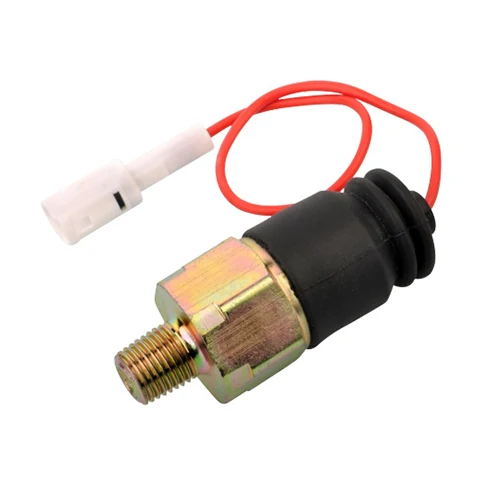
OFF-ON Notation Explains the Switch State
The notation ON-OFF or OFF-ON indicates the switch's default state. OFF-ON means the switch is open when inactive and closes when actuated (e.g., brake pedal pressed). ON-OFF means the switch is closed when inactive and opens when actuated (e.g., light switch turned on). Misreading this can lead to incorrect part selection. Always confirm the notation on the original unit before ordering. The notation is printed on the case and in the product name.
Thread and Connector Differences Are Critical
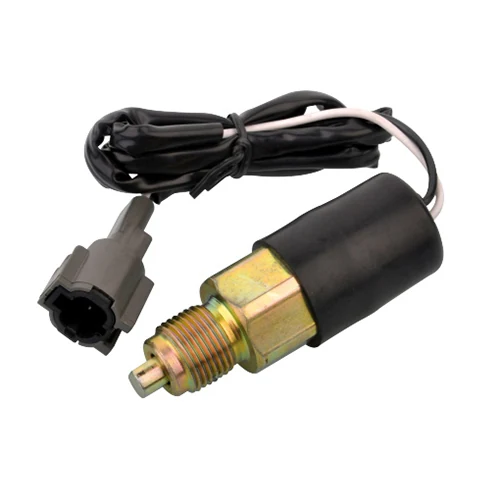
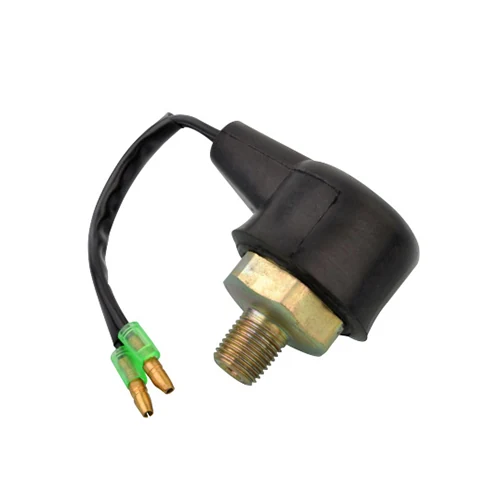
Brake and back lamp switches vary in thread size and connector type depending on the vehicle model and manufacturer. Common threads include M10x1, M12x1, and M14x1. Connectors range from 2-pin to 3-pin and may have different pin layouts. A mismatched thread will not seat properly, and a wrong connector will not plug in. Always photograph the original switch's thread and connector before ordering. The product name includes the thread and connector details.
Typical Failure Modes on Trucks
Brake light switches often fail due to mechanical wear on the pedal linkage, corrosion in the connector, or internal contact welding. A switch that sticks closed causes the brake lights to stay on, draining the battery. A switch that fails open results in no brake lights. Back lamp switches may fail open, causing tail lights to not illuminate, or fail closed, keeping the lights on when they should be off. Vibration and moisture in commercial vehicle environments accelerate these failures.
Cross Referencing by OEM Number and Vehicle Model
Each switch is designed for a specific vehicle system. Use the OEM number printed on the original unit to confirm the correct replacement. The same part may be used across multiple models, but the thread, connector, and switch state must match. Always verify the fitment using the OEM number and a photo of the connector before placing a bulk order.
What to Send When You Ask for a Quote
Send the OEM number printed on the original switch, a photograph of the connector face, the system voltage, the vehicle brand and model, and the expected annual quantity. Include the switch state (OFF-ON or ON-OFF) and thread size if available. This information allows us to confirm the correct part and provide an accurate quote. For trial orders, request a free sample and cover freight.
Parts Covered in This Guide
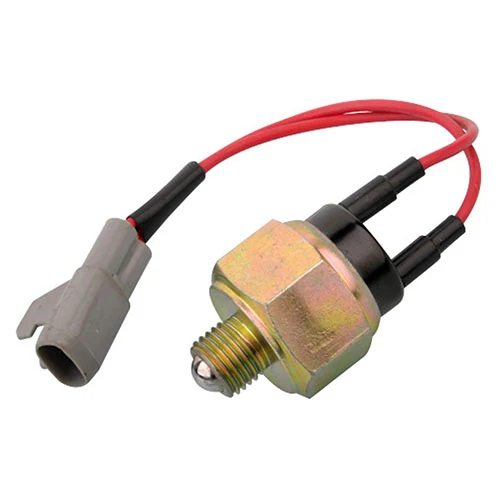
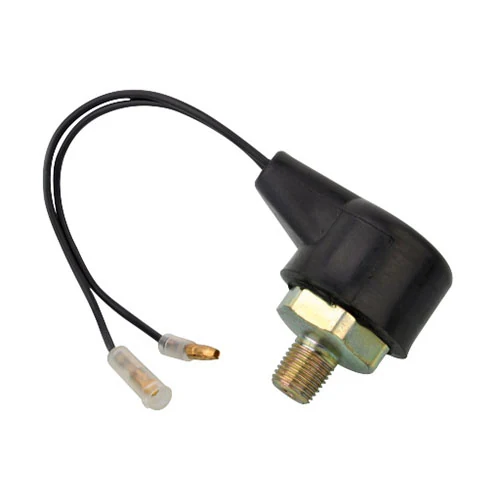
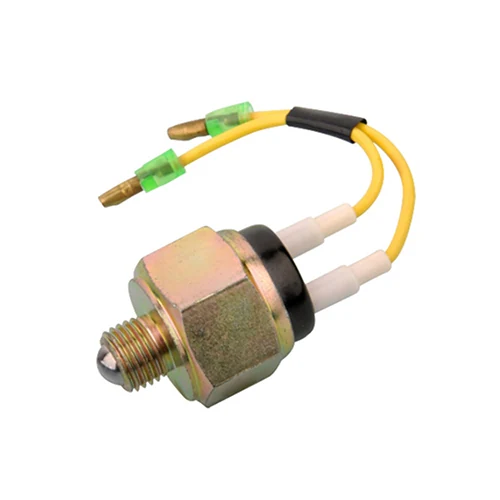
Quick Answers
Why do my brake lights stay on after releasing the pedal?
The brake light switch is likely stuck closed due to mechanical wear, internal contact welding, or debris in the actuator. Replace the switch with the correct OEM number and verify the switch state (OFF-ON).
My tail lights stay on when the ignition is off. Is the back lamp switch faulty?
Yes. A back lamp switch that fails closed keeps the tail lights on, causing battery drain. Check the switch state (ON-OFF) and replace it with the correct OEM part.
Can I use a brake light switch with ON-OFF state instead of OFF-ON?
No. The switch state must match the vehicle's electrical design. Using the wrong state will cause the brake lights to behave incorrectly, such as not illuminating or staying on.
How do I confirm the thread size before ordering?
Measure the thread diameter and pitch with a caliper or thread gauge. The thread size is also printed on the original switch and in the product name. Common sizes include M10x1, M12x1, and M14x1.
Can I get a sample before placing a bulk order?
Yes. Samples are free of charge and you cover the freight cost. Send your request with the OEM number and vehicle model.
What is the difference between a brake light switch and a back lamp switch?
A brake light switch activates the stop lamps when the brake pedal is pressed. A back lamp switch controls the tail and side marker lamps when the vehicle lights are on. They serve different safety functions and are not interchangeable.
How long is the lead time for stocked items?
Stocked fast-moving items are delivered within 7-10 working days after order confirmation. Production orders may take up to 40 days.
More Guides
How to Choose a Flasher Relay for Heavy Trucks
A flasher relay controls the on-off cycle of the turn signals in a commercial vehicle. It receives a signal from the steering colu
Truck Starter Relay Failure Symptoms and Diagnosis
A starter relay is the high-current switch in the starting circuit. When the ignition key is turned, the relay closes a heavy cont
How to Read OEM Cross Reference Numbers for Truck Electrical Parts
A single electrical component can carry several identifiers: the vehicle manufacturer's OEM number, the original supplier's part n
Still Not Sure Which Part You Need
Send a photograph of the connector face and the number printed on the original unit. We confirm the match before you order.