
Truck Starter Relay Failure Symptoms and Diagnosis
What a Starter Relay Actually Does
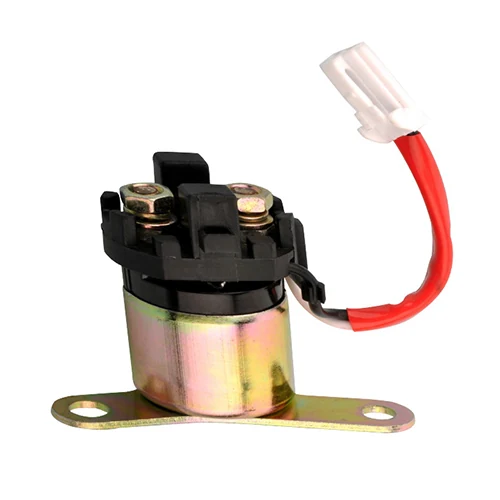
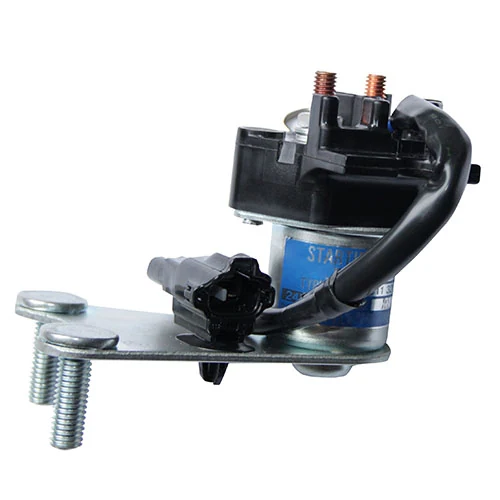
A starter relay is the high-current switch in the starting circuit. When the ignition key is turned, the relay closes a heavy contact to send battery power to the starter motor solenoid. Without it, the starter motor cannot engage. The relay itself is controlled by a low-current signal from the ignition switch, which protects the switch and wiring from the high amperage draw. Failure in this component stops the engine from cranking, even if the battery and starter are functional.
Start With the Pin Layout Not the Vehicle Model
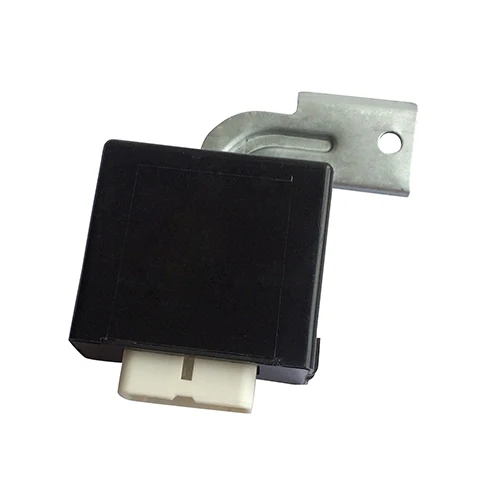
The most reliable way to identify a replacement is the connector housing, not the truck brand. Count the terminals on the original unit: 5P, 8P, 10P, 14P and 16P are common on commercial vehicles. A mismatch in pin count will prevent the relay from seating properly and can cause intermittent contact or damage to the wiring harness. Photograph the connector face and the number printed on the case before ordering. The same vehicle model may use different relays depending on the engine or electrical package.
Confirm the System Voltage Before You Buy
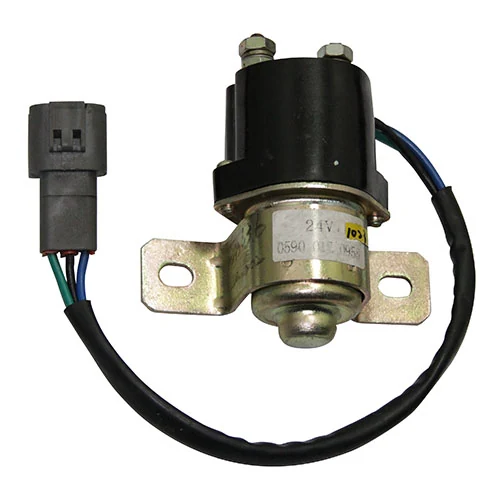
Light commercial vehicles run 12V. Most heavy trucks and buses run 24V. A 12V starter relay fitted to a 24V system will fail quickly, often with welded contacts or internal arcing. A 24V relay on a 12V circuit may not close at all, or will not sustain the contact under load. The voltage is normally printed on the original relay case next to the part number. Every product name in our catalogue includes the voltage for this reason.
Amperage Rating Must Match the Starter Motor Demand
The starter relay must handle the peak current draw of the starter motor. A relay rated too low will overheat, weld its contacts closed, or fail to close under load. A relay rated too high may not fit the socket or may not be compatible with the control circuit. Check the original relay’s amperage rating and match it exactly. For example, a 100A relay is required for high-torque diesel engines, while 80A units are used on smaller engines.
Reading the Symptoms
Clicking with no crank means the relay is receiving the signal but not closing the high-current circuit. This can be due to a weak coil, dirty contacts, or a failed internal contact. Intermittent starting suggests a loose connection, a cracked solder joint, or a relay that is failing under thermal stress. Welded contacts mean the relay’s contacts have fused shut, which can cause the starter to run continuously after the engine starts. Voltage drop testing at the relay terminals under load confirms whether the relay is passing current properly.
Cross Referencing Before a Bulk Order
One physical relay can carry multiple numbers: the vehicle maker’s number, the original supplier’s number, and the manufacturer’s factory number. They all refer to the same unit. When consolidating an order across several truck brands, list every number you have for each line and ask for confirmation against a photograph of the connector. It costs one message and prevents a container of parts that do not fit.
What to Send When You Ask for a Quote
Send the number printed on the original relay, a photograph of the connector face showing the pin layout, the system voltage, the truck brand and model, and the quantity you expect to move in a year. That is enough to confirm the part and price it properly. If you are trialling a new part number, ask for a sample first: the sample is free and you only cover the freight.
Parts Covered in This Guide
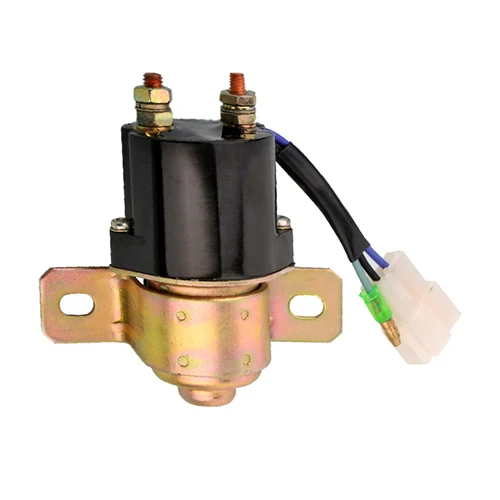
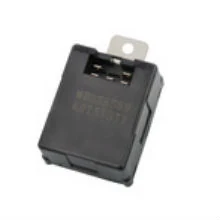
Quick Answers
Why does my starter click but not crank?
The relay is receiving the signal but not closing the high-current circuit. Check for a weak coil, dirty contacts, or a failed internal contact. The relay may be rated too low for the starter motor’s current draw.
Can I use a 12V relay on a 24V truck?
No. A 12V relay on a 24V system will fail quickly, often with welded contacts or internal arcing. Confirm system voltage before ordering; it is normally printed on the original relay case.
Is the pin count the same as the number of wires in the harness?
No. The pin count is the number of terminals in the relay connector housing. It includes supply, earth, control input, and output terminals. It varies with the electrical package and is not related to the number of lamps or sensors.
One side flashes fast and the other is normal. Is the flasher faulty?
Almost certainly not. Check for a blown bulb or a poor earth on the fast flashing side first.
How do I confirm a cross reference before ordering in volume?
Send the number on the original unit and a photograph of the connector face. We confirm the match against the physical part before the order is placed.
Can I get a sample before committing to a fleet order?
Yes. Samples are free of charge and you cover the freight cost.
More Guides
How to Choose a Flasher Relay for Heavy Trucks
A flasher relay controls the on-off cycle of the turn signals in a commercial vehicle. It receives a signal from the steering colu
Brake Light Switch and Back Lamp Switch Explained
The brake light switch is a safety device that closes the circuit when the brake pedal is pressed, sending power to the stop lamps
How to Read OEM Cross Reference Numbers for Truck Electrical Parts
A single electrical component can carry several identifiers: the vehicle manufacturer's OEM number, the original supplier's part n
Still Not Sure Which Part You Need
Send a photograph of the connector face and the number printed on the original unit. We confirm the match before you order.