
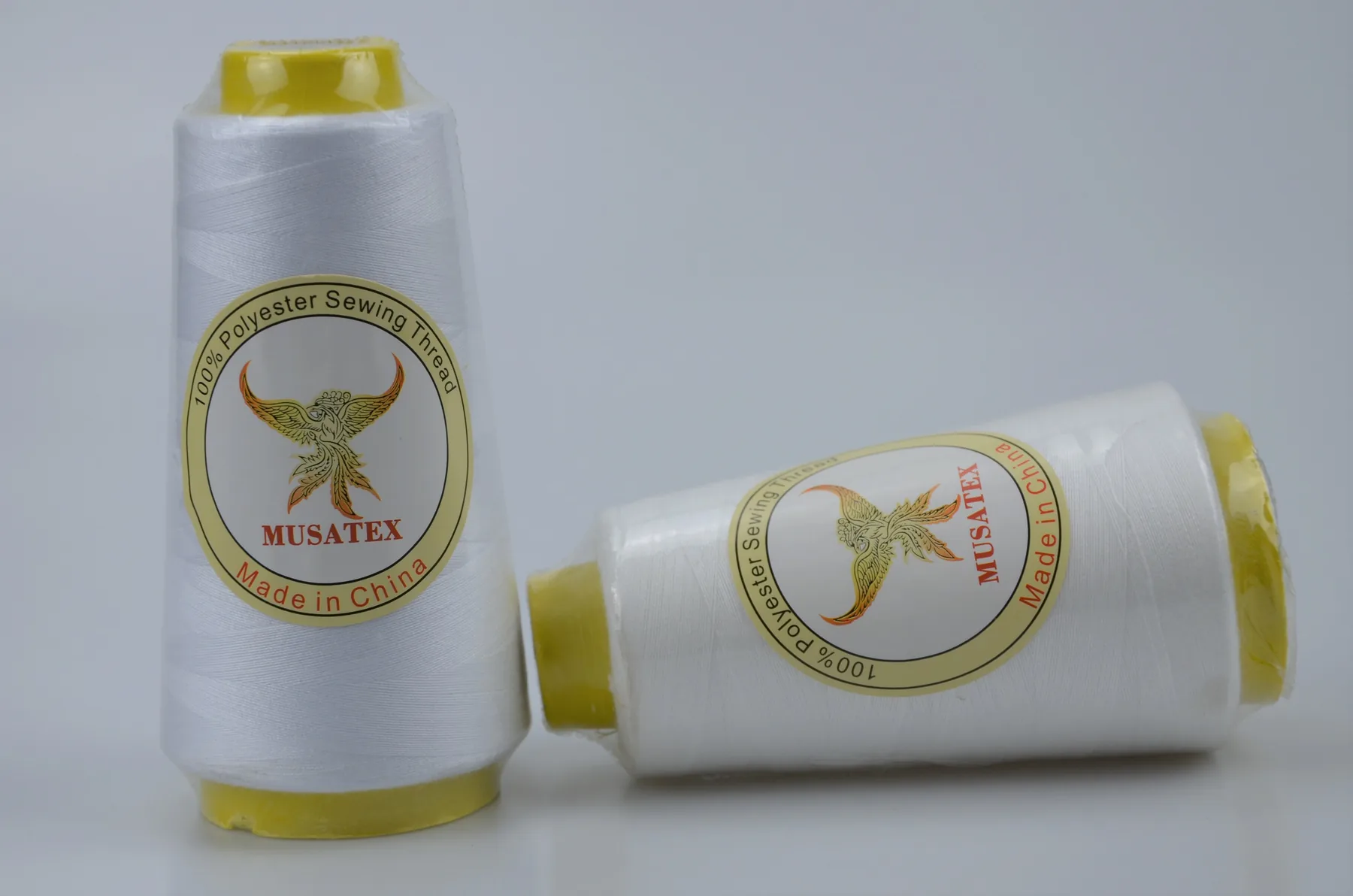
How to Check Whether a Thread Cone Really Holds Its Stated Yardage
Tell nominal from measured yardage, verify cones by net thread weight of 84 g 132 g and 140 g against a 12 g cone, and protect your…
Nominal Yardage and Measured Yardage Are Not the Same Thing
Nominal yardage is the figure printed on the cone label and quoted in the offer. Measured yardage is what actually comes off the cone when you run it. On a spun polyester cone the two can drift apart if winding tension or package weight is loose. When you plan thread purchasing by the printed figure but sew by the real one, the gap shows up as thread runs out before the cut order is finished.
Weigh the Cone and Convert to Net Thread Weight
The practical check is done on a scale, not a yardage meter. Take a cone as delivered, weigh it, and subtract the weight of the empty cone itself. What is left is net thread weight, and net thread weight is the honest number. Our own put-ups are quoted this way: 3000 yards at 84 g net on a 12 g cone, 5000 yards at 140 g net on a 12 g cone, and 2370 yards at 132 g net on a 12 g cone. Because the cone weight is stated separately, a buyer can weigh an incoming carton and verify it against the declared figures.
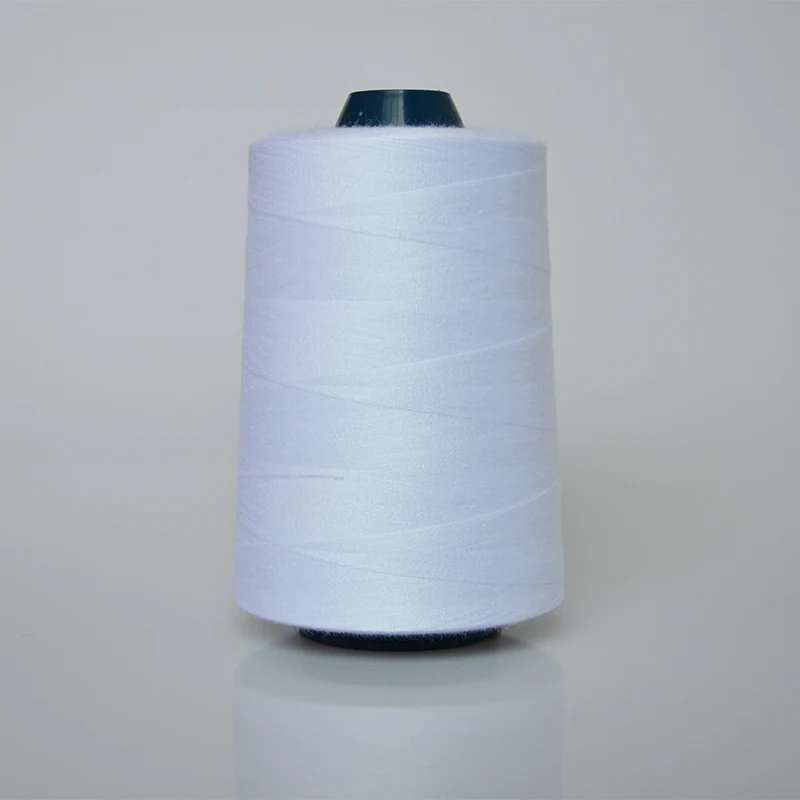
100% Polyester Sewing Thread 40/2 X 3000 Yards
Why Net Weight and Cone Weight Must Be Quoted Separately
If a supplier quotes a single blended figure, part of what you are paying for is not thread. Ask for net thread weight and cone weight as two separate lines on every offer, then hold deliveries to them.
100% Polyester Sewing Thread 40/2 X 5000 Yards
How Short Measure Distorts Your Consumption Costing
Thread consumption is calculated per garment and multiplied by the cut order. If the cones actually carry less than the nominal yardage, your calculated consumption per garment stays the same but the cones empty sooner, so the real thread cost per piece rises. On a long uniform programme that difference compounds quietly across every colour. Verifying net weight on a scale at goods-in costs minutes and protects the costing you already sold to your customer.
Polyester Sewing Thread 20S/2 x 2370 Yards
Make It a Standard Goods-In Check
Put the check into your normal receiving routine. Weigh a sample of cones from each colour, subtract the declared cone weight, and compare the net figure against the one on the offer. Do it per colour, because winding quality can vary between colours in the same count. A supplier who quotes net and cone weights separately has already made this check possible, which says something about how they wind.
Items Mentioned Above
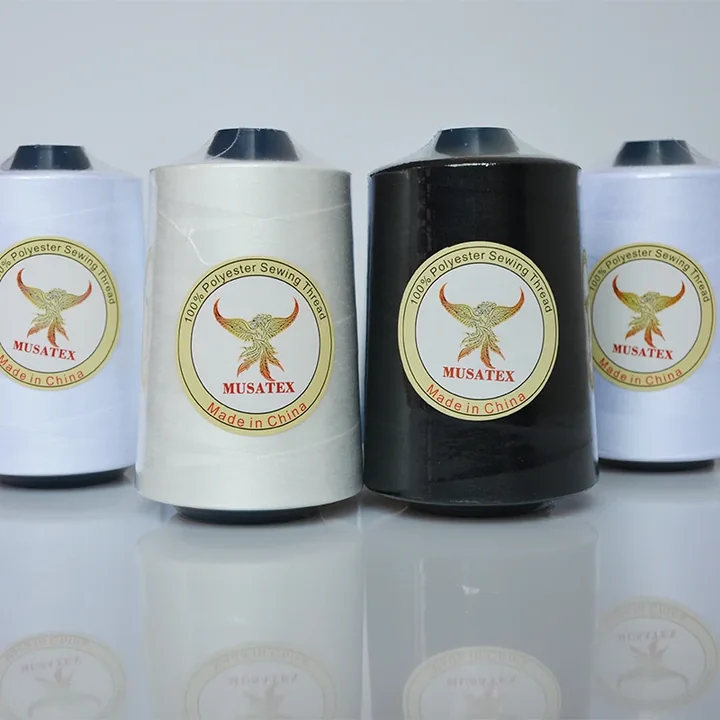
100% Polyester Sewing Thread 40/2 X 5000 Yards
A 40S/2 spun polyester sewing thread wound to an exact 5000 yards per cone, made in our own thread factory in Yiwu.
View details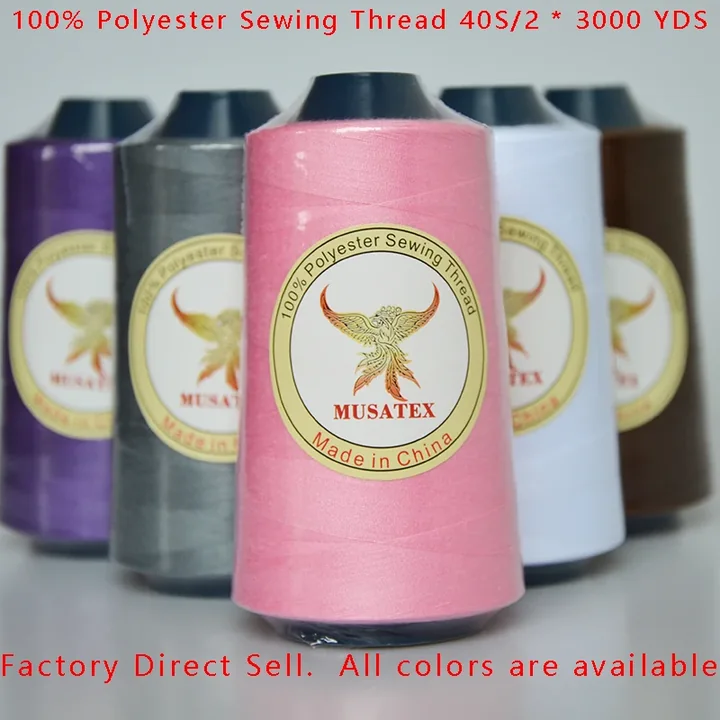
100% Polyester Sewing Thread 40/2 X 3000 Yards
A 40S/2 spun polyester sewing thread wound to an exact 3000 yards per cone, made in our own thread factory in Yiwu.
View details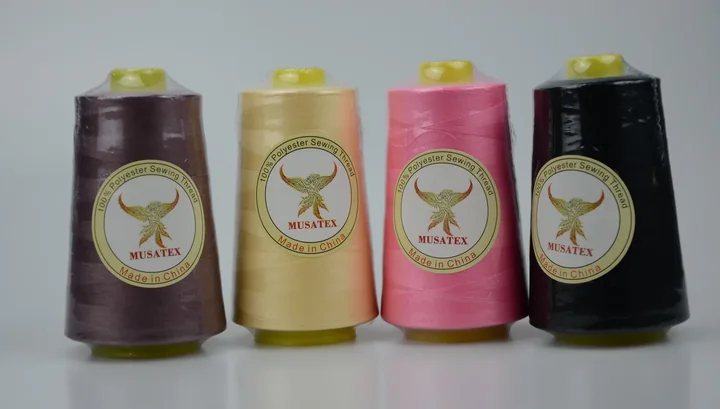
100% Polyester Sewing Thread 4000 YDS
100% Polyester Sewing Thread 4000 YDS is used for high-speed lockstitch production in thobe, abaya, shirt and uniform manufacturing.
View details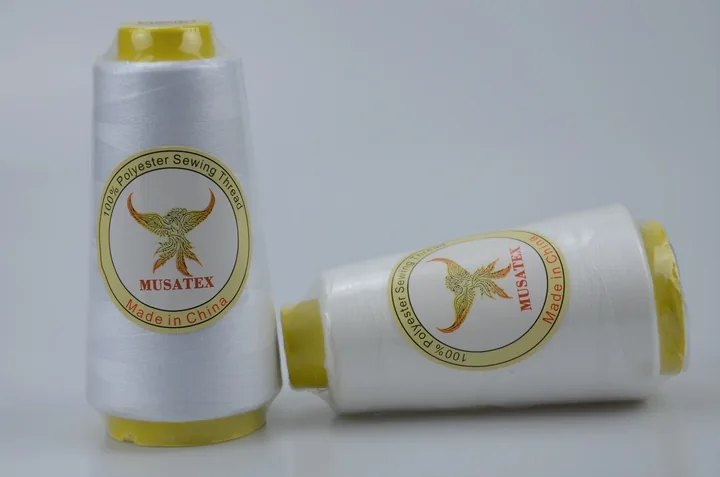
100% Polyester Sewing Thread 200 Grams
A 40S/2 spun polyester sewing thread wound to a net weight of 50 grams on a heavy 60 gram cone, packed 12 cones per box and 10 boxes per carton.
View detailsQuestions On This Topic
How do I verify the yardage on a thread cone?
Weigh the cone as delivered, subtract the declared cone weight, and compare the remaining net thread weight against the net figure quoted on the offer.
What are your net weights per put-up?
3000 yards at 84 g net, 5000 yards at 140 g net and 2370 yards at 132 g net. Each cone itself weighs 12 g and is quoted separately.
Does short measure on cones change my thread cost per garment?
Yes. Your calculated consumption stays the same but the cones empty earlier, so the real cost per piece rises across the run.
Should I check every colour or just one?
Check per colour. Winding can vary between colours within the same count, so a single sample does not cover the shipment.
What figures should I ask for on a thread quotation?
Nominal yardage, net thread weight and cone weight as three separate lines. With all three you can convert between yards and kilos and verify on a scale.