Woven and Non-Woven Interlining A Buying Guide for Garment Factories
Compare fusible and sew in interlining, read g/m2 weights like 23 and 140, check widths in inches and cm, and choose PA glue grades…
Fusible and Sew In Interlining Solve Different Problems
Fusible interlining carries a heat activated adhesive on one face and bonds to the shell fabric under a press. It saves the time of stitching a separate lining and keeps the hand of a collar or cuff flat. Sew in interlining has no glue and must be tacked or stitched into the garment. It is chosen when the shell cannot take press temperature, when the piece must drape without stiffness, or when the interlining is part of the structural build rather than a surface stiffener.
Read Weight in Grams per Square Metre
Interlining weight is quoted in g/m2 and it is the single number that tells you how much body the piece will add. A light 23 g/m2 such as hot fuse S030 supports a shirt front or a small patch without changing the drape of the cloth. A heavy 140 g/m2 such as the overcoat woven interlining gives a chest piece or a lapel the resistance it needs to hold its roll. Match the weight to the thickness of the shell, not to the fashion of the garment.
Width in Inches and Centimetres Changes How You Cut
Interlining is sold by the roll and the width decides how many pattern pieces fit across it. A 44 inch roll and a 100 cm roll are close but not identical, so the marker must be set to the actual width supplied. A 60 inch roll lets you lay long pieces such as coat fronts or trouser waistbands end to end with fewer seams. Always confirm the width in the same unit your marker uses before you commit a colour to a programme.
PA Glue and Other Adhesive Types
The glue on a fusible is what holds it after washing. PA, polyamide, is a common type used on woven interlining such as the 60 inch 140 g/m2 overcoat grade, chosen for its bond strength and its behaviour under repeated laundering. Different glue families vary in how they feel through the cloth, how much press temperature they need and how they survive dry cleaning. Ask for the glue type before you sample, because a bond that passes on the first wash can fail on the third.
Three Reference Grades and Where They Sit
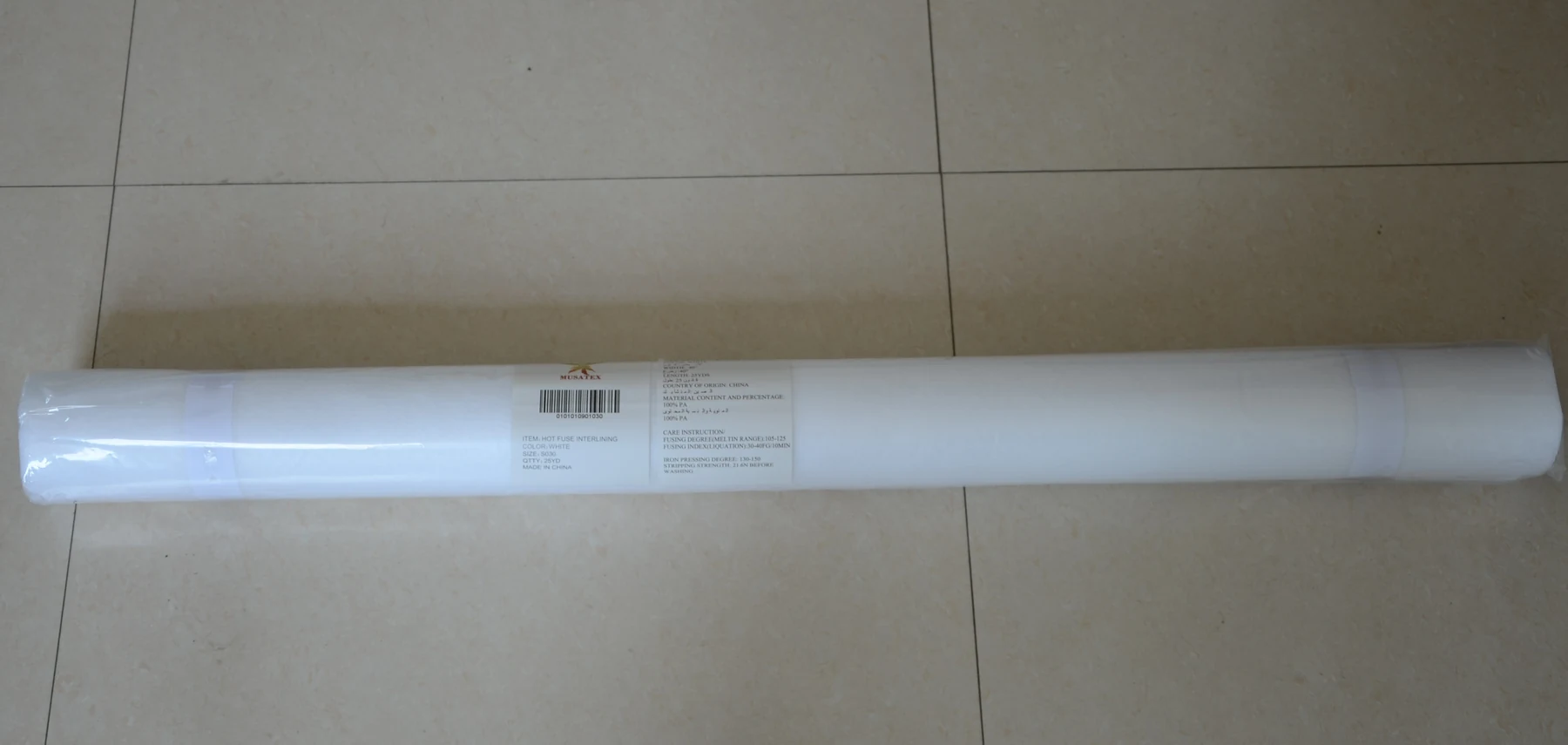
Black carbon horse tail interlining at 65% polyester 23% wool 12% cotton in 44 inch is a woven sew in grade used where a tailored edge must spring back rather than sit flat. Overcoat woven interlining 60 inch 140 g/m2 with PA glue is a heavy fusible for outerwear fronts and collars. Hot fuse interlining S030 at 23 g/m2 in 100 cm is a light fusible for shirt cuffs, plackets and small facings. These three span the range from a soft structured edge to a crisp bonded surface.
Items Mentioned Above
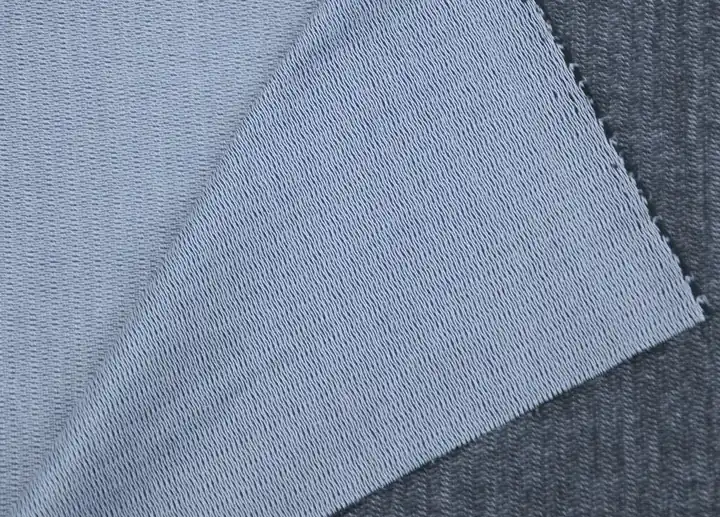
Overcoat Woven Interlining
A 60 inch wide woven interlining with PA glue, weighing 140 grams per square meter, available in black, off white, and pure white.
View details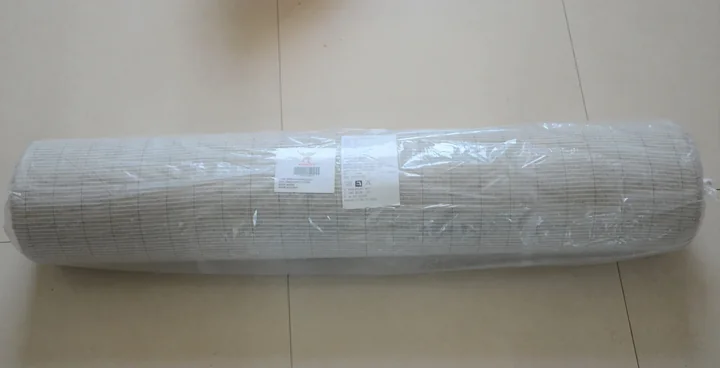
Black Carbon Horse Tail Interlining
A black woven interlining made from 65% polyester, 23% wool, and 12% cotton, designed for suits and overcoats.
View details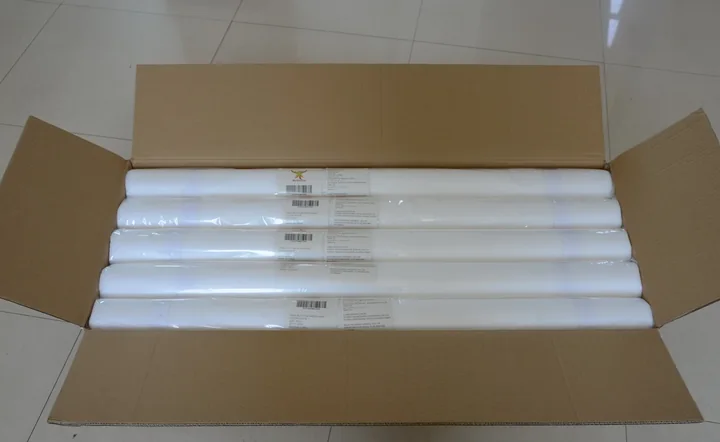
Hot Fuse Interlining S030
A 23g/m2 non-woven hot fuse interlining with a 100cm width, available in white and packed as 20 yards per roll.
View details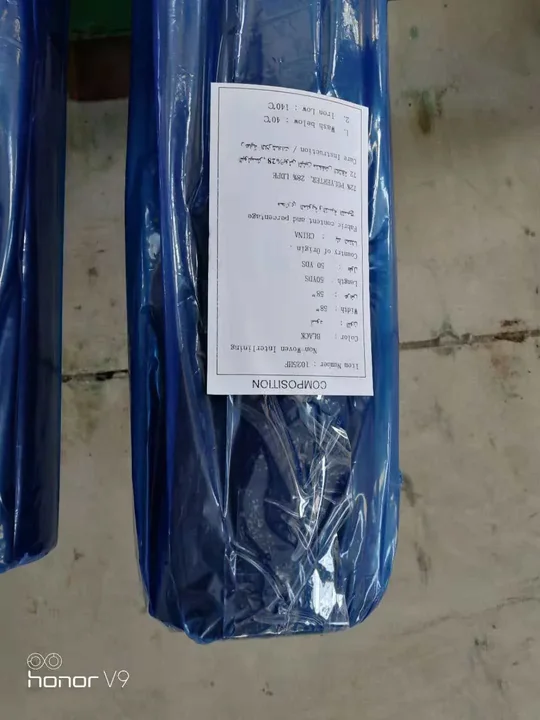
Non-Woven Interlining 1025HF
Non-woven interlining 1025HF is a lightweight, stable fabric used in embroidery and garment construction, available in 40" and 58" widths with or…
View detailsQuestions On This Topic
What is the difference between fusible and sew in interlining?
Fusible carries a heat activated glue and bonds to the shell under a press. Sew in has no glue and is stitched into the garment, used when the fabric cannot take heat or when a softer drape is required.
How do I choose the weight of interlining?
Start from the weight and thickness of the shell fabric. A light 23 g/m2 grade supports a small facing without stiffening the cloth, while a 140 g/m2 grade gives an outerwear front the body it needs to hold its shape.
What does PA glue mean on a woven interlining?
PA is polyamide, a heat activated adhesive used on woven fusibles such as the 60 inch 140 g/m2 overcoat grade. It is selected for bond strength and for how the piece behaves through repeated laundering.
Why is the width given in inches and centimetres?
Because rolls are cut to a fixed width and your marker must match it. A 44 inch roll, a 100 cm roll and a 60 inch roll each lay out pattern pieces differently, so confirm the width before you plan the cut.
Can you supply horse tail interlining?
Yes. Black carbon horse tail interlining is available at 65% polyester 23% wool 12% cotton in 44 inch width, a woven sew in grade used for tailored edges that need to spring back.
Which interlining should I use for a shirt cuff?
A light fusible such as hot fuse interlining S030 at 23 g/m2 in 100 cm width. It gives the cuff a clean edge without adding stiffness that would change the drape of the sleeve.