
Gun Type Silicon Carbide (SiC) Heating Rod
The gun-type silicon carbide heating rod is an electric heating element made from high-purity silicon carbide material, which is formed by pressing and then subjected to 2200°C high-temperature silicification, recrystallization, and sintering. It offers excellent high-temperature resistance and thermal...
Introduction
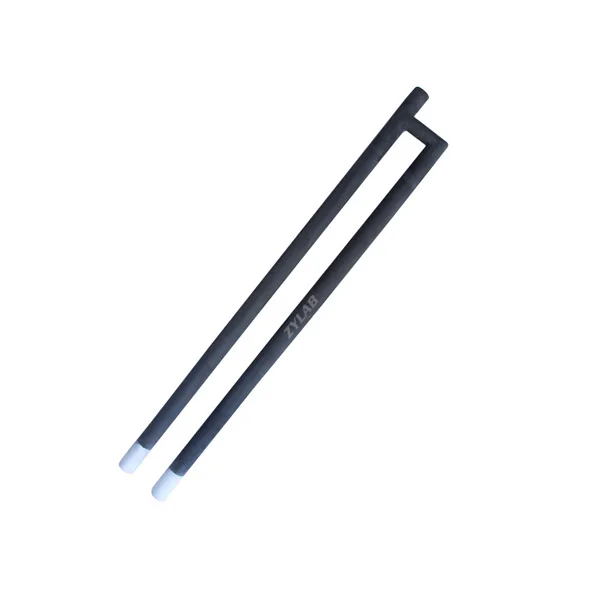
The gun-type silicon carbide heating rod is an electric heating element made from high-purity silicon carbide material, which is formed by pressing and then subjected to 2200°C high-temperature silicification, recrystallization, and sintering. It offers excellent high-temperature resistance and thermal conductivity.
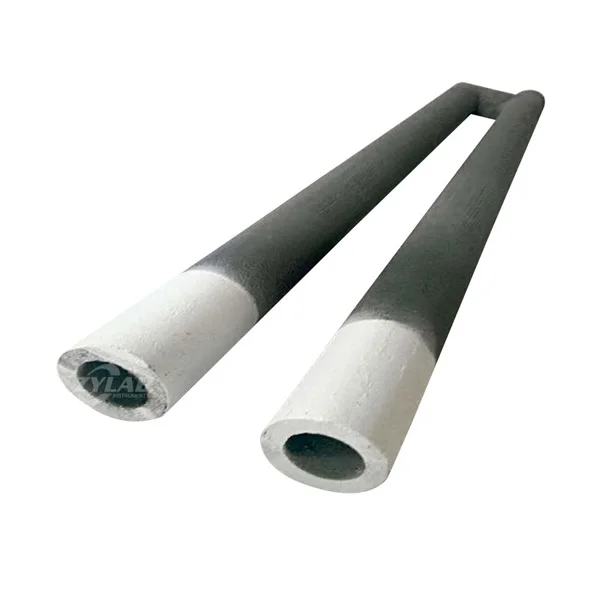
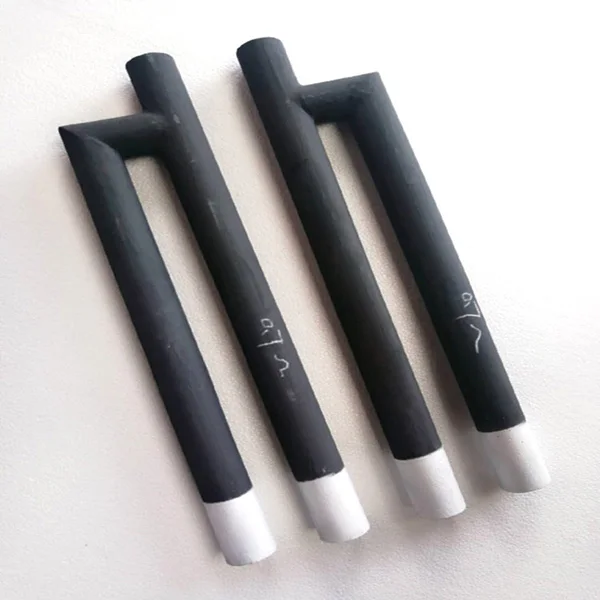
The gun-type silicon carbide rod is an improved version of the U-type silicon carbide rod, with the main feature being an extension of 40-60 mm at the end of the U-type rod, which serves to support the rod body.
It is widely used in the glass bottle manufacturing industry, typically paired with five-section rods (such as rods with double heating elements or similar shapes). The five-section rods are responsible for heating the glass feedway, while the gun-type silicon carbide rods are used to heat the batch furnace, ensuring uniformity and efficiency in the entire heating process.
We offer customization options for the gun type silicon carbide heating rod, allowing adjustments to diameter, length, and power according to different requirements.
Silicon carbide heating elements are customized products. Please provide detailed specifications and quantities, and we will offer you a free quote!
Customized products have a certain production cycle, typically ranging from 1 to 7 working days. The timeframe may vary for different specifications, so please consult customer service for specifics.
Key Features
1、Made from high-precision silicon carbide, it is a high-temperature, oxidation-resistant, and low-aging resistive heating element.
2、Provides uniform red heat, ensuring furnace temperature stability, low energy consumption, high efficiency, and environmental protection.
3、Resistor measurement at 1050°C during the final shaping process ensures consistent resistance and rapid heating.
4、Sintered through a 2200°C high-temperature vacuum furnace process, the hot and cold ends are bonded together, enhancing the toughness of the silicon carbide rod and extending its service life, making it less prone to arcing under high current impact.
Chemical Properties
SiC heating rods exhibit relatively stable chemical properties. Alkaline substances can chemically react with silicon carbide rods under high-temperature conditions, while acidic substances generally do not react.
During high-temperature use, silicon carbide rods can react with water vapor and oxygen to produce silicon dioxide, carbon dioxide, and hydrogen gas. As the amount of silicon dioxide in the silicon carbide rod increases, its resistance gradually rises, which is part of the aging process of the rod.
The hydrogen produced can react with oxygen to form water, creating a cyclical reaction, and it can also reduce the mechanical strength of the silicon carbide rod. Therefore, it is advisable to avoid excessive water vapor during use.
Specifications Requirements
Type: Gun
Outer diameter (OD): mm
Overall length (OL): mm
Hot zone length (HZ): mm
Cold end length (CZ): mm
Shank spacing (A): mm
Resistance: Ω (1050C +/-50C)
When ordering through ZYLAB, please specify your exact requirements and, if possible, attach drawings.
We offer free quotes for all silicon carbide rod products!
ZYLAB Offers the Following Types of Silicon Carbide Rods
- ED Type Silicon Carbide Heating Rod
- SC Type SiC Heater
- SCR Type SiC Heater
- DB Type SiC Heating Element
- U Type Silicon Carbide Heating Element
- W Type Silicon Carbide Heating Element
- H Type SiC Heating Rods
- Gun Type Silicon Carbide Heating Rod
- L Type Silicon Carbide Heating Rod
Installation of SiC Heating Rods
- Prepare spare parts.
- Open the top covers and remove the foams out of the furnace.
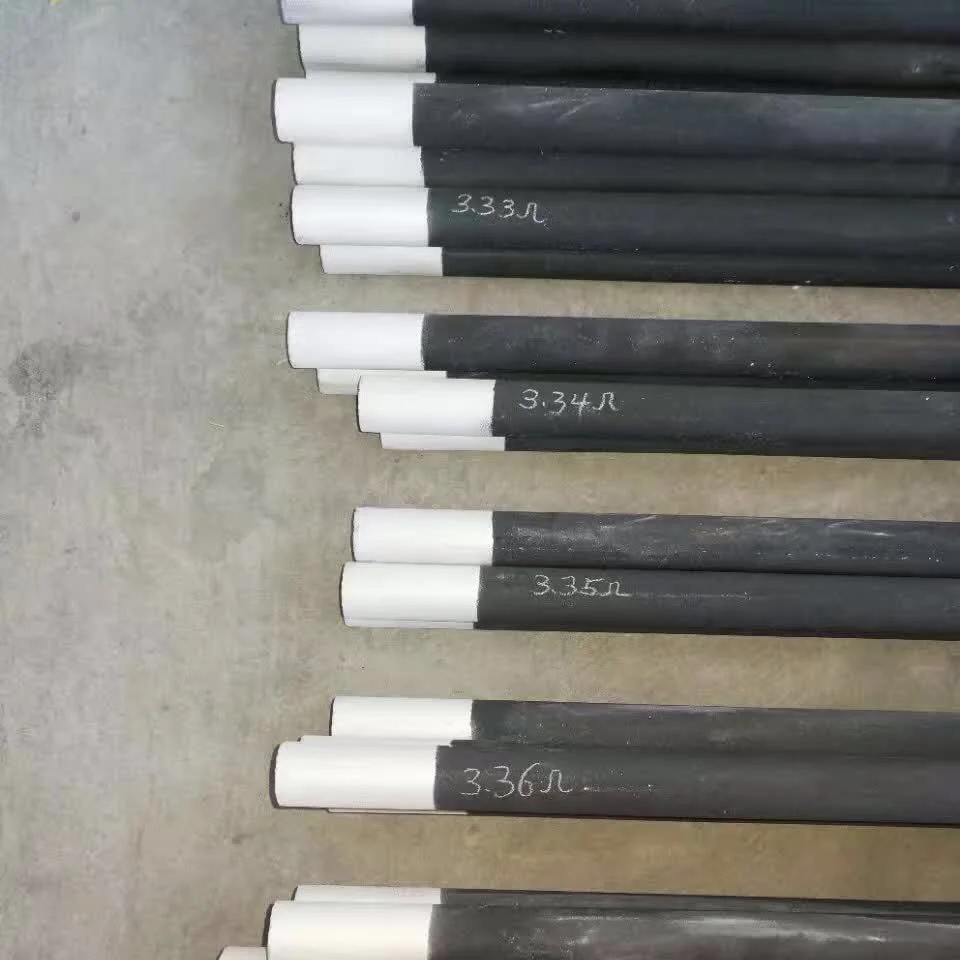
- Pick out the heating element and block which marked the same number, remove the stickers and put them into the mounting hole, until touch the bottom of the furnace chamber.
- Lift the heating element up one centimeter and fixed with a fixture.
- Connect the heating elements in series with the connecting pieces and fix them with the clamps.Keep a distance between the clamps to avoid short circuit.
- Connect the heating elements in series to the power supply.
- Fasten the fixtures when the temperature reaches 800 degree Celsius.
- Install the upper covers and chimney to complete the installation of the furnace.
Use of SiC Heating Rods
- The length of the heating section of the silicon carbide rod should equal the width of the furnace chamber. If the heating section extends into the furnace wall, it may cause damage to the wall.
- The length of the cold end of the silicon carbide rod should equal the thickness of the furnace wall plus the length that extends outside the wall. Typically, the cold end extends 50 to 150 mm to facilitate cooling and connection to fixtures.
- The internal diameter of the furnace accommodating the silicon carbide rod should be 1.4 to 1.6 times the outer diameter of the cold end. If the furnace opening is too small or the filling material inside is too tight, it can restrict the free expansion of the silicon carbide rod at high temperatures, leading to breakage. During installation, the silicon carbide rod should be able to rotate freely 360 degrees.
- The distance between the silicon carbide rod and the heated object or furnace wall should be greater than or equal to three times the diameter of the heating section. The center distance between silicon carbide rods should be no less than four times the diameter of the heating section.
- The cold end of the silicon carbide rod should be connected to the main circuit using aluminum braids or aluminum foil.
- Before use, silicon carbide rods should be matched for resistance. Connect rods with the same or similar resistance values together.
- When using silicon carbide rods, it is important to choose reasonable surface load density and operating temperature.
- When replacing silicon carbide rods, choose rods with resistance values close to those of the rods currently in operation. If necessary, replace all rods in the furnace to enhance their lifespan. If the removed rods have suitable resistance values, they can be reused later in the operation of the electric furnace.
Specifications
Figures below are the manufacturer data for this model. Anything not listed is confirmed in writing with the quotation rather than estimated here.
| Specific gravity | Bend strength | Hardness | Tensile strength | Porosity rate | Radiancy |
|---|---|---|---|---|---|
| 2.6-2.8g/cm³ | >300kg | >9MOH’S | >150kg/cm³ | <30% | 0.85 |
Gun Type Silicon Carbide (SiC) Heating Rod In Detail
Processes This Unit Supports
These are the applications ZYLAB lists this model under. Each link opens the full equipment set for that process, which is useful when a project needs more than one machine.
- General laboratory sample preparation
Who Orders It
Fields this model already works in, plus what ZYLAB puts behind it: a 2-year warranty on most products, glass excluded, spare parts in stock and free application support by WhatsApp or email.
- University and institute research laboratories
Related Projects
Related Equipment
Models from the same family and the same processes, in case a different chamber size or temperature range fits better.
Small Horizontal Tube Furnace for Hydrogen Loss Testing of Iron Powder
Automatic Glass & Material Melting Furnace up to 1700°C
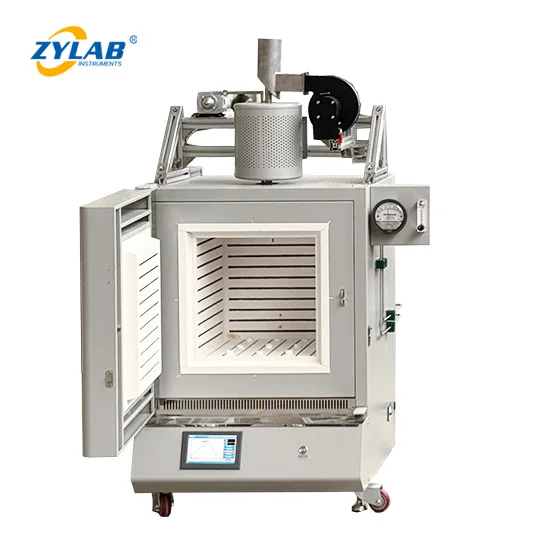
Lab Debinding Furnace with Exhaust Treatment System (afterburner and exhaust fan)
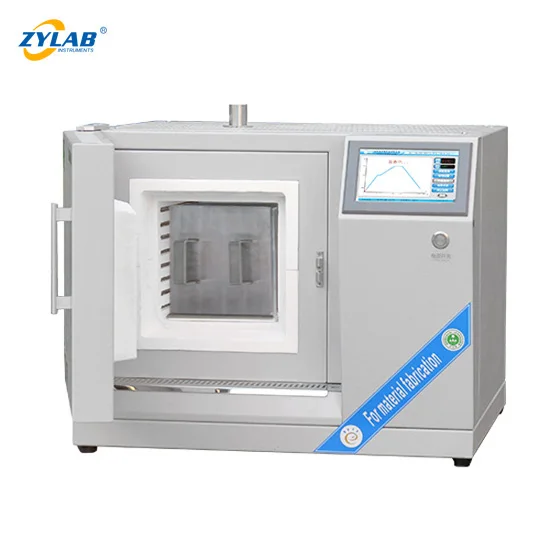
Box Furnace Pyrolysis Solution for High-Quality Biochar Research
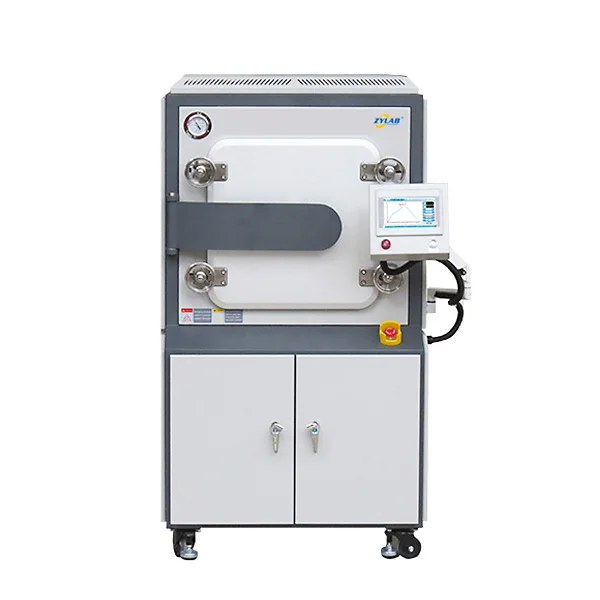
1200°C 27L Vacuum Atmosphere Muffle Furnace for Heat Treatment
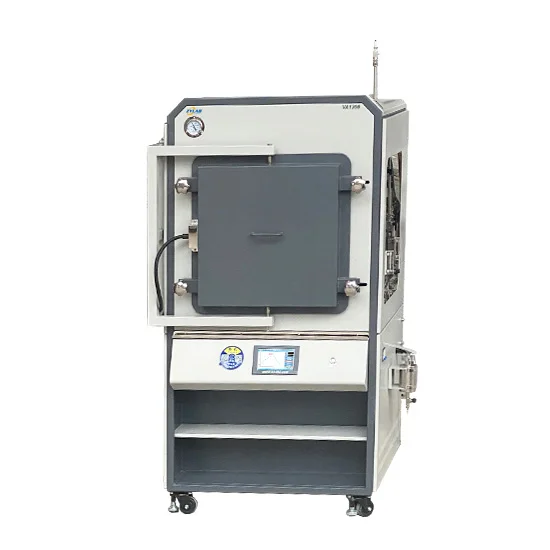
1200°C High Uniformity Vacuum Debinding Furnace for 3D Printing
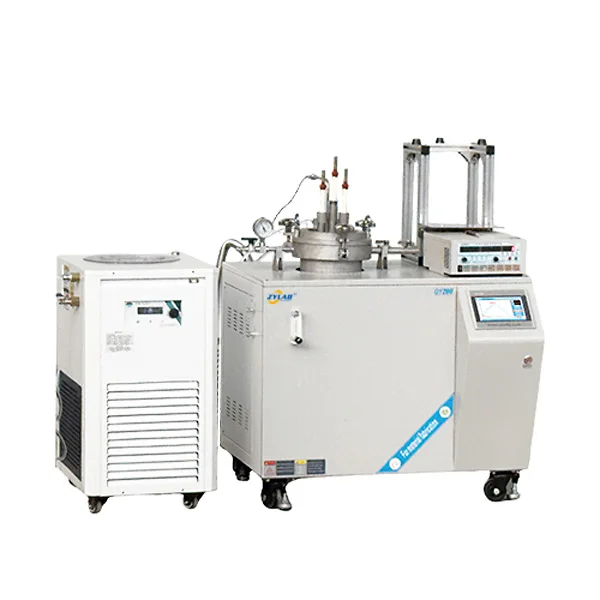
Lab Scale Molten Salt Electrolysis Furnace for Metal Refining and Smelting
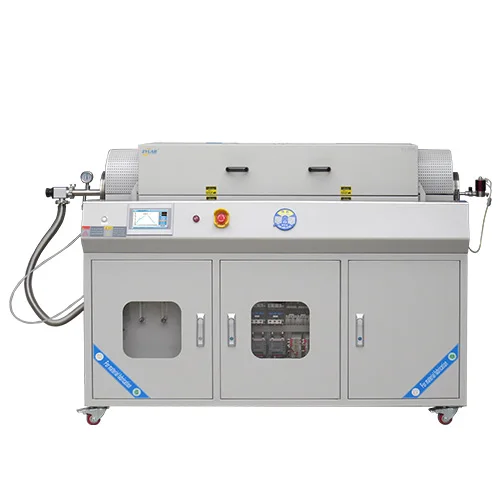
Multi-Zone High Temperature Quartz Tube Annealing Furnace for Wafer Processing
Ordering Gun Type Silicon Carbide (SiC) Heating Rod
What is Gun Type Silicon Carbide (SiC) Heating Rod typically used for?
The gun-type silicon carbide heating rod is an electric heating element made from high-purity silicon carbide material, which is formed by pressing and then subjected to 2200°C high-temperature silicification, recrystallization, and sintering. It offers excell
Can Gun Type Silicon Carbide (SiC) Heating Rod be customised for our process?
Yes. Chamber or tube size, temperature profile, atmosphere, gas path, control system and data recording can all be adapted. Send us your process conditions and sample details and our engineers work out a configuration with you.
How quickly can Gun Type Silicon Carbide (SiC) Heating Rod be shipped?
Most standard ZYLAB models are held in stock. After testing and packing we normally ship Gun Type Silicon Carbide (SiC) Heating Rod within 3 to 7 days. Customised builds are scheduled after the drawing is confirmed, and we give you the date in writing before the order is placed.
How is Gun Type Silicon Carbide (SiC) Heating Rod packed for export?
Packing is chosen for the safety of the machine against freight cost, typically a plywood or wooden crate with internal padding and vacuum-sealed accessories. Export documents such as Form A, Form E and Form F can be issued to help you save duty.
Can you supply items that are not on this page?
Yes. We have access to the complete lines of most of our suppliers and build custom equipment in our own factory, so tell us what the experiment needs and we will source or make it.
Quote For Gun Type Silicon Carbide (SiC) Heating Rod
Tell us the sample, the temperature and the atmosphere. You get the configuration, the price and the despatch date in one reply.