
Buying Guide
How To Choose A Milk Pasteuriser For A Small Or Mid Size Dairy
Batch, plate or tubular — the choice follows your throughput, your product mix and what happens downstream, not the price list.
Start With Litres Per Hour Not Litres Per Day
A dairy that takes in ten thousand litres a day is not a ten thousand litre per hour plant. Pasteurising capacity has to match the hours you actually run, the cleaning window and the filling speed behind it. Size the pasteuriser from the peak hourly flow the filler needs, then check that the balance tank and feed pump can hold that flow steady.
Plate Or Tubular
Plate heat exchangers give the highest heat recovery and the smallest footprint, which is why most fresh milk and clear juice lines use them. They rely on narrow channels, so anything with pulp, fibre or particles will foul or block them. Tubular units have a wider flow path and handle viscous and particulate products, at the cost of floor space and slightly lower regeneration.
Pasteurisation Or UHT
Pasteurisation extends chilled shelf life and keeps the product in the cold chain. UHT pushes the product to commercial sterility so it can be stored and shipped at ambient temperature, but it only pays off if you also have aseptic filling behind it. Buying UHT without aseptic filling is a common and expensive mismatch.
Do Not Specify Cleaning Last
The pasteuriser, the tanks and the pipework are one cleaning circuit. If the CIP skid is added after the equipment is chosen, it usually ends up undersized on flow or unable to reach a vessel. Draw the cleaning loop at the same time as the process loop.
What To Send Us For A Quotation
Product and viscosity, target litres per hour, inlet and outlet temperatures, available steam and chilled water, and what the filler downstream needs. With those five figures the specification is usually settled in one exchange.
Questions
Questions On This Topic
What capacity range do your pasteurisers cover?
The units in our range are built to order rather than sold as fixed models. Send the hourly flow you need and we will confirm what the factory can build against it.
Can one pasteuriser handle both milk and juice?
Often yes on a plate unit if both products are low in pulp, but the temperature programme and the cleaning regime differ. Tell us both products at the quotation stage so the controls are specified for both.
Related Products
Equipment Discussed In This Guide
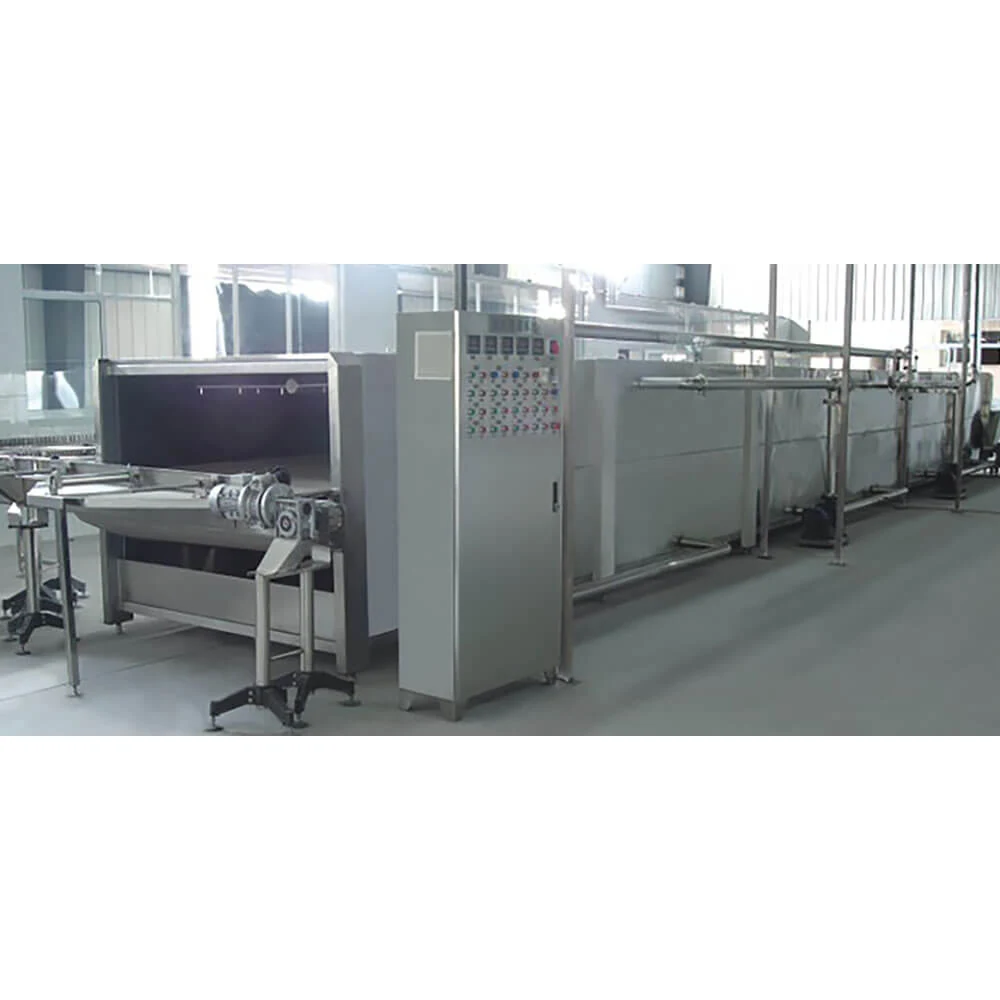
Retort & Tunnel SterilisersPasteurisation & Cooling Tunnel
Model HTK-SD-01 pasteurisation and cooling tunnel with a working capacity from 3000 L to 18,000 L, built in SUS304.…
View Product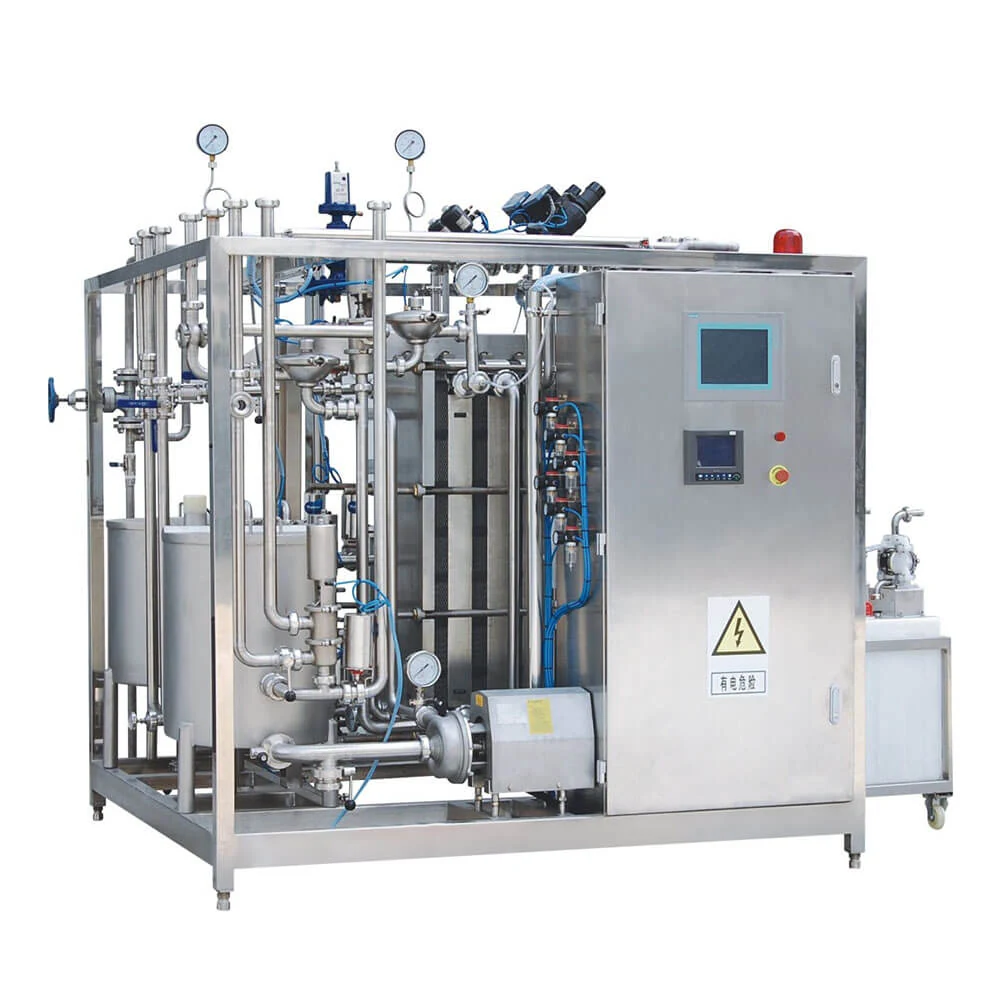 Plate Pasteurisers
Plate Pasteuriser
Model HTK-BSJJ-01 plate pasteuriser with a working capacity of 500 to 20,000 litres per hour, built in SUS304 or…
View Product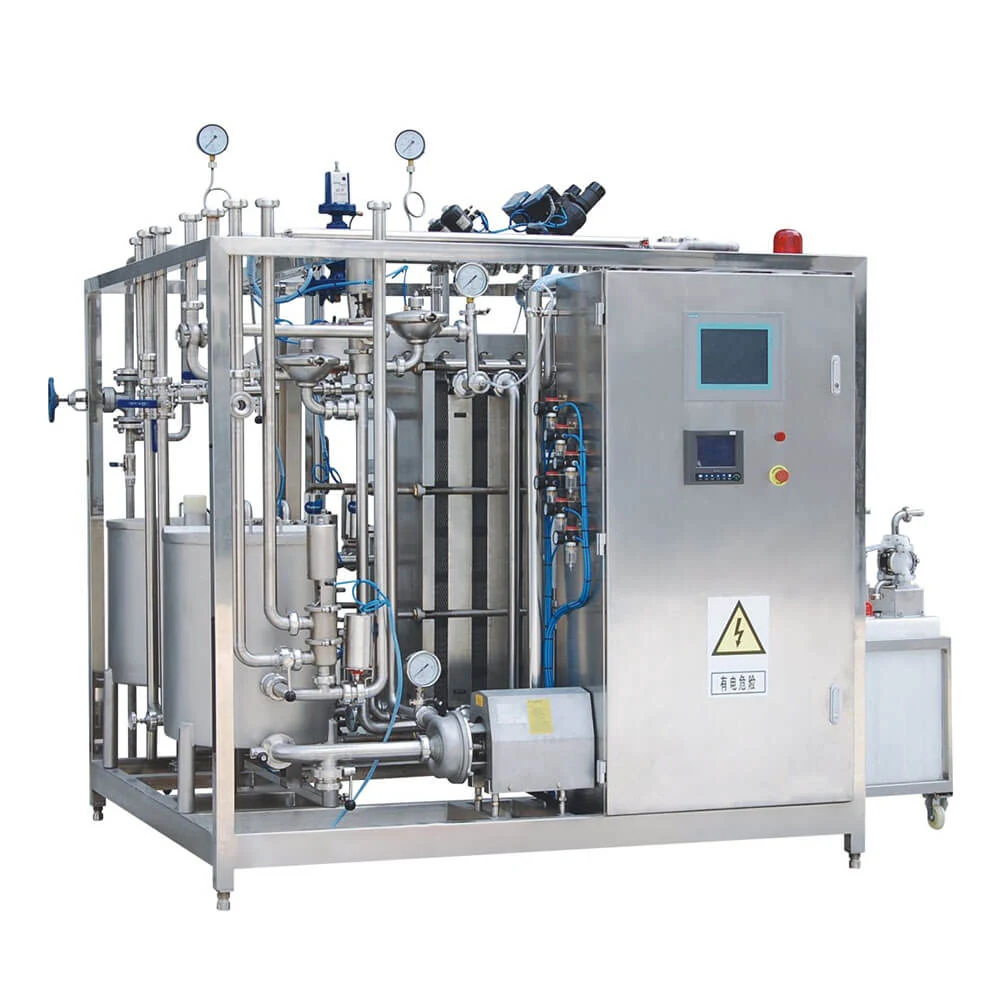 Plate Pasteurisers
Yoghurt Pasteuriser
Model HTK-YSJJ-01 yoghurt pasteuriser with a working capacity of 500 to 20,000 litres per hour, built in SUS304 or…
View Product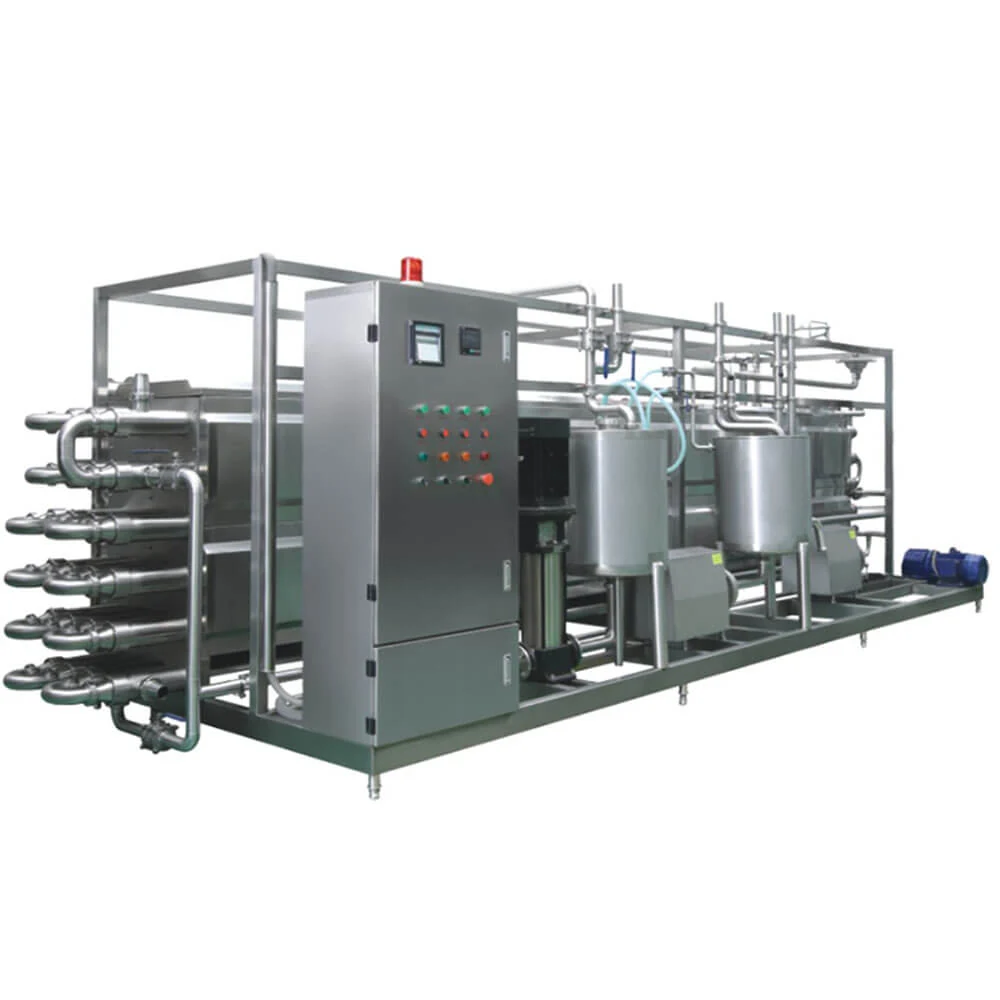 Tubular UHT Sterilisers
Tube-In-Tube UHT Steriliser
Model HTK-TGS-01 tube-in-tube UHT steriliser with a working capacity of 1000 to 15,000 litres per hour. Product…
View Product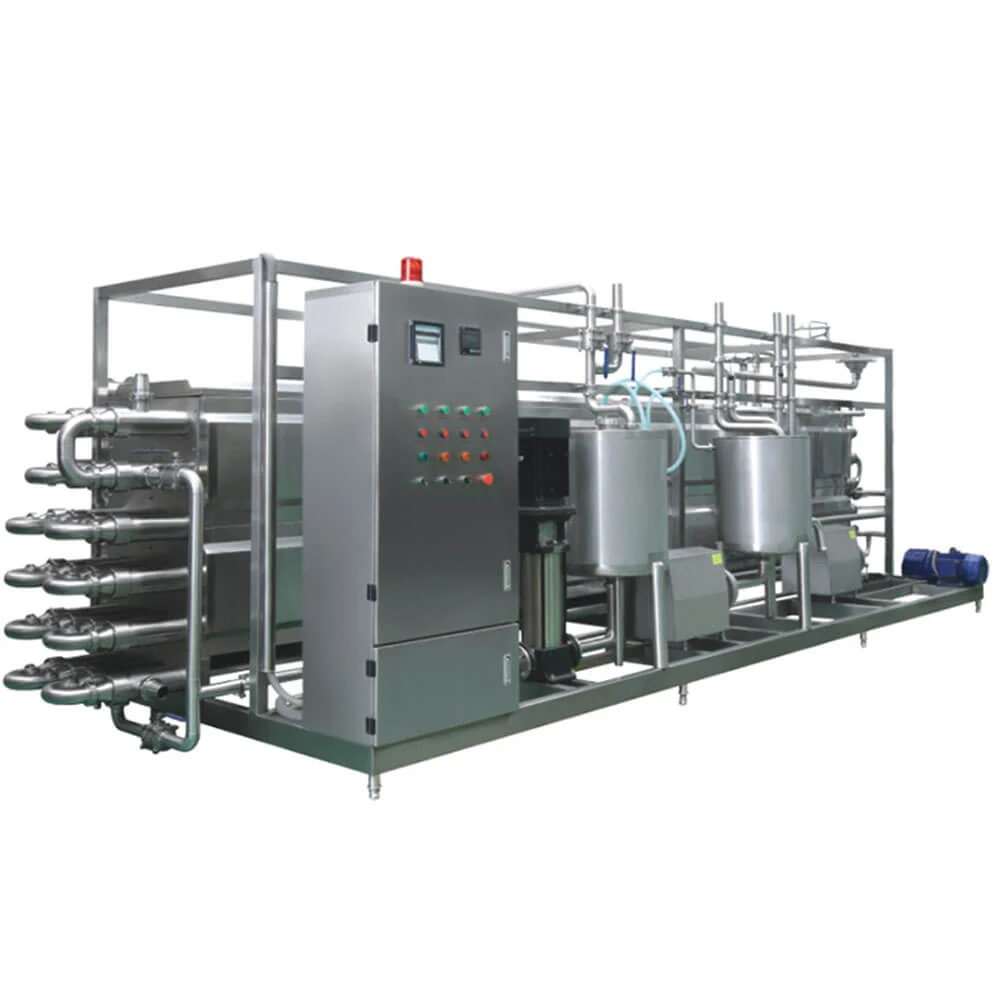 Tubular UHT Sterilisers
Tubular UHT Steriliser
Model HTK-LGS-01 tubular UHT steriliser with a working capacity of 1000 to 15,000 litres per hour. Product contact…
View ProductSend Us Your Figures And We Will Check Them
A specification checked before the order is placed costs nothing. One checked afterwards costs a great deal.