
Magnetic Snaps Compared With Locks and Snap Fasteners
Three ways to close a flap, three different failure modes, and the thickness question that decides between them.
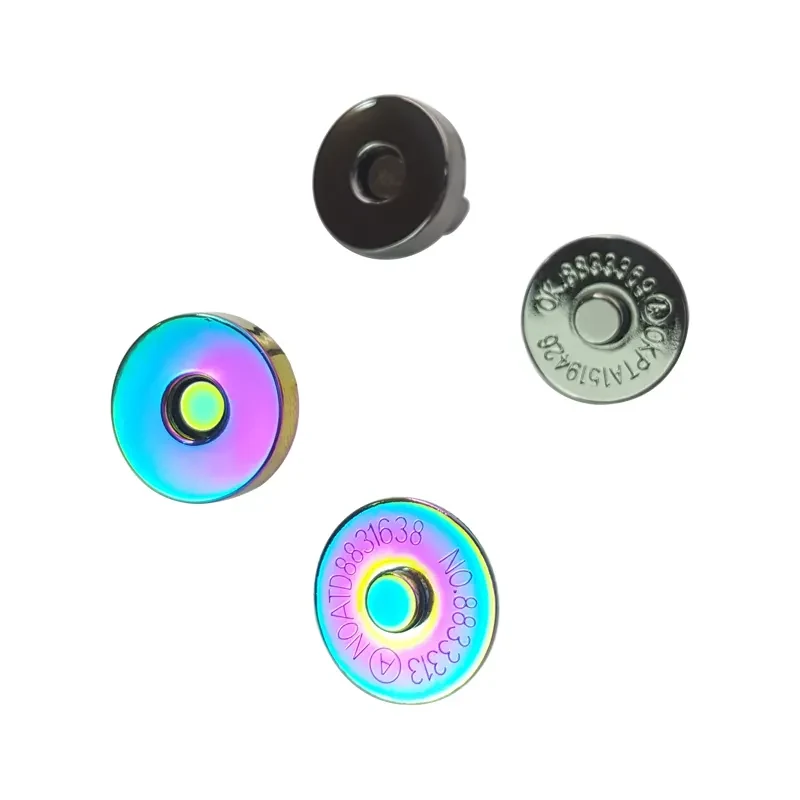
Magnetic Snap
A magnetic snap closes with one hand and stays invisible from the outside. Its weakness is flap weight: a 2 mm core behind a structured flap will let it gape. The 4 mm core exists for exactly that case, and both are made at 14 mm and 18 mm diameters.
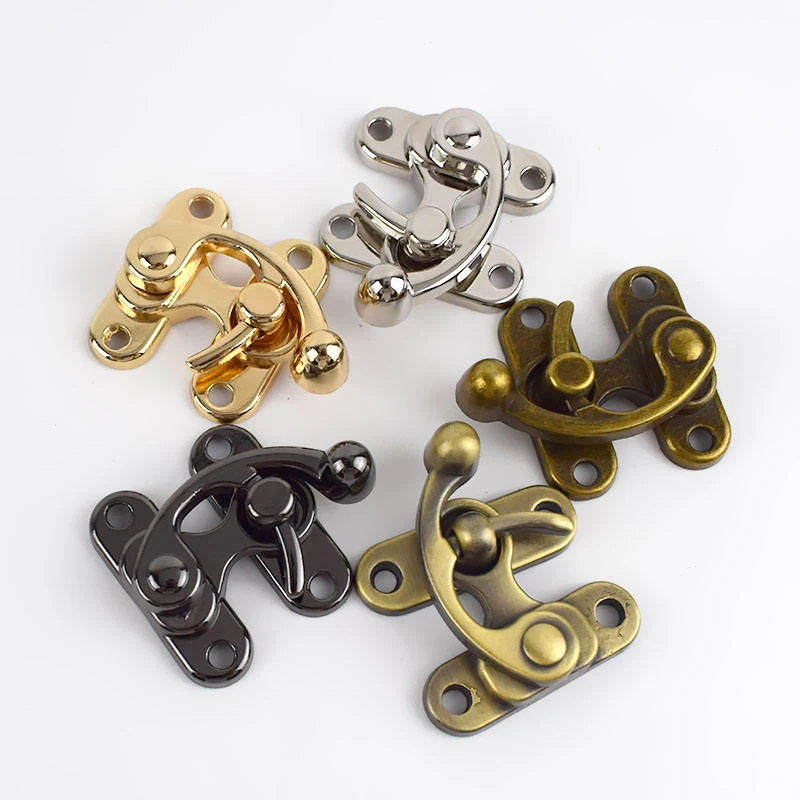
Twist or Push Lock
A lock is a visible design feature and holds a heavy flap positively. It costs more, needs a catch plate aligned to the face plate, and rattles if the tolerances are loose. Our locks ship as a complete set with the catch and fixings so the alignment is fixed.
Snap Fastener
A metal snap holds harder than a magnet for very little money, but it needs two hands and shows a cap on the flap face. On a premium bag that visible cap is usually the reason it is rejected.
How to Choose
Weigh the flap and consider how often it is opened. A light flap opened constantly wants a magnet. A heavy flap opened a few times a day wants a lock. A utilitarian product where cost rules wants a snap fastener.
Always Test Through the Finished Material
Every one of these closures behaves differently through a finished flap than through bare leather. Test on the real stack, with the real reinforcement, before approving.
Parts This Guide Refers To
Questions About This Guide
Answers to the questions buyers ask before they order.
Which Magnetic Snap Thickness Do I Need
The 2 mm core suits wallets and light flaps and the 4 mm core suits structured or heavy flaps. Sample both and test them through your own material.
Are Locks Supplied Complete
Yes. Each lock comes as a set with the face plate, the catch plate and the fixings.
Send Us the Part You Are Specifying
A photograph and a webbing width are usually enough for us to say which catalogue style fits and what it costs.