
Three mounting methods, three different failure modes, and how to pick before you cut the panel.
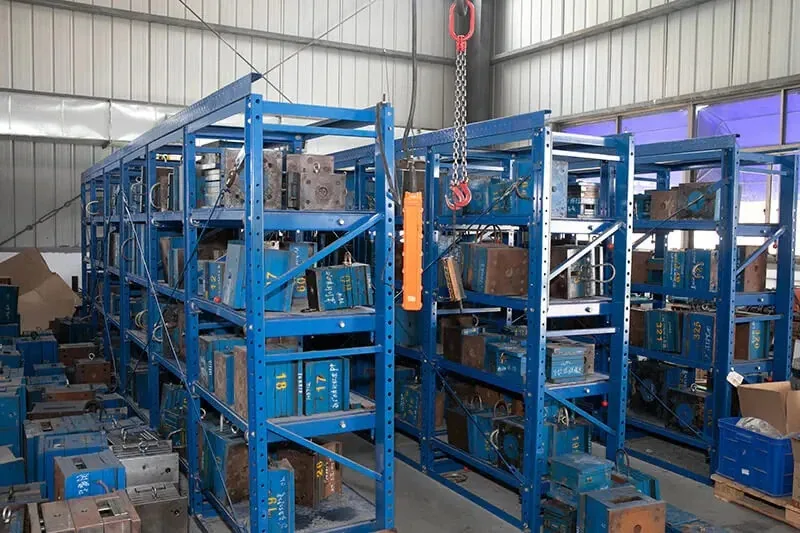
The lamp floats in a rubber ring set into a round or oval aperture. The rubber takes the vibration that would otherwise reach the LED board and solder joints, and it seals the aperture. Used on the 4 inch round family and the grommet oval lamps.
The lamp bolts flat to the panel with no aperture. This is the choice for structural frames and bumper bars that cannot be cut, and for thin rear skins a cut-out would weaken. Used on the oval lamps, cab roof lamps and most markers.
Threaded studs on the lamp back pass through the panel and are nutted from behind. It carries the weight of the large combination lamps and pulls the gasket face flat. Used on the 320 mm to 450 mm combination lamps.
Check clearance behind the skin first. A 20 mm slim oval exists precisely because lined and insulated panels cannot take a deep lamp, and no mounting method fixes a lamp that will not physically fit.
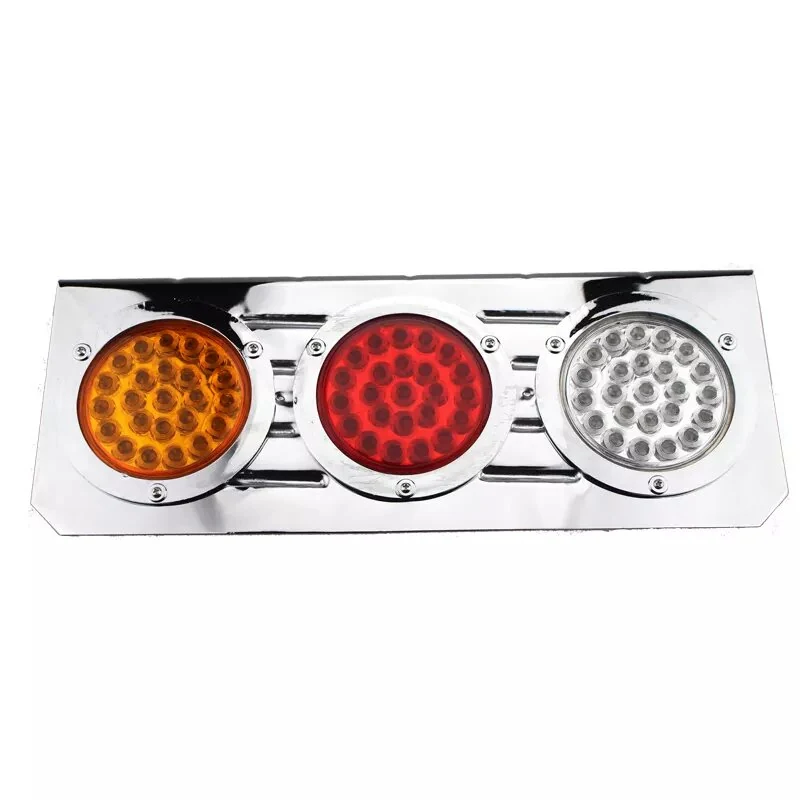
450 mm steel-bodied rear lamp for heavy trucks and trailers
View product →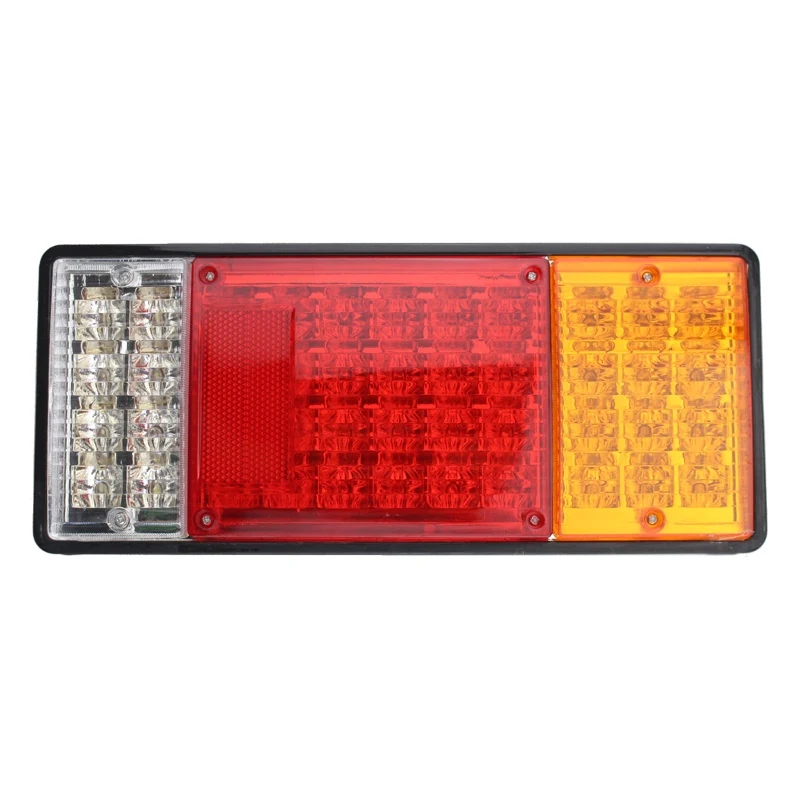
320 mm plastic-bodied four-function rear lamp
View product →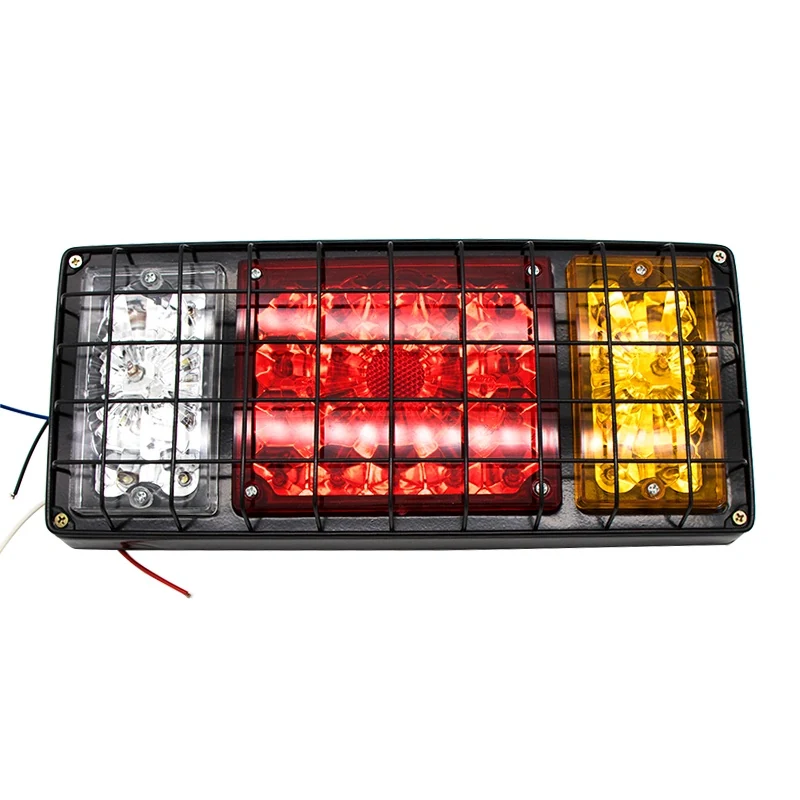
340 mm deep-body combination rear light, 36 diodes
View product →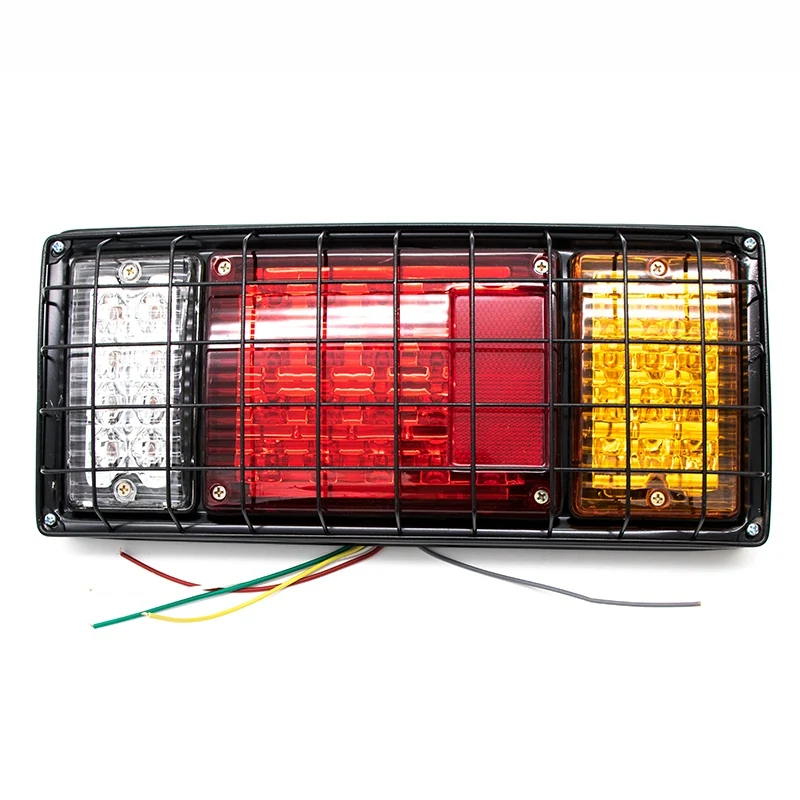
340 mm combination lamp with bolt-on iron mesh guard
View product →Grommet mounting isolates the lamp from frame vibration, which is the usual cause of failure on rough surfaces.
The 14LED 4 inch lamp is listed for rubber grommet or flange mounting.
Send the panel aperture, voltage and function. We will shortlist models and quote your quantity.