
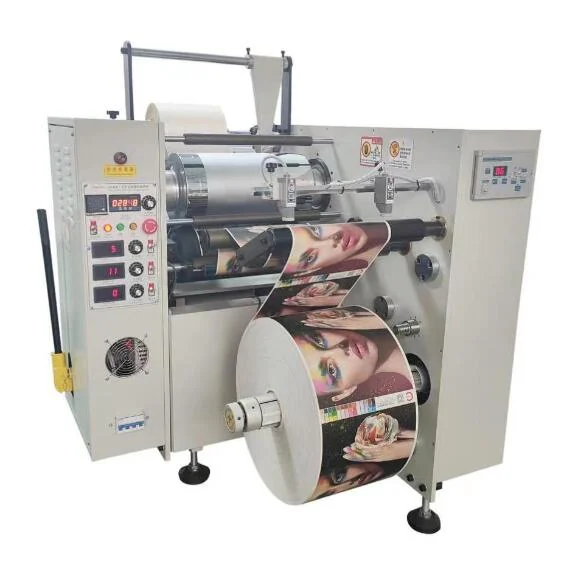
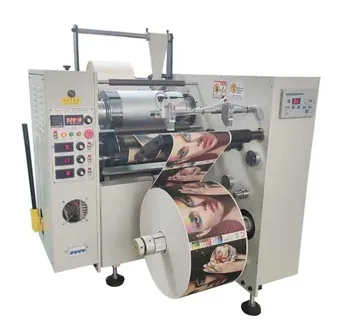
350A-J Roll to Roll Label Heat Laminate Machine (Correcting)
A roll-to-roll heat laminating machine designed for continuous label production, with magnetic powder tension control for stable unwinding and rewinding, a maximum laminating width of 350mm, and a laminating speed of up to 70m/min.
- MOQ
- Usually 200 to 1000 pcs
- Customisation
- Logo, colour, packaging and labelling
- Payment
- 30% deposit, balance before shipment (T/T)
- Inspection
- Every order inspected before shipment
Product Overview
A roll-to-roll heat laminating machine designed for continuous label production, with magnetic powder tension control for stable unwinding and rewinding, a maximum laminating width of 350mm, and a laminating speed of up to 70m/min. It includes an anti-curling device, automatic temperature control with warning, and two photoelectric sensors to detect and correct material deviation. For a buyer, it enables consistent, high-speed lamination of labels with minimal manual adjustment, reducing waste and downtime in a production line. The machine is built for integration into a label manufacturing workflow and supports custom lamination runs with precise alignment.
Why Buyers Choose It
Key Benefits
- Magnetic powder tension control ensures stable unwinding and rewinding without material stretch or slack
- Max laminating width of 350mm supports wide-format label production in a single pass
- Laminating speed up to 70m/min increases throughput for high-volume label runs
- Anti-curling device prevents material curling during lamination, improving flatness and print quality
- Automatic temperature control with warning maintains consistent lamination bond strength
- Two photoelectric sensors detect and correct material deviation in real time, reducing misalignment and waste
Problems It Solves
- Unstable tension during unwinding or rewinding causes material misalignment and wasted runs
- Manual temperature adjustment leads to inconsistent lamination quality and bond failure
- Material curling after lamination disrupts downstream processes and damages print quality
- Lack of deviation correction results in misaligned labels and increased scrap rate
- Slow laminating speeds limit production capacity and increase per-unit cost
Where It Is Used
Who It Is For
- Industrial printing companies expanding into laminated label services
- E-commerce sellers producing branded labels in bulk with consistent quality
- Packaging importers setting up a local lamination line to reduce reliance on third-party suppliers
- Brand marketing teams requiring custom, high-quality laminated labels for product launches
Application Scenarios
- High-speed label production lines for packaging, logistics, and retail product labels
- Custom label manufacturing with variable widths and material types
- Integration into a larger label converting line where consistent tension and alignment are critical
- Production of durable labels for outdoor or high-wear applications requiring heat lamination
- Manufacturers needing to reduce manual intervention and improve run consistency
Technical Detail
Specifications
| Max Laminating Width | 350mm |
|---|---|
| Max Rewinding Diameter | 620mm |
| Max Laminating Speed | 70m/min |
| Tension Control | Magnetic powder |
| Temperature Control | Automatic with warning |
| Deviation Correction | Two photoelectric sensors |
| Anti-Curling Device | Included |
| Operation Type | Roll to roll |
| MOQ | Varies by product, usually 200 to 1000 pcs, confirmed at quotation |
Values shown are the ones stated by the supplier. Anything not listed here is confirmed in writing when we quote.
Technical Features
- Magnetic powder tension control for unwinding and rewinding
- Maximum laminating width of 350mm
- Maximum rewinding diameter of 620mm
- Maximum laminating speed of 70m/min
- Anti-curling device to maintain flat material feed
- Automatic temperature control system with automatic warning
- Two photoelectric detection devices for real-time deviation correction
- Roll-to-roll operation designed for continuous production
Materials
- Steel frame and rollers for structural rigidity and long-term use
- High-temperature resistant heating elements for consistent lamination
- Precision sensors and control electronics for real-time feedback
- Tension control system using magnetic powder for smooth operation
Make It Yours
Customisation Options
- Custom control settings for tension, temperature, and speed based on material type
- Adjustable roller spacing to accommodate different label thicknesses
- Optional integration of additional sensors or monitoring systems
- Label edge alignment guides available upon request
- Machine can be configured for different roll core sizes
How It Is Made
- Material is fed from the unwind roll through the laminating station
- Tension is regulated by the magnetic powder system to prevent stretching
- The label passes through heated rollers for lamination with a film or coating
- Anti-curling device maintains flat material path during and after lamination
- Two photoelectric sensors monitor alignment and trigger correction if deviation occurs
- Laminated material is rewound onto the take-up roll at controlled tension
- Machine operates continuously with automatic temperature and alignment feedback
Quality And Use
Quality Control
- Tension and alignment systems tested before each production run
- Temperature control verified for consistency across the full width of the material
- Photoelectric sensors calibrated to detect deviation within 1mm
- Anti-curling device inspected for proper function during setup
Use Guide
- Ensure the unwind and rewind rolls are properly mounted and aligned
- Set the magnetic powder tension according to the material thickness and type
- Adjust the temperature control to match the lamination film and substrate requirements
- Verify that both photoelectric sensors are clean and properly aligned
- Start the machine at low speed to test tension and alignment before full-speed operation
- Monitor the temperature warning system and respond to any alerts immediately
- Stop the machine and check for material misalignment if the deviation correction activates
How It Compares
| Compared with | Honest trade-off |
|---|---|
| Manual tension control machine | Higher risk of material damage and misalignment, but lower initial cost |
| Basic laminator without deviation correction | Higher scrap rate and more frequent manual adjustments, but simpler setup |
| Low-speed laminator under 50m/min | Lower throughput, but may be sufficient for low-volume or prototype runs |
| Laminator without anti-curling device | Higher chance of curled material affecting downstream processes |
Questions About This Product
What is the minimum order quantity?
MOQ differs by product and usually falls between 200 and 1000 pcs. We confirm the exact figure with the factory when we quote.
Can we get a sample first?
Samples are free when the total sample value is under 5 US dollars and you have a DHL, UPS, TNT or FedEx account and cover the courier freight.
How does payment work?
30% deposit before mass production and the balance before shipment. T/T is our usual method; ask us if you need another arrangement.
Can we print our logo on the housing?
Yes. Silkscreen and heat transfer both work on this ABS shell; offset printing, laser, engraving and stamping press are available depending on the artwork.
Is the unit waterproof enough for a wet washroom?
The body is rated IPX6 with a rubber base seal against splash water. It must not be immersed, tilted or inverted.
How is quality checked before it leaves China?
We confirm every detail against your approved sample before mass production, follow the run, and inspect each order before shipment.
Are batteries included?
No. The unit takes 4 AAA batteries and they are excluded by default. We can include them if your market allows battery shipment.
Related Products
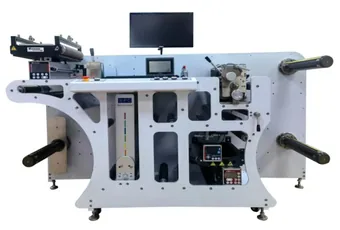 OtherInspection Machine with Slitting FunctionView details
 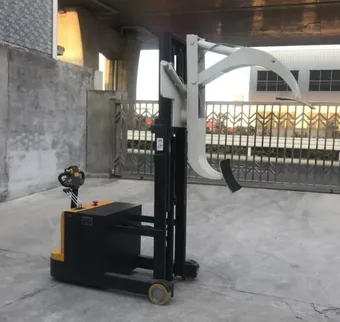 OtherAutomatic Rotable Roll LifterView details
 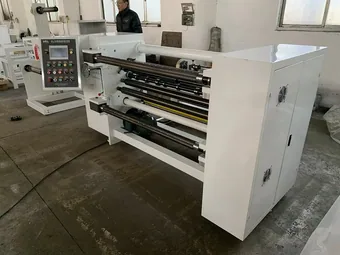 OtherM-1300 Automatic Slitting MachineView details
  OtherPET Glossy Transparent Thermal Lamination FilmView details
  OtherHigh Barrier METPET/ LLDPEView details
  OtherThermal Transfer LabelView details
 Before You Order
How MOQ Works When You Source From China
Why the minimum order quantity moves between 200 and 1000 pcs, what actually drives it, and how to bring it down without paying for it twice.
Logo Decoration Methods Compared
Silkscreen, offset, embroidery, laser, engraving, stamping press and heat transfer, and which substrate each one actually belongs on.
The Sample Process Explained
What a free sample covers, what it does not, and why the approved sample matters more than the specification email.
Quote this product
Tell us the quantity, the destination market and any customisation. We come back with a price and a sample plan.