
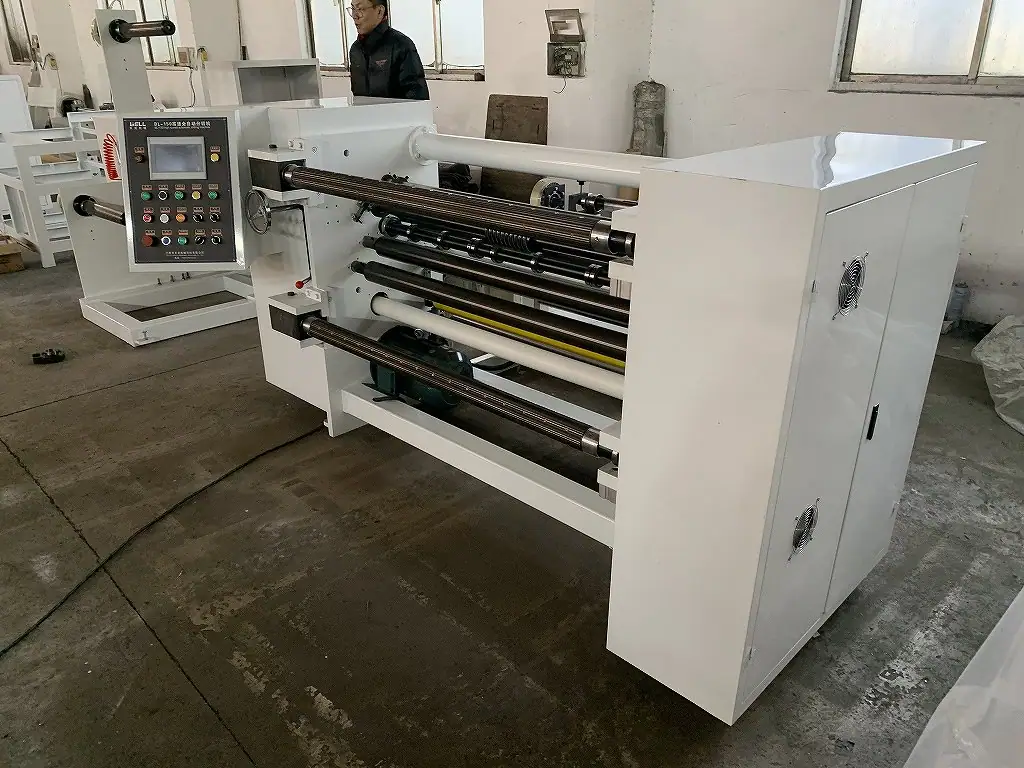
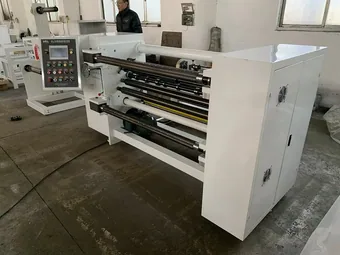
M-1300 Automatic Slitting Machine
A 7 KW industrial slitting machine designed for precise width adjustment of continuous materials, with material discharge correction accuracy of ±0.1 mm. It handles unwinding, traction, cutting, rewinding, transmission and electrical control in a single unit.
- MOQ
- Usually 200 to 1000 pcs
- Customisation
- Logo, colour, packaging and labelling
- Payment
- 30% deposit, balance before shipment (T/T)
- Inspection
- Every order inspected before shipment
Product Overview
A 7 KW industrial slitting machine designed for precise width adjustment of continuous materials, with material discharge correction accuracy of ±0.1 mm. It handles unwinding, traction, cutting, rewinding, transmission and electrical control in a single unit. For a buyer, it enables consistent, repeatable slitting of film, foil, paper or non-woven materials without manual intervention, reducing waste and setup time. The configuration can be customized to match specific material and line speed requirements. We source this machine through our network of partner factories and confirm all specifications before production begins.
Why Buyers Choose It
Key Benefits
- ±0.1 mm material discharge correction accuracy ensures consistent width across the entire roll
- 7 KW total power supports high-speed operation for continuous production lines
- Integrated unwinding, traction, cutting, rewinding and control systems reduce machine footprint
- Configurable setup allows adaptation to different material types and thicknesses
- Automated correction minimizes manual adjustments and operator error
- Customizable configuration aligns with specific production line requirements
Problems It Solves
- Manual slitting leads to inconsistent widths and material waste, which this machine reduces with automated correction
- Lack of integration between unwinding, cutting and rewinding causes downtime and misalignment
- Inaccurate width control results in downstream production issues and rejected batches
- Standard machines cannot be adapted to unique material types or line speeds
- Unreliable suppliers deliver machines with mismatched power, dimensions or control systems
Where It Is Used
Who It Is For
- Industrial equipment buyers sourcing machinery for material conversion lines
- Packaging manufacturers needing precise slitting for film or foil
- Facilities producing hygiene products that require narrow-width material rolls
- Contract manufacturers building custom production lines for clients
- SMEs expanding into roll-to-roll processing without investing in full custom builds
- Buyers who need a machine that can be tailored to their specific material and line speed
Application Scenarios
- Converting large rolls of film into narrower widths for packaging or labeling applications
- Processing non-woven materials for medical or hygiene product manufacturing
- Slitting paper or foil for use in flexible packaging or printing operations
- Supporting high-volume production lines requiring minimal downtime between runs
- Integrating into existing production lines where space and precision are critical
- Enabling consistent slitting in facilities that handle multiple material types
Technical Detail
Specifications
| Total Power | 7 KW |
|---|---|
| Overall Dimensions | As per customer drawings |
| Core Components | Unwinding, traction, cutting, rewinding, transmission, electrical control |
| Configuration | Customizable to material and line requirements |
| Power Supply | Standard industrial voltage, confirmed at quotation |
| Control System | Integrated electrical control for synchronized operation |
| Material Compatibility | Film, foil, paper, non-woven, and similar continuous materials |
| MOQ | Varies by product, usually 200 to 1000 pcs, confirmed at quotation |
Values shown are the ones stated by the supplier. Anything not listed here is confirmed in writing when we quote.
Technical Features
- Material discharge correction accuracy of ±0.1 mm
- Total power consumption of 7 KW
- Modular design with unwinding, traction, cutting, rewinding, transmission and electrical control sections
- Configurable setup based on material type, width, thickness and line speed
- Electrical control system manages synchronization across all functional parts
- Supports continuous operation with minimal manual intervention
- Overall dimensions defined by customer drawings, not fixed
- Capable of handling film, foil, paper, non-woven and similar materials
Materials
- Steel frame and structural components for rigidity and long-term stability
- Precision rollers made from hardened steel or coated metal for wear resistance
- Cutting blades made from high-carbon or tool steel for clean, sharp slitting
- Electrical components from industrial-grade suppliers with consistent performance
- Drive belts and gears designed for high-torque, low-slip transmission
- Enclosures and housing constructed from sheet metal with protective finishes
Make It Yours
Customisation Options
- Configuration adjusted to match material type, thickness, width and line speed
- Unwinding and rewinding core sizes customized to match existing roll specifications
- Cutting blade type and tension settings tailored to the material being processed
- Electrical control interface adapted to match the customer’s existing line system
- Mounting and frame design modified to fit specific factory layout or space constraints
- Optional features such as tension sensors, edge detectors or automatic stop systems added as needed
How It Is Made
- We confirm the required configuration, material type, width range and line speed with the buyer
- The factory selects the appropriate components and builds the machine to the agreed specifications
- All mechanical and electrical systems are assembled and tested in sequence
- The machine undergoes functional testing with representative material before shipment
- We inspect the machine before shipment to verify configuration and operation
- Final documentation and setup instructions are provided with the shipment
Quality And Use
Quality Control
- All machine specifications confirmed with the buyer before mass production begins
- Production followed through component selection, assembly and integration
- Functional testing performed using the material type and width range specified
- Final inspection includes verification of correction accuracy, power draw and control response
- Every machine inspected before shipment to ensure configuration matches the order
- Issues after receipt are handled directly with the sourcing contact who managed the order
Use Guide
- Install the machine on a stable, level floor with access to power and material feed path
- Set up the unwinding and rewinding cores to match the roll diameter and material width
- Adjust the cutting blade and tension settings according to the material thickness and speed
- Run a test strip through the machine to verify correction accuracy and edge quality
- Use the electrical control panel to set the desired line speed and monitor operation
- Perform routine maintenance on rollers, belts and blades to maintain precision
- Stop the machine immediately if the correction system fails or the material deviates
How It Compares
| Compared with | Honest trade-off |
|---|---|
| Manual slitting table | Higher initial cost but eliminates human error, ensures consistent width and reduces labor time |
| Standard fixed-width slitter | Lower flexibility but simpler setup; this machine allows variable width adjustment on the fly |
| Basic automated slitter with no correction system | Lacks ±0.1 mm accuracy, leading to wider tolerance and higher waste over time |
Questions About This Product
What is the minimum order quantity?
MOQ differs by product and usually falls between 200 and 1000 pcs. We confirm the exact figure with the factory when we quote.
Can we customize the configuration?
Yes. The M-1300 machine can be customized for material type, width, thickness, line speed and integration needs.
Can we get a sample first?
Samples are free when the total sample value is under 5 US dollars and you have a DHL, UPS, TNT or FedEx account and cover the courier freight.
How does payment work?
30% deposit before mass production and the balance before shipment. T/T is our usual method; ask us if you need another arrangement.
Are spare parts included?
No. Spare parts are not included by default. We can provide a list and quote for them upon request.
What are the overall dimensions?
Dimensions are defined by customer drawings and confirmed before production starts.
Is the machine inspected before shipment?
Yes. We confirm every detail against your approved configuration before mass production, follow the run, and inspect each machine before shipment.
Related Products
Before You Order
How MOQ Works When You Source From China
Why the minimum order quantity moves between 200 and 1000 pcs, what actually drives it, and how to bring it down without paying for it twice.
Logo Decoration Methods Compared
Silkscreen, offset, embroidery, laser, engraving, stamping press and heat transfer, and which substrate each one actually belongs on.
The Sample Process Explained
What a free sample covers, what it does not, and why the approved sample matters more than the specification email.
Quote this product
Tell us the quantity, the destination market and any customisation. We come back with a price and a sample plan.