
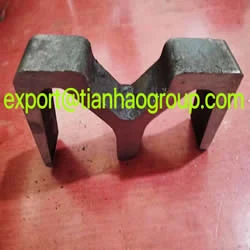
Linear Guide Rail Profiles
Rail and carriage sections in induction hardening and case hardening steels
What Linear Guide Rail Profiles Is and Who It Is For
Profiles for linear guides are used to produce both the rails and the carriages of the guide. They are generally produced in carbon steels, in induction hardening alloy steels and in case hardening steels, because the running surfaces have to take a hardened track while the body of the section stays tough.
Key Benefits
- Section geometry drawn to the raceway you grind, so less stock is removed at the grinder
- Grade choice matched to whether the track is induction or case hardened
- Straightness held tight enough that long rails do not need pre-straightening
- Prismatic, trapezoidal and complex geometry guides all made from the same programme
| Typical grades | carbon steels, induction hardening alloy steels, case hardening steels, 100Cr6, Cf53 |
|---|---|
| Cold drawn size tolerance | < 0.05 mm |
| Cold drawn straightness | < 0.1 mm/m |
| Cross section | to customer drawing |
Who It Is For
- Linear motion component makers
- Machine builders producing their own guideways
- Sliding system suppliers in steel for bearings
Problems It Solves
- Grinding a raceway out of plain bar removes far more material than it should
- Mixed grades across a rail batch give inconsistent hardening depth
- Long rails supplied bent add a straightening operation before grinding
Technical Features
- Induction hardening alloy steels and case hardening steels
- Bearing steel grades such as 100Cr6 and case hardening grades such as Cf53
- Prismatic, trapezoidal and complex geometry sections
- Cold drawn tolerances where the raceway geometry demands it
Where Linear Guide Rail Profiles Is Used
Rails and carriages for linear guide manufacturers
Rails and carriages for linear guide manufacturers
Sliding systems with prismatic, trapezoidal or complex geometry guides
Sliding systems with prismatic, trapezoidal or complex geometry guides
Machine tool axis guideways
Machine tool axis guideways
Telescopic guide assemblies
Telescopic guide assemblies
Materials
- Carbon steel
- Induction hardening alloy steel
- Case hardening steel
- 100Cr6
- Cf53
Quality Control
- Cross section checked against the raceway drawing
- Straightness verified along the full bar
- Grade certificates supplied with the batch
Customization Options
- Rail and carriage sections to drawing
- Grade selection for induction or case hardening
- Length and end machining
How We Make It
Raceway geometry review
Forming by cold drawing or
Forming by cold drawing or hot rolling
Stress relieving
Stress relieving where required
Straightening
Cut
Cut to length and inspection
How It Compares
Compared with buying a standard guide rail, a drawn profile lets you own the raceway geometry and the hardening route, which matters when the carriage is your own design.
Use Guide
- Give the raceway geometry and the grinding allowance separately
- State the hardening method planned so the grade suits it
- Confirm the maximum rail length your grinder can take
Often Ordered Together
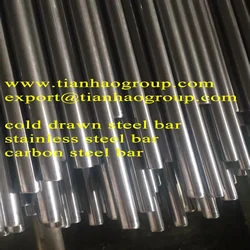
Cold Drawn Special Profiles
Drawn sections held below 0.05 mm on size with a Ra under 2.5 um surface
View details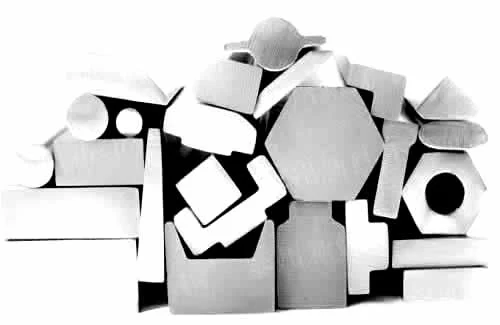
T-Nut Profiles for Machine Tables
Cold drawn T sections for CNC machine tables and telescopic steel curtains
View details
Telescopic Slideway Profiles
U shaped sections for cursors and slideways with or without ball bearing housings
View detailsWhere To Read More
Questions Buyers Ask About Linear Guide Rail Profiles
Which steels do you use for guide rails?
Carbon steels, induction hardening alloy steels and case hardening steels, including bearing grades such as 100Cr6 and case hardening grades such as Cf53.
Can you make both the rail and the carriage section?
Yes, the profiles are used to produce both the rails and the carriages.
Do you supply complex guide geometry?
Yes, prismatic, trapezoidal and complex geometry guides are all within the programme.
Get a Quote for Linear Guide Rail Profiles
Send the drawing, the quantity and the delivery condition you need. We reply with price, lead time and a sample plan.