One: Split Your Orders Into Two Or Three Pack Types
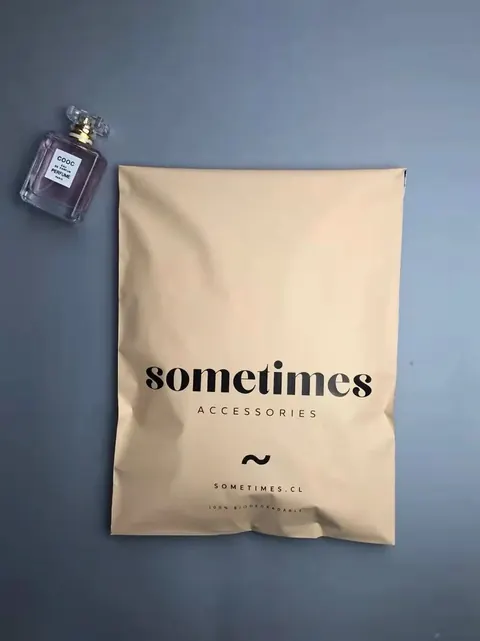
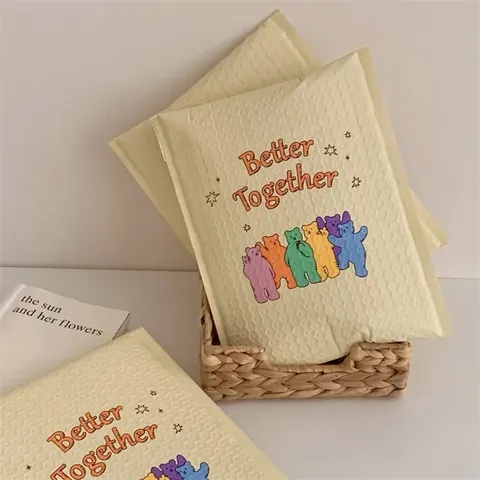
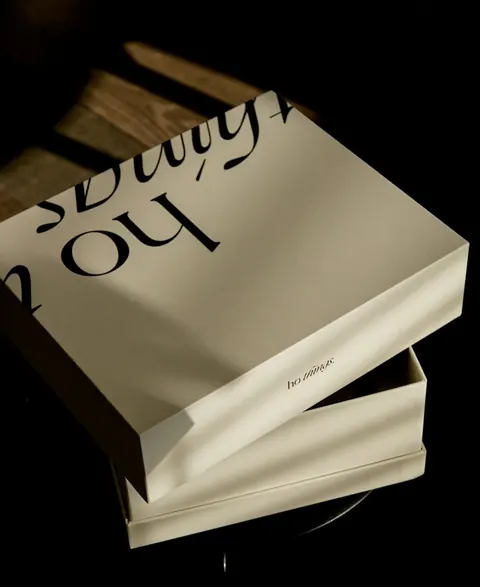
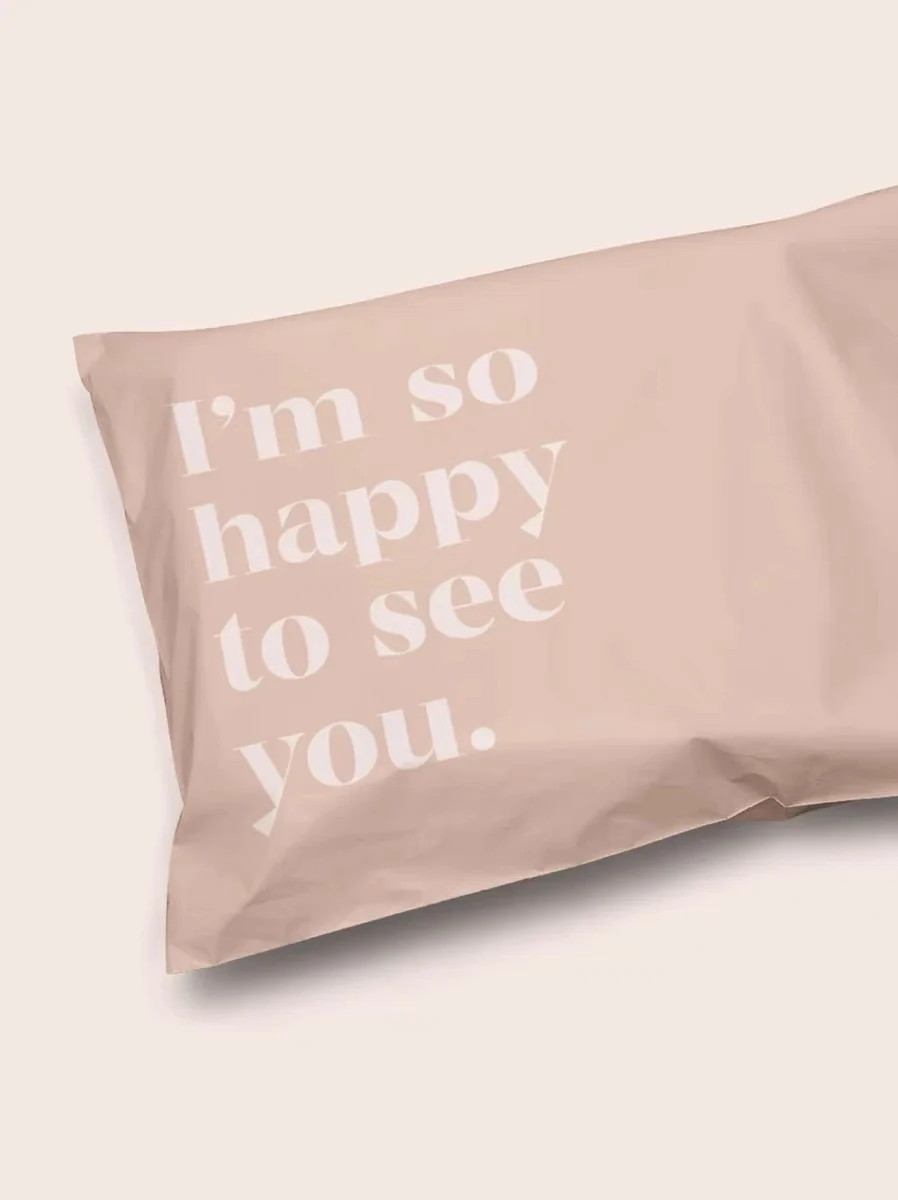
Almost every brand ships one mailer size for everything, which wastes material on small orders and bursts on large ones. Look at a week of despatches and you will usually find two or three clusters. Two or three pack sizes is the sweet spot: fewer wastes film, more slows the packing bench down.
Two: Match Protection To What Actually Breaks
Soft clothing needs a mailer and nothing else. Anything with hardware, buckles, glass or a rigid structure needs cushioning or a box. Look at your damage claims rather than guessing, because the pattern is usually narrower than people expect and the fix is cheap once you know it.
Three: Decide Returns Before Artwork
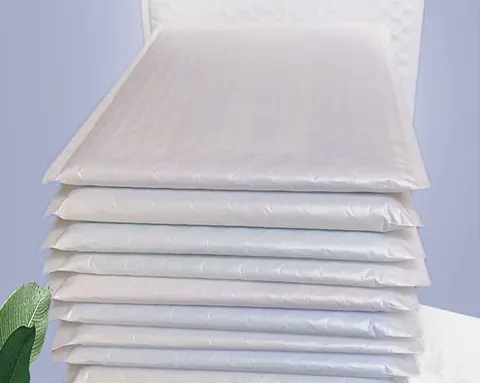
If you accept returns, a second adhesive strip on the mailer means the customer does not need tape. It is a small cost and it removes a genuine friction point. It also has to be designed in, so decide it before the artwork is finalised rather than after.
Four: Brand The Cheapest Surfaces First
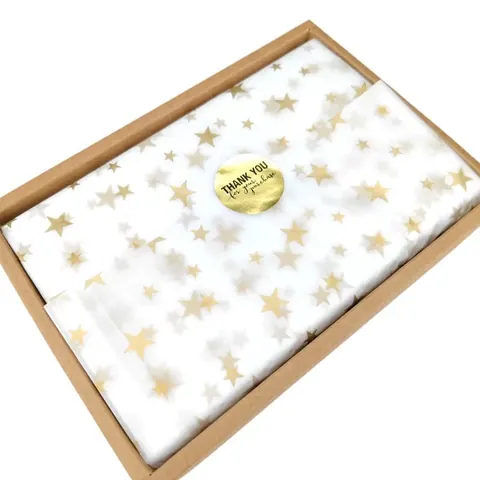
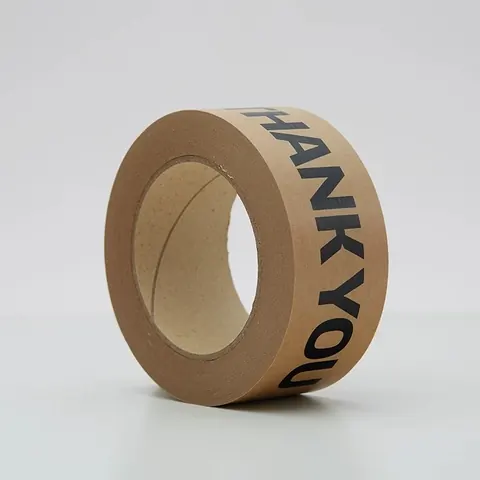
Printed tape and stickers are the lowest cost per parcel of anything in the pack, and they work on plain cartons and plain mailers. Wrapping paper is the next step up and changes the moment of opening more than the outside of the parcel does. Printing the mailer itself is the most expensive and usually the last thing to do.
Five: Include Something That Speaks
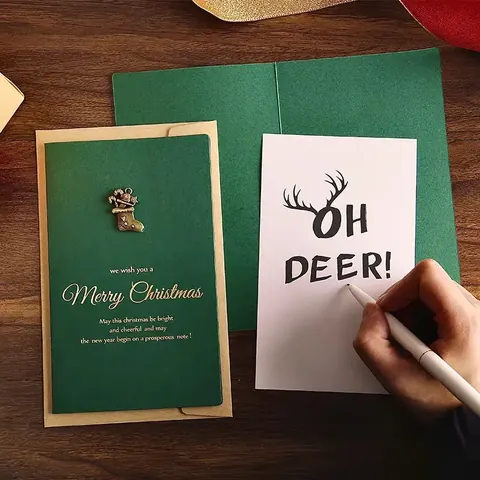
A card is the only component that says anything directly to the person opening the parcel. It costs very little, it is frequently kept, and it is the easiest place to put care instructions, a returns note or a thank you without printing them on everything else.

Six: Test Before You Commit
Pack a real order into the sample, seal it, and post it to yourself by the same service your customers use. Then open it the way a customer would. Most packaging problems are visible in that one test and invisible in a specification document.