What Each One Is Actually Good At
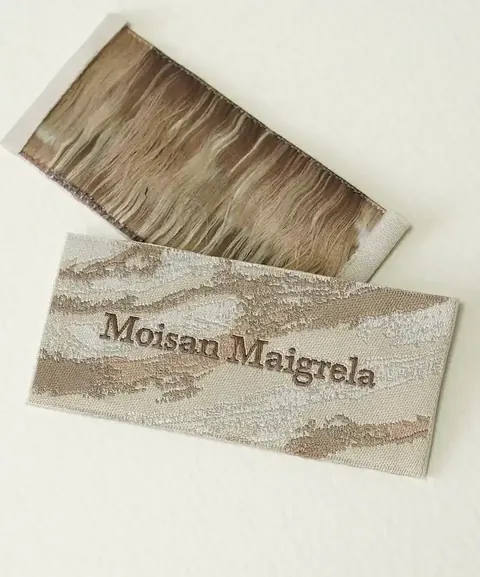
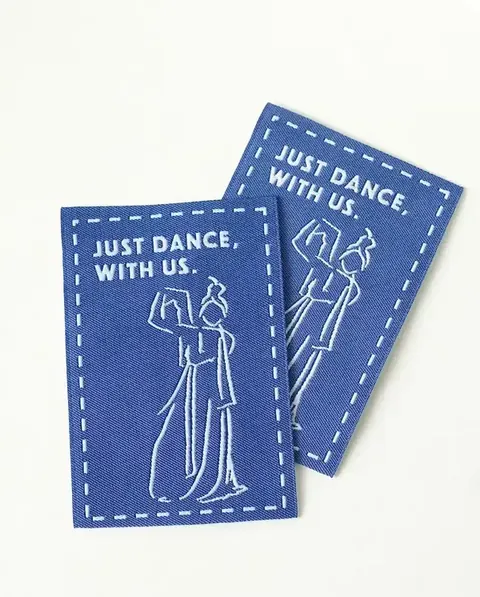
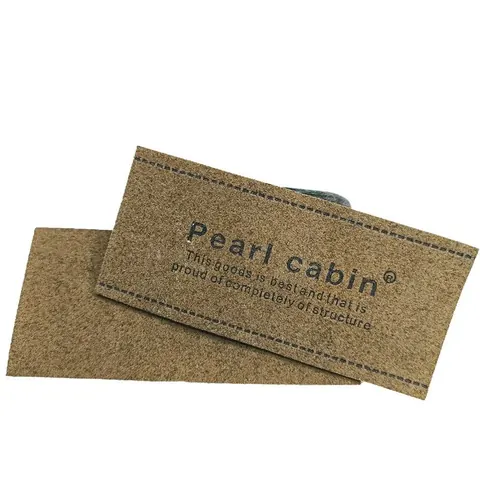
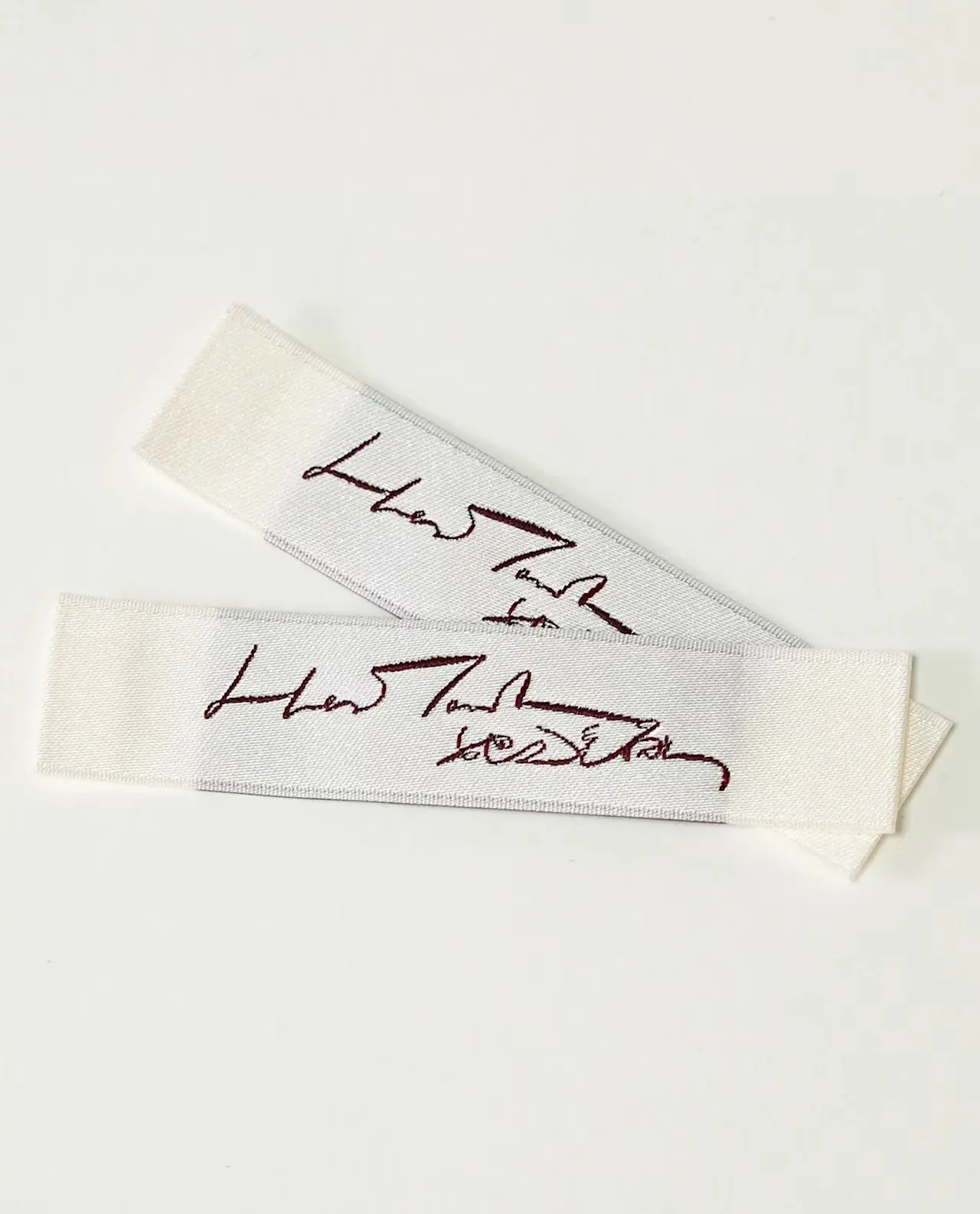
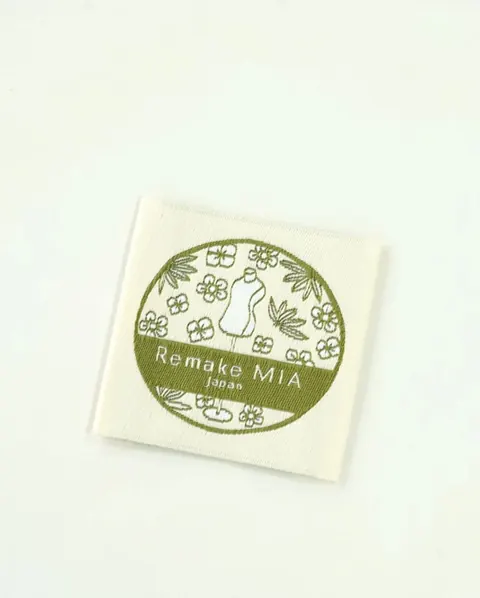
A woven label carries the design in thread. It survives washing almost indefinitely and has a physical quality that print cannot imitate, but it cannot hold small text or fine detail. A printed label carries very small text, care symbols, multiple languages and long legal wording cheaply, but the print is a surface layer and wears with the garment.
The Usual Split
Brand and size go on a woven label at the neck or waistband, because that is the mark that has to still be readable when the garment is resold. Care instructions, fibre content and market-specific wording go on a printed label in a side seam, where it is read once and then ignored. This split costs less than weaving everything and lasts longer than printing everything.
How Small Your Logo Can Go
Weaving has a real resolution limit set by the yarn. A logo with hairline strokes, tight counters or fine serifs will close up at small sizes and come back as a blur. The honest answer is usually to simplify the mark for the woven version rather than to shrink it. Send the artwork and the finished width and ask for a straight answer before tooling.
Comfort Against Skin
Both types can irritate if the edge finish is wrong. Cut edges that are sealed too hard become sharp. For babywear, lingerie and anything worn close to the neck, specify a softer base and a folded edge, and test the sample against skin rather than assuming.
Cost Over A Season, Not Per Piece
Printed labels are cheaper per piece. But if the care label becomes unreadable and the garment is returned, or the neck label fades and the brand disappears from a resold item, the saving was not real. Compare the two across the life of the garment rather than at the point of purchase.