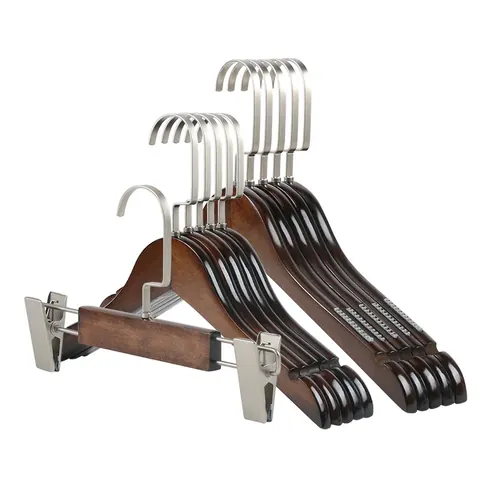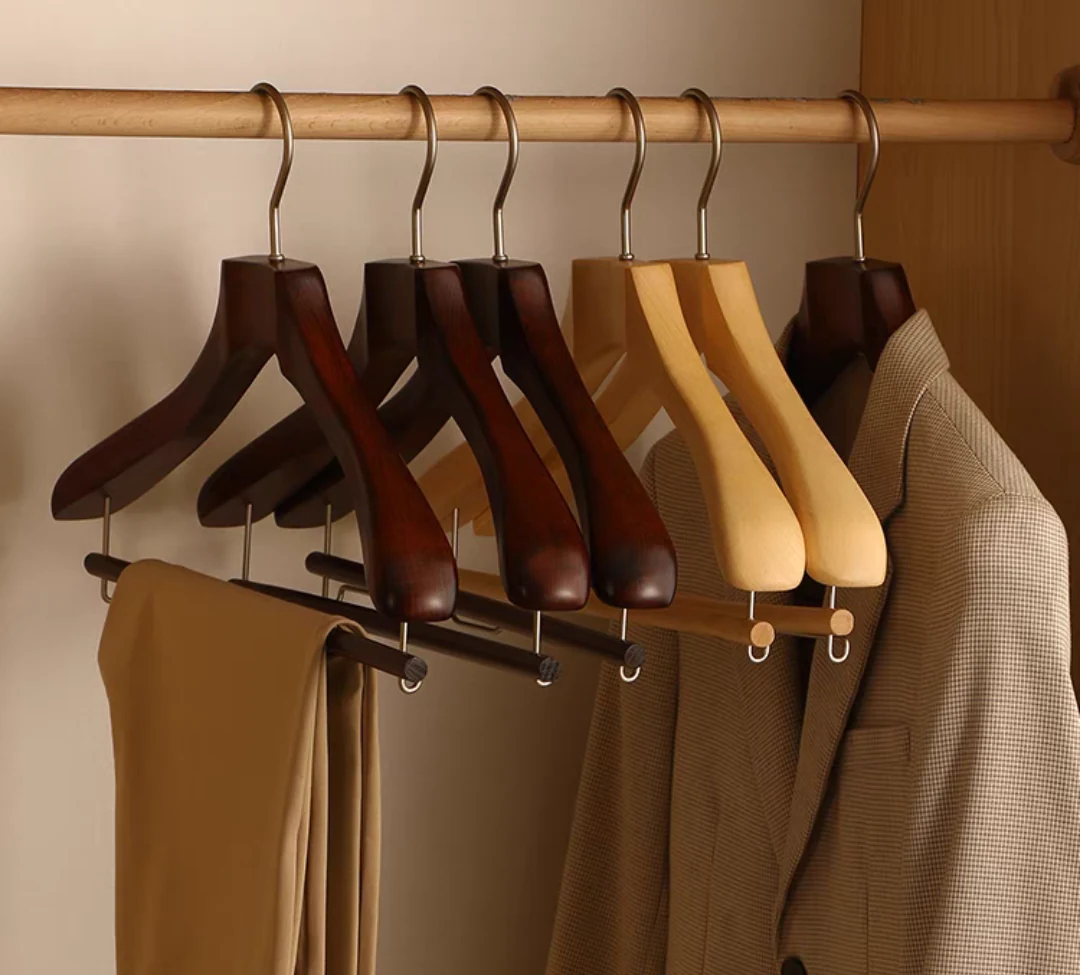
Decision One: Match The Body To The Garment
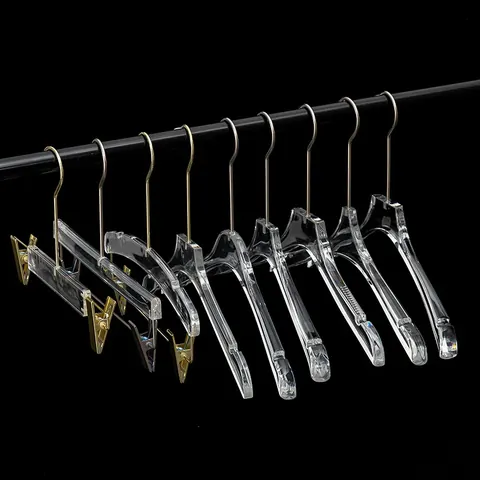
A structured jacket needs a broad contoured shoulder that supports the seam. A jersey top needs almost nothing. Trousers and skirts need clips, not shoulders. Lingerie needs a narrow body with correct clip spacing. Using one hanger across all of them means at least one department is being compromised, usually the most expensive one.
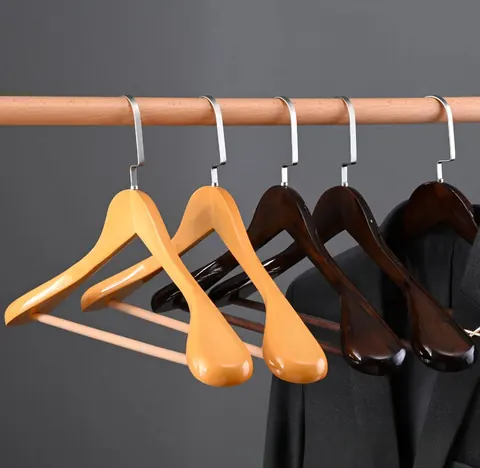
Decision Two: Work Out Rail Density Before Material
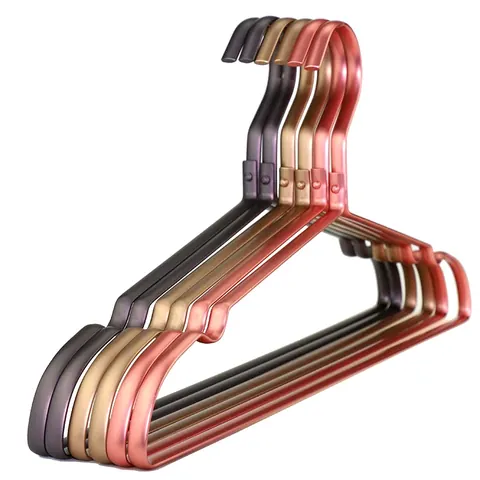
The number of garments a metre of rail holds is set by hanger body width and hook pitch, not by the garment. If a department is short of hanging space, a slimmer metal body will add capacity that no amount of re-merchandising will. Measure the rail, decide the pieces per metre you want, and choose the material that gets you there.
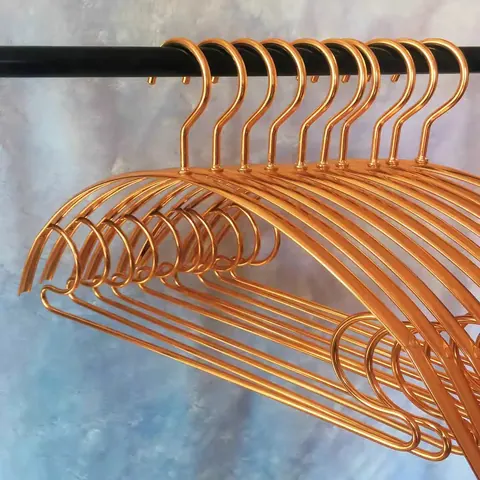
Decision Three: Keep One Finish Family Across The Store
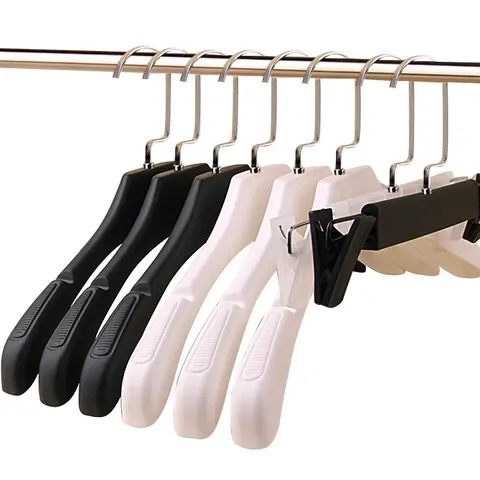
Departments can use different hanger bodies without the store looking mixed, as long as the finish family is consistent. One wood tone, one metal finish or one moulded colour running across every department reads as deliberate. Four finishes across four departments reads as whatever was cheapest that quarter.
The Plating Problem Nobody Checks
Poor plating pits and then transfers onto light-coloured garments. It happens slowly enough that nobody links the marked whites to the hangers. The test is simple and worth doing on every sample: leave a white cotton garment on the hanger for a week in normal store humidity and look at the shoulder.
Packing Matters More Than It Sounds
Hangers counted and packed per carton can go straight onto a rail at store level. Hangers shipped loose in bulk have to be counted and sorted by somebody paid to do something else. On a multi-store rollout this difference is larger than the price difference between two hanger quotes.