Cost Per Use, Not Cost Per Bag
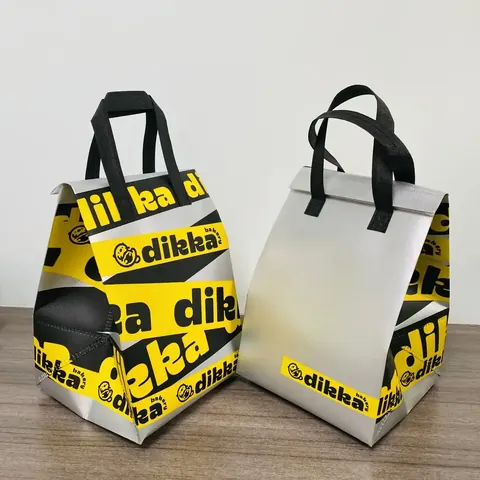
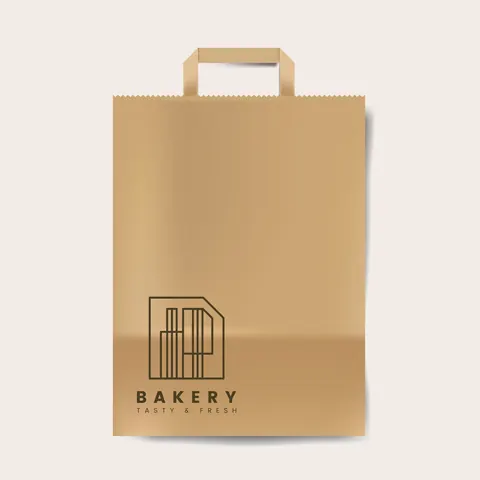
A paper bag is cheaper per piece and is realistically used once or twice. A non-woven bag costs more and is used for months. If the point is to hand something over at a till, paper wins on cost. If the point is to have the brand carried around a city for a year, non-woven wins easily.

What Happens When It Rains
This is the decision nobody makes until it has already gone wrong. Paper loses most of its strength wet, and a customer who walks out of a shop into rain with a heavy paper bag will be picking their purchase up off the pavement. In a wet climate, non-woven or a plastic handle bag is the practical answer.
How Each One Prints
Coated paper takes photographic artwork and fine detail better than anything else in this comparison. Non-woven handles solid colour and simple logos well but has a visible texture that fine detail fights against. If your identity depends on a photographic image, that pushes towards coated paper.

The Recyclability Question, Honestly
Uncoated kraft paper goes into paper recycling almost everywhere. Laminated paper often does not, which is worth knowing before specifying a gloss laminate on a bag sold as an eco alternative. Non-woven polypropylene is reusable and recyclable where PP is collected, which is not everywhere. Neither material is automatically the greener choice, and the number of uses usually matters more than the material.
A Practical Split
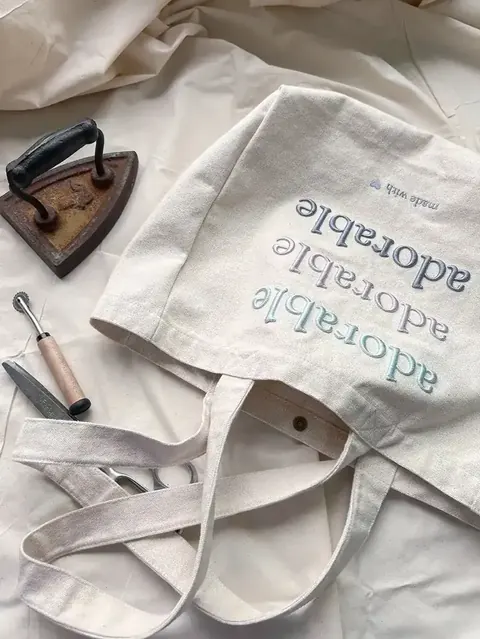
Many retailers end up running both: a paper bag as the standard carrier at the till, and a non-woven or cotton bag sold or given for larger purchases and campaigns. That covers the everyday cost case and the long-life branding case without compromising on either.