Laser Driving Lights Compared With LED Driving Lights
Beam Pattern and Light Distribution Differences
Laser driving lights produce a narrow, focused beam with high intensity at long range. LED driving lights offer a wider beam pattern, including combo and spot options, which balance reach with peripheral visibility. The beam pattern is determined by the optic design and emitter configuration. Choose laser for long-distance visibility on open roads, LED for broader coverage in mixed terrain.
Wattage and Power Draw Comparison
Laser driving lights typically operate at 12W to 45W, while LED driving lights range from 10W to 120W. Higher wattage in LED models increases output but also heat generation. The real power draw is always lower than the maximum rating due to driver regulation. For consistent performance, compare real power draw against effective lumens, not headline wattage.
Voltage Range and Electrical Compatibility
Both laser and LED driving lights support 9–32V input, with some models rated up to 48V. This range covers most vehicle electrical systems, including 12V and 24V trucks, off-road vehicles and heavy machinery. The voltage tolerance ensures stable operation under load and during engine start-up.
Operating Temperature and Environmental Resistance
Laser driving lights are rated for -40 to +50°C. LED driving lights extend to -40 to +105°C, allowing use in extreme climates. Both types are sealed to IP67 or IP68 standards, with some models rated IP69K for high-pressure washdown. The housing materials include die-cast aluminum, 304/316 stainless steel and polycarbonate lens, which resist corrosion and impact.
Emitter Chips and Light Output Consistency
Laser driving lights use Bridgelux or CREE emitters. LED driving lights use Bridgelux, CREE, Epistar or Osram emitters. The choice of chip affects beam quality, efficiency and longevity. All emitters are tested in house using an integrating sphere to verify effective lumen output, ensuring consistency across batches.
Testing and Quality Assurance
SUNLITEC tests every product using an integrating sphere for lumen output, a vibration test machine for mechanical durability, a salt spray chamber for corrosion resistance, and a high-low temperature alternating humidity chamber for long-term stability. These tests are performed in-house, ensuring data accuracy and traceability.
Selecting the Right Light for Your Application
Use laser driving lights for long-range visibility on highways or open terrain where beam focus is critical. Use LED driving lights for off-road use, construction sites or urban driving where wider coverage and lower heat output are preferred. Match the beam pattern, voltage range and sealing rating to the vehicle’s operating environment.
Questions on This Topic
What is the main difference between laser and LED driving lights
Laser driving lights produce a narrow, high-intensity beam for long-range visibility. LED driving lights offer broader beam patterns like combo or spot, suitable for varied terrain and close-range visibility.
Do laser driving lights use less power than LED driving lights
Yes, laser driving lights typically use less power (12W–45W) than LED driving lights (10W–120W) for similar beam reach, due to higher optical efficiency in laser emitters.
Are laser driving lights rated for the same temperature range as LED lights
No. LED driving lights are rated up to +105°C, while laser driving lights are rated up to +50°C. This affects suitability in high-heat environments like engine bays or desert climates.
What certifications do these lights carry
All SUNLITEC driving lights are CE and RoHS compliant. Some models also carry E-MARK, ECE R10 and EMC certifications, depending on the specific product and target market.
Can I get a sample before placing a bulk order
Yes. Sample orders are welcome and can include mixed models. Samples ship within 4–7 working days via DHL, UPS, FedEx or TNT.
What is the lead time for bulk orders
Bulk lead time depends on the item and quantity. Standard orders follow the MOQ, but small orders are also accepted. Production starts after confirmation and payment.
Do you offer OEM or ODM services
Yes. SUNLITEC provides OEM and ODM services, including custom beam patterns, housing materials, voltage ranges and branding.
Products Referenced in This Guide
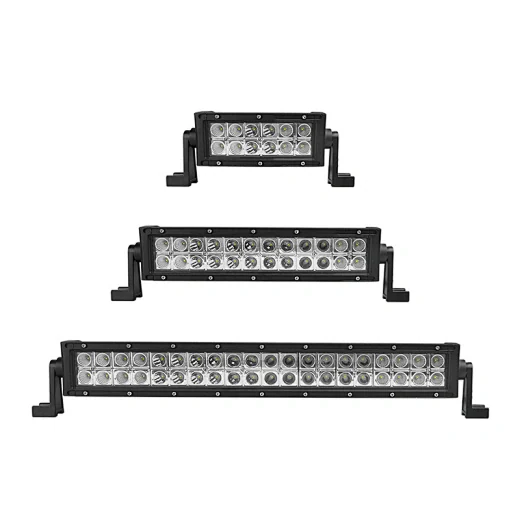 Offroad Utility CREE LED Light Bar Version 2
View specification
Offroad Utility CREE LED Light Bar Version 2
View specification
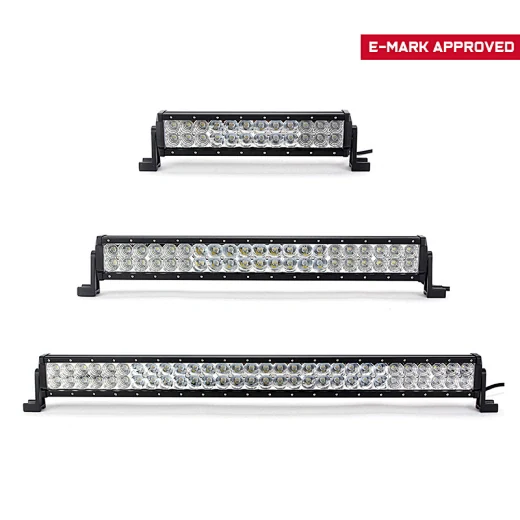 Offroad High Intensity CREE LED Light Bar Version 2
View specification
Offroad High Intensity CREE LED Light Bar Version 2
View specification
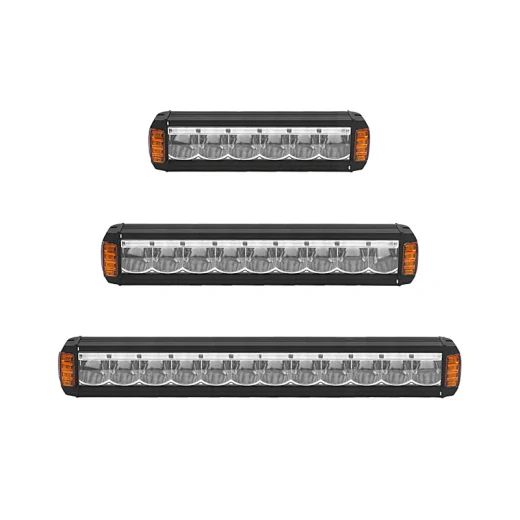 Offroad Free Form Reflector LED Light Bar with DRL EMC CISPR 25 CLASS 4
View specification
Offroad Free Form Reflector LED Light Bar with DRL EMC CISPR 25 CLASS 4
View specification
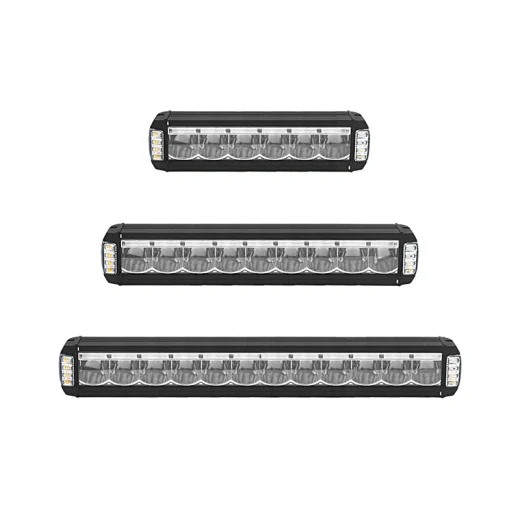 Offroad Free Form Reflector LED Light Bar with DRL EMC CISPR 25 CLASS 4 Version 2
View specification
Offroad Free Form Reflector LED Light Bar with DRL EMC CISPR 25 CLASS 4 Version 2
View specificationApply This to Your Own Specification
Send the machine and the duty cycle. We will point at the models that match what you have just read.