ECE R10 and EMC for Auxiliary Vehicle Lighting
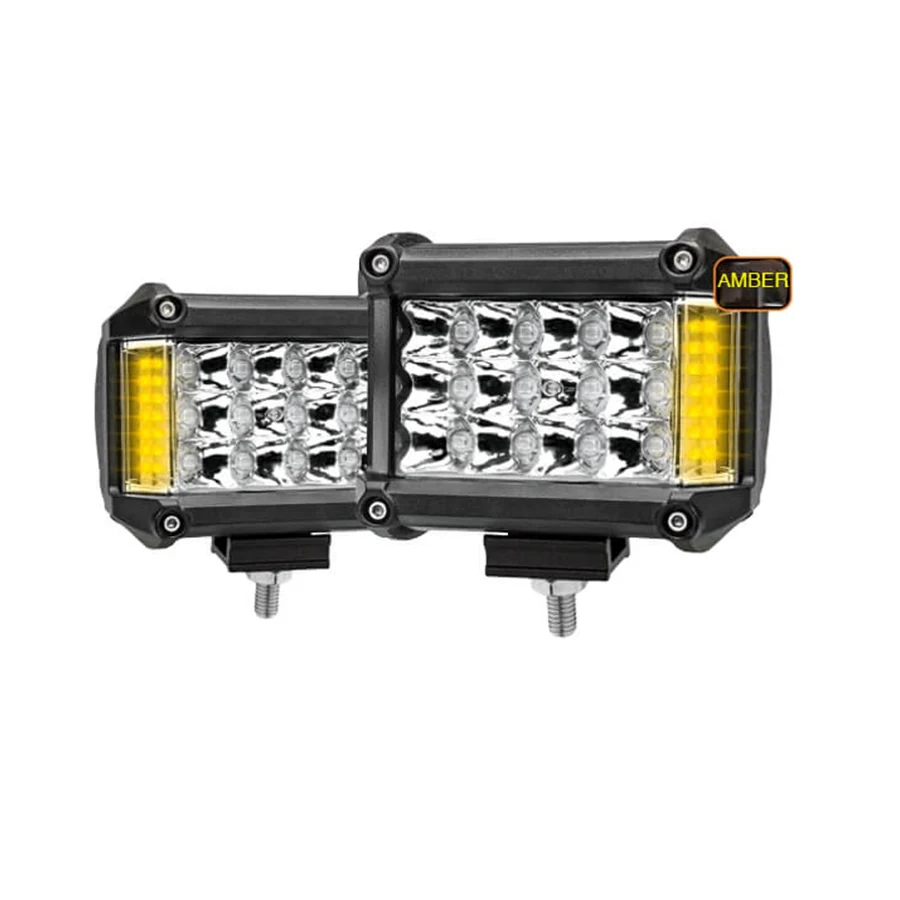
ECE R10 and EMC Approval on SUNLITEC Auxiliary Vehicle Lights
SUNLITEC lamps carrying ECE R10 and EMC approval meet the electromagnetic compatibility and electrical safety standards required for auxiliary lighting on road-going vehicles in Europe. These certifications ensure the light operates without interfering with other electronic systems on the vehicle and remains stable under the electrical noise common in automotive environments.
What ECE R10 Covers
ECE R10 is a United Nations regulation that certifies the electromagnetic compatibility of electrical and electronic components in vehicles. For auxiliary lighting, it ensures the lamp does not emit excessive electromagnetic radiation and is immune to interference from other vehicle systems such as GPS, radio, or engine control units.
What EMC Approval Covers
EMC (Electromagnetic Compatibility) approval confirms the lamp functions reliably in the electromagnetic environment of a vehicle. It includes both emissions testing (the lamp must not disturb other systems) and immunity testing (the lamp must continue to operate correctly when exposed to electromagnetic noise).
Why Road Going Machines in Europe Need This
In Europe, any vehicle equipped with auxiliary lighting that operates on public roads must comply with ECE R10 and EMC standards. This includes off-road vehicles used on public highways, construction machinery with dual-use capability, and fleet vehicles that travel between job sites and public roads. Non-compliant lights can result in vehicle rejection during inspection or legal penalties.
How SUNLITEC Ensures Compliance
SUNLITEC tests its lamps in-house using a high and low temperature alternating hot and humid testing chamber and a vibration test machine. While the full ECE R10 and EMC certification process is conducted by an accredited third-party laboratory, SUNLITEC designs and builds its products to meet the required test profiles, including the use of shielded wiring and filtered drivers.
Which Products Carry These Certifications
The ECE R10 and EMC approvals are applied to specific models within the SUNLITEC range, particularly LED driving lights, LED light bars, and LED search lights intended for use on vehicles that operate on public roads in Europe. These models are clearly marked with the E-MARK symbol and the certification numbers on the product label.
What to Check Before Ordering
When sourcing for European markets, verify that the model number includes ECE R10 and EMC in the certification list. Do not assume all SUNLITEC lights carry these approvals. The product data sheet and packaging should state the certification clearly. For confirmation, request the test report from SUNLITEC via email or WhatsApp.
Questions on This Topic
Which SUNLITEC models have ECE R10 and EMC approval
Only specific models within the LED driving lights, LED light bars, and LED search lights range carry ECE R10 and EMC. Check the product data sheet or packaging for the E-MARK symbol and certification numbers. Ask for the model number and certification list via email or WhatsApp.
Do all SUNLITEC lights meet European road standards
No. Only models explicitly certified with ECE R10 and EMC are compliant for use on public roads in Europe. Others may be suitable for off-road or industrial use but are not approved for highway operation.
Why is ECE R10 required for vehicles used on public roads
ECE R10 ensures that auxiliary lighting does not emit electromagnetic interference that could disrupt vehicle electronics or fail to function under electromagnetic noise. It is mandatory for any vehicle component that connects to the vehicle’s electrical system and operates on public roads.
Can I use a non-certified SUNLITEC light on a vehicle that travels on public roads
No. Using a non-certified light on a vehicle that operates on public roads in Europe may result in vehicle inspection failure, legal penalties, or safety risks due to interference with other systems.
How do I verify the ECE R10 and EMC certification of a model
Check the product label for the E-MARK symbol and certification numbers. Request the full test report from SUNLITEC via email or WhatsApp. The report will confirm the testing body, test conditions, and compliance status.
Products Referenced in This Guide
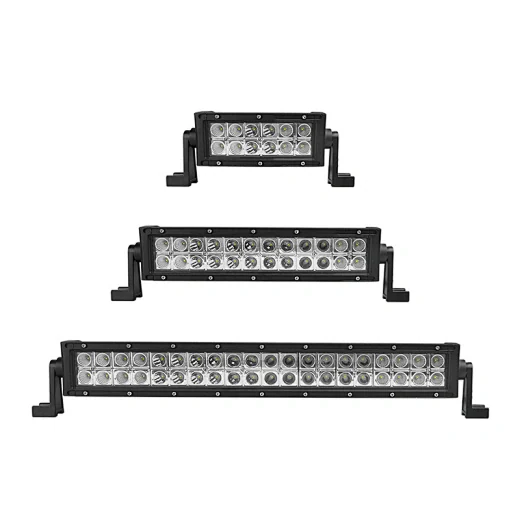 Offroad Utility CREE LED Light Bar Version 2
View specification
Offroad Utility CREE LED Light Bar Version 2
View specification
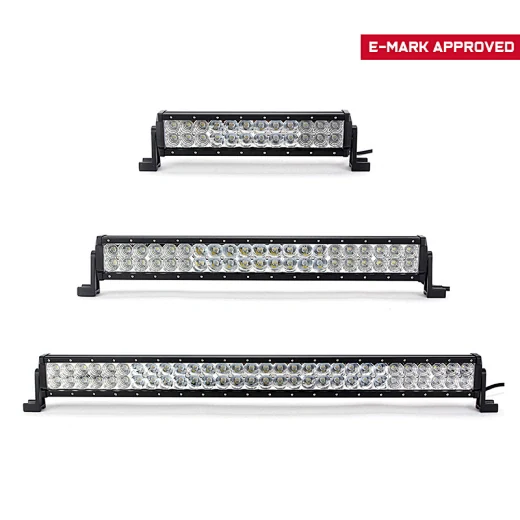 Offroad High Intensity CREE LED Light Bar Version 2
View specification
Offroad High Intensity CREE LED Light Bar Version 2
View specification
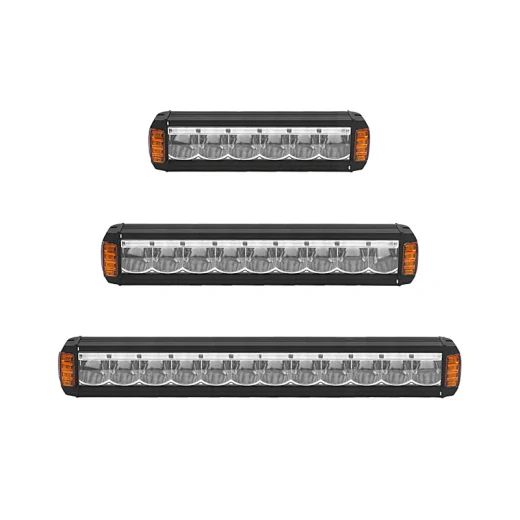 Offroad Free Form Reflector LED Light Bar with DRL EMC CISPR 25 CLASS 4
View specification
Offroad Free Form Reflector LED Light Bar with DRL EMC CISPR 25 CLASS 4
View specification
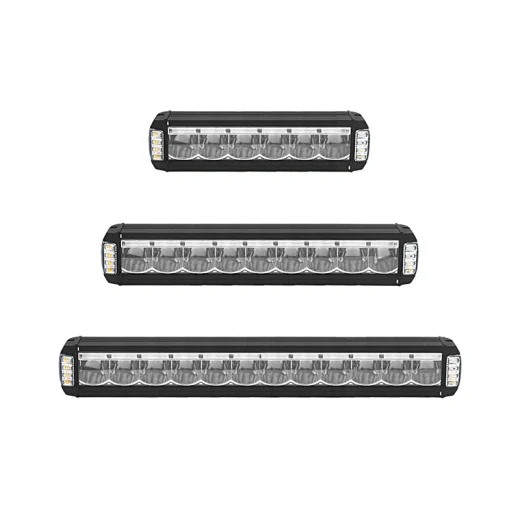 Offroad Free Form Reflector LED Light Bar with DRL EMC CISPR 25 CLASS 4 Version 2
View specification
Offroad Free Form Reflector LED Light Bar with DRL EMC CISPR 25 CLASS 4 Version 2
View specificationApply This to Your Own Specification
Send the machine and the duty cycle. We will point at the models that match what you have just read.