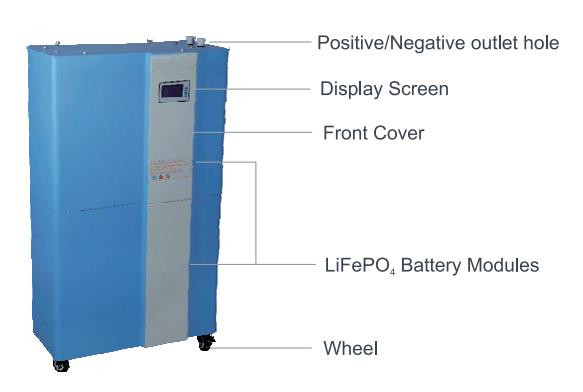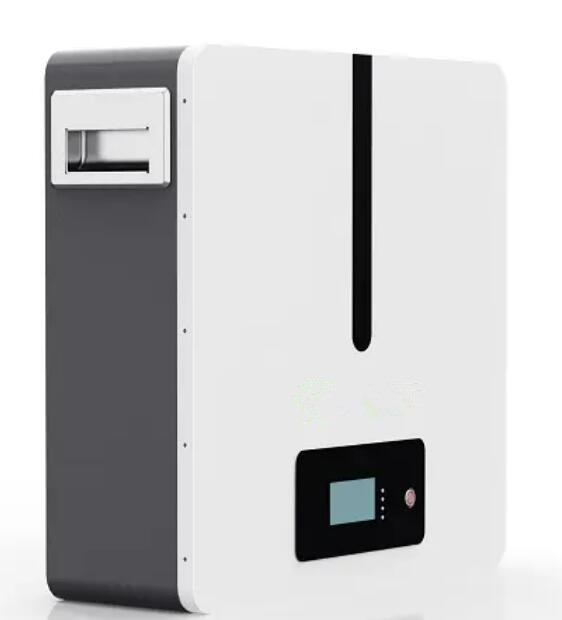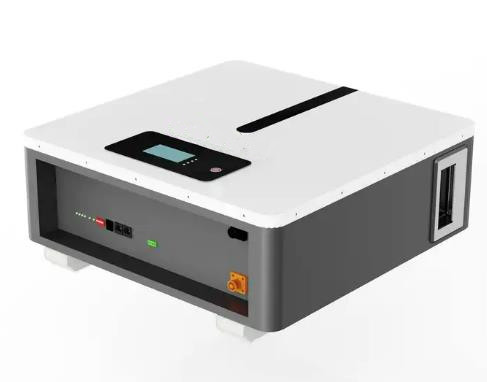
LiFePO4 Battery Packs
5kWh battery
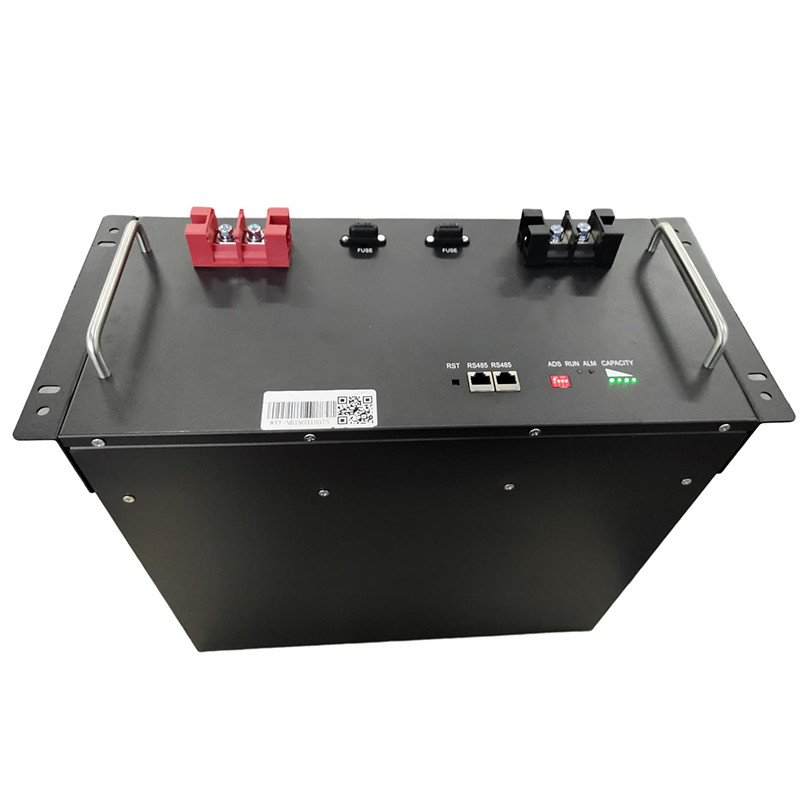
Product: 48V 100Ah 5kWh lifepo4 battery · Model: ESS48100
View data sheetRechargeable LiFePO4 battery packs are widely used in energy storage systems, with a longer cycle life than lead acid battery and better cost efficiency over the life of the installation.

Every product below is published with its parameter table and the model list for its range.
Product: 48V 100Ah 5kWh lifepo4 battery · Model: ESS48100
View data sheetProduct: 48V 10kWh 200Ah LiFePO4 battery · Model: ESS48200
View data sheetProduct: 48V 100Ah 5kWh lifepo4 battery · Dimension: 500*171*500mm
View data sheetProduct: 48V 200Ah LiFePO4 battery 10kWh · Dimension: 485*190*650mm
View data sheetProduct: 48V 1000Ah lifepo4 battery 50kWh · Dimension: 530*520*900mm
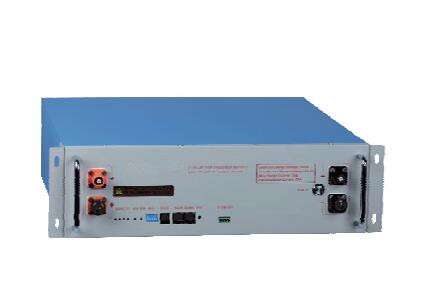
View data sheetStandard 19-inch box design · RS485 / RS232 communication output for monitoring
View data sheetThe same route for every industry, from the first drawing to the packed carton.
Voltage, run time, peak current, ambient range, enclosure and connector. If the run time is still open we work back from the load and the hours you need.
LiFePO4 where cycle life leads, lithium ion where energy density leads, lithium polymer where the space is a thin rectangle, Ni-MH where the product is locked to a 1.2V cell size.
The arrangement sets voltage and capacity. We publish it for every standard pack, for example IFR32700 4S17P for 12V 100Ah, so the comparison is transparent.
Over-charge, over-discharge, over-current and over-temperature protection with internal cell balancing. Communication ports where the system needs them.
After price confirmation you can request samples to test. Cells and packs are checked against the parameter table published for that model.
ABS or lead acid style case, aluminium case for e-bike packs, PVC wrap for modules, with your terminal, cable length, connector and logo.
5000 cycles at 0.2C and 70% DOD for the 48V ESS and power wall range.
RS485 and CAN across the range, with RS232 also fitted on several models. The port is listed on each product data sheet.
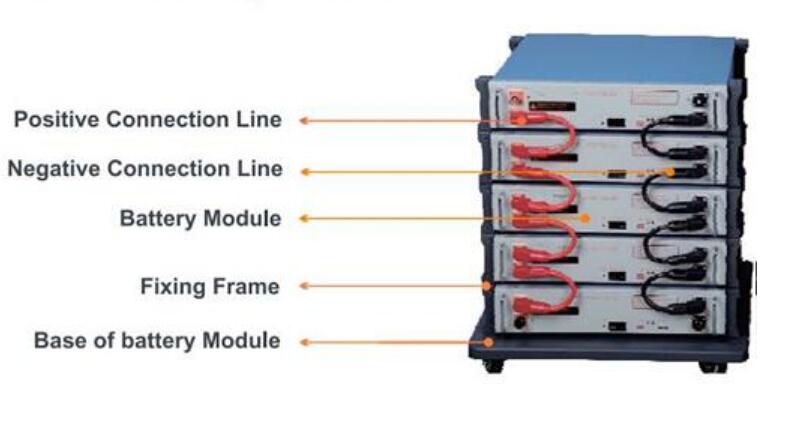
Yes. The 10kWh cabinet is built from two 51.2V 100Ah modules, and the 48V system scales to 1000Ah, which is 50kWh.
Send the equipment, the duty cycle and the space you have. We will come back with the arrangement and the data sheet.