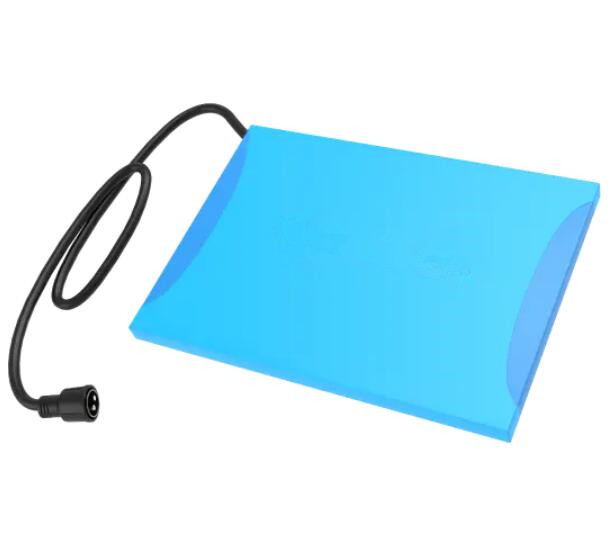
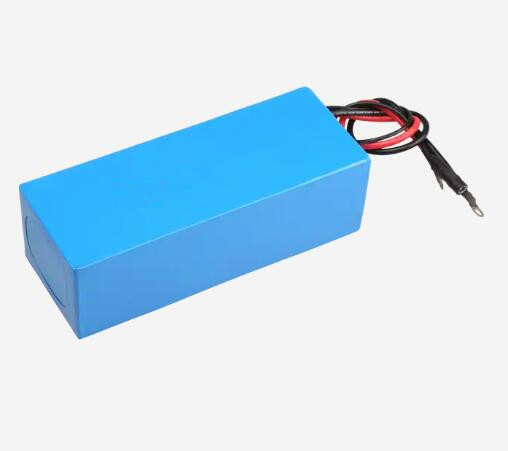
LiFePO4 Battery Packs
LiFePO4 battery 12V 100Ah
Product: 32700 12V 100Ah battery · Model: 32700 4S17P
View data sheetWhat 4S17P, 3S9P and 1S7P mean, and how to work back from a pack code to voltage, capacity and current.
Every pack on this site publishes a code such as IFR32700 4S17P. The first part is the cell. The S number is how many cells sit in series. The P number is how many of those series strings sit in parallel.
Multiply the cell's nominal voltage by the S number. A 3.2V LiFePO4 cell at 4S gives 12.8V. At 8S it gives 25.6V. At 16S it gives 51.2V. A 3.7V lithium ion cell at 3S gives 11.1V and at 4S gives 14.8V.
Multiply the cell capacity by the P number. IFR32700 is a 6000mAh cell, so 4S17P is 4 x 3.2V by 17 x 6Ah, which is 12.8V and about 102Ah. That is exactly what our 12V 100Ah data sheet publishes as typical 102Ah.
Every parallel string shares the load. This is why a 4S1P 26650 pack is published at 6A maximum discharge while a 4S15P pack of the same chemistry is published at 45A. If your load current is the constraint, the P number is the lever.
If you know the voltage and run time you need, divide the voltage by the cell voltage to get S, then divide the required capacity by the cell capacity to get P. Send us those two numbers and the space you have, and we can tell you immediately whether it fits.
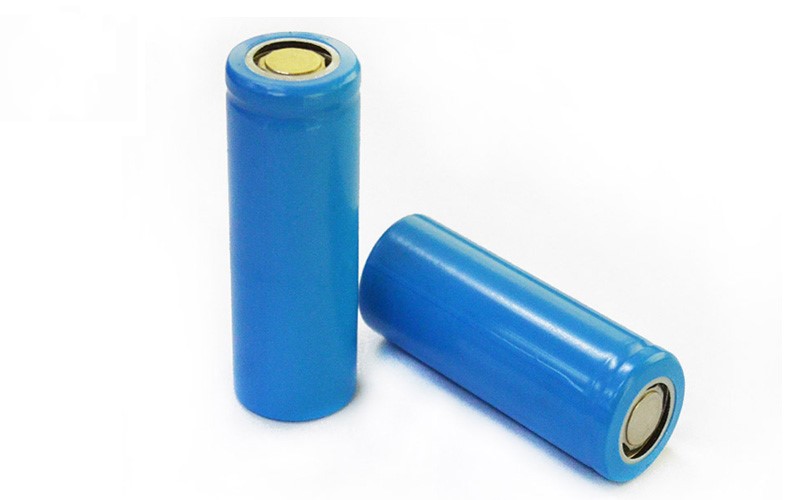
Product: 32700 12V 100Ah battery · Model: 32700 4S17P
View data sheetProduct: 12V 45Ah solar light battery · Model: 26650 4S15P
View data sheetSend it to our engineering team with the product you are working on.