
Which Tillage Working Width Fits Your Rows and Beds
Working width is the first number that eliminates machines. Here is how growers and dealers should read it against real field layouts.
Start With the Narrowest Gap
Working width is not a capacity figure to be maximised. It is a fit dimension. The narrowest gap the machine has to pass through in a season, whether that is a polytunnel doorway, a bed spacing or a vineyard row, sets the maximum. Anything wider damages crop on every pass or simply does not go in.
Bed and Polytunnel Work
Protected cropping is where oversized machines do the most damage. Beds are laid out to a fixed spacing, paths are narrow, and the turning space at the end of a tunnel is minimal. Narrow single axis cultivators exist for exactly this work, and the working width on the product page should be checked against the bed spacing before anything else is considered.
Open Field and Contract Work
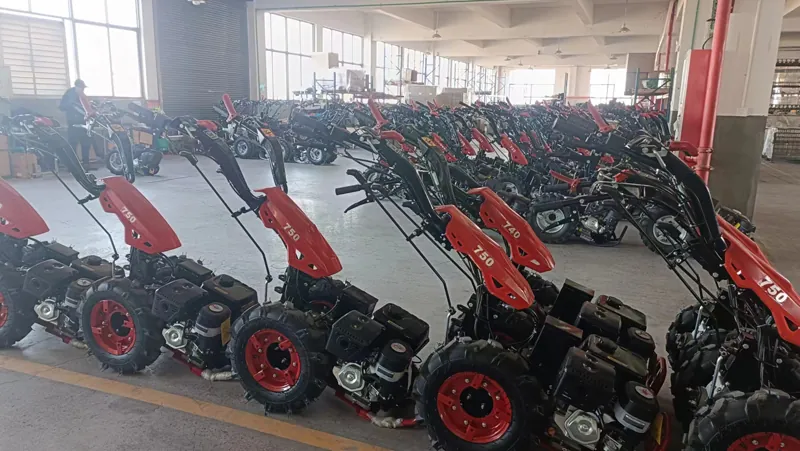
Where there is no width constraint, the calculation reverses and wider is better, because the field is covered in fewer passes for the same fuel and the same operator hour. This is where the heavier gear driven machines and the two wheel tractors earn their price difference.
Working Depth Is the Second Filter
Width decides whether the machine fits. Depth decides whether the pass was worth making. Seedbed preparation, weeding between established rows and breaking compacted ground are three different depth requirements, and a machine set up for one will disappoint at another.
Ground Conditions Change the Answer
In flooded or very soft ground a standard tyre loses grip and sinks, which is what paddy wheels are for. They are available as a spare part, so a machine can be converted rather than replaced when a grower moves into wet ground work.
A Practical Selection Sequence
Measure the narrowest gap. Eliminate every machine wider than it. Of what remains, choose on working depth for the job. Then check drive type against the hours per day the machine will work. Fuel type and engine size are the last decisions, not the first.
Models This Guide Applies To
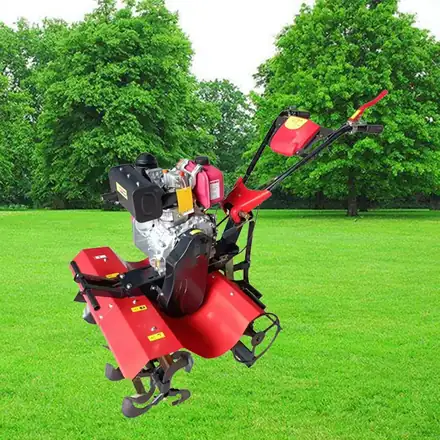
Rotary tiller for home
View Specifications →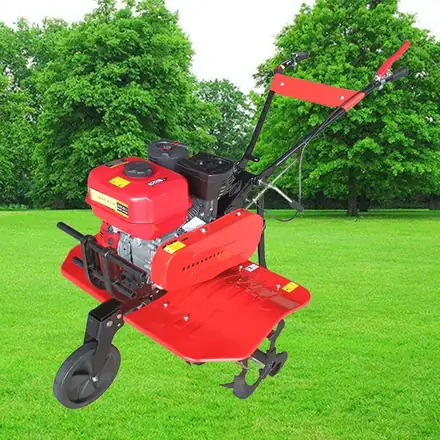
Garden cultivator
View Specifications →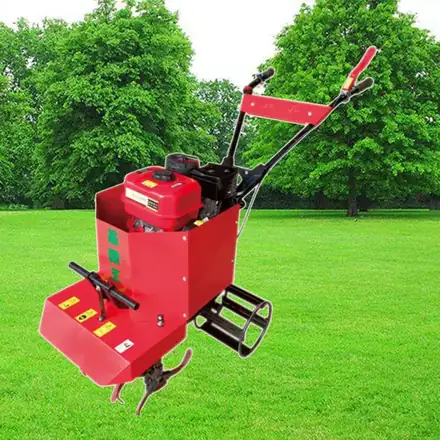
Mini cultivator
View Specifications →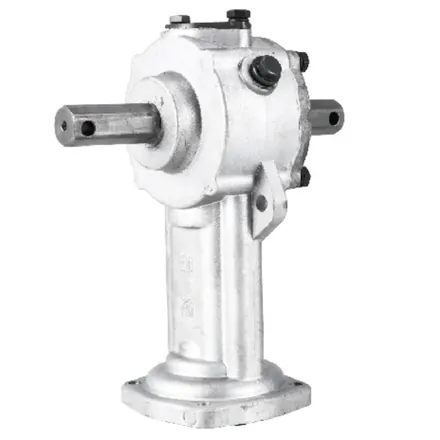
Tiller cultivator parts-gear box
View Specifications →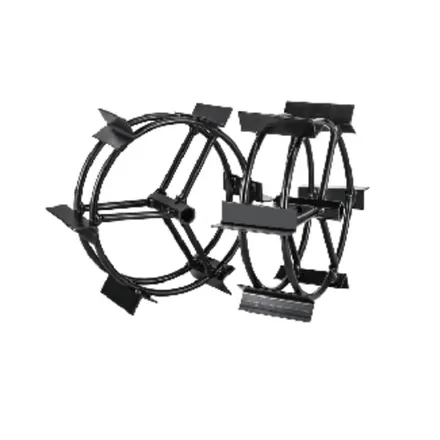
Tiller cultivator parts-paddy wheel
View Specifications →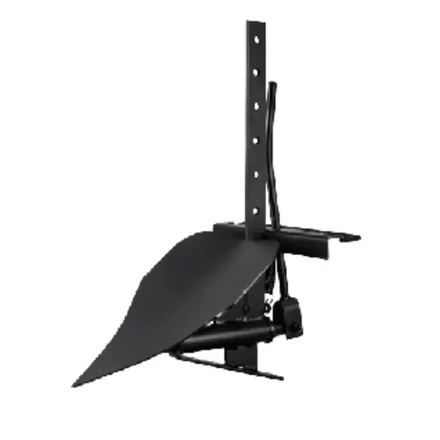
Tiller cultivator parts-ditch
View Specifications →Questions on This Guide
What if my rows vary in width?
Specify against the narrowest one. A machine that fits everywhere is worth more than a machine that is optimal in half the field.
Can working width be changed on a machine?
Some machines are quoted with a range of working widths. Check the specification table on the individual product page.
When should I fit paddy wheels?
When the ground is flooded or soft enough that a standard tyre loses grip and sinks. They are available as a spare part.
Put This Guide to Work on Your Own Order
Tell us the route, the field or the retail programme you are buying for and we will apply it to your case.